Пинхас — завет мира, наследство и преемник, Алекс Бленд
Pin’has — alliance de paix, héritage et successeur, Alex Blend
Pinchas – covenant of peace, inheritance and successor, Alex Blend
markiert Stellen, an denen die deutsche Übersetzung bewusst vom russischen Original abweicht. Antippen oder darüberfahren zeigt den Hinweis.
signale les passages où la traduction française s’écarte délibérément de l’original russe. Toucher ou survoler le signe affiche la remarque.
marks places where the English translation deliberately differs from the Russian original. Tap or hover over the sign to show the note.
Pinchas ist der Wochenabschnitt über den Bund des Friedens, die Vorbereitung auf das Leben im Land Israel und die Kontinuität des Dienstes. Im Stenogramm von Alex Blend werden die Zählung des Volkes, das Erbe der Töchter Zelofchads, die Ernennung des Nachfolgers Mosches und die Festopfer besprochen. Der hebräische Text wird von einer Transliteration, einer ÜbersetzungIm Original heißt es, der hebräische Text werde von einer russischen Übersetzung begleitet. Da sich das auf diese Seite selbst bezieht, steht hier neutral „einer Übersetzung“. und der religiösen Auslegung des Autors begleitet.
Пинхас — недельная глава о завете мира, подготовке к жизни в земле Израиля и преемственности служения. В стенограмме Алекса Бленда разбираются перепись народа, наследство дочерей Цлофхада, назначение преемника Моше и праздничные жертвы. Ивритский текст сопровождается транслитерацией, русским переводом и авторским религиозным толкованием.
Pin’has est la section hebdomadaire sur l’alliance de paix, la préparation à la vie dans la terre d’Israël et la continuité du service. Dans le sténogramme d’Alex Blend sont examinés le recensement du peuple, l’héritage des filles de Tsélof’had, la nomination du successeur de Moché et les sacrifices des fêtes. Le texte hébreu est accompagné d’une translittération, d’une traductionL'original dit que le texte hébreu est accompagné d'une traduction russe ; sur cette page française, la formulation est neutre. et de l’interprétation religieuse de l’auteur.
Pinchas – the weekly portion about the covenant of peace, preparation for life in the land of Israel and the continuity of service. In Alex Blend’s stenogram the census of the people, the inheritance of the daughters of Tzelofchad, the appointment of Moshe’s successor and the festival offerings are examined. The Hebrew text is accompanied by a transliteration, a translationThe original says the Hebrew text comes with a “Russian translation”. Since this page is in English, it simply says “a translation”. and the author’s religious interpretation.
Der langlebige Priester (25,10–26,11)
Священник-долгожитель (25:10-26:11)
Le prêtre à la longue vie (25,10–26,11)
The long-lived priest (25:10–26:11)
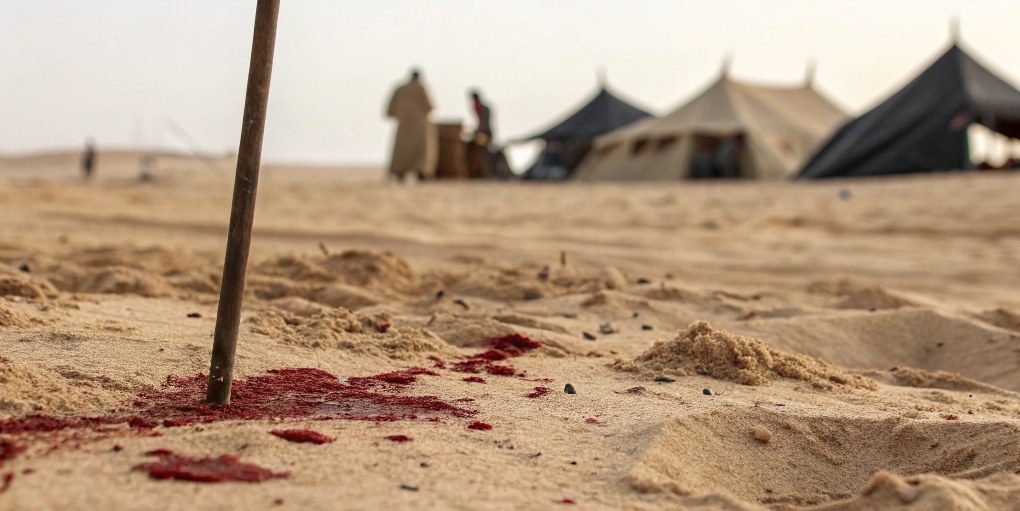
Wir beginnen mit Gottes Hilfe das Studium des Wochenabschnitts Pinchas und werden ab Vers 10 von Kapitel 25 des Buches Bemidbar lesen. Wir sind dabei stehen geblieben, dass das gesegnete Volk Israel in Schittim lebt, einen engen Umgang mit midjanitischen Frauen beginnt und ihrem Gott anhängt – Ba’al-Pe’or, dem Gott des Todes, dem Gott des Grabes, dem Gott, der mit der Unterwelt verbunden ist. Das Volk Israel begann, einen Bund mit Ba’al-Pe’or zu schließen, und verließ den Bund mit dem Höchsten. Und als ein Israelit ein midjanitisches Mädchen in sein Zelt brachte, weinte das ganze Volk. Und während das ganze Volk weint, ging Pinchas, der Sohn Elasars, des Kohen, an den Ort hinein, an dem sie allein waren, ging mit einem Speer hinein und tötete, durchbohrte beide mit dem Speer. Dadurch wandte sich der Zorn des Höchsten vom Volk Israel ab, und die Seuche, die im Volk ausgebrochen war, hörte auf.
Мы с Божьей помощью начинаем изучение недельной главы Пинхас и будем читать с 10 стиха 25 главы книги Бемидбар. Мы остановились на том, что благословенный народ Израиля живёт в Шитим, начинает тесное общение с женщинами- мидьянитянками и прилепляется к их богу – Бааль-Пеору, богу смерти, богу могилы, богу, который связан с преисподней. Народ Израиля стал заключать завет с Бааль-Пеором, оставляя завет со Всевышним. И, когда один израильтянин привел в свой шатёр девушку- мидьянитянку, весь народ плакал. И на фоне того, что весь народ плачет, вошёл в место их уединения Пинхас, сын Эльазара-коѓена, вошёл с копьём и убил, пронзил копьём обоих. Тем самым отвратился гнев Всевышнего от народа Израиля, и остановился мор, который случился народе.
Avec l’aide de Dieu, nous commençons l’étude de la section hebdomadaire Pin’has et nous lirons à partir du verset 10 du chapitre 25 du livre Bémidbar. Nous nous sommes arrêtés au moment où le peuple béni d’Israël vit à Chittim, commence une relation étroite avec les femmes midyanites et s’attache à leur dieu – Ba’al-Pé’or, le dieu de la mort, le dieu du tombeau, le dieu qui est lié aux enfers. Le peuple d’Israël se mit à conclure une alliance avec Ba’al-Pé’or, en abandonnant l’alliance avec le Très-Haut. Et lorsqu’un Israélite amena dans sa tente une jeune fille midyanite, tout le peuple pleurait. Et alors que tout le peuple pleure, Pin’has, fils d’Élazar le kohen, entra dans le lieu de leur intimité, entra avec une lance et tua, transperça de sa lance tous les deux. Par là même, la colère du Très-Haut se détourna du peuple d’Israël, et le fléau qui était survenu dans le peuple s’arrêta.
With God’s help we are beginning the study of the weekly portion Pinchas and will read from verse 10 of chapter 25 of the book of Bemidbar. We stopped at the point where the blessed people of Israel lives in Shitim, begins close contact with the Midyanite women and cleaves to their god – Ba’al-Pe’or, the god of death, the god of the grave, the god who is connected with the underworld. The people of Israel began to make a covenant with Ba’al-Pe’or, leaving the covenant with the Most High. And when one Israelite brought a Midyanite girl into his tent, the whole people wept. And against the background of the whole people weeping, Pinchas, son of Elazar the kohen, entered the place of their seclusion, entered with a spear and killed, pierced both with the spear. Thereby the anger of the Most High was turned away from the people of Israel, and the plague that had broken out among the people stopped.
Und wir lesen ab Vers 10 von Kapitel 25 die Fortsetzung dieser Geschichte.
И мы читаем с 10 стиха 25 главы продолжение этой истории.
Et nous lisons à partir du verset 10 du chapitre 25 la suite de cette histoire.
And we read the continuation of this story from verse 10 of chapter 25.
וַיְדַבֵּר יְהוָה אֶל־מֹשֶׁה לֵּאמֹר׃
wajdabbér adonáj el-mosché lemór
вайдабэ́р адона́й эль-моше́ лемо́р
vaydabbér adonáy el-moché lemór
vaydabbér adonáy el-moshé lemór
10. Und der HERR redete zu Mosche und sprach:
10. И говорил Господь Моше, говоря:
10. Et le SEIGNEUR parla à Moché, en disant :
10. And the LORD spoke to Moshe, saying:
פִּינְחָס בֶּן־אֶלְעָזָר בֶּן־אַהֲרֹן הַכֹּהֵן הֵשִׁיב אֶת־חֲמָתִי מֵעַל בְּנֵי־יִשְׂרָאֵל בְּקַנְאוֹ אֶת־קִנְאָתִי בְּתוֹכָם וְלֹא־כִלִּיתִי אֶת־בְּנֵי־יִשְׂרָאֵל בְּקִנְאָתִי׃
pinechás ben-el’asár ben-aharón hakkohén heschíw et-chamatí me’ál bene-jisraél bekan’ó et-kin’atí betochám welo-chillíti et-bene-jisraél bekin’atí
пинеха́с бен-элъаза́р бен-аѓаро́н ѓакоѓе́н ѓеши́в эт-хамати́ меа́ль бене-йисраэ́ль беканъо́ эт-кинъати́ бетоха́м вело-хили́ти эт-бене-йисраэ́ль бекинъати́
pine’hás ben-el’azár ben-aharón hakkohén hechív et-‚hamatí me’ál bene-yisraél bekan’ó et-kin’atí betokhám velo-khillíti et-bene-yisraél bekin’atí
pinechás ben-el’azár ben-aharón hakkohén heshív et-chamatí me’ál bene-yisraél bekan’ó et-kin’atí betochám velo-chillíti et-bene-yisraél bekin’atí
11. „Pinchas, ben Elasar, ben Aharon, der Kohen, hat Meinen Zorn von den Söhnen des Volkes Israel abgewandt, weil er Meinen Eifer unter ihnen erwiesen hat, und Ich habe das Volk Israel nicht vernichtet in meinem Eifer.
11. «Пинхас, бен Эльазар, бен Аѓарон-коѓен, обратил вспять Мой гнев от сынов народа Израиля, потому что он явил Мою ревность среди них, и Я не уничтожил народ Израиля ревностью своей.
11. « Pin’has, ben Élazar, ben Aharon le kohen, a fait reculer Ma colère loin des fils du peuple d’Israël, parce qu’il a manifesté Ma jalousie au milieu d’eux, et Je n’ai pas anéanti le peuple d’Israël par ma jalousie.
11. “Pinchas, ben Elazar, ben Aharon the kohen, turned back My anger from the sons of the people of Israel, because he displayed My zeal among them, and I did not destroy the people of Israel with my zeal.
Als der Eifer des Höchsten sich zeigte und als sogar ein einziger Mensch den Eifer des Höchsten inmitten des Volkes Israel erwies, da hat dieser eine Mensch die Lage schon so verändert, dass er dadurch das ganze Volk Israel gerechtfertigt hat. Wir sehen hier, wie groß die Gefahr war, die in diesem Moment über Israel schwebte, von was für einer großen Gefahr Pinchas Israel durch seine Tat befreit hat.
Когда ревность Всевышнего проявилась и когда даже один человек проявил ревность Всевышнего среди народа Израиля, то этот один человек уже так изменил ситуацию, что тем самым оправдал весь народ Израиля. Мы здесь видим, насколько большая опасность нависла в тот момент над Израилем, от какой большой опасности избавил Израиль Пинхас своим поступком.
Lorsque la jalousie du Très-Haut s’est manifestée et lorsque ne serait-ce qu’un seul homme a manifesté la jalousie du Très-Haut au milieu du peuple d’Israël, ce seul homme a déjà tellement changé la situation que, par là même, il a justifié tout le peuple d’Israël. Nous voyons ici combien grand était le danger qui planait à ce moment-là sur Israël, de quel grand danger Pin’has a délivré Israël par son acte.
When the zeal of the Most High showed itself, and when even one man displayed the zeal of the Most High among the people of Israel, then this one man already changed the situation so much that thereby he justified the whole people of Israel. We see here how great a danger hung over Israel at that moment, from what a great danger Pinchas delivered Israel by his deed.
לָכֵן אֱמֹר הִנְנִי נֹתֵן לוֹ אֶת־בְּרִיתִי שָׁלוֹם׃
lachén emór hinení notén lo et-berití schalóm
лахэ́н эмо́р ѓинени́ нотэ́н ло эт-берити́ шало́м
lakhén emór hinení notén lo et-berití chalóm
lachén emór hinení notén lo et-berití shalóm
12. Darum sage du: Siehe, Ich gebe ihm den Bund des Friedens.
12. Поэтому ты скажи: вот, Я даю ему завет мира.
12. C’est pourquoi, toi, dis : voici, Je lui donne l’alliance de paix.
12. Therefore you say: behold, I give him the covenant of peace.
וְהָיְתָה לּוֹ וּלְזַרְעוֹ אַחֲרָיו בְּרִית כְּהֻנַּת עוֹלָם תַּחַת אֲשֶׁר קִנֵּא לֵאלֹהָיו וַיְכַפֵּר עַל־בְּנֵי יִשְׂרָאֵל׃
wehájeta lo ulsar’o acharáw berít kehunnát olám táchat aschér kinné leloháw wajchappér al-bené jisraél
веѓа́ета ло ульзаръо ахара́в бери́т кеѓуна́т ола́м та́хат аше́р кинэ́ лелоѓа́в вайхапэ́р аль-бенэ́ йисраэ́ль
veháyeta lo oulzar’o a’haráv berít kehounnát olám tá’hat achér kinné leloháv vaykhappér al-bené yisraél
veháyeta lo ulzar’o acharáv berít kehunnát olám táchat ashér kinné leloháv vaychappér al-bené yisraél
13. Und es wird ihm und seinem Samen nach ihm ein Bund ewigen Priestertums sein, dafür, dass er für den HERRN geeifert und für das Volk Israel gesühnt hat.“
13. И будет ему и семени его после него завет священства вечного за то, что он ревновал Господу и искупил народ Израиля».
13. Et il y aura pour lui et pour sa semence après lui une alliance de sacerdoce éternel, parce qu’il a été jaloux pour le SEIGNEUR et a expié pour le peuple d’Israël ».
13. And it shall be for him and for his seed after him a covenant of eternal priesthood, because he was zealous for the LORD and atoned for the people of Israel.”
Also erhält Pinchas ben Elasar ben Aharon, der Kohen, für seine Tat die Zustimmung des Höchsten und einen Lohn: Der Höchste schließt mit ihm einen Bund des Friedens und sagt, dass Pinchas und sein Same ewiges Priestertum erhalten. Aber wir haben doch gelesen, wir wissen, dass Pinchas der Sohn Elasars ist, des Sohnes Aharons, des Kohen, und eigentlich ist er ohnehin Kohen, und dementsprechend sind auch seine Kinder Kohanim. Und wozu braucht es einen eigenen Vertrag? Nun, erstens wissen wir, dass Aharon und die Kinder Aharons zum Priestertum gesalbt wurden, die Enkel aber wurden nicht gesalbt. Deshalb ist es durchaus möglich, dass Pinchas zu diesem Zeitpunkt gar nicht zum Priestertum gesalbt war. Ein anderer Gedanke ergibt sich aus der Erinnerung an die Herkunft des Pinchas. Über Pinchas wird zum ersten Mal in Kapitel 6 des Buches Schemot gesprochen, in Vers 25: „Und Elasar, der Sohn Aharons, nahm sich eine Frau von den Töchtern Putiels, und sie gebar ihm Pinchas“, das heißt, Elasar heiratete eine der Töchter eines gewissen Putiel. Die Kommentatoren sagen, dass Putiel niemand anderes ist als der ägyptische Pharao. Und einerseits führt das Pinchas scheinbar auf den Pharao selbst zurück, auf edles ägyptisches Blut. Andererseits wird sein Judentum, seine Zugehörigkeit zum jüdischen Volk, die Reinheit des Blutes in Zweifel gezogen. Und darin sehen die Midraschim auch einen der wahrscheinlichen Gründe, warum er nicht zum Dienst gesalbt wurde. Andere Kommentatoren sagen: In diesem Moment, als der Israelit die Midjaniterin brachte, führte er sie zu Mosche und fragte: „Sag, Mosche, ist mir diese Frau erlaubt? Wenn du sagst, dass sie nicht erlaubt ist, mit welchem Recht hast du dir eine Midjaniterin genommen?“ Und darüber weinte Mosche, Mosche war ratlos, und nur Pinchas, der den Geist Gottes aufnahm und verstand, was der Höchste will, erwies den göttlichen Eifer. Und genau diese Eigenschaft, den göttlichen Geist aufzunehmen, den göttlichen Willen aufzunehmen, die Fähigkeit des Pinchas, den göttlichen Eifer zu erweisen und für das Volk zu sühnen, genau das hat ihn zum Kohen gemacht. Er hat einfach die Eigenschaften eines Kohen in sich bezeugt.
Итак, за свой поступок Пинхас бен Эльазар бен Аѓарон-коѓен получает одобрение Всевышнего и награду: Всевышний заключает с ним завет мира и говорит, что Пинхас и семя его получают вечное священство. Но мы же читали, мы знаем, что Пинхас – сын Эльазара, сына Аѓарона-коѓена, и вроде бы он и так коѓен, и, соответственно, дети его тоже коѓены. И для чего нужен отдельный договор? Ну, во-первых, мы знаем, что на священство был помазан Аѓарон и дети Аѓарона, а внуки не были помазаны. Поэтому вполне допустимо, что на тот момент Пинхас и не был помазан на священство. Другая мысль возникает из воспоминания о происхождении Пинхаса. О Пинхасе впервые сказано в 6 главе книги Шмот, в 25 стихе: «А Эльазар, сын Аѓарона, взял себе жену из дочерей Путиэля, и она родила ему Пинхаса», то есть Эльазар женился на одной из дочерей некоего Путиэля. Комментаторы говорят, что Путиэль – это никто иной, как египетский фараон. И вроде бы, с одной стороны, это возводит Пинхаса к самому фараону, к благородной египетской крови. С другой стороны, его еврейство, принадлежность к еврейскому народу, чистота крови ставится под сомнение. И в этом мидраши тоже видят одну из вероятных причин, почему он не был помазан на служение. Другие комментаторы говорят: в этот момент, когда израильтянин привёл мидьянитянку, он подвёл её к Моше и спросил: «Скажи, Моше, мне разрешена эта женщина? Если ты скажешь, что не разрешена, то на каком основании ты себе взял мидьянитянку?» И от этого Моше плакал, Моше растерялся, и только Пинхас, восприняв дух Божий и уразумев, чего хочет Всевышний, проявил Божественную ревность. И вот это свойство восприятия Божественного духа, восприятия Божественной воли, способность Пинхаса проявить Божественную ревность и искупить народ, это и сделало его коѓеном. Он просто засвидетельствовал качества коѓена в себе.
Ainsi, pour son acte, Pin’has ben Élazar ben Aharon le kohen reçoit l’approbation du Très-Haut et une récompense : le Très-Haut conclut avec lui une alliance de paix et dit que Pin’has et sa semence reçoivent le sacerdoce éternel. Mais nous l’avons pourtant lu, nous savons que Pin’has est le fils d’Élazar, fils d’Aharon le kohen, et il semble qu’il soit kohen de toute façon, et, par conséquent, ses enfants sont aussi kohanim. Et pourquoi faut-il un accord à part ? Eh bien, premièrement, nous savons que ce sont Aharon et les enfants d’Aharon qui ont été oints pour le sacerdoce, alors que les petits-enfants n’ont pas été oints. C’est pourquoi il est tout à fait admissible qu’à ce moment-là Pin’has n’ait pas été oint pour le sacerdoce. Une autre pensée naît du souvenir de l’origine de Pin’has. Il est question de Pin’has pour la première fois au chapitre 6 du livre Chémot, au verset 25 : « Et Élazar, fils d’Aharon, prit pour lui une femme parmi les filles de Poutiël, et elle lui enfanta Pin’has », c’est-à-dire qu’Élazar épousa l’une des filles d’un certain Poutiël. Les commentateurs disent que Poutiël n’est autre que le Pharaon égyptien. Et il semble que, d’un côté, cela fasse remonter Pin’has au Pharaon lui-même, à un noble sang égyptien. D’un autre côté, sa judéité, son appartenance au peuple juif, la pureté de son sang est mise en doute. Et les midrachim voient là aussi l’une des raisons probables pour lesquelles il n’a pas été oint pour le service. D’autres commentateurs disent : à ce moment, lorsque l’Israélite amena la Midyanite, il la conduisit à Moché et demanda : « Dis, Moché, cette femme m’est-elle permise ? Si tu dis qu’elle n’est pas permise, alors de quel droit as-tu, toi, pris pour toi une Midyanite ? » Et à cause de cela Moché pleurait, Moché fut désemparé, et seul Pin’has, ayant reçu l’Esprit de Dieu et ayant compris ce que veut le Très-Haut, manifesta la jalousie divine. Et voilà, cette faculté de percevoir l’Esprit divin, de percevoir la volonté divine, la capacité de Pin’has à manifester la jalousie divine et à expier pour le peuple, c’est cela qui a fait de lui un kohen. Il a simplement attesté en lui-même les qualités d’un kohen.
So, for his deed Pinchas ben Elazar ben Aharon the kohen receives the approval of the Most High and a reward: the Most High makes a covenant of peace with him and says that Pinchas and his seed receive eternal priesthood. But we did read it, we know that Pinchas is the son of Elazar, son of Aharon the kohen, and it seems he is a kohen anyway, and, accordingly, his children are kohanim too. So what is a separate agreement needed for? Well, first, we know that Aharon and the children of Aharon were anointed for the priesthood, but the grandchildren were not anointed. Therefore it is quite possible that at that moment Pinchas had not been anointed for the priesthood. Another thought arises from recalling the origin of Pinchas. Pinchas is first mentioned in chapter 6 of the book of Shemot, in verse 25: “And Elazar, son of Aharon, took for himself a wife from the daughters of Puti’el, and she bore him Pinchas,” that is, Elazar married one of the daughters of a certain Puti’el. The commentators say that Puti’el is none other than the Egyptian Pharaoh. And it seems, on the one hand, this traces Pinchas back to Pharaoh himself, to noble Egyptian blood. On the other hand, his Jewishness, his belonging to the Jewish people, the purity of his blood is called into question. And in this the midrashim also see one of the likely reasons why he was not anointed for the service. Other commentators say: at that moment, when the Israelite brought the Midyanite woman, he led her up to Moshe and asked: “Tell me, Moshe, is this woman permitted to me? If you say that she is not permitted, then on what grounds did you take a Midyanite woman for yourself?” And because of this Moshe wept, Moshe was at a loss, and only Pinchas, receiving the spirit of God and understanding what the Most High wants, displayed Divine zeal. And this very quality of receiving the Divine spirit, of receiving the Divine will, Pinchas’s ability to display Divine zeal and to atone for the people, this is what made him a kohen. He simply bore witness to the qualities of a kohen in himself.
Pinchas selbst hat ein erstaunliches Schicksal, das sich sowohl im Tanach als auch in den Midraschim verfolgen lässt. Im Buch Jehoschua bin Nun, in Kapitel 22, wird die Geschichte erzählt, wie die Söhne der Stämme Gad, Re’uwen und des halben Stammes Menasche beschlossen, in ihrem Erbteil einen Altar zu bauen, der dem Altar Mosches gleicht. Sie bauten sich einen Altar, der von weitem zu sehen war. Das empörte natürlich die Söhne Israels, denn da entsteht eine alternative heilige Stätte, ein alternativer Ort der Anbetung, was wieder zum Eifer des Höchsten und zum Zorn über ganz Israel führen kann. Und das Volk Israel hatte sich schon zu einem Bürgerkrieg gegen diese Abtrünnigen aufgemacht, beschloss aber zuerst, eine Delegation unter der Führung von Pinchas, dem Sohn Elasars, zu schicken. Pinchas hielt ihnen eine eindringliche Rede, und sie antworteten ihm: „Der HERR – Er ist auch unser HERR, wir haben an nichts anderes gedacht. Aber wir fürchteten, dass ihr euch wegen unserer geografischen Lage irgendwann von uns lossagt und sagt: ‚Ihr seid überhaupt kein Teil unseres Volkes.‘ Und da haben wir eine Kopie des Heiligtums gebaut für den Fall, dass ihr irgendeinen Vorwurf habt, und dann sagen wir euch: ‚Seht, wir haben genau das gleiche Heiligtum, nicht für Opfer, sondern ein Zeuge ist es zwischen uns und euch, wir sind von einem Blut.‘“ Diese Antwort stellte Pinchas zufrieden, und der Bürgerkrieg wurde verhindert.
У самого Пинхаса удивительная судьба, которая прослеживается и в Танахе, и в мидрашах. В книге Йеѓошуа бен Нуна, в 22 главе, рассказывается история о том, как сыновья колен Гада, Реувена и половины колена Менаше решили в своём наделе построить жертвенник, аналогичный жертвеннику Моше. Они построили себе жертвенник, который было видно издалека. Это, конечно, возмутило сынов Израиля, потому что возникает какая-то альтернативная святыня, альтернативное место поклонения, что снова может привести к ревности Всевышнего и гневу на весь Израиль. И народ Израиля собрался было на гражданскую войну против этих отщепенцев, но вначале решил послать делегацию во главе с Пинхасом, сыном Эльазара. Пинхас сказал им проникновенную речь, и они ответили ему: «Господь – Он и наш Господь, мы ничего другого не думали. Но мы боялись, что из-за нашего географического положения вы когда-нибудь от нас откажетесь и скажете: «Вы вообще не часть нашего народа». И тогда мы построили копию святилища на тот случай, если у вас будет какая-то претензия, и тогда мы скажем вам: «Вот, смотрите, у нас точно такое же святилище, не для жертвы, но свидетель он между нами и вами, мы с вами одной крови». Этот ответ Пинхаса устроил, и гражданская война была предотвращена.
Pin’has lui-même a un destin étonnant, que l’on peut suivre aussi bien dans le Tanakh que dans les midrachim. Dans le livre de Yéhochoua bin Noun, au chapitre 22, est racontée l’histoire de la façon dont les fils des tribus de Gad, de Réouven et de la moitié de la tribu de Ménaché décidèrent de construire dans leur part d’héritage un autel semblable à l’autel de Moché. Ils se construisirent un autel que l’on voyait de loin. Cela, bien sûr, indigna les fils d’Israël, parce qu’apparaît une sorte de lieu saint alternatif, un lieu de culte alternatif, ce qui peut de nouveau conduire à la jalousie du Très-Haut et à la colère contre tout Israël. Et le peuple d’Israël s’était déjà rassemblé pour une guerre civile contre ces renégats, mais décida d’abord d’envoyer une délégation conduite par Pin’has, fils d’Élazar. Pin’has leur adressa un discours pénétrant, et ils lui répondirent : « Le SEIGNEUR – Il est aussi notre SEIGNEUR, nous n’avons rien pensé d’autre. Mais nous avions peur qu’à cause de notre situation géographique vous nous reniiez un jour et nous disiez : “Vous ne faites pas du tout partie de notre peuple.” Et alors nous avons construit une copie du sanctuaire pour le cas où vous auriez une quelconque réclamation, et alors nous vous dirions : “Voici, regardez, nous avons exactement le même sanctuaire, non pour le sacrifice, mais il est témoin entre nous et vous, nous sommes du même sang.” » Cette réponse satisfit Pin’has, et la guerre civile fut évitée.
Pinchas himself has an amazing destiny, which can be traced both in the Tanach and in the midrashim. In the book of Yehoshua bin Nun, in chapter 22, the story is told of how the sons of the tribes of Gad, Re’uven and half the tribe of Menashe decided to build in their allotment an altar similar to Moshe’s altar. They built themselves an altar that could be seen from afar. This, of course, outraged the sons of Israel, because some alternative holy site arises, an alternative place of worship, which again could lead to the zeal of the Most High and to anger against all Israel. And the people of Israel had already gathered for a civil war against these renegades, but first decided to send a delegation headed by Pinchas, son of Elazar. Pinchas made a heartfelt speech to them, and they answered him: “The LORD – He is our LORD too, we thought nothing else. But we were afraid that because of our geographical position you would someday reject us and say: ‘You are not part of our people at all.’ And so we built a copy of the sanctuary in case you have some claim, and then we will say to you: ‘Look, see, we have exactly the same sanctuary, not for sacrifice, but it is a witness between us and you, we are of one blood with you.’” This answer satisfied Pinchas, and the civil war was prevented.
Das nächste Mal begegnen wir Pinchas schon nach der sehr traurigen Geschichte mit der Nebenfrau aus der Stadt Giwa, im Gebiet des Stammes Binjamin (Buch Schoftim, 19–20). Ein gewisser Mann ging, um seine Nebenfrau zurückzuholen, die sich mit ihm gestritten hatte und zu ihrem Vater nach Bejt-Lechem gegangen war. Er holte sie aus dem Haus ihres Vaters, und sie gingen nach Hause, zu den Rändern des Gebirges Efrajim. Unterwegs kehrten sie zum Übernachten in der Stadt Giwa ein. Und es versammelte sich die Bevölkerung, die die Herausgabe der Nebenfrau erzwang, und sie vergewaltigten sie die ganze Nacht. Und viele traurige Ereignisse, die damit zusammenhingen (auf die Einzelheiten will ich nicht eingehen), brachten das ganze Volk Israel gegen den Stamm Binjamin auf. Und wir lesen (20,28), dass Pinchas ben Elasar in jenen Tagen für das Volk einstand, und sie sagten: „Soll ich wieder in den Kampf ziehen gegen die Söhne Binjamins, meines Bruders, oder soll ich davon ablassen?“ Und der HERR sprach: „Zieht hinaus, denn morgen gebe Ich ihn in deine Hand.“ Das heißt, Pinchas versucht wieder irgendwie Frieden zu schaffen, den Bürgerkrieg zu umgehen, aber diesmal gelingt es ihm nicht.
В следующий раз мы встречаем Пинхаса уже после очень печальной истории с наложницей из города Гивы, в пределах колена Биньамина (книга Шофтим, 19-20). Некий человек пошёл возвращать наложницу, которая с ним поссорилась и ушла к отцу в Бейт-Лехем. Он забрал её из дома её отца, и они пошли домой, к окраинам гор Эфраимовых. По дороге они зашли переночевать в город Гиву. И собралось население, которое заставило выдать наложницу, и насиловали её всю ночь. И много печальных событий, связанных с этим (в подробности я не хочу входить), возмутили весь народ Израиля против колена Биньамина. И мы читаем (20:28), что Пинхас бен Эльазар предстоял в те дни за народ, и сказали: «Выходить ли мне опять на сражение с сынами Биньамина, брата моего, или оставить мне это?» И сказал Господь: «Выходите, ибо завтра предам Я его в руку твою». То есть Пинхас снова пытается как-то устроить мир, обойти гражданскую войну, но на этот раз у него не получается.
La fois suivante, nous rencontrons Pin’has déjà après l’histoire très triste de la concubine de la ville de Guiva, dans le territoire de la tribu de Binyamin (livre Choftim, 19–20). Un certain homme alla reprendre sa concubine, qui s’était querellée avec lui et était partie chez son père à Beit-Lé’hem. Il la ramena de la maison de son père, et ils rentrèrent chez eux, vers les confins des montagnes d’Éfraïm. En chemin, ils entrèrent passer la nuit dans la ville de Guiva. Et la population se rassembla, et elle força à livrer la concubine, et ils la violèrent toute la nuit. Et beaucoup d’événements tristes liés à cela (je ne veux pas entrer dans les détails) soulevèrent tout le peuple d’Israël contre la tribu de Binyamin. Et nous lisons (20,28) que Pin’has ben Élazar intercédait en ces jours-là pour le peuple, et ils dirent : « Dois-je encore sortir pour combattre les fils de Binyamin, mon frère, ou bien dois-je laisser cela ? » Et le SEIGNEUR dit : « Sortez, car demain Je le livrerai en ta main. » C’est-à-dire que Pin’has essaie de nouveau d’établir la paix d’une façon ou d’une autre, d’éviter la guerre civile, mais cette fois il n’y parvient pas.
The next time we meet Pinchas is after the very sad story of the concubine from the town of Giva, within the territory of the tribe of Binyamin (book of Shoftim, 19–20). A certain man went to bring back his concubine, who had quarreled with him and gone off to her father in Beit-Lechem. He took her from her father’s house, and they went home, to the outskirts of the mountains of Efrayim. On the way they stopped to spend the night in the town of Giva. And the population gathered, and forced them to hand over the concubine, and they raped her all night. And many sad events connected with this (I do not want to go into the details) roused the whole people of Israel against the tribe of Binyamin. And we read (20:28) that Pinchas ben Elazar stood in those days for the people, and they said: “Shall I go out again to battle with the sons of Binyamin, my brother, or shall I leave it?” And the LORD said: “Go out, for tomorrow I will give him into your hand.” That is, Pinchas again tries somehow to make peace, to avoid civil war, but this time he does not succeed.
Noch ein weiteres Mal begegnen wir Pinchas im ersten Buch Diwre haJamim, in Kapitel 9, wo davon die Rede ist, dass er schon zur Zeit Davids Vorsteher über die Leviten war. Halten wir die Langlebigkeit des Pinchas fest: Dieser Mensch lebte mindestens fünf Jahrhunderte. Das ist das, wovon die Schrift unmittelbar spricht.
Ещё один раз мы встречаем Пинхаса в первой книге Диврей ѓаямим, в 9 главе, где говорится о том, что он был начальником над левитами уже во времена Давида. Отметим долгожительство Пинхаса: этот человек жил по крайней мере пять веков. Это то, о чём говорит непосредственно Писание.
Encore une fois, nous rencontrons Pin’has dans le premier livre de Divreï haYamim, au chapitre 9, où il est dit qu’il était chef des lévites déjà à l’époque de David. Notons la longévité de Pin’has : cet homme a vécu au moins cinq siècles. C’est ce que dit directement l’Écriture.
Once more we meet Pinchas in the first book of Divrei haYamim, in chapter 9, where it says that he was the leader over the Levites already in the times of David. Let us note Pinchas’s longevity: this man lived at least five centuries. This is what Scripture says directly.
Die Midraschim aber sagen viel mehr. Die Midraschim sagen, dass Pinchas nach den beschriebenen Ereignissen gleichsam zu einem Engel wurde, und er ist nicht der Einzige, den die Midraschim zu einem Engel gemacht haben.
А мидраши говорят гораздо больше. Мидраши говорят о том, что после описанных событий Пинхас стал словно бы ангелом, и он не единственный, кого мидраши сделали ангелом.
Mais les midrachim en disent beaucoup plus. Les midrachim disent qu’après les événements décrits, Pin’has devint pour ainsi dire un ange, et il n’est pas le seul dont les midrachim ont fait un ange.
And the midrashim say much more. The midrashim say that after the events described Pinchas became as it were an angel, and he is not the only one whom the midrashim made an angel.
Chanoch wurde lebendig zum Höchsten genommen und wurde zu Metatron, dem Engel des unteren Antlitzes (nach der Hierarchie der Engel). Lemech wurde zum Engel des Todes, davon spricht auch ein Midrasch, wenn auch kein so bekannter und kein so populärer.
Ханох был взят живым ко Всевышнему и стал Метатроном, ангелом нижнего лика (по иерархии ангелов). Лемех стал ангелом смерти, об этом тоже говорит мидраш, хотя не такой известный и не такой популярный.
‚Hanokh fut enlevé vivant auprès du Très-Haut et devint Métatron, l’ange de la face inférieure (selon la hiérarchie des anges). Lémekh devint l’ange de la mort, c’est aussi ce que dit un midrach, bien qu’il ne soit pas aussi connu ni aussi populaire.
Chanoch was taken alive to the Most High and became Metatron, the angel of the lower face (in the hierarchy of angels). Lemech became the angel of death, a midrash also says this, although not such a well-known and not such a popular one.
Und da ist nun Pinchas, noch ein Engel, der ein Mensch gewesen war und zum ewigen Verkünder des Friedens wurde. Er ist eben jener Engel, der Gidon und Jiftach erschien. Pinchas wird mit dem Propheten Elijahu gleichgesetzt, der Midrasch zieht sehr viele Parallelen zwischen ihnen und sagt, dass Pinchas-Elijahu, von dem der Prophet sagt: „Siehe, ich sende einen Engel“, das Kommen des Maschiach verkünden wird. Und wenn wir diese Idee als messianische Juden aufnähmen, würden wir sagen, dass Pinchas Elijahu ist, und er ist auch Jochanan der Eintauchende, der ebenfalls von sich bezeugt, dass er gekommen ist, um die Väter und die Kinder zu versöhnen, das heißt, auch sein Ziel ist die Versöhnung. Jenen Bund des Friedens (brít schalóm) kann man hier als Parallele sehen. Wobei man bedenken muss, dass ein Midrasch ein Midrasch ist und nur ein Versuch menschlichen Verstehens des biblischen Textes. So eine ungewöhnliche Persönlichkeit ist Pinchas ben Elasar, offenkundig ein Langlebiger und ein Mensch mit einem sehr erstaunlichen Schicksal.
И вот – Пинхас, ещё один ангел, который был человеком, стал вечным благовестником мира. Он тот самый ангел, который являлся Гидону и Ифтаху. Пинхаса отождествляют с пророком Элияѓу, мидраш проводит очень много параллелей между ними и говорит, что Пинхас-Элияѓу, о котором говорит пророк: «Вот, я посылаю ангела», будет благовествовать о приходе Машиаха. А если бы мы восприняли эту идею как мессианские евреи, то мы сказали бы, что Пинхас – это Элияѓу, он же Йоханан Погружающий, который тоже свидетельствует о себе, что он пришёл примирить отцов и детей, то есть и его цель – примирение. Тот самый завет мира (бри́т шало́м) можно увидеть здесь как параллель. Хотя нужно помнить, что мидраш – это мидраш, и это только попытка человеческого осмысления библейского текста. Такая вот необычная личность – Пинхас бен Эльазар, явный долгожитель и человек с очень удивительной судьбой.
Et voici Pin’has, encore un ange qui était un homme, devenu l’éternel messager de la paix. Il est cet ange même qui apparut à Guidon et à Yifta’h. On identifie Pin’has au prophète Éliyahou, le midrach établit de très nombreux parallèles entre eux et dit que Pin’has-Éliyahou, dont parle le prophète : « Voici, j’envoie un ange », annoncera la bonne nouvelle de la venue du Machia’h. Et si nous recevions cette idée en tant que Juifs messianiques, nous dirions que Pin’has, c’est Éliyahou, qui est aussi Yo’hanan l’Immergeur, qui témoigne lui aussi de lui-même qu’il est venu réconcilier les pères et les enfants, c’est-à-dire que son but à lui aussi est la réconciliation. Cette même alliance de paix (brít chalóm) peut être vue ici comme un parallèle. Bien qu’il faille se rappeler qu’un midrach est un midrach, et que ce n’est qu’une tentative de compréhension humaine du texte biblique. Telle est cette personnalité hors du commun – Pin’has ben Élazar, manifestement d’une grande longévité et un homme au destin très étonnant.
And here – Pinchas, one more angel who was a man and became the eternal herald of peace. He is the very angel who appeared to Gidon and Yiftach. Pinchas is identified with the prophet Eliyahu, the midrash draws very many parallels between them and says that Pinchas-Eliyahu, of whom the prophet says: “Behold, I send an angel,” will proclaim the coming of Mashiach. And if we took this idea as Messianic Jews, we would say that Pinchas is Eliyahu, who is also Yochanan the Immerser, who also testifies of himself that he came to reconcile fathers and children, that is, his goal too is reconciliation. That very covenant of peace (brít shalóm) can be seen here as a parallel. Although we need to remember that a midrash is a midrash, and it is only an attempt at a human understanding of the biblical text. Such an unusual personality – Pinchas ben Elazar, clearly long-lived and a man with a very amazing destiny.
וְשֵׁם אִישׁ יִשְׂרָאֵל הַמֻּכֶּה אֲשֶׁר הֻכָּה אֶת־הַמִּדְיָנִית זִמְרִי בֶּן־סָלוּא נְשִׂיא בֵית־אָב לַשִּׁמְעֹנִי׃
weschém isch jisraél hammukké aschér hukká et-hammidjanít simrí ben-salú nesí wet-áw laschim’oní
веше́м иш йисраэ́ль ѓамукэ́ аше́р ѓука́ эт-ѓамидьяни́т зимри́ бен-салу́ неси́ вет-а́в лашимъони́
vechém ich yisraél hammoukké achér houkká et-hammidyanít zimrí ben-saloú nesí vet-áv lachim’oní
veshém ish yisraél hammukké ashér hukká et-hammidyanít zimrí ben-salú nesí vet-áv lashim’oní
14. Und der Name des getöteten Israeliten, der zusammen mit der Midjaniterin getötet wurde, ist Simri ben Salu, und er war Vorsteher im Haus Schimons.
14. А имя убитого израильтянина, который был убит вместе с мидьянитянкой, – Зимри бен Салу, и он был начальствующим в доме Шимона.
14. Et le nom de l’Israélite tué, qui fut tué avec la Midyanite, – Zimri ben Salou, et il était chef dans la maison de Chimon.
14. And the name of the slain Israelite, who was slain together with the Midyanite woman, – Zimri ben Salu, and he was a chief in the house of Shimon.
Der Name Simri kann mit Gesang verbunden sein; das Wort samár – das ist ein Sänger, sémer – Lied, Melodie, Weise. Er kann auch das Beschneiden von Zweigen (smirá) bedeuten, wenn man zum Beispiel die Weinreben beschneidet, damit sie der Pflanze keinen überflüssigen Saft entziehen. Der Name Salu bedeutet Ganzheit, Überfluss, Fülle. Und Simri ben Salu war Vorsteher in einem der Häuser, in einer der fünf Familien Schimons. Das zeigt, dass Pinchas keine Angst hatte, gegen eine Person vorzugehen, die eine hohe Stellung im Volk innehatte. Das heißt, er sagte nicht: „Die Giraffe ist groß, sie sieht es besser. Er ist der Vorgesetzte, und meine Sache ist klein“, sondern ging hin und durchbohrte, im Eifer des HERRN eifernd, mit dem Speer sogar einen großen Vorgesetzten.
Имя Зимри может быть связано с песнопением; слово зама́р – это певец, зе́мер – песня, мелодия, напев. Может также означать подрезание веток (змира́), когда, например, подрезают виноградные лозы для того, чтобы они не забирали лишний сок из растения. Имя Салу означает целостность, изобилие, полноту. И Зимри бен Салу был начальствующим в одном из домов, в одной из пяти семей Шимона. Это говорит о том, что Пинхас не побоялся действовать против лица, занимающего высокое положение в народе. То есть он не сказал: «Жираф большой, ему видней. Он начальник, а моё дело маленькое», а пошёл и, возревновав ревностью Господней, пронзил копьём пусть даже и большого начальника.
Le nom Zimri peut être lié au chant ; le mot zamár – c’est le chanteur, zémer – chant, mélodie, air. Il peut aussi signifier la taille des branches (zmirá), lorsque, par exemple, on taille les vignes pour qu’elles ne prennent pas trop de sève à la plante. Le nom Salou signifie intégrité, abondance, plénitude. Et Zimri ben Salou était chef dans l’une des maisons, dans l’une des cinq familles de Chimon. Cela montre que Pin’has n’a pas eu peur d’agir contre une personne occupant une position élevée dans le peuple. C’est-à-dire qu’il n’a pas dit : « La girafe est grande, elle voit mieux. Il est chef, et moi, mon affaire est petite », mais il est allé et, jaloux de la jalousie du SEIGNEUR, il a transpercé de sa lance, fût-ce un grand chef.
The name Zimri may be connected with chanting; the word zamár – is a singer, zémer – a song, a melody, a tune. It can also mean the pruning of branches (zmirá), when, for example, grapevines are pruned so that they do not draw excess sap from the plant. The name Salu means wholeness, abundance, fullness. And Zimri ben Salu was a chief in one of the houses, in one of the five families of Shimon. This shows that Pinchas was not afraid to act against a person who held a high position among the people. That is, he did not say: “The giraffe is big, he knows better. He is the boss, and my part is a small one,” but went and, zealous with the zeal of the LORD, pierced with a spear even a big boss.
וְשֵׁם הָאִשָּׁה הַמֻּכָּה הַמִּדְיָנִית כָּזְבִּי בַת־צוּר רֹאשׁ אֻמּוֹת בֵּית־אָב בְּמִדְיָן הוּא׃
weschém ha’ischá hammukká hammidjanít kosbí wat-zúr rosch ummót bet-áw bemidján hu
веше́м ѓаиша́ ѓамука́ ѓамидьяни́т козби́ ват-цу́р рош умо́т бет-а́в бемидья́н ѓу
vechém ha’ichá hammoukká hammidyanít kozbí vat-tsoúr roch oummót bet-áv bemidyán hou
veshém ha’ishá hammukká hammidyanít kozbí vat-tzúr rosh ummót bet-áv bemidyán hu
15. Und der Name der getöteten Frau, der Midjaniterin, ist Kosbi, Tochter Zurs, er ist Haupt eines der Häuser in Midjan.
15. А имя убитой женщины-мидьяннитянки – Козби, дочь Цура, он глава одного из домов в Мидьяне.
15. Et le nom de la femme midyanite tuée – Kozbi, fille de Tsour, il est chef de l’une des maisons en Midyan.
15. And the name of the slain Midyanite woman – Kozbi, daughter of Tzur, he is the head of one of the houses in Midyan.
Der Name Kosbi ist, wenn man ihn auf der Grundlage des modernen Hebräisch übersetzt, mit dem Wort koséw – trügerisch, irreführend, verbunden, das Verb leachséw bedeutet enttäuschen. So konnte man ein Mädchen nennen, das anstelle des lang ersehnten Jungen geboren wurde. Ich hatte mit einem Mädchen zu tun, das Achsawá (Enttäuschung) hieß. In unseren Tagen und in unserer Zeit haben die Eltern sie so genannt, weil sie wollten, dass ein Junge geboren wird, und mit diesem Namen lebt es sich für sie nicht leicht. Und ein anderes Verständnis des Namens Kosbi – Überfluss, Fülle, Wohlstand. Und im Grunde kann man ihn genauso übersetzen wie den Namen Salu. Der Name Zur bedeutet Fels oder großer Stein. Und dieser Zur – er ist Haupt eines der Häuser in Midjan.
Имя Козби, если переводить, основываясь на современном иврите, связано со словом козэ́в – обманчивый, вводящий в заблуждение, глагол леахзэ́в означает разочаровать. Так могли называть девочку, которая родилась вместо долгожданного мальчика. Мне приходилось общаться с девушкой, которую звали Ахзава́ (разочарование). В наши дни и в наше время родители назвали её так, потому что хотели, чтобы родился мальчик, и живётся ей с этим именем непросто. А другое понимание имени Козби – изобилие, обилие, достаток. И, в общем-то, можно перевести точно так же, как имя Салу. Имя Цур означает скала или большой камень. И этот Цур – он глава одного из домов в Мидьяне.
Le nom Kozbi, si l’on traduit en se fondant sur l’hébreu moderne, est lié au mot kozév – trompeur, qui induit en erreur, le verbe leakhzév signifie décevoir. On pouvait appeler ainsi une fillette née à la place d’un garçon longtemps attendu. Il m’est arrivé de parler avec une jeune fille qui s’appelait Akhzavá (déception). De nos jours et à notre époque, ses parents l’ont appelée ainsi parce qu’ils voulaient qu’un garçon naisse, et vivre avec ce nom n’est pas simple pour elle. Et une autre compréhension du nom Kozbi – abondance, profusion, aisance. Et, en somme, on peut le traduire exactement de la même façon que le nom Salou. Le nom Tsour signifie rocher ou grande pierre. Et ce Tsour – il est chef de l’une des maisons en Midyan.
The name Kozbi, if we translate on the basis of modern Hebrew, is connected with the word kozév – deceptive, misleading, the verb leachzév means to disappoint. That is what they could call a girl who was born instead of a long-awaited boy. I once had occasion to talk with a girl whose name was Achzavá (disappointment). In our days and in our time her parents named her so because they wanted a boy to be born, and it is not easy for her to live with this name. And another understanding of the name Kozbi – abundance, plenty, prosperity. And, generally speaking, it can be translated exactly the same way as the name Salu. The name Tzur means a rock or a big stone. And this Tzur – he is the head of one of the houses in Midyan.
Also, der Mensch, der von Pinchas getötet wurde, hieß Simri. Das hat ein Sprichwort hervorgebracht. Wenn ein Mensch seine Taten beschönigt, dann sagt man, er sei einer, der die Tat Simris tut und den Lohn wie Pinchas verlangt.
Итак, человека, который был убит Пинхасом, звали Зимри. Это породило пословицу. Когда человек приукрашивает свои дела, то говорят, что он делающий дело Зимри и просящий награду, как Пинхас.
Ainsi, l’homme qui fut tué par Pin’has s’appelait Zimri. Cela a donné naissance à un proverbe. Lorsqu’un homme embellit ses actes, on dit de lui qu’il est celui qui fait l’œuvre de Zimri et demande la récompense comme Pin’has.
So, the man who was killed by Pinchas was called Zimri. This gave rise to a proverb. When a person embellishes his deeds, people say that he is doing the deed of Zimri and asking for a reward like Pinchas.
Mit Vers 16 beginnt ein anderes Thema.
С 16 стиха начинается другая тема.
À partir du verset 16 commence un autre thème.
From verse 16 another topic begins.
וַיְדַבֵּר יְהוָה אֶל־מֹשֶׁה לֵּאמֹר׃
wajdabbér adonáj el-mosché lemór
вайдабэ́р адона́й эль-моше́ лемо́р
vaydabbér adonáy el-moché lemór
vaydabbér adonáy el-moshé lemór
16. Und der HERR redete zu Mosche und sprach:
16. И говорил Господь Моше, говоря:
16. Et le SEIGNEUR parla à Moché, en disant :
16. And the LORD spoke to Moshe, saying:
צָרוֹר אֶת־הַמִּדְיָנִים וְהִכִּיתֶם אוֹתָם׃
zarór et-hammidjaním wehikkitém otám
царо́р эт-ѓамидьяни́м веѓикитэ́м ота́м
tsarór et-hammidyaním vehikkitém otám
tzarór et-hammidyaním vehikkitém otám
17. „Befeinde die Midjaniter, und ihr werdet sie schlagen,
17. «Враждуй с мидьянитянами, и вы побьёте их,
17. « Sois hostile envers les Midyanites, et vous les frapperez,
17. “Be hostile to the Midyanites, and you will strike them,
כִּי צֹרְרִים הֵם לָכֶם בְּנִכְלֵיהֶם אֲשֶׁר־נִכְּלוּ לָכֶם עַל־דְּבַר־פְּעוֹר וְעַל־דְּבַר כָּזְבִּי בַת־נְשִׂיא מִדְיָן אֲחֹתָם הַמֻּכָּה בְיוֹם־הַמַּגֵּפָה עַל־דְּבַר־פְּעוֹר׃
ki-zorerím hem lachém benichlehém ascher-nikkelú lachém al-dewár pe’ór we’al-dewár kosbí wat-nesí midján achotám hammukká wejom-hammaggefá al-dewar-pe’ór
ки-цорери́м ѓем лахэ́м бенихлеѓе́м ашер-никелу́ лахэ́м аль-дева́р пео́р веаль-дева́р козби́ ват-неси́ мидья́н ахота́м ѓамука́ веём-ѓамагефа́ аль-девар-пео́р
ki-tsorerím hem lakhém benikhlehém acher-nikkeloú lakhém al-devár pe’ór ve’al-devár kozbí vat-nesí midyán a’hotám hammoukká veyom-hammaggefá al-devar-pe’ór
ki-tzorerím hem lachém benichlehém asher-nikkelú lachém al-devár pe’ór ve’al-devár kozbí vat-nesí midyán achotám hammukká veyom-hammaggefá al-devar-pe’ór
18. denn sie befeinden euch mit ihren Listen, die sie gegen euch ausgeklügelt haben, wegen Pe’or und wegen eben jener Kosbi, der Tochter des Fürsten Midjans, ihrer Schwester, die am Tag der Seuche wegen der Verbindung mit Pe’or getötet wurde“.
18. Потому что они враждуют с вами в хитростях своих, которыми они изощрялись против вас, за Пеора и за ту самую Козби, дочь вождя Мидьяна, сестру их, которую убили в день мора за связь с Пеором».
18. Parce qu’ils sont hostiles envers vous par leurs ruses, par lesquelles ils se sont ingéniés contre vous, à cause de Pé’or et à cause de cette même Kozbi, fille du chef de Midyan, leur sœur, qui fut tuée au jour du fléau à cause du lien avec Pé’or ».
18. Because they are hostile to you in their cunning schemes, with which they schemed against you, over Pe’or and over that very Kozbi, daughter of a chief of Midyan, their sister, who was killed on the day of the plague for the connection with Pe’or.”
Das heißt, der Höchste sagt: „Jetzt haben die Midjaniter gesehen, dass ihr Pe’or geschändet ist, dass ihr euch von ihm getrennt, den Bund mit ihm zerrissen habt, und dafür werden sie sich an euch rächen, sie bereiten gegen euch allerlei Listen vor. Sie werden Übles gegen euch im Schilde führen, werden Verschwörungen gegen euch schmieden und versuchen, gegen euch Krieg zu führen, darum kommt ihnen zuvor und greift sie an.“ Daraus ist die Regel abgeleitet: Wer dich zu töten plant, dem komm zuvor und töte ihn, warte nicht, bis man dich angreift.
То есть Всевышний говорит: «Теперь мидьянитяне увидели, что их Пеор поруган, что вы с ним расстались, разорвали с ним завет, и они за это будут вам мстить, они готовят против вас всевозможные хитрости. Они будут затевать против вас недоброе, будут строить против вас заговоры и пытаться с вами воевать, поэтому сработайте на опережение и нападите на них». Из этого выведено правило: того, кто затевает убить тебя, опереди его и убей, не жди, пока на тебя нападут.
C’est-à-dire que le Très-Haut dit : « Maintenant les Midyanites ont vu que leur Pé’or est outragé, que vous vous êtes séparés de lui, que vous avez rompu l’alliance avec lui, et pour cela ils vont se venger de vous, ils préparent contre vous toutes sortes de ruses. Ils vont tramer contre vous du mal, ils vont ourdir des complots contre vous et essayer de vous faire la guerre, c’est pourquoi prenez les devants et attaquez-les ». De cela est tirée la règle : celui qui projette de te tuer, devance-le et tue-le, n’attends pas qu’on t’attaque.
That is, the Most High says: “Now the Midyanites have seen that their Pe’or has been dishonored, that you have parted with him, broken the covenant with him, and for this they will take revenge on you, they are preparing all kinds of cunning schemes against you. They will plot evil against you, they will build conspiracies against you and try to wage war with you, therefore act preemptively and attack them.” From this a rule was derived: whoever plots to kill you, get ahead of him and kill him, do not wait until you are attacked.
Hier endet Kapitel 25, und wir lesen weiter ab Vers 1 von Kapitel 26.
На этом заканчивается 25 глава и мы продолжим читать с 1 стиха 26 главы.
Ici se termine le chapitre 25 et nous continuerons à lire à partir du verset 1 du chapitre 26.
Here chapter 25 ends, and we will continue reading from verse 1 of chapter 26.
וַיְהִי אַחֲרֵי הַמַּגֵּפָה וַיֹּאמֶר יְהוָה אֶל־מֹשֶׁה וְאֶל אֶלְעָזָר בֶּן־אַהֲרֹן הַכֹּהֵן לֵאמֹר׃
wajhí acharé hammaggefá wajomer adonáj el-mosché we’él el’asár ben-aharón hakkohén lemór
вайѓи́ ахарэ́ ѓамагефа́ ваёмер адона́й эль-моше́ веэ́ль элъаза́р бен-аѓаро́н ѓакоѓе́н лемо́р
vayhí a’haré hammaggefá vayomer adonáy el-moché ve’él el’azár ben-aharón hakkohén lemór
vayhí acharé hammaggefá vayomer adonáy el-moshé ve’él el’azár ben-aharón hakkohén lemór
1. Und es war nach der Seuche (der Epidemie): Und der HERR redete zu Mosche und zu Elasar ben Aharon, dem Kohen, und sprach:
1. И было после мора (эпидемии): и говорил Господь Моше и Эльазару бен Аѓарон-коѓен, говоря:
1. Et ce fut après le fléau (l’épidémie) : et le SEIGNEUR parla à Moché et à Élazar ben Aharon le kohen, en disant :
1. And it was after the plague (the epidemic): and the LORD spoke to Moshe and to Elazar ben Aharon the kohen, saying:
Da Aharon gestorben ist, wendet sich der HERR nicht mehr an Mosche und Aharon, sondern an Mosche und an den Sohn Aharons, Elasar.
Поскольку Аѓарон умер, Господь обращается уже не к Моше и Аѓарону, а к Моше и к сыну Аѓарона, Эльазару.
Comme Aharon est mort, le SEIGNEUR ne s’adresse plus à Moché et à Aharon, mais à Moché et au fils d’Aharon, Élazar.
Since Aharon has died, the LORD no longer addresses Moshe and Aharon, but Moshe and Aharon’s son, Elazar.
שְׂאוּ אֶת־רֹאשׁ כָּל־עֲדַת בְּנֵי־יִשְׂרָאֵל מִבֶּן עֶשְׂרִים שָׁנָה וָמַעְלָה לְבֵית אֲבֹתָם כָּל־יֹצֵא צָבָא בְּיִשְׂרָאֵל׃
se’ú et-rósch kol-adát bene-jisraél mibbén esrím schaná wamá’la lewét awotám kol-jozé zawá bejisraél
сеу́ эт-ро́ш коль-ада́т бене-йисраэ́ль мибэ́н эсри́м шана́ вама́’ла левэ́т авота́м коль-ёцэ́ цава́ бейисраэ́ль
se’oú et-róch kol-adát bene-yisraél mibbén esrím chaná vamá’la levét avotám kol-yotsé tsavá beyisraél
se’ú et-rósh kol-adát bene-yisraél mibbén esrím shaná vamá’la levét avotám kol-yotzé tzavá beyisraél
2. „Erfasst (zählt) die Köpfe der ganzen Gemeinde Israels von zwanzig Jahren und darüber, nach dem Haus ihrer Väter, jeden, der tauglich ist für das Heer in Israel.“
2. «Учтите (сочтите) головы всей общины Израиля от двадцати лет и старше, по дому отцов их, всякого пригодного в войско в Израиле».
2. « Recensez (comptez) les têtes de toute la communauté d’Israël, de vingt ans et au-dessus, selon la maison de leurs pères, quiconque est apte à l’armée en Israël ».
2. “Register (count) the heads of the whole community of Israel from twenty years and upward, by the house of their fathers, everyone fit for the army in Israel.”
Das heißt, um das Volk auf den Krieg mit Midjan vorzubereiten, befiehlt der Höchste, eine allgemeine Mobilmachung durchzuführen. Der Höchste sagte nicht: „Versammelt euch, zehn Mann, Ich werde ein Wunder tun, und ihr werdet sie besiegen.“ Nein, es braucht die volle Hingabe vonseiten des Volkes Israel für die Teilnahme an diesem Krieg.
То есть, готовя народ к войне с Мидьяном, Всевышний повелевает устроить общую мобилизацию. Всевышний не сказал: «Соберитесь десять человек, Я совершу чудо, и вы их победите». Нет, требуется полная отдача со стороны народа Израиля для участия в этой войне.
C’est-à-dire qu’en préparant le peuple à la guerre contre Midyan, le Très-Haut ordonne de procéder à une mobilisation générale. Le Très-Haut n’a pas dit : « Rassemblez-vous à dix hommes, Je ferai un miracle, et vous les vaincrez ». Non, il faut un engagement total de la part du peuple d’Israël pour participer à cette guerre.
That is, preparing the people for the war with Midyan, the Most High commands a general mobilization. The Most High did not say: “Let ten men gather, I will perform a miracle, and you will defeat them.” No, full dedication is required on the part of the people of Israel for taking part in this war.
וַיְדַבֵּר מֹשֶׁה וְאֶלְעָזָר הַכֹּהֵן אֹתָם בְּעַרְבֹת מוֹאָב עַל־יַרְדֵּן יְרֵחוֹ לֵאמֹר׃
wajdabbér mosché we’el’asár hakkohén otám be’arwót mo’áw al-jardén jerechó lemór
вайдабэ́р моше́ веэлъаза́р ѓакоѓе́н ота́м беарво́т моа́в аль-ярдэ́н ерехо́ лемо́р
vaydabbér moché ve’el’azár hakkohén otám be’arvót mo’áv al-yardén yere’hó lemór
vaydabbér moshé ve’el’azár hakkohén otám be’arvót mo’áv al-yardén yerechó lemór
3. Und es redeten mit ihnen (mit dem Volk Israel) Mosche und Elasar, der Kohen, in den Steppen Moaws, am Jordan, bei Jericho, und sprachen:
3. И говорили с ними (с народом Израиля) Моше и Эльазар-коѓен в степях Моава, на Иордане, возле Иерихона, говоря:
3. Et parlèrent avec eux (avec le peuple d’Israël) Moché et Élazar le kohen dans les steppes de Moav, sur le Jourdain, près de Jéricho, en disant :
3. And Moshe and Elazar the kohen spoke with them (with the people of Israel) in the steppes of Moav, on the Jordan, near Jericho, saying:
מִבֶּן עֶשְׂרִים שָׁנָה וָמָעְלָה כַּאֲשֶׁר צִוָּה יְהוָה אֶת־מֹשֶׁה וּבְנֵי יִשְׂרָאֵל הַיֹּצְאִים מֵאֶרֶץ מִצְרָיִם׃
mibbén esrím schaná wamá’la ka’aschér ziwwá adonáj et-mosché uwné jisraél hajoze’ím me’érez mizrájim
мибэ́н эсри́м шана́ вама́’ла кааше́р цива́ адона́й эт-моше́ увнэ́ йисраэ́ль ѓаёцеи́м меэ́рец мицра́йим
mibbén esrím chaná vamá’la ka’achér tsivvá adonáy et-moché ouvné yisraél hayotse’ím me’érets mitsráyim
mibbén esrím shaná vamá’la ka’ashér tzivvá adonáy et-moshé uvné yisraél hayotze’ím me’éretz mitzráyim
4. „Von zwanzig Jahren und darüber, wie der HERR Mosche und den Söhnen Israels geboten hatte, die aus Ägypten ausgezogen waren.“
4. «От двадцати лет и старше, как заповедовал Господь Моше и сыновьям Израиля, которые вышли из Египта».
4. « De vingt ans et au-dessus, comme le SEIGNEUR l’a ordonné à Moché et aux fils d’Israël, qui sont sortis d’Égypte ».
4. “From twenty years and upward, as the LORD commanded Moshe and the sons of Israel who came out of Egypt.”
Und es beginnt eigentlich die Aufzählung, die Erfassung der Söhne Israels.
И начинается, собственно, перечисление, учёт сыновей Израиля.
Et commence, à proprement parler, l’énumération, le recensement des fils d’Israël.
And here begins, actually, the listing, the count of the sons of Israel.
רְאוּבֵן בְּכוֹר יִשְׂרָאֵל בְּנֵי רְאוּבֵן חֲנוֹךְ מִשְׁפַּחַת הַחֲנֹכִי לְפַלּוּא מִשְׁפַּחַת הַפַּלֻּאִי׃
re’uwén bechór jisraél bené re’uwén chanóch mischpáchat hachanochí lefallú mischpáchat happallu’í
реувэ́н бехо́р йисраэ́ль бенэ́ реувэ́н хано́х мишпа́хат ѓаханохи́ лефалу́ мишпа́хат ѓапалуи́
re’ouvén bekhór yisraél bené re’ouvén ‚hanókh michpá’hat ha’hanokhí lefalloú michpá’hat happallou’í
re’uvén bechór yisraél bené re’uvén chanóch mishpáchat hachanochí lefallú mishpáchat happallu’í
5. Re’uwen ist der Erstgeborene Israels. Die Söhne Re’uwens: Chanoch und die Familie Chanochi (haChanochi), Palu und die Familie Palui (haPalui).
5. Реувен – первенец Израиля. Сыновья Реувена: Ханох и семья Ханохи (ѓаХанохи), Палу и семья Палуи (ѓаПалуи).
5. Réouven – premier-né d’Israël. Les fils de Réouven : ‚Hanokh et la famille ‚Hanokhi (ha’Hanokhi), Palou et la famille Palouï (haPalouï).
5. Re’uven – the firstborn of Israel. The sons of Re’uven: Chanoch and the family of Chanochi (haChanochi), Palu and the family of Palu’i (haPalu’i).
לְחֶצְרֹן מִשְׁפַּחַת הַחֶצְרוֹנִי לְכַרְמִי מִשְׁפַּחַת הַכַּרְמִי׃
lechezrón mischpáchat hachezroní lecharmí mischpáchat hakkarmí
лехецро́н мишпа́хат ѓахецрони́ лехарми́ мишпа́хат ѓакарми́
le’hetsrón michpá’hat ha’hetsroní lekharmí michpá’hat hakkarmí
lechetzrón mishpáchat hachetzroní lecharmí mishpáchat hakkarmí
6. Bei Chezron – die Familie Chezroni (haChezroni), und bei Karmi – die Familie Karmi (haKarmi).
6. У Хецрона – семья Хецрони (ѓаХецрони), и у Карми – семья Карми (ѓаКарми).
6. Chez ‚Hetsron – la famille ‚Hetsroni (ha’Hetsroni), et chez Karmi – la famille Karmi (haKarmi).
6. Of Chetzron – the family of Chetzroni (haChetzroni), and of Karmi – the family of Karmi (haKarmi).
Vielleicht ist das eine Gelegenheit, ein wenig darüber zu sagen, wozu die Tora sagt: „Bei Karmi – die Familie Karmis, bei Chezron – die Familie Chezrons.“ Das ist dafür, dass die Leute nicht sagen: „Sie haben dort in Ägypten in Sklaverei gelebt, und die Ägypter haben über sie geherrscht. Und ihre Frauen waren auch Sklavinnen bei den Ägyptern, darum – geh und finde heraus, welche Frau von wem Kinder hat? Woher wissen sie überhaupt, dass das ihre Kinder sind?“ Und darum nennt die Tora hier die Namen: bei Chezron – Chezrons Kinder, bei Karmi – Karmis Kinder, jeder hat seine eigenen Kinder, damit es keinerlei Verdacht gibt. Wir werden darüber noch beim weiteren Studium von Kapitel 26 sprechen.
Может быть, это возможность немного сказать о том, для чего Тора говорит: «У Карми – Кармиева семья, у Хецрона – Хецронова семья». Это для того, чтобы не сказали люди: «Они там, в Египте, жили в рабстве, и египтяне управляли ими. А их жёны тоже были рабынями у египтян, поэтому – поди знай, у какой женщины от кого дети? Откуда они вообще знают, что это их дети?» И поэтому здесь Тора указывает имена: у Хецрона – Хецроновы дети, у Карми – Кармиевы дети, у каждого свои дети, чтобы не было никаких подозрений. Мы ещё поговорим об этом при дальнейшем изучении 26 главы.
Peut-être est-ce l’occasion de dire un peu pourquoi la Torah dit : « Chez Karmi – la famille de Karmi, chez ‚Hetsron – la famille de ‚Hetsron ». C’est pour que les gens ne disent pas : « Eux, là-bas, en Égypte, vivaient en esclavage, et les Égyptiens les dirigeaient. Et leurs femmes aussi étaient esclaves chez les Égyptiens, c’est pourquoi – va savoir, quelle femme a des enfants de qui ? D’où savent-ils seulement que ce sont leurs enfants ? » Et c’est pourquoi ici la Torah indique les noms : chez ‚Hetsron – les enfants de ‚Hetsron, chez Karmi – les enfants de Karmi, chacun a ses propres enfants, pour qu’il n’y ait aucun soupçon. Nous en reparlerons encore dans la suite de l’étude du chapitre 26.
Maybe this is an opportunity to say a little about why the Torah says: “Of Karmi – Karmi’s family, of Chetzron – Chetzron’s family.” This is so that people would not say: “They lived there, in Egypt, in slavery, and the Egyptians ruled over them. And their wives were slaves of the Egyptians too, so – go figure which woman has children by whom? How do they even know that these are their children?” And therefore here the Torah gives the names: of Chetzron – Chetzron’s children, of Karmi – Karmi’s children, each has his own children, so that there would be no suspicions at all. We will talk about this more as we study chapter 26 further.
אֵלֶּה מִשְׁפְּחֹת הָרֻאוּבֵנִי וַיִּהְיוּ פְקֻדֵיהֶם שְׁלֹשָׁה וְאַרְבָּעִים אֶלֶף וּשְׁבַע מֵאוֹת וּשְׁלֹשִׁים׃
élle mischpechót haruwení wajihjú fekudehém scheloschá we’arba’ím élef uschwá meót uschloschím
э́ле мишпехо́т ѓарувени́ вайиѓйю́ фекудеѓе́м шелоша́ веарбаи́м э́леф ушва́ мео́т ушлоши́м
élle michpe’hót harouvení vayihyoú fekoudehém chelochá ve’arba’ím élef ouchvá me’ót ouchlochím
élle mishpechót haruvení vayihyú fekudehém sheloshá ve’arba’ím élef ushvá me’ót ushloshím
7. Das sind die Familien Re’uwenis; und ihre Zählung war dreiundvierzigtausendsiebenhundertdreißig.
7. Вот это семьи Реувени; и было исчисление их сорок три тысячи семьсот тридцать.
7. Voici les familles de Réouveni ; et leur dénombrement fut de quarante-trois mille sept cent trente.
7. These are the families of Re’uveni; and their numbering was forty-three thousand seven hundred thirty.
וּבְנֵי פַלּוּא אֱלִיאָב׃
uwné fallú eli’áw
увнэ́ фалу́ элиа́в
ouvné falloú eli’áv
uvné fallú eli’áv
8. Und von den Söhnen Palus: Eli’aw.
8. А из сыновей Палу: Элиав.
8. Et des fils de Palou : Éliav.
8. And of the sons of Palu: Eli’av.
Und einer der Söhne Palus war ein Mann namens Eli’aw, wir haben über ihn gelesen und werden uns jetzt erinnern.
А одним из сыновей Палу был человек по имени Элиав, мы о нём читали и сейчас вспомним.
Et l’un des fils de Palou était un homme nommé Éliav, nous avons lu à son sujet et nous allons maintenant nous le rappeler.
And one of the sons of Palu was a man named Eli’av, we read about him and will recall him now.
וּבְנֵי אֱלִיאָב נְמוּאֵל וְדָתָן וַאֲבִירָם הוּא־דָתָן וַאֲבִירָם קְרוּאֵי (קְרִיאֵי) הָעֵדָה אֲשֶׁר הִצּוּ עַל־מֹשֶׁה וְעַל־אַהֲרֹן בַּעֲדַת־קֹרַח בְּהַצֹּתָם עַל־יְהוָה׃
uwné eli’áw nemu’él wedatán wa’awirám hu-datán wa’awirám keri’é ha’edá ascher hizzú al-mosché we’al-aharón ba’adat-kórach behazzotám al-adonáj
увнэ́ элиа́в немуэ́ль ведата́н ваавира́м ѓу-дата́н ваавира́м кериэ́ ѓаэда́ ашер ѓицу́ аль-моше́ веаль-аѓаро́н баадат-ко́рах беѓацота́м аль-адона́й
ouvné eli’áv nemou’él vedatán va’avirám hou-datán va’avirám keri’é ha’edá acher hittsoú al-moché ve’al-aharón ba’adat-kóra’h behattsotám al-adonáy
uvné eli’áv nemu’él vedatán va’avirám hu-datán va’avirám keri’é ha’edá asher hittzú al-moshé ve’al-aharón ba’adat-kórach behattzotám al-adonáy
9. Und von den Söhnen Eli’aws: Nemu’el und Datan und Awiram. Das sind jene vornehmen Datan und Awiram, die gegen Mosche und Aharon in der Gemeinde Korachs rebellierten, indem sie gegen den Höchsten rebellierten.
9. А из сыновей Элиава: Немуэль, и Датан, и Авирам. Это те знатные Датан и Авирам, которые бунтовали против Моше и Аѓарона в общине Кораха, бунтуя против Всевышнего.
9. Et des fils d’Éliav : Némouël, et Datan, et Aviram. Ce sont ces notables Datan et Aviram, qui se révoltèrent contre Moché et Aharon dans la communauté de Kora’h, en se révoltant contre le Très-Haut.
9. And of the sons of Eli’av: Nemu’el, and Datan, and Aviram. These are those notable Datan and Aviram who rebelled against Moshe and Aharon in the community of Korach, rebelling against the Most High.
Da nun schon die Rede auf Re’uwen und seine Nachkommen gekommen ist, erinnert uns die Tora daran, was das für eine Familie Palu ist und was das für Datan und Awiram sind.
Раз уже зашёл разговор про Реувена и его потомков, Тора напоминает нам, что́ это за семейство Палу и что́ это за Датан и Авирам.
Puisque la conversation en est venue à Réouven et à ses descendants, la Torah nous rappelle ce qu’est cette famille de Palou et qui sont ces Datan et Aviram.
Since the conversation has already turned to Re’uven and his descendants, the Torah reminds us what this family of Palu is and who these Datan and Aviram are.
In Vers 10 erinnert uns die Tora wieder an die Geschichte:
В 10 стихе Тора снова напоминает нам историю:
Au verset 10, la Torah nous rappelle de nouveau l’histoire :
In verse 10 the Torah again reminds us of the story:
וַתִּפְתַּח הָאָרֶץ אֶת־פִּיהָ וַתִּבְלַע אֹתָם וְאֶת־קֹרַח בְּמוֹת הָעֵדָה בַּאֲכֹל הָאֵשׁ אֵת חֲמִשִּׁים וּמָאתַיִם אִישׁ וַיִּהְיוּ לְנֵס׃
wattiftách ha’árez et-piha wattiwlá otám we’et-kórach bemót ha’edá ba’achól ha’ésch et chamischím umatájim isch wajihjú lenés
ватифта́х ѓаа́рец эт-пиѓа вативла́ ота́м веэт-ко́рах бемо́т ѓаэда́ баахо́ль ѓаэ́ш эт хамиши́м умата́йим иш вайиѓйю́ ленэ́с
vattiftá’h ha’árets et-piha vattivlá otám ve’et-kóra’h bemót ha’edá ba’akhól ha’éch et ‚hamichím oumatáyim ich vayihyoú lenés
vattiftách ha’áretz et-piha vattivlá otám ve’et-kórach bemót ha’edá ba’achól ha’ésh et chamishím umatáyim ish vayihyú lenés
10. Und die Erde tat ihren Mund auf und verschlang sie und Korach durch den Tod der Gemeinde, und damals, als das Feuer zweihundertfünfzig Menschen verzehrte, und sie wurden zum Zeichen.
10. И отверзла земля уста свои, и поглотила их и Кораха смертью общины, и тогда, когда огонь поел двести пятьдесят человек, и стали они знамением.
10. Et la terre ouvrit sa bouche, et elle les engloutit, eux et Kora’h, par la mort de la communauté, et alors, quand le feu dévora deux cent cinquante hommes, et ils devinrent un signe.
10. And the earth opened its mouth and swallowed them and Korach by the death of the community, and at the time when the fire devoured two hundred and fifty men, and they became a sign.
Wir haben gesagt, dass es außer jener Gemeinde noch Leute gab, die mit Pfannen zum Heiligtum hinausgingen und den Dienst der Kohanim beanspruchten, und das Feuer verzehrte sie, und sie wurden zum Zeichen, sie wurden zum Gerede in aller Munde, sie wurden zum Wunder.
Мы говорили, что кроме той общины, были ещё люди, которые вышли с совками к святилищу, претендуя на коѓенское служение, и их поел огонь, и стали они знамением, стали они притчей во языцех, стали они чудом.
Nous avons dit qu’en plus de cette communauté, il y avait encore des gens qui sortirent avec des pelles vers le sanctuaire, prétendant au service de kohen, et le feu les dévora, et ils devinrent un signe, ils devinrent la fable des nations, ils devinrent un miracle.
We said that besides that community there were also people who came out with fire pans to the sanctuary, laying claim to the kohen’s service, and the fire devoured them, and they became a sign, they became a byword among the nations, they became a wonder.
וּבְנֵי־קֹרַח לֹא־מֵתוּ׃
uwne-kórach lo-métu
увне-ко́рах ло-ме́ту
ouvné-kóra’h lo-métou
uvne-kórach lo-métu
11. Und die Söhne Korachs starben nicht.
11. А сыновья Кораха не умерли.
11. Mais les fils de Kora’h ne moururent pas.
11. But the sons of Korach did not die.
Eine erstaunliche Sache. Die Söhne Korachs beschlossen, wie der Midrasch sagt, im letzten Moment, dass sie nicht mit dem Vater sind, dass sie mit diesem Aufstand nicht einverstanden sind, nicht daran teilnehmen wollen, und ihre Teschuwá (Reue) im letzten Moment hat sie davor gerettet, von der Unterwelt verschlungen zu werden. Einige Kommentatoren sagen, dass gleichsam eine Säule in diesem Erdspalt entstand, und die Söhne Korachs blieben stehen und wurden nicht von der Unterwelt verschlungen. Wir lesen über die Söhne Korachs, dass sie Psalmensänger am Hof Davids waren, und es gibt Psalmen der Söhne Korachs in Tehillim.
Удивительное дело. Сыновья Кораха, как говорит мидраш, в последний момент решили, что они не с отцом, что они не согласны с этим бунтом, не хотят в нём участвовать, и их тшува́ (раскаяние) в последний момент спасла их от того, чтобы быть проглоченными преисподней. Некоторые комментаторы говорят, что словно столб возник в этом провале земном, и сыновья Кораха остались стоять, и не были поглощены преисподней. Мы читаем о сыновьях Кораха, что они были псалмопевцами при дворе Давида, и есть псалмы сынов Кораха в Теѓилим.
Chose étonnante. Les fils de Kora’h, comme le dit le midrach, décidèrent au dernier moment qu’ils n’étaient pas avec leur père, qu’ils n’étaient pas d’accord avec cette révolte, qu’ils ne voulaient pas y participer, et leur téchouva (repentir) au dernier moment les sauva d’être engloutis par les enfers. Certains commentateurs disent que c’était comme si une colonne s’était dressée dans cette faille de la terre, et les fils de Kora’h restèrent debout, et ne furent pas engloutis par les enfers. Nous lisons au sujet des fils de Kora’h qu’ils étaient psalmistes à la cour de David, et il y a des psaumes des fils de Kora’h dans Téhillim.
An amazing thing. The sons of Korach, as the midrash says, decided at the last moment that they were not with their father, that they did not agree with this rebellion, did not want to take part in it, and their teshuvá (repentance) at the last moment saved them from being swallowed by the underworld. Some commentators say that it was as if a pillar arose in this chasm in the earth, and the sons of Korach remained standing and were not swallowed by the underworld. We read about the sons of Korach that they were psalmists at the court of David, and there are psalms of the sons of Korach in Tehillim.
Vorbereitung auf den Einzug ins neue Zuhause (26,12–65)
Подготовка к новоселью (26:12-65)
Préparatifs de la pendaison de crémaillère (26,12–65)
Preparing for the housewarming (26:12–65)
Mit Gottes Hilfe setzen wir das Studium des Wochenabschnitts Pinchas fort und werden ab Vers 12 von Kapitel 26 des Buches Bemidbar lesen. Letztes Mal haben wir begonnen, die Liste zu lesen, den Bericht über die Zählung, die letzte Zählung vor dem Einzug nach Israel, die auf Befehl des Höchsten Mosche und Elasar, der Sohn Aharons, durchgeführt haben, unter anderem auch für die Aufteilung des Landes in Erbteile. Wir haben begonnen, sie zu lesen, und sind am Anfang stehen geblieben. Höchste Zeit, über die ersten, sagen wir es so, jüdischen Familiennamen zu sprechen, denen wir hier begegnen. Sie werden gebildet, indem man zum Namen des Familienvaters vorne das Buchstäbchen He und am Ende das Buchstäbchen Jud hinzufügt. Das heißt, wenn wir dem Namen Namu’el begegnen, dann wird der Familienname der Nachkommen Namu’els haNamu’eli sein. Und, wie wir schon gesagt haben, das ist ein Zeugnis dafür, dass die Familienväter auch die biologischen Väter der Kinder sind, damit kein Verdacht aufkommt, dass diese Kinder außerhalb der Ehe geboren wurden, von irgendwelchen ägyptischen Herren, unter Druck, als Folge von Gewalt oder einer Verbindung jüdischer Frauen mit Ägyptern.
С Божьей помощью мы с вами продолжаем изучать недельную главу Пинхас и будем читать с 12 стиха 26 главы книги Бемидбар. В прошлый раз мы начали читать список, отчёт о переписи, последней переписи перед вхождением в Израиль, которую по повелению Всевышнего провели Моше и Эльазар, сын Аѓарона, в том числе и для разделения земли на наделы Мы стали её читать и остановились в начале. Самое время поговорить о первых, скажем так, еврейских фамилиях, которые мы здесь встречаем. Они образуются путём добавления к имени отца семейства впереди буковки ѓэй и в конце – буковки йуд. То есть если мы встречаем имя Намуэль, то фамилия потомков Намуэля будет ѓаНамуэли. И, как мы уже сказали, это свидетельство того, что отцы семейств являются и биологическими отцами детей, чтобы не было подозрения, что эти дети рождены вне брака, от каких-то египетских хозяев, под давлением, как результат насилия или связи еврейских женщин с египтянами.
Avec l’aide de Dieu, nous continuons, vous et moi, d’étudier la section hebdomadaire Pin’has et nous lirons à partir du verset 12 du chapitre 26 du livre Bémidbar. La dernière fois, nous avons commencé à lire la liste, le compte rendu du recensement, du dernier recensement avant l’entrée en Israël, que Moché et Élazar, fils d’Aharon, effectuèrent sur l’ordre du Très-Haut, entre autres aussi pour la répartition de la terre en parts d’héritage. Nous avons commencé à la lire et nous nous sommes arrêtés au début. C’est le moment de parler des premiers, disons, noms de famille juifs que nous rencontrons ici. Ils se forment en ajoutant au nom du père de famille, devant, la petite lettre heï et à la fin – la petite lettre youd. C’est-à-dire que si nous rencontrons le nom Namouël, le nom de famille des descendants de Namouël sera haNamouëli. Et, comme nous l’avons déjà dit, c’est le témoignage que les pères de famille sont aussi les pères biologiques des enfants, pour qu’il n’y ait pas de soupçon que ces enfants soient nés hors mariage, de quelques maîtres égyptiens, sous la contrainte, à la suite d’une violence ou d’une liaison de femmes juives avec des Égyptiens.
With God’s help we continue to study the weekly portion Pinchas and will read from verse 12 of chapter 26 of the book of Bemidbar. Last time we began reading the list, the report of the census, the last census before entering Israel, which Moshe and Elazar, son of Aharon, conducted by the command of the Most High, among other things also for dividing the land into allotments. We began reading it and stopped at the beginning. It is high time to talk about the first, let us say, Jewish surnames that we meet here. They are formed by adding to the name of the father of the family the little letter hey in front and at the end – the little letter yud. That is, if we meet the name Namu’el, then the surname of Namu’el’s descendants will be haNamu’eli. And, as we have already said, this is evidence that the fathers of the families are also the biological fathers of the children, so that there would be no suspicion that these children were born out of wedlock, from some Egyptian masters, under pressure, as a result of violence or of a liaison of Jewish women with Egyptians.
בְּנֵי שִׁמְעוֹן לְמִשְׁפְּחֹתָם לִנְמוּאֵל מִשְׁפַּחַת הַנְּמוּאֵלִי לְיָמִין מִשְׁפַּחַת הַיָּמִינִי לְיָכִין מִשְׁפַּחַת הַיָּכִינִי׃
bené schim’ón lemischpechotám linmu’él mischpáchat hannemu’elí lejamín mischpáchat hajaminí lejachín mischpáchat hajachiní
бенэ́ шимъо́н лемишпехота́м линмуэ́ль мишпа́хат ѓанемуэли́ леями́н мишпа́хат ѓаямини́ леяхи́н мишпа́хат ѓаяхини́
bené chim’ón lemichpe’hotám linmou’él michpá’hat hannemou’elí leyamín michpá’hat hayaminí leyakhín michpá’hat hayakhiní
bené shim’ón lemishpechotám linmu’él mishpáchat hannemu’elí leyamín mishpáchat hayaminí leyachín mishpáchat hayachiní
12. Das sind die Söhne Schimons nach ihren Geschlechtern: bei Nemu’el – die Familie haNemu’eli, bei Jamin – die Familie haJamini, bei Jachin – die Familie haJachini.
12. Вот сыновья Шимона по семействам их: у Немуэля – семья ѓаНемуэли, у Ямина – семья ѓаЯмини, у Яхина – семья ѓаЯхини.
12. Voici les fils de Chimon selon leurs familles : chez Némouël – la famille haNémouëli, chez Yamin – la famille haYamini, chez Yakhin – la famille haYakhini.
12. These are the sons of Shimon by their families: of Nemu’el – the family haNemu’eli, of Yamin – the family haYamini, of Yachin – the family haYachini.
לְזֶרַח מִשְׁפַּחַת הַזַּרְחִי לְשָׁאוּל מִשְׁפַּחַת הַשָּׁאוּלִי׃
lesérach mischpáchat hassarchí leschaúl mischpáchat haschaulí
лезэ́рах мишпа́хат ѓазархи́ лешау́ль мишпа́хат ѓашаули́
lezéra’h michpá’hat hazzar’hí lecha’oúl michpá’hat hacha’oulí
lezérach mishpáchat hazzarchí lesha’úl mishpáchat hasha’ulí
13. Bei Serach – die Familie haSarchi, bei Scha’ul – die Familie haScha’uli.
13. У Зэраха – семья ѓаЗархи, у Шауля – семья ѓаШаули.
13. Chez Zéra’h – la famille haZar’hi, chez Cha’oul – la famille haCha’ouli.
13. Of Zerach – the family haZarchi, of Sha’ul – the family haSha’uli.
אֵלֶּה מִשְׁפְּחֹת הַשִּׁמְעֹנִי שְׁנַיִם וְעֶשְׂרִים אֶלֶף וּמָאתָיִם׃
élle mischpechót haschim’oní schenájim we’esrím élef umatájim
э́ле мишпехо́т ѓашимъони́ шена́йим веэсри́м э́леф умата́йим
élle michpe’hót hachim’oní chenáyim ve’esrím élef oumatáyim
élle mishpechót hashim’oní shenáyim ve’esrím élef umatáyim
14. Das sind die Familien Schimons – zweiundzwanzigtausendzweihundert.
14. Вот это семьи Шимоновы – двадцать две тысячи двести.
14. Voici les familles de Chimon – vingt-deux mille deux cents.
14. These are the families of Shimon – twenty-two thousand two hundred.
Wie es gewöhnlich ist, wenn die Tora irgendwelche Listen anführt, erfindet sie keine neue Sprache, bemüht sich nicht, literarisch reich zu sein, sondern setzt mit derselben Sprache auch die Beschreibung aller übrigen Stämme fort. So kann dieses Kapitel wegen dieses Rezitativs der Namen langweilig erscheinen, und dennoch wird es auch darin sehr interessante Details geben.
Как это обычно бывает, когда Тора приводит какие-то списки, она не придумывает какой-то новый язык, не старается быть литературно богатой, а тем же самым языком продолжает описание и всех остальных колен. Так что эта глава может показаться скучной из-за вот этого речитатива имён, и тем не менее в ней будут тоже очень интересные детали.
Comme c’est habituellement le cas lorsque la Torah donne des listes, elle n’invente pas une nouvelle langue, ne cherche pas à être littérairement riche, mais poursuit dans la même langue la description de toutes les autres tribus aussi. Si bien que ce chapitre peut sembler ennuyeux à cause de ce récitatif de noms, et néanmoins il y aura aussi en lui des détails très intéressants.
As usually happens when the Torah gives some lists, it does not invent some new language, does not try to be literarily rich, but continues the description of all the other tribes in the very same language. So this chapter may seem boring because of this recitative of names, and nevertheless there will also be very interesting details in it.
בְּנֵי גָד לְמִשְׁפְּחֹתָם לִצְפוֹן מִשְׁפַּחַת הַצְּפוֹנִי לְחַגִּי מִשְׁפַּחַת הַחַגִּי לְשׁוּנִי מִשְׁפַּחַת הַשּׁוּנִי׃
bené gad lemischpechotám lizfón mischpáchat hazzefoní lechaggí mischpáchat hachaggí leschuní mischpáchat haschuní
бенэ́ гад лемишпехота́м лицфо́н мишпа́хат ѓацефони́ лехаги́ мишпа́хат ѓахаги́ лешуни́ мишпа́хат ѓашуни́
bené gad lemichpe’hotám litsfón michpá’hat hattsefoní le’haggí michpá’hat ha’haggí lechouní michpá’hat hachouní
bené gad lemishpechotám litzfón mishpáchat hattzefoní lechaggí mishpáchat hachaggí leshuní mishpáchat hashuní
15. Die Söhne Gads nach ihren Geschlechtern: bei Zfon – die Familie haZefoni, bei Chagi – die Familie haChagi, bei Schuni – die Familie haSchuni.
15. Сыновья Гадовы по семействам их: у Цфона – семья ѓаЦефони, у Хаги – семья ѓаХаги, у Шуни – семья ѓаШуни.
15. Les fils de Gad selon leurs familles : chez Tsfon – la famille haTséfoni, chez ‚Hagui – la famille ha’Hagui, chez Chouni – la famille haChouni.
15. The sons of Gad by their families: of Tzfon – the family haTzefoni, of Chagi – the family haChagi, of Shuni – the family haShuni.
לְאָזְנִי מִשְׁפַּחַת הָאָזְנִי לְעֵרִי מִשְׁפַּחַת הָעֵרִי׃
le’osní mischpáchat ha’osní le’erí mischpáchat ha’erí
леозни́ мишпа́хат ѓаозни́ леэри́ мишпа́хат ѓаэри́
le’ozní michpá’hat ha’ozní le’erí michpá’hat ha’erí
le’ozní mishpáchat ha’ozní le’erí mishpáchat ha’erí
16. Bei Osni – die Familie haOsni, bei Eri – die Familie haEri.
16. У Озни – семья ѓаОзни, у Эри – семья ѓаЭри.
16. Chez Ozni – la famille haOzni, chez Éri – la famille haÉri.
16. Of Ozni – the family haOzni, of Eri – the family haEri.
Hier, im Namen Osni, begegnen wir vielleicht zum ersten Mal in der ganzen Tora einem Kosenamen. Der Name Osni ist vom Namen Osnijahu gebildet, wie zum Beispiel der Name Kolja vom Namen Nikolaj oder der Name Kostja vom Namen Konstantin. Osnijahu – der, den der Höchste wiegt, ins Gleichgewicht bringt. Das kann man auch verstehen als der, der den Höchsten hört, oder der, den der Höchste hört. Es geht darum, dass man die Ohren des Menschen mit den Schalen einer Waage vergleichen kann: Sie befinden sich auf beiden Seiten des Kopfes und wiegen, bildlich gesprochen, durch das Gehör das Schlechte und das Gute, das Gütige und das Üble gegeneinander ab. Darum ist es interessant, dass es eine Verbindung gibt zwischen dem Wort ósen (Ohr) und dem Verb leasén (ins Gleichgewicht bringen), das sind wurzelverwandte Wörter.
Здесь, в имени Озни мы, возможно, в первый раз во всей Торе встречаем ласкательное имя. Имя Озни образовано от имени Ознияѓу, как, например, имя Коля – от имени Николай или имя Костя – от имени Константин. Ознияѓу – тот, кого взвешивает, уравновешивает Всевышний. Это же можно понять и как тот, кто слышит Всевышнего, или тот, кого слышит Всевышний. Дело в том, что уши человека можно сравнить с чашами весов: они находятся с двух сторон головы и, образно говоря, уравновешивают через слух плохое и хорошее, доброе и худое. Поэтому интересно, что есть связь между словом о́зен (ухо) и глаголом леазе́н (уравновешивать), это слова однокоренные.
Ici, dans le nom Ozni, nous rencontrons peut-être pour la première fois dans toute la Torah un nom affectueux. Le nom Ozni est formé à partir du nom Ozniyahou, comme, par exemple, le nom Kolia – à partir du nom Nikolaï ou le nom Kostia – à partir du nom Konstantin. Ozniyahou – celui que pèse, qu’équilibre le Très-Haut. On peut aussi comprendre cela comme celui qui entend le Très-Haut, ou celui que le Très-Haut entend. Le fait est que les oreilles de l’homme peuvent être comparées aux plateaux d’une balance : elles se trouvent des deux côtés de la tête et, au sens figuré, équilibrent par l’ouïe le mauvais et le bon, le bien et le mal. C’est pourquoi il est intéressant qu’il y ait un lien entre le mot ózen (oreille) et le verbe le’azén (équilibrer), ce sont des mots de même racine.
Here, in the name Ozni, we possibly meet a pet name for the first time in the whole Torah. The name Ozni is formed from the name Ozniyahu, as, for example, the name Kolya from the name Nikolai or the name Kostya from the name Konstantin. Ozniyahu – the one whom the Most High weighs, balances. The same can also be understood as the one who hears the Most High, or the one whom the Most High hears. The point is that a person’s ears can be compared to the pans of a scale: they are on the two sides of the head and, figuratively speaking, balance through hearing the bad and the good, the kind and the ill. Therefore it is interesting that there is a connection between the word ózen (ear) and the verb le’azén (to balance), these words have the same root.
לַאֲרוֹד מִשְׁפַּחַת הָאֲרוֹדִי לְאַרְאֵלִי מִשְׁפַּחַת הָאַרְאֵלִי׃
la’aród mischpáchat ha’arodí le’ar’elí mischpáchat ha’ar’elí
лааро́д мишпа́хат ѓаароди́ леаръэли́ мишпа́хат ѓааръэли́
la’aród michpá’hat ha’arodí le’ar’elí michpá’hat ha’ar’elí
la’aród mishpáchat ha’arodí le’ar’elí mishpáchat ha’ar’elí
17. Bei Arod – die Familie haArodi, bei Ar’el – die Familie haAr’eli.
17. У Арода – семья ѓаАроди, у Аръэля – семья ѓаАръэли.
17. Chez Arod – la famille haArodi, chez Ar’él – la famille haAr’éli.
17. Of Arod – the family haArodi, of Ar’el – the family haAr’eli.
אֵלֶּה מִשְׁפְּחֹת בְּנֵי־גָד לִפְקֻדֵיהֶם אַרְבָּעִים אֶלֶף וַחֲמֵשׁ מֵאוֹת׃
élle mischpechót bene-gád lifkudehém arba’ím élef wachamésch meót
э́ле мишпехо́т бене-га́д лифкудеѓе́м арбаи́м э́леф вахамэ́ш мео́т
élle michpe’hót bene-gád lifkoudehém arba’ím élef va’haméch me’ót
élle mishpechót bene-gád lifkudehém arba’ím élef vachamésh me’ót
18. Das sind die Familien der Söhne Gads nach ihrer Erfassung – vierzigtausendfünfhundert.
18. Вот это семьи сыновей Гада по учёту их – сорок тысяч пятьсот.
18. Voici les familles des fils de Gad selon leur recensement – quarante mille cinq cents.
18. These are the families of the sons of Gad by their count – forty thousand five hundred.
Ab Vers 19 werden die Söhne Jehudas aufgezählt, des zahlreichsten aller Stämme Israels.
С 19 стиха перечисляются сыновья Йеѓуды, самого многочисленного из всех колен Израиля.
À partir du verset 19 sont énumérés les fils de Yéhouda, la plus nombreuse de toutes les tribus d’Israël.
From verse 19 the sons of Yehuda are listed, the most numerous of all the tribes of Israel.
בְּנֵי יְהוּדָה עֵר וְאוֹנָן וַיָּמָת עֵר וְאוֹנָן בְּאֶרֶץ כְּנָעַן׃
bené jehudá er weonán wajámot er weonán be’érez kená’an
бенэ́ еѓуда́ эр веона́н вая́мот эр веона́н беэ́рец кена́ан
bené yehoudá er veonán vayámatLa translittération russe écrit ici « vayámot » ; nous suivons le texte hébreu vocalisé, qui porte « vayámat ». er veonán be’érets kená’an
bené yehudá er ve’onán vayámatThe Russian transliteration has “vayámot” here. The Hebrew has the vowel a in this syllable, so the English line follows the Hebrew. er ve’onán be’éretz kená’an
19. Die Söhne Jehudas: Er und Onan, und Er und Onan starben im Land Kanaan.
19. Сыновья Йеѓуды: Эр и Онан, и умерли Эр и Онан в стране Кнаанской.
19. Les fils de Yéhouda : Er et Onan, et Er et Onan moururent dans le pays cananéen.
19. The sons of Yehuda: Er and Onan, and Er and Onan died in the land of Canaan.
Wir wissen, dass seine beiden Söhne, Er und Onan, schon lange gestorben waren, noch bevor das Volk nach Ägypten hinabzog. Und dennoch werden sie hier aufgezählt. Ein Mensch vergisst niemals seine Söhne, auch nicht die verstorbenen. Und die Tora erweist Jehuda Ehre, indem sie diese seine Söhne erwähnt.
Мы знаем, что его два сына, Эр и Онан, умерли давно, ещё до того, как народ сошёл в Египет. И всё же они здесь перечисляются. Человек никогда не забывает своих сыновей, даже умерших. И Тора отдаёт дань уважения Йеѓуде, упоминая этих его сыновей.
Nous savons que ses deux fils, Er et Onan, sont morts il y a longtemps, encore avant que le peuple ne descende en Égypte. Et pourtant ils sont énumérés ici. Un homme n’oublie jamais ses fils, même morts. Et la Torah rend hommage à Yéhouda en mentionnant ces fils qui sont les siens.
We know that his two sons, Er and Onan, died long ago, even before the people went down to Egypt. And yet they are listed here. A person never forgets his sons, even the dead ones. And the Torah pays tribute to Yehuda by mentioning these sons of his.
וַיִּהְיוּ בְנֵי־יְהוּדָה לְמִשְׁפְּחֹתָם לְשֵׁלָה מִשְׁפַּחַת הַשֵּׁלָנִי לְפֶרֶץ מִשְׁפַּחַת הַפַּרְצִי לְזֶרַח מִשְׁפַּחַת הַזַּרְחִי׃
wajihjú wene-jehudá lemischpechotám leschelá mischpáchat haschelaní leférez mischpáchat happarzí lesérach mischpáchat hassarchí.
вайиѓйю́ вене-еѓуда́ лемишпехота́м лешела́ мишпа́хат ѓашелани́ лефэ́рец мишпа́хат ѓапарци́ лезэ́рах мишпа́хат ѓазархи́.
vayihyoú vene-yehoudá lemichpe’hotám lechelá michpá’hat hachelaní leférets michpá’hat happartsí lezéra’h michpá’hat hazzar’hí.
vayihyú vene-yehudá lemishpechotám leshelá mishpáchat hashelaní leféretz mishpáchat happartzí lezérach mishpáchat hazzarchí.
20. Und so waren die Söhne Jehudas nach ihren Familien, von denen, die zu jener Zeit am Leben waren: von Schela – die Familie haSchelani, von Perez – die Familie haParzi, von Serach – die Familie haSarchi.
20. И вот были сыновья Йеѓуды по семействам их из тех, что были на то время живы: у Шелы – семья ѓаШелани, у Пэреца – семья ѓаПарци, у Зэраха – семья ѓаЗархи.
20. Et voici, les fils de Yéhouda selon leurs familles, parmi ceux qui étaient en vie à ce moment-là : de Chéla – la famille haChélani, de Pérets – la famille haPartsi, de Zéra’h – la famille haZar’hi.
20. And so the sons of Yehuda by their families, of those who were alive at that time, were: of Shela – the family haShelani, of Peretz – the family haPartzi, of Zerach – the family haZarchi.
Natürlich haben Familiennamen mit der Zeit die Eigenschaft, sich zu ändern. Heute trifft man kaum einen Menschen mit dem Familiennamen haParzi. Einen Menschen mit dem Familiennamen Pérez dagegen trifft man ziemlich leicht, sehr viele orientalische Juden tragen diesen Familiennamen. Und die Tradition sagt, dass sie zu den Nachkommen König Davids gehören. Unter anderen orientalischen Familien, die Familiennamen des Hauses David tragen (wenn wir schon davon sprechen), kann man den Familiennamen Dajan (Richter) und den Familiennamen Mani erwähnen. Mani ist buchstäblich eine Abkürzung von Min Nezar Jischaj (aus den Nachkommen Jischajs), das heißt aus den Nachkommen Davids. Und der Familienname Kárga gehört ebenfalls zu den Nachkommen des Hofes Davids. Höchstwahrscheinlich gehören zu den Nachkommen Davids Lurie, Rubinstein, Charlap und Grossman, unter den aschkenasischen Juden. Und wenn jemand einen solchen Familiennamen in seiner Familie hat, dann kann man annehmen (natürlich mit großer Vorsicht), dass König David einer eurer Vorfahren ist. So sind diese sprechenden Familiennamen. Dass sie in der Tora in anderer Form erwähnt sind, zeigt, dass sie so waren, dass sie so klangen in dem Moment, als das Volk Israel in das Heilige Land einzog. Selbstverständlich konnte es damals Rubinsteins nicht einmal annähernd geben. Aber so sind nun einmal die Wechselfälle der Geschichte, dass David ben Jischaj irgendwo dort, später, auch das Geschlecht der Rubinsteins hervorbrachte. Da habt ihr die ersten Namensvettern der Geschichte.
Конечно же, со временем фамилии имеют свойство меняться. Сегодня трудно встретить человека с фамилией ѓаПарци. А вот человека с фамилией Пэ́рец встретить довольно легко, очень много восточных евреев носят такую фамилию. И традиция говорит, что они относятся к потомкам царя Давида. Среди других восточных семейств, которые носят фамилии дома Давида (раз уж мы об этом заговорили), можно упомянуть фамилию Даян (судья) и фамилию Мани. Мани – это буквально аббревиатура от Мин Нецар Ишай (из потомков Ишая), то есть из потомков Давида. И фамилия Ка́рга тоже относится к потомкам двора Давида. Скорее всего, к потомкам Давида относятся Лурье, Рубинштейн, Харлап и Гроссман, из ашкеназских евреев. И если у кого-то такая фамилия в роду, то можно предположить (конечно, с большой долей осторожности), что царь Давид – один из ваших предков. Вот такие говорящие фамилии. То, что они упомянуты в Торе в другом виде, говорит о том, что они были такими, они звучали так в момент, когда народ Израиля входил в Святую Землю. Разумеется, Рубинштейнов тогда и близко быть не могло. Но такие уж перипетии истории, что Давид бен Ишай породил где-то там, впоследствии, и род Рубинштейнов. Вот вам и первые однофамильцы в истории.
Bien sûr, avec le temps, les noms de famille ont la propriété de changer. Aujourd’hui, il est difficile de rencontrer une personne portant le nom de famille haPartsi. Mais une personne portant le nom de famille Pérets, on la rencontre assez facilement, de très nombreux Juifs orientaux portent ce nom de famille. Et la tradition dit qu’ils font partie des descendants du roi David. Parmi les autres familles orientales qui portent des noms de famille de la maison de David (puisque nous en sommes venus à en parler), on peut mentionner le nom de famille Dayan (juge) et le nom de famille Mani. Mani – c’est littéralement une abréviation de Min Netsar Ichaï (des descendants d’Ichaï), c’est-à-dire des descendants de David. Et le nom de famille Karga se rattache aussi aux descendants de la cour de David. Très probablement, se rattachent aux descendants de David les Lourié, Rubinstein, Harlap et Grossman, parmi les Juifs ashkénazes. Et si quelqu’un a un tel nom de famille dans sa lignée, on peut supposer (bien sûr, avec une grande prudence) que le roi David est l’un de vos ancêtres. Voilà de tels noms de famille parlants. Le fait qu’ils soient mentionnés dans la Torah sous une autre forme montre qu’ils étaient ainsi, qu’ils sonnaient ainsi au moment où le peuple d’Israël entrait dans la Terre sainte. Bien entendu, des Rubinstein, il ne pouvait alors y en avoir, même de loin. Mais telles sont les péripéties de l’histoire que David ben Ichaï a engendré, quelque part là-bas, par la suite, aussi la lignée des Rubinstein. Et voilà pour vous les premiers homonymes de l’histoire.
Of course, over time surnames tend to change. Today it is hard to meet a person with the surname haPartzi. But a person with the surname Péretz is quite easy to meet, very many Eastern Jews bear this surname. And tradition says that they belong to the descendants of King David. Among other Eastern families that bear surnames of the house of David (since we have started talking about it), one can mention the surname Dayan (judge) and the surname Mani. Mani – this is literally an abbreviation of Min Netzar Ishai (from the descendants of Ishai), that is, from the descendants of David. And the surname Kárga also belongs to the descendants of the court of David. Most likely, Lurie, Rubinstein, Charlap and Grossman, among the Ashkenazi Jews, belong to the descendants of David. And if someone has such a surname in the family, then one can suppose (of course, with a great deal of caution) that King David is one of your ancestors. Such are these telling surnames. The fact that they are mentioned in the Torah in a different form shows that they were like this, they sounded like this at the moment when the people of Israel was entering the Holy Land. Naturally, there could not have been any Rubinsteins anywhere near at that time. But such are the twists of history that David ben Ishai begot somewhere there, later on, the family of the Rubinsteins too. So there you have the first namesakes in history.
Wir halten fest, dass es Serach und die Sippe haSarchi sowohl bei den Söhnen Schimons als auch bei den Söhnen Jehudas gibt.
Отмечаем, что Зэрах и семейство ѓаЗархи есть и у сыновей Шимона, и у сыновей Йеѓуды.
Notons que Zéra’h et la famille haZar’hi se trouvent aussi bien chez les fils de Chimon que chez les fils de Yéhouda.
Let us note that Zerach and the family haZarchi exist both among the sons of Shimon and among the sons of Yehuda.
וַיִּהְיוּ בְנֵי־פֶרֶץ לְחֶצְרֹן מִשְׁפַּחַת הַחֶצְרֹנִי לְחָמוּל מִשְׁפַּחַת הֶחָמוּלִי׃
wajihjú wene-férez lechezrón mischpáchat hachezroní lechamúl mischpáchat hechamulí
вайиѓйю́ вене-фэ́рец лехецро́н мишпа́хат ѓахецрони́ лехаму́ль мишпа́хат ѓехамули́
vayihyoú vene-férets le’hetsrón michpá’hat ha’hetsroní le’hamoúl michpá’hat he’hamoulí
vayihyú vene-féretz lechetzrón mishpáchat hachetzroní lechamúl mishpáchat hechamulí
21. Und dies sind die Söhne des Perez: von Chezron – die Familie haChezroni, von Chamul – die Familie heChamuli.
21. И вот сыновья Пэреца: у Хецрона – семья ѓаХецрони, у Хамуля – семья ѓеХамули.
21. Et voici les fils de Pérets : de ‚Hetsron – la famille ha’Hetsroni, de ‚Hamoul – la famille he’Hamouli.
21. And so the sons of Peretz: of Chetzron – the family haChetzroni, of Chamul – the family heChamuli.
אֵלֶּה מִשְׁפְּחֹת יְהוּדָה לִפְקֻדֵיהֶם שִׁשָּׁה וְשִׁבְעִים אֶלֶף וַחֲמֵשׁ מֵאוֹת׃
élle mischpechót jehudá lifkudehém schischá weschiw’ím élef wachamésch meót
э́ле мишпехо́т еѓуда́ лифкудеѓе́м шиша́ вешивъи́м э́леф вахамэ́ш мео́т
élle michpe’hót yehoudá lifkoudehém chichá vechiv’ím élef va’haméch meót
élle mishpechót yehudá lifkudehém shishá veshiv’ím élef vachamésh meót
22. Dies ist die Liste der Familien Jehudas nach ihrer Zählung – sechsundsiebzigtausendfünfhundert.
22. Вот список семей Йеѓуды по исчислению их – семьдесят шесть тысяч пятьсот.
22. Voici la liste des familles de Yéhouda selon leur dénombrement – soixante-seize mille cinq cents.
22. This is the list of the families of Yehuda by their count – seventy-six thousand five hundred.
בְּנֵי יִשָּׂשכָר לְמִשְׁפְּחֹתָם תּוֹלָע מִשְׁפַּחַת הַתּוֹלָעִי לְפֻוָה מִשְׁפַּחַת הַפּוּנִי׃
bené jissachár lemischpechotám tolá mischpáchat hattola’í lefuwá mischpáchat happuní
бенэ́ йисаха́р лемишпехота́м тола́ мишпа́хат ѓатолаи́ лефува́ мишпа́хат ѓапуни́
bené yissakhár lemichpe’hotám tolá michpá’hat hattola’í lefouvá michpá’hat happouní
bené yissachár lemishpechotám tolá mishpáchat hattola’í lefuvá mishpáchat happuní
23. Die Söhne Jissachars nach ihren Familien: von Tola – die Familie haTola’i, von Puwa – die Familie haPuni.
23. Сыны Исахаровы по семьям их: у Толы – семья ѓаТолаи, у Пувы – семья ѓаПуни.
23. Les fils de Yissakhar selon leurs familles : de Tola – la famille haTolaï, de Pouva – la famille haPouni.
23. The sons of Yissachar by their families: of Tola – the family haTola’i, of Puva – the family haPuni.
Der Name Tola hat natürlich nichts mit dem modernen Namen Anatoli zu tun. Er kommt von tolá’at schaní (ein Faden oder Wolle, in Scharlachrot gefärbt). Wahrscheinlich ist es interessant festzuhalten, dass auch der Name Puwa mit dem Färben verbunden ist: Das ist die Bezeichnung einer Pflanze (Färberkrapp), die ebenfalls beim Färben von Stoffen verwendet wird. Beide diese Namen wurden höchstwahrscheinlich zu Sippennamen, das heißt zu allgemein gebräuchlichen, traditionellen Namen im Stamm Jissachar. Im Buch Schoftim (10,1–2) lesen wir die Erzählung über einen Mann namens Tola ben Pua, der zur Rettung Israels aufstand und dreiundzwanzig Jahre Richter war. Er ist aus dem Stamm Jissachar, obwohl er in Schamir, auf dem Gebirge Efrajim, lebte und begraben ist. Das heißt, hier sind genau diese zwei Namen erwähnt, wenn auch nicht mehr als Namen von Brüdern, sondern als Namen von Sohn und Vater. Über Schamir werden wir auch gleich sprechen.
Имя Тола, конечно, не имеет отношения к современному имени Анатолий. Оно происходит от тола́ат шани́ (нить или шерсть, окрашенная в багряный цвет). Наверное, будет интересно отметить, что и имя Пува тоже связано с окрашиванием: это название растения (маре́на краси́льная), которое также применяют в окрашивании тканей. Оба эти имени, скорее всего, стали родовыми, то есть общеупотребительными, традиционными именами в колене Исахара. В книге Шофтим (10:1-2) мы читаем рассказ про человека по имени Тола бен Пуа, который встал для спасения Израиля и был судьёй двадцать три года. Он из колена Исахара, хотя жил и погребён в Шамире, на горах Эфраимовых. То есть здесь упомянуты эти самые два имени, хотя уже не как имена братьев, а как имена сына и отца. О Шамире мы вот-вот тоже поговорим.
Le nom Tola, bien sûr, n’a aucun rapport avec le prénom moderne Anatoli. Il provient de tolá’at chaní (fil ou laine teints en écarlate). Il sera sans doute intéressant de noter que le nom Pouva lui aussi est lié à la teinture : c’est le nom d’une plante (garance des teinturiers), que l’on utilise aussi pour la teinture des tissus. Ces deux noms sont très probablement devenus des noms de lignée, c’est-à-dire des noms d’usage courant, traditionnels, dans la tribu de Yissakhar. Dans le livre Choftim (10,1–2), nous lisons le récit d’un homme du nom de Tola ben Poua, qui se leva pour sauver Israël et fut juge vingt-trois ans. Il est de la tribu de Yissakhar, bien qu’il ait vécu et ait été enseveli à Chamir, dans les montagnes d’Éfraïm. C’est-à-dire qu’ici sont mentionnés ces deux mêmes noms, bien que non plus comme noms de frères, mais comme noms d’un fils et d’un père. De Chamir aussi, nous allons parler d’un instant à l’autre.
The name Tola, of course, has no connection to the modern name Anatoly. It comes from tolá’at shaní (a thread or wool dyed crimson). Perhaps it will be interesting to note that the name Puva is also connected with dyeing: it is the name of a plant (dyer’s madder), which is also used in dyeing fabrics. Both these names most likely became clan names, that is, commonly used, traditional names in the tribe of Yissachar. In the book of Shoftim (10:1–2) we read the story of a man named Tola ben Pua, who arose to save Israel and was judge for twenty-three years. He is from the tribe of Yissachar, although he lived and was buried in Shamir, in the mountains of Efrayim. That is, these very two names are mentioned here, though no longer as the names of brothers, but as the names of son and father. We will talk about Shamir in just a moment too.
לְיָשׁוּב מִשְׁפַּחַת הַיָּשׁוּבִי לְשִׁמְרֹן מִשְׁפַּחַת הַשִּׁמְרֹנִי׃
lejaschúw mischpáchat hajaschuwí leschimrón mischpáchat haschimroní
леяшу́в мишпа́хат ѓаяшуви́ лешимро́н мишпа́хат ѓашимрони́
leyachoúv michpá’hat hayachouví lechimrón michpá’hat hachimroní
leyashúv mishpáchat hayashuví leshimrón mishpáchat hashimroní
24. Von Jaschuw – die Sippe haJaschuwi, von Schimron – die Sippe haSchimroni.
24. От Йашува – семейство ѓаЙашуви, от Шимрона – семейство ѓаШимрони.
24. De Yachouv – la famille haYachouvi, de Chimron – la famille haChimroni.
24. Of Yashuv – the family haYashuvi, of Shimron – the family haShimroni.
Der Sohn Jissachars Jaschuw, der in diesem Vers erwähnt wird, ist derselbe Mensch, der im Buch Bereschit (46,13) Jow genannt wird, unter denen, die mit Jaakow nach Ägypten hinabziehen. Den Namen Schimrón kann man mit dem Wort schamír (der, der Steine schneiden kann, der Steine durchbohrt) verbinden oder mit dem Verb leschamér – bewahren, das heißt er wird bewahrt werden. Einige Kommentatoren sagen, dass auch die Siedlung Schamir selbst, in der der oben erwähnte Retter Israels, Tola ben Pui, lebte, nach eben diesem Schimron benannt ist, einem der Söhne Jissachars.
Сын Исахара Йашув, который упоминается этом стихе, – это тот же человек, который назван Йов в книге Берешит (46:13) среди спускающихся в Египет с Яаковом. Имя Шимро́н можно связать со словом шами́р (тот, кто способен резать камни, пронзающий камни) или с глаголом лешаме́р – хранить, то есть будет храним. Некоторые комментаторы говорят, что и сам посёлок Шамир, в котором жил вышеупомянутый спаситель Израиля, Тола бен Пуи, назван в честь вот этого самого Шимрона, одного из сыновей Исахара.
Le fils de Yissakhar Yachouv, qui est mentionné dans ce verset, – c’est le même homme qui est appelé Yov dans le livre Béréchit (46,13) parmi ceux qui descendent en Égypte avec Yaakov. Le nom Chimron peut être rattaché au mot chamír (celui qui est capable de couper les pierres, qui transperce les pierres) ou au verbe lechamér – garder, c’est-à-dire il sera gardé. Certains commentateurs disent que le village même de Chamir, dans lequel vivait le sauveur d’Israël mentionné plus haut, Tola ben Poui, est nommé en l’honneur de ce même Chimron, l’un des fils de Yissakhar.
The son of Yissachar Yashuv, who is mentioned in this verse, – is the same man who is called Yov in the book of Bereshit (46:13) among those going down to Egypt with Yaakov. The name Shimrón can be connected with the word shamír (one who is able to cut stones, piercing stones) or with the verb leshamér – to keep, that is, will be kept. Some commentators say that the very village of Shamir, in which the above-mentioned savior of Israel, Tola ben Pui, lived, is named after this very Shimron, one of the sons of Yissachar.
אֵלֶּה מִשְׁפְּחֹת יִשָּׂשכָר לִפְקֻדֵיהֶם אַרְבָּעָה וְשִׁשִּׁים אֶלֶף וּשְׁלֹשׁ מֵאוֹת׃
élle mischpechót jissachár lifkudehém arba’á weschischím élef uschlósch meót
э́ле мишпехо́т йисаха́р лифкудеѓе́м арбаа́ вешиши́м э́леф ушло́ш мео́т
élle michpe’hót yissakhár lifkoudehém arba’á vechichím élef ouchlóch meót
élle mishpechót yissachár lifkudehém arba’á veshishím élef ushlósh meót
25. Dies sind die Sippen Jissachars nach ihrer Zählung – vierundsechzigtausenddreihundert.
25. Вот семейства Исахаровы по исчислению их – шестьдесят четыре тысячи триста.
25. Voici les familles de Yissakhar selon leur dénombrement – soixante-quatre mille trois cents.
25. These are the families of Yissachar by their count – sixty-four thousand three hundred.
בְּנֵי זְבוּלֻן לְמִשְׁפְּחֹתָם לְסֶרֶד מִשְׁפַּחַת הַסַּרְדִּי לְאֵלוֹן מִשְׁפַּחַת הָאֵלֹנִי לְיַחְלְאֵל מִשְׁפַּחַת הַיַּחְלְאֵלִי׃
bené sewulún lemischpechotám leséred mischpáchat hassardí le’elón mischpáchat ha’eloní lejachle’él mischpáchat hajachle’elí
бенэ́ зевулу́н лемишпехота́м лесэ́ред мишпа́хат ѓасарди́ леэло́н мишпа́хат ѓаэлони́ леяхлеэ́ль мишпа́хат ѓаяхлеэли́
bené zevouloún lemichpe’hotám leséred michpá’hat hassardí le’elón michpá’hat ha’eloní leya’hle’él michpá’hat haya’hle’elí
bené zevulún lemishpechotám leséred mishpáchat hassardí le’elón mishpáchat ha’eloní leyachle’él mishpáchat hayachle’elí
26. Die Söhne Sewuluns nach ihren Sippen: von Sered – die Familie haSardi, von Elon – die Sippe haEloni, von Jachle’el – die Familie haJachle’eli.
26. Сыновья Звулуна по семействам их: у Сэреда – семья ѓаСарди, у Эйлона – семейство ѓаЭйлони, у Яхлеэля – семья ѓаЯхлеэли.
26. Les fils de Zévouloun selon leurs familles : de Séred – la famille haSardi, d’Élon – la famille haÉloni, de Ya’hléël – la famille haYa’hléëli.
26. The sons of Zevulun by their families: of Sered – the family haSardi, of Eilon – the family haEiloni, of Yachle’el – the family haYachle’eli.
Und auch über diesen Namen, Elon, können wir sagen, dass er zu einem Sippennamen wurde, zu einem Namen, der im Stamm Sewulun verbreitet war. Im selben Buch Schoftim (12,11–12) lesen wir: „Und nach ihm richtete Israel Elon, der Sewuluniter, und er richtete Israel 10 Jahre. Und Elon, der Sewuluniter, starb und wurde in Elon begraben (und der Ort, die Stadt ist nach dem Namen dieser Söhne benannt), im Land Sewuluns.“ So sehen wir also, dass sich Namen auf diese Weise verwurzeln und zu Sippennamen werden. Da haben wir schon das dritte Beispiel.
И про это имя, Эйлон, мы тоже можем сказать, что оно стало родовым, стало именем, распространённым в колене Звулуна. В той же книге Шофтим (12:11-12) мы читаем: «И судил после него Исраэль Эйлон Звулунянин, и судил он Исраэль 10 лет. И умер Эйлон Звулунянин, и погребён был в Эйлоне (и место, город назван по имени этих сыновей), в земле Звулуновой». Так что мы видим, что вот так имена укореняются и становятся именами родовыми. Вот нам уже третий пример.
Et de ce nom, Élon, nous pouvons aussi dire qu’il est devenu un nom de lignée, qu’il est devenu un nom répandu dans la tribu de Zévouloun. Dans ce même livre Choftim (12,11–12), nous lisons : « Et après lui, Élon le Zévoulounite jugea Yisraël, et il jugea Yisraël 10 ans. Et Élon le Zévoulounite mourut, et il fut enseveli à Élon (et le lieu, la ville, est nommé d’après le nom de ces fils), dans la terre de Zévouloun ». Ainsi nous voyons que c’est ainsi que les noms s’enracinent et deviennent des noms de lignée. Voilà déjà notre troisième exemple.
And about this name, Eilon, we can also say that it became a clan name, became a name widespread in the tribe of Zevulun. In the same book of Shoftim (12:11–12) we read: “And after him Eilon the Zevulunite judged Yisrael, and he judged Yisrael 10 years. And Eilon the Zevulunite died and was buried in Eilon (and the place, the town is named after these sons), in the land of Zevulun.” So we see that this is how names take root and become clan names. Here we already have a third example.
אֵלֶּה מִשְׁפְּחֹת הַזְּבוּלֹנִי לִפְקֻדֵיהֶם שִׁשִּׁים אֶלֶף וַחֲמֵשׁ מֵאוֹת׃
élle mischpechót hassewuloní lifkudehém schischím élef wachamésch meót
э́ле мишпехо́т ѓазевулони́ лифкудеѓе́м шиши́м э́леф вахамэ́ш мео́т
élle michpe’hót hazzevouloní lifkoudehém chichím élef va’haméch meót
élle mishpechót hazzevuloní lifkudehém shishím élef vachamésh meót
27. Dies sind die Familien Sewuluns nach ihrer Erfassung – sechzigtausendfünfhundert.
27. Вот семьи Звулуна по переписи их – шестьдесят тысяч пятьсот.
27. Voici les familles de Zévouloun selon leur recensement – soixante mille cinq cents.
27. These are the families of Zevulun by their census – sixty thousand five hundred.
בְּנֵי יוֹסֵף לְמִשְׁפְּחֹתָם מְנַשֶּׁה וְאֶפְרָיִם׃
bené josséf lemischpechotám menasché we’efrájim
бенэ́ ёсэ́ф лемишпехота́м менаше́ веэфра́йим
bené yosséf lemichpe’hotám menaché ve’efráyim
bené yoséf lemishpechotám menashé ve’efráyim
28. Die Söhne Josefs nach Familien: Menasche und Efrajim.
28. Сыновья Йосефа по семьям: Менаше и Эфраим.
28. Les fils de Yossef selon les familles : Ménaché et Éfraïm.
28. The sons of Yosef by families: Menashe and Efrayim.
בְּנֵי מְנַשֶּׁה לְמָכִיר מִשְׁפַּחַת הַמָּכִירִי וּמָכִיר הוֹלִיד אֶת־גִּלְעָד לְגִלְעָד מִשְׁפַּחַת הַגִּלְעָדִי׃
bené menasché lemachír mischpáchat hammachirí umachír holíd et-gil’ád legil’ád mischpáchat haggil’adí
бенэ́ менаше́ лемахи́р мишпа́хат ѓамахири́ умахи́р ѓоли́д эт-гилъа́д легилъа́д мишпа́хат ѓагилъади́
bené menaché lemakhír michpá’hat hammakhirí oumakhír holíd et-gil’ád legil’ád michpá’hat haggil’adí
bené menashé lemachír mishpáchat hammachirí umachír holíd et-gil’ád legil’ád mishpáchat haggil’adí
29. Die Söhne Menasches: von Machir – die Familie haMachiri, und Machir zeugte Gil’ad, und von Gil’ad – die Familie haGil’adi.
29. Сыновья Менаше: у Махира – семья ѓаМахири, и Махир родил Гилъада, а у Гилъада – семья ѓаГилъади.
29. Les fils de Ménaché : de Makhir – la famille haMakhiri, et Makhir engendra Guil’ad, et de Guil’ad – la famille haGuil’adi.
29. The sons of Menashe: of Machir – the family haMachiri, and Machir begot Gil’ad, and of Gil’ad – the family haGil’adi.
אֵלֶּה בְּנֵי גִלְעָד אִיעֶזֶר מִשְׁפַּחַת הָאִיעֶזְרִי לְחֵלֶק מִשְׁפַּחַת הַחֶלְקִי׃
élle bené gil’ád i’éser mischpáchat ha’i’esrí lechélek mischpáchat hachelkí
э́ле бенэ́ гилъа́д иэ́зер мишпа́хат ѓаиэзри́ лехэ́лек мишпа́хат ѓахельки́
élle bené gil’ád i’ézer michpá’hat ha’i’ezrí le’hélek michpá’hat ha’helkí
élle bené gil’ád i’ézer mishpáchat ha’i’ezrí lechélek mishpáchat hachelkí
30. Und dies sind die Söhne Gil’ads: von I’eser – die Familie haI’esri, von Chelek – die Familie haChelki.
30. А вот сыновья Гилъада: у Иэзера – семья ѓаИэзри, у Хэлека – семья ѓаХельки.
30. Et voici les fils de Guil’ad : de Iézer – la famille haIézri, de ‚Hélek – la famille ha’Helki.
30. And these are the sons of Gil’ad: of I’ezer – the family haI’ezri, of Chelek – the family haChelki.
וְאַשְׂרִיאֵל מִשְׁפַּחַת הָאַשְׂרִאֵלִי וְשֶׁכֶם מִשְׁפַּחַת הַשִּׁכְמִי׃
we’asri’él mischpáchat ha’asri’elí weschéchem mischpáchat haschichmí
веасриэ́ль мишпа́хат ѓаасриэли́ веше́хем мишпа́хат ѓашихми́
ve’asri’él michpá’hat ha’asri’elí vechékhem michpá’hat hachikhmí
ve’asri’él mishpáchat ha’asri’elí veshéchem mishpáchat hashichmí
31. Von Asri’el – die Familie haAsri’eli und von Schechem – die Familie haSchichmi.
31. У Асриэля – семья ѓаАсриэли и у Шехема – семья ѓаШихми.
31. D’Asriël – la famille haAsriëli et de Chékhem – la famille haChikhmi.
31. Of Asri’el – the family haAsri’eli, and of Shechem – the family haShichmi.
Der Name Schechem bedeutet Schulter – der, der bereit ist, die Schulter hinzuhalten, eine Stütze im Leben.
Имя Шехем означает плечо – тот, кто готов подставить плечо, опора в жизни.
Le nom Chékhem signifie épaule – celui qui est prêt à offrir son épaule, un appui dans la vie.
The name Shechem means shoulder – one who is ready to lend a shoulder, a support in life.
וּשְׁמִידָע מִשְׁפַּחַת הַשְּׁמִידָעִי וְחֵפֶר מִשְׁפַּחַת הַחֶפְרִי׃
uschmidá mischpáchat haschemida’í wechéfer mischpáchat hachefrí
ушмида́ мишпа́хат ѓашемидаи́ вехэ́фер мишпа́хат ѓахефри́
ouchmidá michpá’hat hachemida’í ve’héfer michpá’hat ha’hefrí
ushmidá mishpáchat hashemida’í vechéfer mishpáchat hachefrí
32. Von Schmida – die Familie haSchemida’i und von Chefer – die Familie haChefri.
32. У Шмиды – семья ѓаШемидаи и у Хэфера – семья ѓаХефри.
32. De Chmida – la famille haChémidaï et de ‚Héfer – la famille ha’Hefri.
32. Of Shmida – the family haShemida’i, and of Chefer – the family haChefri.
וּצְלָפְחָד בֶּן־חֵפֶר לֹא־הָיוּ לוֹ בָּנִים כִּי אִם־בָּנוֹת וְשֵׁם בְּנוֹת צְלָפְחָד מַחְלָה וְנֹעָה חָגְלָה מִלְכָּה וְתִרְצָה׃
uzlofchád ben-chéfer lo-háju lo baním ki im-banót weschém benót zelofchád machlá weno’á choglá milká wetirzá
уцлофха́д бен-хэ́фер ло-ѓа́ю ло бани́м ки им-бано́т веше́м бено́т целофха́д махла́ веноа́ хогла́ милька́ ветирца́
outslof’hád ben-‚héfer lo-háyou lo baním ki im-banót vechém benót tselof’hád ma’hlá veno’á ‚hoglá milká vetirtsá
utzlofchád ben-chéfer lo-háyu lo baním ki im-banót veshém benót tzelofchád machlá veno’á choglá milká vetirtzá
33. Und Zelofchad ben Chefer hatte keine Söhne, sondern nur Töchter, und der Name der Töchter Zelofchads: Machla (die, die Gesundheit gibt), No’a (die Schöne) und Chogla (Steinhuhn oder Chukarhuhn), Milka (die, die herrschen wird, Prinzessin) und Tirza (die, die den Schöpfer erfreuen wird).
33. А у Цлофхада бен Хэфер не было сыновей, а только дочери, а имя дочерей Цлофхада: Махла (та, которая даёт здоровье), Ноа (красавица) и Хогла (каменная куропатка или ке́клик), Милька (та, которая будет царствовать, принцесса) и Тирца (та, которая будет ублажать Творца).
33. Et Tsélof’had ben ‚Héfer n’avait pas de fils, mais seulement des filles, et le nom des filles de Tsélof’had : Ma’hla (celle qui donne la santé), Noa (la belle) et ‚Hogla (perdrix bartavelle ou choukar), Milka (celle qui régnera, princesse) et Tirtsa (celle qui fera plaisir au Créateur).
33. And Tzelofchad ben Chefer had no sons, but only daughters, and the name of the daughters of Tzelofchad: Machla (the one who gives health), No’a (a beauty) and Chogla (a rock partridge or chukar), Milka (the one who will reign, a princess) and Tirtza (the one who will please the Creator).
אֵלֶּה מִשְׁפְּחֹת מְנַשֶּׁה וּפְקֻדֵיהֶם שְׁנַיִם וַחֲמִשִּׁים אֶלֶף וּשְׁבַע מֵאוֹת׃
élle mischpechót menasché ufkudehém schenájim wachamischím élef uschwá meót
э́ле мишпехо́т менаше́ уфкудеѓе́м шена́йим вахамиши́м э́леф ушва́ мео́т
élle michpe’hót menaché oufkoudehém chenáyim va’hamichím élef ouchvá meót
élle mishpechót menashé ufkudehém shenáyim vachamishím élef ushvá meót
34. Und dies ist die Familie Menasches und ihre Zählung – zweiundfünfzigtausendsiebenhundert.
34. И вот семья Менаше и исчисление их – пятьдесят две тысячи семьсот.
34. Et voici la famille de Ménaché et leur dénombrement – cinquante-deux mille sept cents.
34. And here is the family of Menashe and their count – fifty-two thousand seven hundred.
Die Tora zählt hier nicht alle Söhne Menasches auf. Weiter, in Kapitel 32 unseres Buches (41–42), werden wir noch über zwei Söhne Menasches lesen, Jair und Nowach, die auf der anderen Seite des Jordan blieben. Wir wissen, dass sich der Stamm Menasche geteilt hat, und in diesem Fall werden nur diejenigen aufgezählt, die in das Land Israel einziehen werden.
Тора перечисляет здесь не всех сыновей Менаше. Дальше, в 32 главе нашей же книги (41-42), мы будем читать ещё про двух сыновей Менаше, Яира и Новаха, которые остались по другую сторону от Иордана. Мы знаем, что колено Менаше разделилось, и в данном случае перечисляются только те, кто войдёт в страну Израиля.
La Torah n’énumère pas ici tous les fils de Ménaché. Plus loin, au chapitre 32 de notre propre livre (41–42), nous lirons encore au sujet de deux fils de Ménaché, Yaïr et Nova’h, qui sont restés de l’autre côté du Jourdain. Nous savons que la tribu de Ménaché s’est divisée, et dans le cas présent ne sont énumérés que ceux qui entreront dans le pays d’Israël.
The Torah does not list all the sons of Menashe here. Further on, in chapter 32 of our same book (41–42), we will read about two more sons of Menashe, Yair and Novach, who remained on the other side of the Jordan. We know that the tribe of Menashe divided, and in this case only those who will enter the land of Israel are listed.
אֵלֶּה בְנֵי־אֶפְרַיִם לְמִשְׁפְּחֹתָם לְשׁוּתֶלַח מִשְׁפַּחַת הַשֻּׁתַלְחִי לְבֶכֶר מִשְׁפַּחַת הַבַּכְרִי לְתַחַן מִשְׁפַּחַת הַתַּחֲנִי׃
élle wene-efrájim lemischpechotám leschutélach mischpáchat haschutalchí lewécher mischpáchat habbachrí letáchan mischpáchat hattachaní
э́ле вене-эфра́йим лемишпехота́м лешутэ́лах мишпа́хат ѓашутальхи́ левэ́хер мишпа́хат ѓабахри́ лета́хан мишпа́хат ѓатахани́
élle vene-efráyim lemichpe’hotám lechoutéla’h michpá’hat hachoutal’hí levékher michpá’hat habbakhrí letá’han michpá’hat hatta’haní
élle vene-efráyim lemishpechotám leshutélach mishpáchat hashutalchí levécher mishpáchat habbachrí letáchan mishpáchat hattachaní
35. Und dies sind die Söhne Efrajims nach ihren Familien: von Schutelach – die Familie haSchutalchi, von Becher – die Familie haBachri, und von Tachan – die Familie haTachani.
35. А вот сыновья Эфраима по семьям их: у Шутэлаха – семья ѓаШутальхи, у Бэхера – семья ѓаБахри, и у Тахана – семья ѓаТахани.
35. Et voici les fils d’Éfraïm selon leurs familles : de Choutéla’h – la famille haChoutal’hi, de Békher – la famille haBakhri, et de Ta’han – la famille haTa’hani.
35. And these are the sons of Efrayim by their families: of Shutelach – the family haShutalchi, of Becher – the family haBachri, and of Tachan – the family haTachani.
וְאֵלֶּה בְּנֵי שׁוּתָלַח לְעֵרָן מִשְׁפַּחַת הָעֵרָנִי׃
we’élle bené schutálach le’erán mischpáchat ha’eraní
веэ́ле бенэ́ шута́лах леэра́н мишпа́хат ѓаэрани́
ve’élle bené choutála’h le’erán michpá’hat ha’eraní
ve’élle bené shutálach le’erán mishpáchat ha’eraní
36. Und dies sind die Söhne Schutelachs: von Eran – die Familie haErani.
36. А вот сыновья Шутэлаха: у Эйрана – семья ѓаЭйрани.
36. Et voici les fils de Choutéla’h : d’Éran – la famille haÉrani.
36. And these are the sons of Shutelach: of Eiran – the family haEirani.
אֵלֶּה מִשְׁפְּחֹת בְּנֵי־אֶפְרַיִם לִפְקֻדֵיהֶם שְׁנַיִם וּשְׁלֹשִׁים אֶלֶף וַחֲמֵשׁ מֵאוֹת אֵלֶּה בְנֵי־יוֹסֵף לְמִשְׁפְּחֹתָם׃
élle mischpechót bene-efrájim lifkudehém schenájim uschloschím élef wachamésch meót élle wene-josséf lemischpechotám
э́ле мишпехо́т бене-эфра́йим лифкудеѓе́м шена́йим ушлоши́м э́леф вахамэ́ш мео́т э́ле вене-ёсэ́ф лемишпехота́м
élle michpe’hót bene-efráyim lifkoudehém chenáyim ouchlochím élef va’haméch meót élle vene-yosséf lemichpe’hotám
élle mishpechót bene-efráyim lifkudehém shenáyim ushloshím élef vachamésh meót élle vene-yoséf lemishpechotám
37. Und dies ist die Zählung der Familien Efrajims – zweiunddreißigtausend und fünfhundert. Das ist die Zählung der Söhne Josefs.
37. И вот исчисление семей Эфраима – тридцать две тысячи и пятьсот. Вот это исчисление сынов Йосефа.
37. Et voici le dénombrement des familles d’Éfraïm – trente-deux mille et cinq cents. Voici ce dénombrement des fils de Yossef.
37. And this is the count of the families of Efrayim – thirty-two thousand and five hundred. This is the count of the sons of Yosef.
בְּנֵי בִנְיָמִן לְמִשְׁפְּחֹתָם לְבֶלַע מִשְׁפַּחַת הַבַּלְעִי לְאַשְׁבֵּל מִשְׁפַּחַת הָאַשְׁבֵּלִי לַאֲחִירָם מִשְׁפַּחַת הָאֲחִירָמִי׃
bené winjamín lemischpechotám lewéla mischpáchat habbal’í le’aschbél mischpáchat ha’aschbelí la’achirám mischpáchat ha’achiramí
бенэ́ виньями́н лемишпехота́м левэ́ла мишпа́хат ѓабалъи́ леашбэ́ль мишпа́хат ѓаашбели́ лаахира́м мишпа́хат ѓаахирами́
bené vinyamín lemichpe’hotám levéla michpá’hat habbal’í le’achbél michpá’hat ha’achbelí la’a’hirám michpá’hat ha’a’hiramí
bené vinyamín lemishpechotám levéla mishpáchat habbal’í le’ashbél mishpáchat ha’ashbelí la’achirám mishpáchat ha’achiramí
38. Dies sind die Söhne Binjamins nach ihren Familien: von Bela – die Familie haBal’i, von Aschbel – die Familie haAschbeli, von Achiram – die Familie haAchirami.
38. Вот сыновья Биньямина по семьям их: у Бэлы – семья ѓаБалъи, у Ашбеля – семья ѓаАшбели, у Ахирама – семья ѓаАхирами.
38. Voici les fils de Binyamin selon leurs familles : de Béla – la famille haBal’i, d’Achbel – la famille haAchbéli, d’A’hiram – la famille haA’hirami.
38. These are the sons of Binyamin by their families: of Bela – the family haBal’i, of Ashbel – the family haAshbeli, of Achiram – the family haAchirami.
לִשְׁפוּפָם מִשְׁפַּחַת הַשּׁוּפָמִי לְחוּפָם מִשְׁפַּחַת הַחוּפָמִי׃
lischfufám mischpáchat haschufamí lechufám mischpáchat hachufamí
лишфуфа́м мишпа́хат ѓашуфами́ лехуфа́м мишпа́хат ѓахуфами́
lichfoufám michpá’hat hachoufamí le’houfám michpá’hat ha’houfamí
lishfufám mishpáchat hashufamí lechufám mishpáchat hachufamí
39. Von Schfufam – die Familie haSchufami, von Chufam – die Familie haChufami.
39. У Шфуфама – семья ѓаШуфами, у Хуфама – семья ѓаХуфами.
39. De Chfoufam – la famille haChoufami, de ‚Houfam – la famille ha’Houfami.
39. Of Shfufam – the family haShufami, of Chufam – the family haChufami.
וַיִּהְיוּ בְנֵי־בֶלַע אַרְדְּ וְנַעֲמָן מִשְׁפַּחַת הָאַרְדִּי לְנַעֲמָן מִשְׁפַּחַת הַנַּעֲמִי׃
wajihjú wene-wéla árd wena’amán mischpáchat ha’ardí lena’amán mischpáchat hanna’amí
вайиѓйю́ вене-вэ́ла а́рд венаама́н мишпа́хат ѓаарди́ ленаама́н мишпа́хат ѓанаами́
vayihyoú vene-véla árd vena’amán michpá’hat ha’ardí lena’amán michpá’hat hanna’amí
vayihyú vene-véla árd vena’amán mishpáchat ha’ardí lena’amán mishpáchat hanna’amí
40. Und unter den Söhnen Belas: Ard und Na’aman, von Ard – die Familie haArdi, von Na’aman – die Familie haNa’ami.
40. А среди сыновей Бэлы: Ард и Нааман, у Арда – семья ѓаАрди, у Наамана – семья ѓаНаами.
40. Et parmi les fils de Béla : Ard et Na’aman, d’Ard – la famille haArdi, de Na’aman – la famille haNa’ami.
40. And among the sons of Bela: Ard and Na’aman, of Ard – the family haArdi, of Na’aman – the family haNa’ami.
אֵלֶּה בְנֵי־בִנְיָמִן לְמִשְׁפְּחֹתָם וּפְקֻדֵיהֶם חֲמִשָּׁה וְאַרְבָּעִים אֶלֶף וְשֵׁשׁ מֵאוֹת׃
élle wene-winjamín lemischpechotám ufkudehém chamischá we’arbá’im élef weschésch meót
э́ле вене-виньями́н лемишпехота́м уфкудеѓе́м хамиша́ веарба́им э́леф веше́ш мео́т
élle vene-vinyamín lemichpe’hotám oufkoudehém ‚hamichá ve’arbá’im élef vechéch meót
élle vene-vinyamín lemishpechotám ufkudehém chamishá ve’arbá’im élef veshésh meót
41. Das sind die Söhne Binjamins nach ihren Familien, ihre Zählung – fünfundvierzigtausendsechshundert.
41. Вот это сыновья Биньямина по семьям их, исчисление их – сорок пять тысяч шестьсот.
41. Voici les fils de Binyamin selon leurs familles, leur dénombrement – quarante-cinq mille six cents.
41. These are the sons of Binyamin by their families, their count – forty-five thousand six hundred.
אֵלֶּה בְנֵי־דָן לְמִשְׁפְּחֹתָם לְשׁוּחָם מִשְׁפַּחַת הַשּׁוּחָמִי אֵלֶּה מִשְׁפְּחֹת דָּן לְמִשְׁפְּחֹתָם׃
élle wene-dán lemischpechotám leschuchám mischpáchat haschuchamí élle mischpechót dan lemischpechotám
э́ле вене-да́н лемишпехота́м лешуха́м мишпа́хат ѓашухами́ э́ле мишпехо́т дан лемишпехота́м
élle vene-dán lemichpe’hotám lechou’hám michpá’hat hachou’hamí élle michpe’hót dan lemichpe’hotám
élle vene-dán lemishpechotám leshuchám mishpáchat hashuchamí élle mishpechót dan lemishpechotám
42. Und dies sind die Söhne Dans nach ihren Familien: von Schucham – die Familie haSchuchami, das sind die Sippen Dans nach ihren Familien.
42. А вот сыновья Дана по семьям их: у Шухама – семья ѓаШухами, вот семейства Дана по семьям их.
42. Et voici les fils de Dan selon leurs familles : de Chou’ham – la famille haChou’hami, voici les familles de Dan selon leurs familles.
42. And these are the sons of Dan by their families: of Shucham – the family haShuchami, these are the families of Dan by their families.
כָּל־מִשְׁפְּחֹת הַשּׁוּחָמִי לִפְקֻדֵיהֶם אַרְבָּעָה וְשִׁשִּׁים אֶלֶף וְאַרְבַּע מֵאוֹת׃
kol-mischpechót haschuchamí lifkudehém arba’á weschischím élef we’arbá meót
коль-мишпехо́т ѓашухами́ лифкудеѓе́м арбаа́ вешиши́м э́леф веарба́ мео́т
kol-michpe’hót hachou’hamí lifkoudehém arba’á vechichím élef ve’arbá meót
kol-mishpechót hashuchamí lifkudehém arba’á veshishím élef ve’arbá meót
43. Und die ganze Sippe haSchuchami nach ihrer Zählung – vierundsechzigtausendvierhundert.
43. И всё семейство ѓаШухами по исчислению их – шестьдесят четыре тысячи четыреста.
43. Et toute la famille haChou’hami selon leur dénombrement – soixante-quatre mille quatre cents.
43. And all the family haShuchami by their count – sixty-four thousand four hundred.
בְּנֵי אָשֵׁר לְמִשְׁפְּחֹתָם לְיִמְנָה מִשְׁפַּחַת הַיִּמְנָה לְיִשְׁוִי מִשְׁפַּחַת הַיִּשְׁוִי לִבְרִיעָה מִשְׁפַּחַת הַבְּרִיעִי׃
bené aschér lemischpechotám lejimná mischpáchat hajimná lejischwí mischpáchat hajischwí liwri’á mischpáchat habberi’í
бенэ́ аше́р лемишпехота́м лейимна́ мишпа́хат ѓайимна́ лейишви́ мишпа́хат ѓайишви́ ливриа́ мишпа́хат ѓаберии́
bené achér lemichpe’hotám leyimná michpá’hat hayimná leyichví michpá’hat hayichví livri’á michpá’hat habberi’í
bené ashér lemishpechotám leyimná mishpáchat hayimná leyishví mishpáchat hayishví livri’á mishpáchat habberi’í
44. Dies sind die Söhne Aschers nach ihren Familien: von Jimna – die Familie haJimna, von Jischwi – die Familie haJischwi, von Bri’a – die Familie haBeri’i.
44. Вот сыновья Ашера по семьям их: у Йимны – семья ѓаЙимны, у Йишви – семья ѓаЙишви, у Брии – семья ѓаБерии.
44. Voici les fils d’Acher selon leurs familles : de Yimna – la famille haYimna, de Yichvi – la famille haYichvi, de Bria – la famille haBéri’i.
44. These are the sons of Asher by their families: of Yimna – the family haYimna, of Yishvi – the family haYishvi, of Bri’a – the family haBeri’i.
לִבְנֵי בְרִיעָה לְחֶבֶר מִשְׁפַּחַת הַחֶבְרִי לְמַלְכִּיאֵל מִשְׁפַּחַת הַמַּלְכִּיאֵלִי׃
liwné weri’á lechéwer mischpáchat hachewrí lemalki’él mischpáchat hammalki’elí
ливнэ́ вериа́ лехэ́вер мишпа́хат ѓахеври́ лемалькиэ́ль мишпа́хат ѓамалькиэли́
livné veri’á le’héver michpá’hat ha’hevrí lemalki’él michpá’hat hammalki’elí
livné veri’á lechéver mishpáchat hachevrí lemalki’él mishpáchat hammalki’elí
45. Von den Söhnen Bri’as: von Chewri – die Familie haChewri, und von Malki’el – die Familie haMalki’eli.
45. У сыновей Брии: у Хеври – семья ѓаХеври, а у Малькиэля – семья ѓаМалькиэли.
45. Chez les fils de Bria : de ‚Hevri – la famille ha’Hevri, et de Malkiël – la famille haMalkiëli.
45. Of the sons of Bri’a: of Chevri – the family haChevri, and of Malki’el – the family haMalki’eli.
Der nächste Vers ist erstaunlich, er durchbricht die Gleichförmigkeit unserer Erzählung.
Следующий стих удивительный, он разрывает однородность нашего рассказа.
Le verset suivant est étonnant, il rompt l’homogénéité de notre récit.
The next verse is amazing, it breaks the uniformity of our narrative.
וְשֵׁם בַּת־אָשֵׁר שָׂרַח׃
weschém bat-aschér sárach
веше́м бат-аше́р са́рах
vechém bat-achér sára’h
veshém bat-ashér sárach
46. Und der Name der Tochter Aschers ist Serach.
46. А имя дочери Ашера – Серах.
46. Et le nom de la fille d’Acher – Séra’h.
46. And the name of the daughter of Asher – Serach.
Serach, die Tochter Aschers, wird unter denen erwähnt, die mit Jaakow nach Ägypten hinabzogen, das heißt, sie lebte schon in jenen Zeiten und hat also den ganzen Galút (Exil) in Ägypten und den ganzen Weg zurück überlebt, was ebenfalls von ihr als einer Langlebigen spricht. Und das ist der einfache Sinn der Tora. Als wir von der Langlebigkeit des Pinchas sprachen, haben wir Midraschim angeführt; und auch hier gibt es Midraschim und Auslegungen.
Серах, дочь Ашера, упоминается среди тех, кто сошёл в Египет вместе с Яаковом, то есть она была ещё в те времена, а значит пережила весь галу́т (изгнание) в Египте и всю дорогу обратно, что тоже говорит о ней как о долгожительнице. И это простой смысл Торы. Когда мы говорили о долгожительстве Пинхаса, мы приводили мидраши; и здесь также есть мидраши и толкования.
Séra’h, fille d’Acher, est mentionnée parmi ceux qui descendirent en Égypte avec Yaakov, c’est-à-dire qu’elle était déjà là en ces temps-là, et donc elle a traversé tout le galoút (exil) en Égypte et tout le chemin du retour, ce qui parle aussi d’elle comme d’une femme d’une grande longévité. Et c’est le sens simple de la Torah. Lorsque nous parlions de la longévité de Pin’has, nous avons cité des midrachim ; et ici aussi il y a des midrachim et des interprétations.
Serach, the daughter of Asher, is mentioned among those who went down to Egypt together with Yaakov, that is, she was already there in those times, and that means she lived through the whole galút (exile) in Egypt and the whole way back, which also speaks of her as a long-lived woman. And this is the plain meaning of the Torah. When we spoke about the longevity of Pinchas, we cited midrashim; and here too there are midrashim and interpretations.
Lesen wir aus dem zweiten Buch Schmu’el (20,15–22): „Und sie kamen und belagerten ihn (Schewa ben Bichri) in Awejl-Bejt-Maacha; und sie schütteten vor der Stadt einen Wall auf, der bis an (die Höhe der) Mauer reichte, und das ganze Volk, das mit Jo’aw war, begann die Mauer zu zerstören, damit sie einstürze. Und eine kluge Frau aus der Stadt rief: Hört, hört, bitte, sagt zu Jo’aw: Komm hierher, damit ich mit dir rede; und er trat zu ihr, und die Frau sagte: Bist du Jo’aw? Und er sagte: Ich. Und sie sagte zu ihm: Höre die Worte deiner Magd. Und er sagte: Ich höre. Und sie sprach so: Man hätte zuvor reden, die awejlím (die Bewohner von Awejl) fragen sollen, und dann hätte man die Sache entschieden. Ich bin von den friedlichen und treuen Leuten in Israel, und du willst eine der Mutterstädte in Israel zerstören. Wozu willst du das Erbteil des HERRN verderben?“ Das heißt, die kluge Frau ist eine Frau, die ebenfalls Frieden stiftet, einen Krieg verhindert. Irgendwie ähneln ihre Funktionen hier den Funktionen des Pinchas. Und die Midraschim bringen diese kluge Frau mit eben jener Serach, der Tochter Aschers, in Verbindung. Es gibt dafür keine besonderen Gründe, aber mystisch sehen sie hier dieses Bild. Genauso sagen sie, dass Serach bat Ascher eine der Frauen ist, die lebendig in den Gan Eden eingegangen ist, die den Tod nicht kennengelernt hat. Der Midrasch Pirke de Rabbi Elieser erzählt, dass Ascher, der Sohn Jaakows, seiner Tochter ein Geheimnis weitergab: Wenn der Erlöser kommt, wird er sagen müssen: pakod jifkod (Er hat sich erinnert). Als der Höchste Mosche gebietet, in Ägypten mit den Ältesten Israels zu reden (Schemot 3,16), sagt Er ihm: „Geh und versammle die Ältesten Israels und sage ihnen … pakód pakádti (erinnert habe Ich Mich, mit Heimsuchung heimgesucht habe Ich) …“ Und als Mosche und Aharon zu den Ältesten kamen, gingen jene, um sich mit der alten Frau Serach bat Ascher zu beraten, die die Hüterin des Zeichens der Erlösung war und sich erinnert, wie man die Retter erkennt. Und sie sagte ihnen: „Höchstwahrscheinlich sind das Hochstapler!“ Da erzählten sie ihr die Worte Mosches nach: „Da ist Mosche gekommen und sagt: pakód jiwkód“, und an dieser Stelle sagt sie: „Aha, wenn er das so gesagt hat, dann kann man diesem Menschen glauben!“ So ein Midrasch ist das, der davon erzählt, dass im Volk Israel insgeheim Zeichen weitergegeben werden, um die echten Erlöser zu bestimmen, und dass Serach bat Ascher die Hüterin des ersten dieser Zeichen war. So einen Ruf hat Serach Ascherowna in den Midraschim, in der Überlieferung, bekommen. In der Tora sehen wir das nicht unmittelbar, obwohl die Midraschim Wege finden, sich auf die Tora zu stützen. Aber die Midraschim sind an ihrem Platz schön, und an unserem Platz werden wir weiterlesen.
Давайте прочитаем из второй книги Шмуэля (20:15-22): «И пришли они, и осадили его (Шеву бен Бихри) в Авейль-Бейт-Маахе; и насыпали пред городом вал, что дошёл до (верха) стены, и весь народ, бывший с Йоавом, стал разрушать стену, чтобы она обрушилась. И закричала одна умная женщина из города: послушайте, послушайте, прошу, скажите Йоаву: пойди сюда, чтобы мне поговорить с тобою; и подошёл он к ней, и сказала женщина: ты ли Йоав? И он сказал: Я. И сказала она ему: выслушай слова рабы твоей. И сказал он: я слушаю. И она сказала так: следовало бы прежде поговорить, спросить авейлим (жителей Авейля), и тогда бы решили дело. Я из мирных и верных людей в Израиле, а ты хочешь разрушить один из городов-матерей в Израиле. Зачем тебе губить удел Господа?» То есть умная женщина – это женщина, которая тоже устраивает мир, предотвращает войну. Чем-то здесь её функции похожи на функции Пинхаса. И мидраши сопоставляют эту умную женщину с той же самой Серах, дочерью Ашера. Никаких особых оснований для этого нет, но вот мистически они видят этот образ здесь. Точно так же они говорят о том, что Серах бат Ашер – это одна из женщин, которая живой вошла в Ган Эден, которая не познала смерти. Мидраш Пиркей де раби Элиэзер рассказывает о том, что Ашер, сын Яакова, передал своей дочери тайну: когда придёт избавитель, он должен будет сказать: пакод йифкод (Он вспомнил). Когда Всевышний повелевает Моше говорить в Египте со старцами Израиля (Шмот 3:16), Он говорит ему: «Иди, и собери старейшин Израиля, и скажи им…пако́д пака́дти (вспомнил Я, посещением посетил Я)…» И, когда Моше и Аѓарон пришли к старцам, те пошли посоветоваться со старушкой Серах бат Ашер, которая была хранительницей знамения об избавлении и помнит, как распознавать спасителей. И она им сказала: «Скорее всего, это самозванцы!» Тогда они ей пересказали слова Моше: «Вот пришёл Моше и говорит: пако́д йивко́д», и на этом месте она говорит: «Ага, если он сказал так, значит, можно верить этому человеку!» Вот такой мидраш, который рассказывает о том, что в народе Израиля тайно передаются знаки для определения подлинных избавителей и что Серах бат Ашер была хранительницей первого из таких знаков. Вот такая репутация сложилась у Серах Ашеровны в мидрашах, в традиции. В Торе мы не видим этого напрямую, хотя мидраши находят, как опереться на Тору. Но мидраши красивы на своём месте, а на нашем месте мы продолжим читать дальше.
Lisons dans le deuxième livre de Chmouël (20,15–22) : « Et ils vinrent, et ils l’assiégèrent (Chéva ben Bikhri) à Aveil-Beit-Ma’akha ; et ils élevèrent devant la ville un rempart qui atteignit (le haut du) mur, et tout le peuple qui était avec Yoav se mit à détruire le mur pour qu’il s’écroule. Et une femme intelligente de la ville cria : écoutez, écoutez, je vous prie, dites à Yoav : viens ici, que je te parle ; et il s’approcha d’elle, et la femme dit : est-ce toi, Yoav ? Et il dit : C’est moi. Et elle lui dit : écoute les paroles de ta servante. Et il dit : j’écoute. Et elle parla ainsi : il aurait fallu d’abord parler, interroger les aveilim (les habitants d’Aveil), et alors on aurait réglé l’affaire. Je suis de ceux qui sont paisibles et fidèles en Israël, et toi, tu veux détruire l’une des villes-mères en Israël. Pourquoi veux-tu perdre la part du SEIGNEUR ? » C’est-à-dire que la femme intelligente est une femme qui, elle aussi, établit la paix, empêche la guerre. Par certains côtés, ses fonctions ici ressemblent à celles de Pin’has. Et les midrachim rapprochent cette femme intelligente de cette même Séra’h, fille d’Acher. Il n’y a aucun fondement particulier à cela, mais voilà, de façon mystique, ils voient cette figure ici. De la même manière, ils disent que Séra’h bat Acher est l’une des femmes qui sont entrées vivantes au Gan Éden, qui n’ont pas connu la mort. Le midrach Pirkeï de Rabbi Éliézer raconte qu’Acher, fils de Yaakov, transmit à sa fille un secret : quand viendra le libérateur, il devra dire : pakod yifkod (Il s’est souvenu). Lorsque le Très-Haut ordonne à Moché de parler en Égypte avec les vieillards d’Israël (Chémot 3,16), Il lui dit : « Va, et rassemble les anciens d’Israël, et dis-leur…pakód pakádti (Je me suis souvenu, d’une visite J’ai visité)… » Et, lorsque Moché et Aharon vinrent vers les vieillards, ceux-ci allèrent prendre conseil auprès de la vieille Séra’h bat Acher, qui était la gardienne du signe de la délivrance et se souvient de la façon de reconnaître les sauveurs. Et elle leur dit : « Très probablement, ce sont des imposteurs ! » Alors ils lui rapportèrent les paroles de Moché : « Voici, Moché est venu et dit : pakód yivkód », et à ce moment-là elle dit : « Ah, s’il a dit cela, alors on peut croire cet homme ! » Voilà un tel midrach, qui raconte que dans le peuple d’Israël se transmettent secrètement des signes pour déterminer les véritables libérateurs, et que Séra’h bat Acher était la gardienne du premier de ces signes. Voilà la réputation que Séra’h Acherovna s’est faite dans les midrachim, dans la tradition. Dans la Torah, nous ne voyons pas cela directement, bien que les midrachim trouvent comment s’appuyer sur la Torah. Mais les midrachim sont beaux à leur place, et à notre place nous continuerons à lire plus loin.
Let us read from the second book of Shmuel (20:15–22): “And they came and besieged him (Sheva ben Bichri) in Aveil-Beit-Ma’acha; and they heaped up a mound before the city, which reached up to (the top of) the wall, and all the people who were with Yo’av began to destroy the wall, so that it would collapse. And a wise woman cried out from the city: Listen, listen, I pray, say to Yo’av: Come here, so that I may speak with you; and he came near to her, and the woman said: Are you Yo’av? And he said: I am. And she said to him: Hear the words of your maidservant. And he said: I am listening. And she spoke thus: It would have been proper to talk first, to ask aveilim (the inhabitants of Aveil), and then the matter would have been settled. I am of the peaceful and faithful people in Israel, and you want to destroy one of the mother cities in Israel. Why would you ruin the share of the LORD?” That is, the wise woman is a woman who also makes peace, prevents war. In some way her functions here are similar to the functions of Pinchas. And the midrashim compare this wise woman with that very same Serach, the daughter of Asher. There are no particular grounds for this, but mystically they see this image here. In just the same way they say that Serach bat Asher is one of the women who entered Gan Eden alive, who did not know death. The midrash Pirkei de Rabbi Eliezer tells that Asher, the son of Yaakov, passed a secret on to his daughter: when the deliverer comes, he will have to say: pakod yifkod (He remembered). When the Most High commands Moshe to speak in Egypt with the old men of Israel (Shemot 3:16), He says to him: “Go, and gather the elders of Israel, and say to them…pakód pakádti (I remembered, with visiting I have visited)…” And when Moshe and Aharon came to the old men, they went to consult with the old woman Serach bat Asher, who was the keeper of the sign of deliverance and remembers how to recognize saviors. And she said to them: “Most likely these are impostors!” Then they retold Moshe’s words to her: “Here Moshe has come and says: pakód yivkód,” and at this point she says: “Aha, if he said that, then this man can be believed!” Such is the midrash that tells that among the people of Israel signs for identifying true deliverers are passed on secretly, and that Serach bat Asher was the keeper of the first of these signs. Such is the reputation that Serach Asherovna gained in the midrashim, in tradition. In the Torah we do not see this directly, although the midrashim find ways to rest on the Torah. But midrashim are beautiful in their place, and in our place we will continue reading further.
אֵלֶּה מִשְׁפְּחֹת בְּנֵי־אָשֵׁר לִפְקֻדֵיהֶם שְׁלֹשָׁה וַחֲמִשִּׁים אֶלֶף וְאַרְבַּע מֵאוֹת׃
élle mischpechót bene-aschér lifkudehém scheloschá wachamischím élef we’arbá me’ót
э́ле мишпехо́т бене-аше́р лифкудеѓе́м шелоша́ вахамиши́м э́леф веарба́ мео́т
élle michpe’hót bene-achér lifkoudehém chelochá va’hamichím élef ve’arbá meót
élle mishpechót bene-ashér lifkudehém sheloshá vachamishím élef ve’arbá meót
47. Das ist die Zählung der Söhne Aschers – dreiundfünfzigtausendvierhundert.
47. Вот исчисление сынов Ашера – пятьдесят три тысячи четыреста.
47. Voici le dénombrement des fils d’Acher – cinquante-trois mille quatre cents.
47. Here is the count of the sons of Asher – fifty-three thousand four hundred.
בְּנֵי נַפְתָּלִי לְמִשְׁפְּחֹתָם לְיַחְצְאֵל מִשְׁפַּחַת הַיַּחְצְאֵלִי לְגוּנִי מִשְׁפַּחַת הַגּוּנִי׃
bené naftalí lemischpechotám lejachze’él mischpáchat hajachze’elí leguní mischpáchat hagguní
бенэ́ нафтали́ лемишпехота́м леяхцеэ́ль мишпа́хат ѓаяхцеэли́ легуни́ мишпа́хат ѓагуни́
bené naftalí lemichpe’hotám leya’htse’él michpá’hat haya’htse’elí legouní michpá’hat haggouní
bené naftalí lemishpechotám leyachtze’él mishpáchat hayachtze’elí leguní mishpáchat hagguní
48. Die Söhne Naftalis nach ihren Familien: von Jachze’el – die Familie haJachze’eli, von Guni – die Familie haGuni.
48. Сыновья Нафтали по семьям их: у Яхцеэля – семья ѓаЯхцеэли, у Гуни – семья ѓаГуни.
48. Les fils de Naftali selon leurs familles : de Ya’htséël – la famille haYa’htséëli, de Gouni – la famille haGouni.
48. The sons of Naftali by their families: of Yachtze’el – the family haYachtze’eli, of Guni – the family haGuni.
לְיֵצֶר מִשְׁפַּחַת הַיִּצְרִי לְשִׁלֵּם מִשְׁפַּחַת הַשִּׁלֵּמִי׃
lejézer mischpáchat hajizrí leschillém mischpáchat haschillemí
лее́цер мишпа́хат ѓайицри́ лешиле́м мишпа́хат ѓашилеми́
leyétser michpá’hat hayitsrí lechillém michpá’hat hachillemí
leyétzer mishpáchat hayitzrí leshillém mishpáchat hashillemí
49. Von Jezer – die Familie haJizri, von Schilem – die Familie haSchilemi.
49. У Йецера – семья ѓаЙицри, у Шилема – семья ѓаШилеми.
49. De Yétser – la famille haYitsri, de Chilem – la famille haChilémi.
49. Of Yetzer – the family haYitzri, of Shilem – the family haShilemi.
אֵלֶּה מִשְׁפְּחֹת נַפְתָּלִי לְמִשְׁפְּחֹתָם וּפְקֻדֵיהֶם חֲמִשָּׁה וְאַרְבָּעִים אֶלֶף וְאַרְבַּע מֵאוֹת׃
élle mischpechót naftalí lemischpechotám ufkudehém chamischá we’arba’ím élef we’arbá me’ót
э́ле мишпехо́т нафтали́ лемишпехота́м уфкудеѓе́м хамиша́ веарбаи́м э́леф веарба́ мео́т
élle michpe’hót naftalí lemichpe’hotám oufkoudehém ‚hamichá ve’arba’ím élef ve’arbá meót
élle mishpechót naftalí lemishpechotám ufkudehém chamishá ve’arba’ím élef ve’arbá meót
50. Das ist die Zählung der Söhne Naftalis nach ihren Familien – vierundfünfzigtausendvierhundert.
50. Это исчисление сыновей Нафтали по семействам их – пятьдесят четыре тысячи четыреста.
50. Voici le dénombrement des fils de Naftali selon leurs familles – cinquante-quatre mille quatre cents.
50. This is the count of the sons of Naftali by their families – fifty-four thousand four hundred.
אֵלֶּה פְּקוּדֵי בְּנֵי יִשְׂרָאֵל שֵׁשׁ־מֵאוֹת אֶלֶף וָאָלֶף שְׁבַע מֵאוֹת וּשְׁלֹשִׁים׃
élle pekudé bené jisraél schesch-me’ót élef wa’álef schewá me’ót uschloschím
э́ле пекудэ́ бенэ́ йисраэ́ль шеш-мео́т э́леф ваа́леф шева́ мео́т ушлоши́м
élle pekoudé bené yisraél chech-meót élef va’álef chevá meót ouchlochím
élle pekudé bené yisraél shesh-meót élef va’álef shevá meót ushloshím
51. Und das ist der Gesamtbericht über die Anzahl der Söhne Israels – sechshunderteintausendsiebenhundertdreißig.
51. И вот общий отчёт о количестве сынов Израиля – шестьсот одна тысяча семьсот тридцать.
51. Et voici le compte total du nombre des fils d’Israël – six cent un mille sept cent trente.
51. And here is the overall account of the number of the sons of Israel – six hundred and one thousand seven hundred and thirty.
וַיְדַבֵּר יְהוָה אֶל־מֹשֶׁה לֵּאמֹר׃
wajdabbér adonáj el-mosché lemór
вайдабэ́р адона́й эль-моше́ лемо́р
vaydabbér adonáy el-moché lemór
vaydabbér adonáy el-moshé lemór
52. Und der HERR sprach zu Mosche und sagte:
52. И сказал Господь Моше, говоря:
52. Et le SEIGNEUR dit à Moché, en disant :
52. And the LORD said to Moshe, saying:
לָאֵלֶּה תֵּחָלֵק הָאָרֶץ בְּנַחֲלָה בְּמִסְפַּר שֵׁמוֹת׃
la’élle techalék ha’árez benachalá bemispár schemót
лаэ́ле техале́к ѓаа́рец бенахала́ бемиспа́р шемо́т
la’élle te’halék ha’árets bena’halá bemispár chemót
la’élle techalék ha’áretz benachalá bemispár shemót
53. „Unter diese teile das Land als Erbe nach der Zahl der Namen.
53. «Этим раздели страну в наследие по числу имён.
53. « Entre ceux-ci partage le pays en héritage selon le nombre des noms.
53. “To these divide the land as an inheritance according to the number of names.
לָרַב תַּרְבֶּה נַחֲלָתוֹ וְלַמְעַט תַּמְעִיט נַחֲלָתוֹ אִישׁ לְפִי פְקֻדָיו יֻתַּן נַחֲלָתוֹ׃
laráw tarbé nachalató welam’át tam’ít nachalató isch lefí fekudáw juttán nachalató
лара́в тарбэ́ нахалато́ веламъа́т тамъи́т нахалато́ иш лефи́ фекуда́в юта́н нахалато́
laráv tarbé na’halató velam’át tam’ít na’halató ich lefí fekoudáv youttán na’halató
laráv tarbé nachalató velam’át tam’ít nachalató ish lefí fekudáv yuttán nachalató
54. Wer eine große Familie hat, dem vergrößere das Erbteil, und wer eine kleine Zahl hat, dem verkleinere auch das Erbe; jedem nach seiner Zählung soll das Erbteil gegeben werden.
54. У кого большая семья, тому увеличь надел, а у кого малое число, тому и уменьши наследие, каждому по исчислению его будет дан надел.
54. À celui qui a une grande famille, augmente sa part d’héritage, et à celui qui a un petit nombre, diminue aussi son héritage, à chacun selon son dénombrement sera donnée sa part d’héritage.
54. Whoever has a large family, to him increase the allotment, and whoever has a small number, to him also decrease the inheritance, to each according to his count an allotment will be given.
אַךְ־בְּגוֹרָל יֵחָלֵק אֶת־הָאָרֶץ לִשְׁמוֹת מַטּוֹת־אֲבֹתָם יִנְחָלוּ׃
ach-begorál jechalék et-ha’árez lischmót mattot-awotám jinchálu
ах-бегора́ль ехале́к эт-ѓаа́рец лишмо́т матот-авота́м йинха́лу
akh-begorál ye’halék et-ha’árets lichmót mattot-avotám yin’hálou
ach-begorál yechalék et-ha’áretz lishmót mattot-avotám yinchálu
55. Aber durch das Los teile das Land; nach den Namen der Lager ihrer Väter sollen sie es aufteilen.
55. Но жребием раздели землю, по именам лагерей отцов своих они разделят её.
55. Mais par le sort partage la terre, selon les noms des camps de leurs pères ils la partageront.
55. But by lot divide the land, by the names of the camps of their fathers they shall divide it.
עַל־פִּי הַגּוֹרָל תֵּחָלֵק נַחֲלָתוֹ בֵּין רַב לִמְעָט׃
al-pí haggorál techalék nachalató ben raw lim’át
аль-пи́ ѓагора́ль техале́к нахалато́ бэн рав лимъа́т
al-pí haggorál te’halék na’halató ben rav lim’át
al-pí haggorál techalék nachalató ben rav lim’át
56. Nach dem Los teile zwischen dem Größeren und dem Kleineren.
56. По жребию раздели между бо́льшим и меньшим.
56. Par le sort partage entre le plus grand et le plus petit.
56. By lot divide between the greater and the lesser.
Ziemlich widersprüchliche und unverständliche Anweisungen sind in den Versen 54–56 enthalten. Denn wenn wir die Anweisung erhalten, auf irgendeiner logischen Grundlage zu teilen, nach irgendeinem uns bekannten Kriterium (zum Beispiel nach der Anzahl der Menschen), dann sagen wir: Jeder Stamm erhält ein Gebiet je nach seiner Kopfzahl. Dieses Gebiet wird auch nicht in Quadratmetern gemessen, sondern nach seiner Fruchtbarkeit. Es ist klar, dass ein Hektar fruchtbaren Landes fünf Hektar weniger fruchtbaren Landes gleichkommen kann, und all das muss man berücksichtigen. Und dennoch sind das irgendwelche logischen Kriterien, die man anwenden kann und auf deren Grundlage man das Land teilen kann. Und der Höchste sagt hier zu Mosche: „Nach der Zahl der Menschen teile das Land, nach der Zahl jedes Stammes teile das Land.“ Und dennoch sagt der Höchste zugleich: „Nach dem Los teile das Land.“ Das Los – das ist Kopf oder Zahl, das ist das Ziehen irgendwelcher Zettel (es gibt viele verschiedene Arten, das Los zu werfen), und der Höchste sagt: „Hier wende das Los an.“ Aber wenn wir das Los anwenden, dann brauchen wir keine logischen Kriterien. Und wenn wir die Logik anwenden, wozu brauchen wir dann das Los? Und die Kommentatoren streiten darüber.
Довольно-таки противоречивые и непонятные указания содержатся в 54-56 стихах. Ведь если мы получаем указание разделить на каком-то логическом основании, по какому-то известному нам критерию (например, по количеству людей), то мы говорим: каждое колено получает территорию в зависимости от численности. Эта территория тоже не измеряется в квадратных метрах, а измеряется по своей плодородности. Понятно, что гектар плодородной земли может равняться пяти гектарам земли менее плодородной, и всё это нужно учитывать. И тем не менее это какие-то логические критерии, которые можно применить и на основании которых можно разделить землю. И Всевышний здесь говорит Моше: «По числу людей раздели землю, по числу каждого колена раздели землю». И всё-таки вместе с этим Всевышний говорит: «По жребию раздели землю». Жребий – это орёл или решка, это вытаскивание каких-то записок (много есть разных способов бросить жребий), и Всевышний говорит: «Здесь примени жребий». Но если мы применяем жребий, то нам не нужны логические критерии. А если мы применяем логику, то зачем же нам жребий? И комментаторы спорят по этому поводу.
Des indications assez contradictoires et incompréhensibles sont contenues dans les versets 54–56. Car si nous recevons l’indication de partager sur une certaine base logique, selon un certain critère qui nous est connu (par exemple, selon le nombre de personnes), alors nous disons : chaque tribu reçoit un territoire en fonction de son effectif. Ce territoire, lui non plus, ne se mesure pas en mètres carrés, mais se mesure selon sa fertilité. Il est clair qu’un hectare de terre fertile peut équivaloir à cinq hectares d’une terre moins fertile, et tout cela, il faut en tenir compte. Et néanmoins, ce sont là des critères logiques, que l’on peut appliquer et sur la base desquels on peut partager la terre. Et le Très-Haut dit ici à Moché : « Selon le nombre des personnes partage la terre, selon le nombre de chaque tribu partage la terre ». Et pourtant, en même temps, le Très-Haut dit : « Par le sort partage la terre ». Le sort, c’est pile ou face, c’est le tirage de quelques billets (il y a beaucoup de façons différentes de tirer au sort), et le Très-Haut dit : « Ici, applique le sort ». Mais si nous appliquons le sort, alors nous n’avons pas besoin de critères logiques. Et si nous appliquons la logique, alors pourquoi donc avons-nous besoin du sort ? Et les commentateurs débattent à ce sujet.
Rather contradictory and unclear instructions are contained in verses 54–56. After all, if we receive an instruction to divide on some logical basis, by some criterion known to us (for example, by the number of people), then we say: each tribe receives territory depending on its size. This territory, too, is not measured in square meters, but is measured by its fertility. It is clear that a hectare of fertile land may equal five hectares of less fertile land, and all this must be taken into account. And nevertheless these are some logical criteria that can be applied and on the basis of which the land can be divided. And the Most High says here to Moshe: “Divide the land by the number of people, divide the land by the number of each tribe.” And yet together with this the Most High says: “Divide the land by lot.” A lot is heads or tails, it is drawing some slips of paper (there are many different ways to cast lots), and the Most High says: “Apply the lot here.” But if we apply the lot, then we do not need logical criteria. And if we apply logic, then why do we need the lot? And the commentators argue about this.
Die einen sagen: „In Wirklichkeit hat jeder Stamm sein Erbteil nach der Zahl der Menschen erhalten. Innerhalb dieses Stammes aber hat jeder Mensch sein Erbteil durch das Los erhalten.“ Das heißt, wenn eine Familie für die Anzahl ihrer Familienmitglieder eine Fünfzimmerwohnung gekauft hat, dann entscheidet man durch das Los, wer in welchem Zimmer wohnt. Jemand will im Zimmer mit Balkon wohnen, jemand will in irgendeinem anderen Zimmer wohnen – größer, kleiner, heller, dunkler. Und man wirft das Los, damit niemand gekränkt ist. Und das ist noch verständlicher, wenn es um einen ganzen Stamm geht, damit es kein Gerede darüber gibt, dass die Häupter der Stämme sich die besten Ländereien genommen und jemand anderem die schlechteren Ländereien gegeben haben. Jemand will helleres Land, jemand will eine Bodenart, jemand will eine andere: Jeder hat seine Wünsche. Damit es innerhalb keinen Skandal gibt (dieser Meinung zufolge), wird das Los zur Aufteilung der Erbteile innerhalb des Stammes verwendet. Aber das ist nur einer der Ansätze. Das Los ist in der Praxis oft gerade dann anwendbar, wenn es keine logischen Gründe für die Wahl gibt. Lange Zeit gab es in Israel ein solches Mitglied der Knesset – Rabbiner Awraham Rawiz. Er war Abgeordneter der Knesset, Politiker, kandidierte für die orthodoxe Partei Degel ha-Tora, deren Name übersetzt Banner der Tora bedeutet. Über seine Politik werden wir nicht sprechen. Außerdem war er ein religiöser Mensch, Rabbiner, Vater von zwölf Kindern, und außerdem war er ein kranker Mensch. Lange Zeit war er krank, seine Nieren waren krank, und an einem schönen oder nicht so schönen Tag sagte der Arzt zu ihm: „Raw Awraham, du brauchst eine Nierentransplantation, sonst wirst du nicht lange leben.“ Raw Awraham kam nach Hause und erzählte seinen Kindern, was der Arzt gesagt hatte. Alle zwölf Kinder begannen zu streiten. Wir wissen, dass bei einer Organtransplantation die Verträglichkeit ein ziemlich ernster Faktor ist, und Verwandte, Söhne und Töchter, sind die besten Spender für den Vater. Die Söhne und Töchter begannen zu streiten, der Erstgeborene sagte: „Ich bin der Erstgeborene! Ich gebe Papa eine Niere!“ Ein anderer Bruder sagte: „Ich begleite Papa die ganze Zeit zu allen Ärzten, ich fahre ihn überallhin, ich pflege ihn, und ich gebe ihm eine Niere.“ So stritten sie lange, entschieden nichts und kamen zum Rabbinatsgericht. Und das Rabbinatsgericht sagte ihnen: „Leute, werft das Los! Werft das Los, denn so lässt es sich nicht entscheiden.“ Das Los wirft man, wenn es unmöglich ist, genau anzugeben, unmöglich, genau zu verstehen, was zu tun ist, wie zu entscheiden ist, wie zu teilen ist. Und was ist nun in unserem Fall? Gut, in unserem Fall ist ja klar, wie zu teilen ist, alles ist gesagt – nach der Kopfzahl der Stämme, und die Aufteilung innerhalb des Stammes – durch das Los. Tatsächlich teilte das Los das ganze Land in 600 oder in 1000 kleine Teile, und jeder erhielt durch das Los eine Zuweisung für sein Erbteil.
Одни говорят: «На самом деле, каждое колено получило свой надел по числу людей. А внутри этого колена каждый человек получил свой надел по жребию». То есть если семья купила на своё количество членов семьи пятикомнатную квартиру, то кому в какой комнате жить решают по жребию. Кто-то хочет жить в комнате с балконом, кто-то хочет жить в какой-то ещё комнате – побольше, поменьше, посветлее, потемнее. И бросают жребий, чтобы не было никому обидно. И это ещё более понятно, когда речь идёт о целом колене, чтобы не было разговоров о том, что главы колен взяли себе лучшие земли, а кому-то дали худшие земли. Кто-то хочет землю посветлее, кто-то хочет один вид почвы, кто-то хочет другой: у каждого свои желания. Чтобы не было скандала внутри (согласно этому мнению), жребий используется для разделения наделов внутри колена. Но это только один из подходов. Жребий часто применим на практике именно тогда, когда нет логических оснований для выбора. Долгое время в Израиле был такой член Кнессета – раввин Авраѓам Равиц. Он был депутатом Кнессета, политиком, баллотировался от ортодоксальной партии Дегель ѓа-Тора, название которой переводится как Знамя Торы. О его политике мы говорить не будем. Кроме того, он был религиозным человеком, раввином, отцом двенадцати детей, и ещё он был человеком больным. Долгое время он болел, у него болели почки, и в один прекрасный или не очень прекрасный день врач сказал ему: «Рав Авраѓам, тебе нужна пересадка почки, иначе ты долго не проживёшь». Рав Авраѓам пришёл домой и рассказал своим детям, что сказал врач. Все двенадцать детей стали спорить. Мы знаем, что при пересадке органов достаточно серьезным фактором является совместимость, и родственники, сыновья и дочери – лучшие доноры для отца. Сыновья и дочери стали спорить, первенец сказал: «Я – первенец! Я дам папе почку!» Другой брат говорил: «Я всё время сопровождаю папу по всем врачам, я его везде вожу, я за ним ухаживаю, и я дам ему почку». Так они долго спорили, ничего не решили и пришли в раввинский суд. И раввинский суд сказал им: «Ребята, бросьте жребий! Бросьте жребий, потому что так невозможно решить». Жребий бросают, когда невозможно указать точно, невозможно понять точно, что делать, как решать, как делить. А что же в нашем случае? Хорошо, в нашем-то случае понятно, как делить, всё сказано – по численности колен, а разделение внутри колена – по жребию. Действительно, жребий делил всю землю на 600 или на 1000 маленьких частей, и каждый получал по жребию ордер на свой надел.
Les uns disent : « En réalité, chaque tribu a reçu sa part d’héritage selon le nombre de personnes. Et à l’intérieur de cette tribu, chaque personne a reçu sa part d’héritage par le sort ». C’est-à-dire que si une famille a acheté, pour son nombre de membres de la famille, un appartement de cinq pièces, alors qui vivra dans quelle pièce, on le décide par le sort. Quelqu’un veut vivre dans la pièce avec balcon, quelqu’un veut vivre dans une autre pièce – plus grande, plus petite, plus claire, plus sombre. Et on tire au sort, pour que personne ne se sente lésé. Et cela est encore plus compréhensible lorsqu’il s’agit d’une tribu entière, pour qu’il n’y ait pas de rumeurs selon lesquelles les chefs des tribus ont pris pour eux les meilleures terres et ont donné à d’autres les pires terres. Quelqu’un veut une terre plus claire, quelqu’un veut un type de sol, quelqu’un en veut un autre : chacun a ses désirs. Pour qu’il n’y ait pas de scandale à l’intérieur (selon cette opinion), le sort est utilisé pour la répartition des parts d’héritage à l’intérieur de la tribu. Mais ce n’est là qu’une des approches. Le sort est souvent applicable en pratique justement lorsqu’il n’y a pas de bases logiques pour le choix. Pendant longtemps, il y a eu en Israël un tel membre de la Knesset – le rabbin Avraham Ravits. Il était député de la Knesset, homme politique, il se présentait pour le parti orthodoxe Deguel ha-Torah, dont le nom se traduit par Étendard de la Torah. De sa politique, nous ne parlerons pas. En outre, il était un homme religieux, rabbin, père de douze enfants, et de plus il était un homme malade. Pendant longtemps il a été malade, il avait mal aux reins, et un beau jour, ou un jour pas très beau, le médecin lui dit : « Rav Avraham, il te faut une greffe de rein, sinon tu ne vivras pas longtemps ». Rav Avraham rentra à la maison et raconta à ses enfants ce que le médecin avait dit. Les douze enfants se mirent tous à se disputer. Nous savons que lors d’une greffe d’organes un facteur assez sérieux est la compatibilité, et les proches, les fils et les filles, sont les meilleurs donneurs pour le père. Les fils et les filles se mirent à se disputer, le premier-né dit : « Je suis le premier-né ! Je donnerai un rein à papa ! » Un autre frère disait : « J’accompagne tout le temps papa chez tous les médecins, je le conduis partout, je prends soin de lui, et je lui donnerai un rein ». Ainsi, ils se disputèrent longtemps, ne décidèrent rien et vinrent au tribunal rabbinique. Et le tribunal rabbinique leur dit : « Les gars, tirez au sort ! Tirez au sort, parce que comme ça, c’est impossible à décider ». On tire au sort lorsqu’il est impossible d’indiquer précisément, impossible de comprendre précisément ce qu’il faut faire, comment décider, comment partager. Et qu’en est-il donc dans notre cas ? Bon, dans notre cas, il est clair comment partager, tout est dit – selon l’effectif des tribus, et la répartition à l’intérieur de la tribu – par le sort. Effectivement, le sort partageait toute la terre en 600 ou en 1000 petites parties, et chacun recevait par le sort un titre d’attribution pour sa part d’héritage.
Some say: “In fact, each tribe received its allotment by the number of people. And within this tribe each person received his allotment by lot.” That is, if a family bought a five-room apartment for the number of its family members, then who lives in which room is decided by lot. Someone wants to live in the room with the balcony, someone wants to live in some other room – bigger, smaller, brighter, darker. And they cast lots so that no one feels wronged. And this is even more understandable when it is a matter of a whole tribe, so that there would be no talk that the heads of the tribes took the best lands for themselves and gave someone else the worse lands. Someone wants brighter land, someone wants one kind of soil, someone wants another: everyone has his own wishes. So that there would be no scandal inside (according to this opinion), the lot is used for dividing the allotments within the tribe. But this is only one of the approaches. The lot is often applicable in practice precisely when there are no logical grounds for a choice. For a long time there was in Israel such a member of the Knesset – Rabbi Avraham Ravitz. He was a deputy of the Knesset, a politician, he ran for the Orthodox party Degel ha-Torah, whose name translates as Banner of the Torah. We will not talk about his politics. Besides that, he was a religious man, a rabbi, a father of twelve children, and he was also a sick man. For a long time he was ill, his kidneys were ailing, and one fine or not so fine day the doctor said to him: “Rav Avraham, you need a kidney transplant, otherwise you will not live long.” Rav Avraham came home and told his children what the doctor had said. All twelve children began to argue. We know that in organ transplantation compatibility is a quite serious factor, and relatives, sons and daughters, are the best donors for a father. The sons and daughters began to argue, the firstborn said: “I am the firstborn! I will give Dad a kidney!” Another brother said: “I go with Dad to all the doctors all the time, I drive him everywhere, I take care of him, and I will give him a kidney.” So they argued for a long time, decided nothing and came to the rabbinical court. And the rabbinical court said to them: “Guys, cast lots! Cast lots, because this way it is impossible to decide.” Lots are cast when it is impossible to indicate exactly, impossible to understand exactly what to do, how to decide, how to divide. And what about our case? Well, in our case it is clear how to divide, everything is said – by the size of the tribes, and the division within the tribe – by lot. Indeed, the lot divided the whole land into 600 or into 1000 small parts, and each one received by lot a deed to his allotment.
Andere Kommentatoren sagen: „Nein, in Wirklichkeit, wenn wir Kriterien benutzen – selbst offene, selbst eindeutige, selbst logisch begründete –, ist es wichtig, dass es zusätzlich noch eine Bestätigung gibt. Und um die Richtigkeit der Wahl zu bestätigen, wurde zusätzlich noch vom Himmel das Los gegeben.“
Другие комментаторы говорят: «Нет, на самом деле, когда мы пользуемся критериями – даже открытыми, даже явными, даже логически обоснованными, – важно, чтобы было ещё и подтверждение. И для того, чтобы подтвердить правильность выбора, ещё и с Неба был дан жребий».
D’autres commentateurs disent : « Non, en réalité, lorsque nous nous servons de critères – même ouverts, même évidents, même logiquement fondés –, il est important qu’il y ait aussi une confirmation. Et pour confirmer la justesse du choix, le sort a encore été donné, en plus, du Ciel ».
Other commentators say: “No, in fact, when we use criteria – even open ones, even explicit ones, even logically grounded ones – it is important that there also be a confirmation. And in order to confirm that the choice was right, a lot was also given from Heaven.”
Ich möchte ein wenig bei dem Wort gorál verweilen. Gewöhnlich übersetzt man es als Los. Ich würde sagen, dass gorál – das ist die Bestimmung des Himmels. Wenn wir keine Wahl treffen können (nicht dann, wenn uns der Verstand oder die Daten fehlen), wenn die Wahl gleichwertig ist und es unmöglich ist, gestützt auf die Logik, eine Wahl zu treffen, können wir uns durch ein solches Instrument wie das Los an den Schöpfer wenden. Wir sehen das in unserem Fall, wir sehen, dass König Scha’ul das tut, als er erfahren will, wer denn vom Honig gegessen hat, wer ihn denn im Stich gelassen hat. Wir sehen auch einen anderen Fall, wo die Heiden das auf dem Schiff tun, auf dem Jona fährt. Wir wissen aus der Geschichte, dass man im Tempel das Los warf, um einen Kohen zum Dienst zuzulassen. Wir lesen im Evangelium nach Lukas (1,9) über Zacharias, dem durch das Los zufiel, am Altar zu dienen, nicht einfach so. Das heißt, das Los spielte eine wichtige Rolle beim Treffen vieler Entscheidungen im Leben der Menschen dort, wo es unmöglich ist zu bestimmen, wo es unmöglich ist, eindeutig zu wählen und zu entscheiden, welchen der Wege man gehen soll. Und hier kann eine durchaus zu erwartende Frage für einen gläubigen Menschen heute gestellt werden: Darf man das Los werfen? Darf man in allen Fällen das Los werfen? Die Antwort ist folgende: Das Los werfen darf man im Prinzip. Wir sehen, dass auch die Apostel das getan haben (Apg. 1,26). Die Frage ist, wie man das richtig macht. Nun, stellt euch eine Situation vor: Ich komme in die Synagoge und sage: „Einer von euch muss mir tausend Dollar geben. Ich werfe jetzt die Namen von euch allen in einen Hut, und wen ich ziehe, der muss nach Gottes Willen mir tausend Dollar geben.“ Warum ist dieses Los falsch? Weil es keine Zustimmung der Beteiligten zur Durchführung dieses Losens gibt. Ein Mensch sagt: „Ich will nicht geben. Ich bin nicht einverstanden. Ich habe nicht darum gebeten zu fragen, ob ich Alex tausend Dollar geben muss.“ Und dafür gibt es sehr viele Beispiele. Um ein Los durchzuführen, müssen alle Beteiligten damit einverstanden sein, dass es notwendig ist, und das in dem Fall, wenn es keine logische Lösung gibt. Und damit das Los uns nicht die Logik ersetzt, nicht unser Gewissen ersetzt, unser eigenes Denken, unsere eigene Freiheit zu entscheiden: Dort, wo wir entscheiden müssen, müssen wir entscheiden und nicht auf das Los vertrauen. Dennoch darf man in den Fällen, von denen ich gesprochen habe, und in den Fällen, die wir in der Schrift sehen, wahrscheinlich das Los werfen, muss sich dabei aber erinnern, dass es kein Spielzeug ist. Wenn man eine andere Frage stellt: Rate ich, das Los zu werfen, oder nicht, dann rate ich in den meisten Fällen nicht dazu. Tatsächlich, im Fall, wenn zum Beispiel mehrere Menschen sich äußern wollen und es schwer ist, jemandem den Vorzug zu geben, kann man das Los werfen, wer als Erster beginnt. Man kann das Los werfen, wer als Erster der Reihe nach anfängt, den Müll hinauszutragen – dort, wo Gleichheit herrscht, wo es keine Benachteiligungen geben wird. Im Ganzen rate ich nicht, das zu missbrauchen, ich wiederhole es. Aber ob man meinen Rat annimmt oder nicht – werft eine Münze und findet selbst eure Antwort.
Хотелось бы немного остановиться на слове гора́ль. Обычно его переводят как жребий. Я бы сказал, что гора́ль – это определение Небес. Когда мы не можем сделать выбор (не тогда, когда у нас не хватает ума или данных), когда выбор равноценен и невозможно, опираясь на логику, сделать выбор, мы можем обращаться к Создателю через такой инструмент как жребий. Мы это видим в нашем случае, мы видим, что это делает царь Шауль, когда он хочет узнать, кто же поел мёда, кто же его подвёл. Мы видим и другой случай, когда это делают язычники на корабле, на котором плывёт Иона. Мы знаем из истории, что жребий бросали в Храме для того, чтобы допустить коѓена к служению. Мы читаем в Евангелии от Луки (1:9) про Захарию, которому по жребию выпало служить у жертвенника, не просто так. То есть жребий играл важную роль для принятия многих решений в жизни людей там, где невозможно определить, где невозможно однозначно выбрать и решить, по какому из путей идти. И тут может быть задан вполне ожидаемый вопрос для верующего человека сегодня: можно ли бросать жребий? Во всех ли случаях можно бросать жребий? Ответ такой: жребий бросать, в принципе, можно. Мы видим, что и апостолы это делали (Деян., 1:26). Вопрос в том, как правильно это делать. Ну, представьте себе ситуацию: я пришёл в Синагогу и говорю: «Кто-то из вас должен дать мне тысячу долларов. Я сейчас брошу в шляпу имена всех вас и кого вытяну, тот, по воле Божьей, должен дать мне тысячу долларов». Почему этот жребий неправильный? Потому что нет согласия участников на проведение этого жребия. Человек говорит: «Я не хочу давать. Я не согласен. Я не просил спрашивать, должен ли я давать Алексу тысячу долларов». И тому очень много примеров. Для того, чтобы проводить жребий, надо, чтобы все действующие лица были согласны с тем, что это необходимо, и в том случае, когда нет какого-то логического решения. И чтобы жребий не заменял нам логику, не заменял нам нашу совесть, нашу собственную мысль, нашу собственную свободу решать: там, где мы должны решать, мы должны решать, а не уповать на жребий. Тем не менее в случаях, о которых я говорил, и в случаях, которые мы видим в Писании, жребий бросать, наверное, можно, но помнить при этом, что это не игрушка. Если задать другой вопрос: советую ли я бросать жребий или нет, то в большинстве случаев я не советую это делать. Действительно, в случае, когда, например, несколько человек хотят высказаться и трудно дать кому-то предпочтение, можно бросить жребий, кому первому начинать. Можно бросить жребий, кому первому по очереди начинать выносить мусор – там, где равенство, где не будет каких-то ущемлений. В целом я не советую этим злоупотреблять, повторю. Но принимать мой совет или нет – бросьте монетку и сами найдите себе ответ.
Je voudrais m’arrêter un peu sur le mot gorál. Habituellement, on le traduit par sort. Je dirais que gorál – c’est la détermination des Cieux. Lorsque nous ne pouvons pas faire un choix (non pas lorsque nous manquons d’intelligence ou de données), lorsque le choix est équivalent et qu’il est impossible, en s’appuyant sur la logique, de faire un choix, nous pouvons nous adresser au Créateur au moyen d’un instrument tel que le sort. Nous le voyons dans notre cas, nous voyons que c’est ce que fait le roi Cha’oul lorsqu’il veut savoir qui donc a mangé du miel, qui donc l’a laissé tomber. Nous voyons aussi un autre cas, lorsque ce sont les païens qui le font sur le navire sur lequel navigue Jonas. Nous savons par l’histoire qu’on tirait au sort au Temple pour admettre un kohen au service. Nous lisons dans l’Évangile de Luc (1,9) au sujet de Zacharie, à qui il échut par le sort de servir à l’autel, non pas par hasard. C’est-à-dire que le sort jouait un rôle important dans la prise de nombreuses décisions dans la vie des gens, là où il est impossible de déterminer, où il est impossible de choisir sans équivoque et de décider lequel des chemins prendre. Et ici peut être posée une question tout à fait attendue pour un croyant aujourd’hui : peut-on tirer au sort ? Peut-on tirer au sort dans tous les cas ? La réponse est la suivante : tirer au sort, en principe, on le peut. Nous voyons que les apôtres aussi le faisaient (Ac 1,26). La question est de savoir comment le faire correctement. Eh bien, imaginez-vous la situation : je suis venu à la Synagogue et je dis : « L’un d’entre vous doit me donner mille dollars. Je vais maintenant jeter dans un chapeau les noms de vous tous, et celui que je tirerai, celui-là, par la volonté de Dieu, doit me donner mille dollars ». Pourquoi ce tirage au sort n’est-il pas correct ? Parce qu’il n’y a pas l’accord des participants pour la tenue de ce tirage au sort. L’homme dit : « Je ne veux pas donner. Je ne suis pas d’accord. Je n’ai pas demandé qu’on demande si je dois donner mille dollars à Alex ». Et il y en a de très nombreux exemples. Pour procéder à un tirage au sort, il faut que toutes les personnes concernées soient d’accord sur le fait que c’est nécessaire, et dans le cas où il n’y a pas de solution logique. Et que le sort ne nous remplace pas la logique, ne nous remplace pas notre conscience, notre propre pensée, notre propre liberté de décider : là où nous devons décider, nous devons décider, et non nous en remettre au sort. Néanmoins, dans les cas dont j’ai parlé et dans les cas que nous voyons dans l’Écriture, tirer au sort, sans doute, on le peut, mais en se rappelant que ce n’est pas un jouet. Si l’on pose une autre question : est-ce que je conseille de tirer au sort ou non, alors dans la plupart des cas je ne conseille pas de le faire. Effectivement, dans le cas où, par exemple, plusieurs personnes veulent prendre la parole et où il est difficile de donner la préférence à quelqu’un, on peut tirer au sort qui commence le premier. On peut tirer au sort qui sera le premier, à tour de rôle, à commencer à sortir les poubelles – là où il y a égalité, où il n’y aura aucun préjudice. Dans l’ensemble, je ne conseille pas d’en abuser, je le répète. Mais pour ce qui est d’accepter mon conseil ou non – jetez une pièce et trouvez vous-mêmes votre réponse.
I would like to dwell a little on the word gorál. Usually it is translated as lot. I would say that gorál – this is the determination of Heaven. When we cannot make a choice (not when we lack intelligence or data), when the options are of equal value and it is impossible, relying on logic, to make a choice, we can turn to the Creator through such an instrument as the lot. We see this in our case, we see that King Sha’ul does this when he wants to find out who ate the honey, who let him down. We also see another case, when the pagans on the ship on which Jonah sails do this. We know from history that lots were cast in the Temple in order to admit a kohen to the service. We read in the Gospel of Luke (1:9) about Zechariah, to whom it fell by lot to serve at the altar, not just like that. That is, the lot played an important role in making many decisions in people’s lives where it is impossible to determine, where it is impossible to choose and decide unambiguously which of the paths to take. And here a quite expected question may be asked for a believing person today: may one cast lots? May one cast lots in all cases? The answer is this: casting lots is, in principle, allowed. We see that the apostles also did this (Acts 1:26). The question is how to do it correctly. Well, imagine a situation: I came to the Synagogue and say: “One of you must give me a thousand dollars. I will now throw the names of all of you into a hat, and whoever I draw, he, by the will of God, must give me a thousand dollars.” Why is this lot wrong? Because there is no consent of the participants to holding this lot. A person says: “I do not want to give. I do not agree. I did not ask for anyone to ask whether I must give Alex a thousand dollars.” And there are very many examples of this. In order to hold a lot, it is necessary that all those involved agree that it is necessary, and in the case when there is no logical solution. And so that the lot does not replace our logic for us, does not replace our conscience, our own thought, our own freedom to decide: where we must decide, we must decide, and not rely on the lot. Nevertheless in the cases I spoke about, and in the cases that we see in Scripture, casting lots is probably allowed, but remembering at the same time that it is not a toy. If one asks another question: do I advise casting lots or not, then in most cases I do not advise doing it. Indeed, in a case when, for example, several people want to speak and it is hard to give preference to anyone, one can cast lots for who starts first. One can cast lots for who is first in turn to start taking out the trash – where there is equality, where no one will be put at a disadvantage. On the whole I do not advise abusing it, I repeat. But whether to take my advice or not – toss a coin and find the answer for yourselves.
Also sagt der Höchste, dass das Land sowohl entsprechend der Kopfzahl jedes Stammes als auch durch das Los geteilt werden wird. Die Leviten aber kommen nicht in die allgemeine Liste, sondern werden gesondert gezählt, wovon wir weiter lesen.
Итак, Всевышний говорит, что земля будет разделена и в соответствии с численностью каждого колена, и по жребию. Левиты же не попадают в общий список, а исчисляются отдельно, о чём мы читаем дальше.
Ainsi, le Très-Haut dit que la terre sera partagée à la fois selon l’effectif de chaque tribu et par le sort. Quant aux lévites, ils n’entrent pas dans la liste générale, mais sont recensés à part, ce que nous lisons ensuite.
So, the Most High says that the land will be divided both according to the size of each tribe and by lot. The Levites, however, do not enter the general list, but are counted separately, as we read further on.
וְאֵלֶּה פְקוּדֵי הַלֵּוִי לְמִשְׁפְּחֹתָם לְגֵרְשׁוֹן מִשְׁפַּחַת הַגֵּרְשֻׁנִּי לִקְהָת מִשְׁפַּחַת הַקְּהָתִי לִמְרָרִי מִשְׁפַּחַת הַמְּרָרִי׃
we’élle fekudé hallewí lemischpechotám legereschón mischpáchat haggereschunní likhát mischpáchat hakkehatí limrarí mischpáchat hammerarí
веэ́ле фекудэ́ ѓалеви́ лемишпехота́м легерешо́н мишпа́хат ѓагерешуни́ ликѓа́т мишпа́хат ѓакеѓати́ лимрари́ мишпа́хат ѓамерари́
ve’élle fekoudé halleví lemichpe’hotám legerechón michpá’hat haggerechouní likhát michpá’hat hakkehatí limrarí michpá’hat hammerarí
ve’élle fekudé halleví lemishpechotám legereshón mishpáchat haggereshunní likhát mishpáchat hakkehatí limrarí mishpáchat hammerarí
57. Und dies ist die Zählung der Familien Lewis nach ihren Familien: von Gerschon – die Familie haGerschuni, von Kehat – die Familie haKehati, von Merari – die Familie haMerari.
57. А вот исчисление семей Леви по семьям их: у Гершона – семья ѓаГершуни, у Кеѓата – семья ѓаКеѓати, у Мрари – семья ѓаМрари.
57. Et voici le recensement des familles de Lévi selon leurs familles : pour Guerchon – la famille haGuerchouni, pour Kéhat – la famille haKéhati, pour Mérari – la famille haMérari.
57. And here is the count of the families of Levi by their families: of Gershon – the family haGershuni, of Kehat – the family haKehati, of Merari – the family haMerari.
אֵלֶּה מִשְׁפְּחֹת לֵוִי מִשְׁפַּחַת הַלִּבְנִי מִשְׁפַּחַת הַחֶבְרֹנִי מִשְׁפַּחַת הַמַּחְלִי מִשְׁפַּחַת הַמּוּשִׁי מִשְׁפַּחַת הַקָּרְחִי וּקְהָת הוֹלִד אֶת־עַמְרָם׃
élle mischpechót lewí mischpáchat halliwní mischpáchat hachewroní mischpáchat hammachlí mischpáchat hammuschí mischpáchat hakkorchí ukhát holíd et-amrám
э́ле мишпехо́т леви́ мишпа́хат ѓаливни́ мишпа́хат ѓахеврони́ мишпа́хат ѓамахли́ мишпа́хат ѓамуши́ мишпа́хат ѓакорхи́ укѓа́т ѓоли́д эт-амра́м
élle michpe’hót leví michpá’hat hallivní michpá’hat ha’hevroní michpá’hat hamma’hlí michpá’hat hammouchí michpá’hat hakkor’hí oukhát holíd et-amrám
élle mishpechót leví mishpáchat hallivní mishpáchat hachevroní mishpáchat hammachlí mishpáchat hammushí mishpáchat hakkorchí ukhát holíd et-amrám
58. Dies sind die Familien Lewis: die Familie haLiwni, die Familie haChewroni, die Familie haMachli, die Familie haMuschi, die Familie haKorchi; und Kehat zeugte Amram.
58. Вот это семьи Леви: семья ѓаЛивни, семья ѓаХеврони, семья ѓаМахли, семья ѓаМуши, семья ѓаКорхи; а Кеѓат родил Амрама.
58. Voici, ce sont les familles de Lévi : la famille haLivni, la famille ha’Hévroni, la famille haMa’hli, la famille haMouchi, la famille haKor’hi ; et Kéhat engendra Amram.
58. These are the families of Levi: the family haLivni, the family haChevroni, the family haMachli, the family haMushi, the family haKorchi; and Kehat begot Amram.
Und hier, ganz am Ende des Kapitels, öffnet uns die Tora auf erstaunliche Weise ein Stück weit den Stammbaum Mosches.
И здесь, в самом конце главы, Тора удивительным образом приоткрывает нам родословие Моше.
Et ici, à la toute fin du chapitre, la Torah nous entrouvre de façon étonnante la généalogie de Moché.
And here, at the very end of the chapter, the Torah in an amazing way partly opens up to us the genealogy of Moshe.
וְשֵׁם אֵשֶׁת עַמְרָם יוֹכֶבֶד בַּת־לֵוִי אֲשֶׁר יָלְדָה אֹתָהּ לְלֵוִי בְּמִצְרָיִם וַתֵּלֶד לְעַמְרָם אֶת־אַהֲרֹן וְאֶת־מֹשֶׁה וְאֵת מִרְיָם אֲחֹתָם׃
weschém éschet amrám jochéwed bat-lewí aschér jaledá otá lelewí bemizrájim wattéled le’amrám et-aharón we’et-mosché we’ét mirjám achotám
веше́м э́шет амра́м ёхэ́вед бат-леви́ аше́р яледа́ ота́ лелеви́ бемицра́йим ватэ́лед леамра́м эт-аѓаро́н веэт-моше́ веэ́т мирья́м ахота́м
vechém échet amrám yokhéved bat-leví achér yaledá otá leleví bemitsráyim vattéled le’amrám et-aharón ve’et-moché ve’ét miryám a’hotám
veshém éshet amrám yochéved bat-leví ashér yaledá otá leleví bemitzráyim vattéled le’amrám et-aharón ve’et-moshé ve’ét miryám achotám
59. Und der Name der Frau Amrams ist Jochewed, die Tochter Lewis, die die Frau Lewis in Ägypten geboren hatte, und sie gebar dem Amram Aharon, Mosche und ihre Schwester Mirjam.
59. А имя жены Амрама – Йохевед, дочь Леви, которую родила жена Леви в Египте, и родила Амраму Аѓарона, Моше и сестру их Мирьям.
59. Et le nom de la femme d’Amram – Yokhéved, fille de Lévi, que la femme de Lévi enfanta en Égypte, et elle enfanta à Amram Aharon, Moché et leur sœur Miryam.
59. And the name of Amram’s wife – Yocheved, daughter of Levi, whom the wife of Levi bore in Egypt, and she bore to Amram Aharon, Moshe and their sister Miryam.
וַיִּוָּלֵד לְאַהֲרֹן אֶת־נָדָב וְאֶת־אֲבִיהוּא אֶת־אֶלְעָזָר וְאֶת־אִיתָמָר׃
wajiwwaléd le’aharón et-nadáw we’et-awihú et-el’asár we’et-itamár
вайивале́д леаѓаро́н эт-нада́в веэт-авиѓу́ эт-элъаза́р веэт-итама́р
vayivvaléd le’aharón et-nadáv ve’et-avihoú et-el’azár ve’et-itamár
vayivvaléd le’aharón et-nadáv ve’et-avihú et-el’azár ve’et-itamár
60. Und dem Aharon wurden Nadaw und Awihu und Elasar und Itamar geboren.
60. А у Аѓарона родились Надав, и Авиѓу, и Эльазар, и Итамар.
60. Et à Aharon naquirent Nadav, et Avihou, et Élazar, et Itamar.
60. And to Aharon were born Nadav, and Avihu, and Elazar, and Itamar.
וַיָּמָת נָדָב וַאֲבִיהוּא בְּהַקְרִיבָם אֵשׁ־זָרָה לִפְנֵי יְהוָה׃
wajámot nadáw wa’awihú behakriwám esch-sará lifné adonáj
вая́мот нада́в ваавиѓу́ беѓакрива́м эш-зара́ лифнэ́ адона́й
vayámot nadáv va’avihoú behakrivám ech-zará lifné adonáy
vayámot nadáv va’avihú behakrivám esh-zará lifné adonáy
61. Und es starben (kamen um) Nadaw und Awihu (wir haben gesehen, dass die Tora in Bezug auf Jehuda die umgekommenen Kinder erwähnt, und hier ist es dasselbe), als sie fremdes Feuer vor dem HERRN darbrachten.
61. И умерли (погибли) Надав и Авиѓу (мы видели, что в отношении Йеѓуды Тора упоминает погибших детей, и здесь то же самое), когда приносили чуждый огонь перед Господом.
61. Et moururent (périrent) Nadav et Avihou (nous avons vu qu’à propos de Yéhouda la Torah mentionne les enfants qui ont péri, et ici c’est la même chose), lorsqu’ils offraient un feu étranger devant le SEIGNEUR.
61. And there died (perished) Nadav and Avihu (we saw that with regard to Yehuda the Torah mentions the children who perished, and here it is the same), when they offered strange fire before the LORD.
וַיִּהְיוּ פְקֻדֵיהֶם שְׁלֹשָׁה וְעֶשְׂרִים אֶלֶף כָּל־זָכָר מִבֶּן־חֹדֶשׁ וָמָעְלָה כִּי לֹא הָתְפָּקְדוּ בְּתוֹךְ בְּנֵי יִשְׂרָאֵל כִּי לֹא־נִתַּן לָהֶם נַחֲלָה בְּתוֹךְ בְּנֵי יִשְׂרָאֵל׃
wajihjú fekudehém scheloschá we’esrím élef kol-sachár mibben-chódesch wamá’la ki lo hotpakedú betóch bené jisraél ki lo-nittán lahém nachalá betóch bené jisraél
вайиѓйю́ фекудеѓе́м шелоша́ веэсри́м э́леф коль-заха́р мибен-хо́деш вама́’ла ки ло ѓотпакеду́ бето́х бенэ́ йисраэ́ль ки ло-нита́н лаѓе́м нахала́ бето́х бенэ́ йисраэ́ль
vayihyoú fekoudehém chelochá ve’esrím élef kol-zakhár mibben-‚hódech vamá’la ki lo hotpakedoú betókh bené yisraél ki lo-nittán lahém na’halá betókh bené yisraél
vayihyú fekudehém sheloshá ve’esrím élef kol-zachár mibben-chódesh vamá’la ki lo hotpakedú betóch bené yisraél ki lo-nittán lahém nachalá betóch bené yisraél
62. Und ihre Zählung war dreiundzwanzigtausend, alles Männliche von einem Monat an und darüber, denn sie wurden nicht unter den Söhnen Israels gezählt, da sie keinen Erbteil unter den Söhnen Israels erhielten.
62. И было исчисление их – двадцать три тысячи всякого мужского пола от месяца и выше, потому что они не были исчислены среди сынов Израиля, так как не получили они надела среди сынов Израиля.
62. Et leur recensement fut de vingt-trois mille, tout mâle d’un mois et au-dessus, car ils ne furent pas recensés parmi les fils d’Israël, puisqu’ils ne reçurent pas de part d’héritage parmi les fils d’Israël.
62. And their count was – twenty-three thousand, every male from a month old and upward, because they were not counted among the sons of Israel, since they did not receive an allotment among the sons of Israel.
Wenn die übrigen Stämme von zwanzig Jahren an und darüber gezählt wurden, so die Leviten von einem Monat an und darüber. Wir wissen, dass die Leviten für den Dienst des Höchsten bestimmt sind, und deshalb ist ihr Erbteil der Höchste Selbst, einen Erbteil im Land aber werden sie nicht haben.
Если остальные колена исчислялись от двадцати лет и старше, то левиты – от месяца и выше. Мы знаем, что левиты предназначены для служения Всевышнему, и поэтому их надел – Сам Всевышний, а надела на земле они не будут иметь.
Si les autres tribus étaient recensées à partir de vingt ans et au-delà, les lévites, eux, l’étaient à partir d’un mois et au-dessus. Nous savons que les lévites sont destinés au service du Très-Haut, et c’est pourquoi leur part d’héritage, c’est le Très-Haut Lui-même, et de part d’héritage sur la terre, ils n’en auront pas.
While the other tribes were counted from twenty years old and upward, the Levites – from a month and upward. We know that the Levites are designated for the service of the Most High, and therefore their allotment is the Most High Himself, and they will not have an allotment in the land.
אֵלֶּה פְּקוּדֵי מֹשֶׁה וְאֶלְעָזָר הַכֹּהֵן אֲשֶׁר פָּקְדוּ אֶת־בְּנֵי יִשְׂרָאֵל בְּעַרְבֹת מוֹאָב עַל יַרְדֵּן יְרֵחוֹ׃
élle pekudé mosché we’el’asár hakkohén aschér pakedú et-bené jisraél be’arwót mo’áw al jardén jerechó
э́ле пекудэ́ моше́ веэлъаза́р ѓакоѓе́н аше́р пакеду́ эт-бенэ́ йисраэ́ль беарво́т моа́в аль ярдэ́н ерехо́
élle pekoudé moché ve’el’azár hakkohén achér pakedoú et-bené yisraél be’arvót mo’áv al yardén yere’hó
élle pekudé moshé ve’el’azár hakkohén ashér pakedú et-bené yisraél be’arvót mo’áv al yardén yerechó
63. Dies ist die Zählung Mosches und Elasars, des Kohen, die das Volk Israel in den Steppen Moaws zählten, am Jordan, gegenüber Jericho.
63. Вот исчисление Моше и Эльазара-коѓена, которые исчислили народ Израиля в степях Моавских, у Иордана, напротив Иерихона.
63. Voici le recensement de Moché et d’Élazar le kohen, qui recensèrent le peuple d’Israël dans les steppes de Moav, près du Jourdain, en face de Jéricho.
63. This is the count of Moshe and Elazar the kohen, who counted the people of Israel in the steppes of Moav, by the Jordan, opposite Jericho.
וּבְאֵלֶּה לֹא־הָיָה אִישׁ מִפְּקוּדֵי מֹשֶׁה וְאַהֲרֹן הַכֹּהֵן אֲשֶׁר פָּקְדוּ אֶת־בְּנֵי יִשְׂרָאֵל בְּמִדְבַּר סִינָי׃
uw’élle lo-hája isch mippekudé mosché we’aharón hakkohén aschér pakedú et-bené jisraél bemidbár sináj
увъэ́ле ло-ѓа́я иш мипекудэ́ моше́ веаѓаро́н ѓакоѓе́н аше́р пакеду́ эт-бенэ́ йисраэ́ль бемидба́р сина́й
ouv’élle lo-háya ich mippekoudé moché ve’aharón hakkohén achér pakedoú et-bené yisraél bemidbár sináy
uv’élle lo-háya ish mippekudé moshé ve’aharón hakkohén ashér pakedú et-bené yisraél bemidbár sináy
64. Und unter diesen war kein einziger Mensch von den durch Mosche und Aharon, den Kohen, Gezählten, als sie die Söhne Israels in der Wüste Sinai zählten,
64. И не было среди этих ни одного человека из исчисленных Моше и Аѓароном-коѓеном, когда они исчисляли сыновей Израиля в пустыне Синай,
64. Et il n’y avait parmi ceux-ci pas un seul homme de ceux qui avaient été dénombrés par Moché et Aharon le kohen, lorsqu’ils dénombraient les fils d’Israël dans le désert du Sinaï,
64. And among these there was not a single man of those counted by Moshe and Aharon the kohen, when they counted the sons of Israel in the wilderness of Sinai,
Es gab keinen, es ist kein einziger Mann von denen übrig geblieben, über die der Höchste gesagt hatte: „Ich werde sie vertilgen und sie nicht in das Land hineinkommen lassen.“ Alle haben die Strafe erhalten, und jetzt, wenige Tage, wenige Kilometer vor dem Einzug in das Heilige Land, ist niemand mehr von denen übrig, die damals bei der Zählung waren. Ich füge hinzu (oder erinnere noch einmal daran), dass diese Strafe die Frauen nicht betraf. Die Frauen sind nicht infolge dieser Strafe in der Wüste gestorben, die Strafe erstreckte sich nicht auf die Frauen.
Не было, не осталось ни одного мужчины из тех, о которых Всевышний сказал: «Я истреблю их и не дам войти в землю». Все получили наказание, и сейчас, за считанные дни, за считанные километры до вхождения в Святую Землю, не осталось никого из тех, кто тогда был в переписи. Добавлю (или лишний раз напомню), что это наказание не касалось женщин. Женщины не умерли в пустыне в результате этого наказания, наказание на женщин не распространялось.
Il n’y avait pas, il ne restait pas un seul homme de ceux dont le Très-Haut avait dit : « Je les exterminerai et ne les laisserai pas entrer dans la terre. » Tous ont reçu la punition, et maintenant, à quelques jours comptés, à quelques kilomètres comptés de l’entrée dans la Terre Sainte, il ne reste personne de ceux qui étaient alors dans le recensement. J’ajouterai (ou je rappellerai une fois de plus) que cette punition ne concernait pas les femmes. Les femmes ne sont pas mortes dans le désert à la suite de cette punition, la punition ne s’étendait pas aux femmes.
There was not, there remained not a single man of those about whom the Most High said: “I will destroy them and will not let them enter the land.” All received punishment, and now, a matter of days, a matter of kilometers before entering the Holy Land, there remained no one of those who were in the census back then. I will add (or remind once again) that this punishment did not concern women. The women did not die in the wilderness as a result of this punishment, the punishment did not extend to women.
כִּי־אָמַר יְהוָה לָהֶם מוֹת יָמֻתוּ בַּמִּדְבָּר וְלֹא־נוֹתַר מֵהֶם אִישׁ כִּי אִם־כָּלֵב בֶּן־יְפֻנֶּה וִיהוֹשֻׁעַ בִּן־נוּן׃
ki-amár adonáj lahém mot jamútu bammidbár welo-notár mehém isch ki im-kaléw ben-jefunné wihoschúa bin-nún.
ки-ама́р адона́й лаѓе́м мот яму́ту бамидба́р вело-нота́р меѓе́м иш ки им-кале́в бен-ефунэ́ виѓошу́а бин-ну́н.
ki-amár adonáy lahém mot yamoútou bammidbár velo-notár mehém ich ki im-kalév ben-yefounné vihochoúa bin-noún.
ki-amár adonáy lahém mot yamútu bammidbár velo-notár mehém ish ki im-kalév ben-yefunné vihoshúa bin-nún.
65. Denn der HERR hatte ihnen gesagt: „Des Todes sollen sie sterben in der Wüste.“ Und es blieb keiner von ihnen übrig außer Kalew ben Jefunne und Jehoschua ben Nun.
65. Потому что Господь сказал им: «Смертью умрут они в пустыне». И никого не осталось из них, кроме как Калева бен Йефунэ и Йеѓошуа бен Нуна.
65. Parce que le SEIGNEUR leur avait dit : « De mort ils mourront dans le désert. » Et il n’en resta aucun d’entre eux, excepté Kalev ben Yéfounné et Yéhochoua ben Noun.
65. For the LORD had said to them: “By death they shall die in the wilderness.” And no one remained of them, except Kalev ben Yefunne and Yehoshua ben Nun.
Ein Nachfolger wird gebraucht (27,1–23)
Требуется преемник (27:1-23)
Un successeur est requis (27,1–23)
A Successor Is Needed (27:1–23)
Mit Gottes Hilfe setzen wir gemeinsam das Studium des Wochenabschnitts Pinchas fort und werden Kapitel 27 des Buches Bemidbar lesen. Es beginnt mit der Geschichte, wie fünf junge Frauen zu Mosche vor Gericht kamen, mit einer Sache kamen, einer Rechtsfrage, die sie zu klären bitten.
С Божьей помощью мы с вами продолжаем изучать недельную главу Пинхас и будем читать 27 главу книги Бемидбар. Она начинается с истории о том, как пять девушек пришли к Моше на суд, пришли с делом, судебным вопросом, который они просят разобрать.
Avec l’aide de Dieu, nous continuons, vous et moi, à étudier la section hebdomadaire Pin’has et nous allons lire le chapitre 27 du livre Bémidbar. Il commence par l’histoire de cinq jeunes filles qui vinrent auprès de Moché pour un jugement, vinrent avec une affaire, une question judiciaire qu’elles demandent d’examiner.
With God’s help we continue to study the weekly portion Pinchas, and we will read chapter 27 of the book of Bemidbar. It begins with the story of how five young women came to Moshe for judgment, came with a case, a legal question, which they ask to have examined.
וַתִּקְרַבְנָה בְּנוֹת צְלָפְחָד בֶּן־חֵפֶר בֶּן־גִּלְעָד בֶּן־מָכִיר בֶּן־מְנַשֶּׁה לְמִשְׁפְּחֹת מְנַשֶּׁה בֶן־יוֹסֵף וְאֵלֶּה שְׁמוֹת בְּנֹתָיו מַחְלָה נֹעָה וְחָגְלָה וּמִלְכָּה וְתִרְצָה׃
wattikráwna benót zelofchád ben-chéfer ben-gil’ád ben-machír ben-menasché lemischpechót menasché wen-josséf we’élle schemót benotáw machlá no’á wechoglá umilká wetirzá
ватикра́вна бено́т целофха́д бен-хэ́фер бен-гилъа́д бен-махи́р бен-менаше́ лемишпехо́т менаше́ вен-ёсэ́ф веэ́ле шемо́т бенота́в махла́ ноа́ вехогла́ умилька́ ветирца́
vattikrávna benót tselof’hád ben-‚héfer ben-gil’ád ben-makhír ben-menaché lemichpe’hót menaché ven-yosséf ve’élle chemót benotáv ma’hlá no’á ve’hoglá oumilká vetirtsá
vattikrávna benót tzelofchád ben-chéfer ben-gil’ád ben-machír ben-menashé lemishpechót menashé ven-yoséf ve’élle shemót benotáv machlá no’á vechoglá umilká vetirtzá
1. Und es traten herzu die Töchter Zelofchads, ben Chefer, ben Gil’ad, ben Machir, ben Menasche, aus der Familie Menasches ben Josef. Die Namen der jungen Frauen: Machla, Noa, und Chogla, und Milka, und Tirza.
1. И приблизились дочери Цлофхада, бен Хефера, бен Гилъада, бен Махира, бен Менаше, из семьи Менаше бен Йосефа. Имена девушек: Махла, Ноа, и Хогла, и Милька, и Тирца.
1. Et s’approchèrent les filles de Tsélof’had, ben ‚Héfer, ben Guil’ad, ben Makhir, ben Ménaché, de la famille de Ménaché ben Yossef. Les noms des jeunes filles : Ma’hla, No’a, et ‚Hogla, et Milka, et Tirtsa.
1. And the daughters of Tzelofchad drew near, ben Chefer, ben Gil’ad, ben Machir, ben Menashe, of the family of Menashe ben Yosef. The names of the young women: Machla, No’a, and Chogla, and Milka, and Tirtza.
Was bedeutet der Name Zelofchad? Man kann ihn als zaláf chad verstehen – einer, der treffsicher schießt, oder einer, der auf sein Ziel zugeht, zielstrebig. Man kann ihn aber auch als zél (Schatten) páchad (Furcht) verstehen – einer, der seine Furcht zu verbergen weiß, seine Furcht im Schatten zu verstecken und seine Furcht zu überwinden. Noch eine Variante: Wenn der Höchste sich Furcht Jizchaks (páchad Jizchak) nennt, kann man das Wort páchad auch hier in derselben Bedeutung verstehen. Und dann bedeutet der Name Zelofchad: einer, der den Namen trägt und den Schutz Gottes genießt, Den man fürchten muss, vor Dem man zittern muss, der den Namen des furchtbaren, gewaltigen Gottes trägt.
Что означает имя Цлофхад? Это можно понять как цала́ф хад – тот, кто метко стреляет, или тот, кто идёт к своей цели, целеустремлённый. А можно понять как це́ль (тень) па́хад (страх) – тот, кто умеет скрывать свой страх, прятать свой страх в тени и преодолевать свой страх. Ещё один вариант: когда Всевышний называет себя страхом Ицхака (па́хад Ицхак), можно слово па́хад понять в таком же значении и здесь. И тогда имя Цлофхад будет означать: тот, кто носит имя и пользуется защитой Бога, Которого нужно бояться, перед Которым нужно трепетать, носит имя страшного, грозного Бога.
Que signifie le nom Tsélof’had ? On peut le comprendre comme tsaláf ‚had – celui qui tire avec précision, ou celui qui va vers son but, résolu. Et on peut le comprendre comme tsél (ombre) pá’had (peur) – celui qui sait cacher sa peur, dissimuler sa peur dans l’ombre et surmonter sa peur. Encore une variante : lorsque le Très-Haut se nomme la peur de Yits’hak (pá’had Yits’hak), on peut comprendre le mot pá’had dans le même sens ici aussi. Et alors le nom Tsélof’had signifiera : celui qui porte le nom et jouit de la protection de Dieu, Qu’il faut craindre, devant Qui il faut trembler, porte le nom du Dieu terrible, redoutable.
What does the name Tzelofchad mean? It can be understood as tzaláf chad – one who shoots accurately, or one who goes toward his goal, purposeful. Or it can be understood as tzél (shadow) páchad (fear) – one who knows how to hide his fear, to conceal his fear in the shadow and to overcome his fear. One more variant: when the Most High calls himself the fear of Yitzchak (páchad Yitzchak), the word páchad can be understood in the same meaning here too. And then the name Tzelofchad will mean: one who bears the name and enjoys the protection of God, Whom one must fear, before Whom one must tremble, who bears the name of the fearsome, awesome God.
So hieß der Vater dieser jungen Frauen, aber die Tora beschränkt sich nicht auf den Namen des Vaters, sondern führt ihren längeren Stammbaum an. Die Tora führt den Stammbaum dieser jungen Frauen bis hin zu Josef, dem Sohn Jaakows, an. Warum macht die Tora das so? Natürlich stellen sich auch die Kommentatoren diese Frage. Und hier ist eine der Antworten: Wie Josef das Land Israel liebte und im Gedächtnis behielt, als er in Ägypten war, so hat auch Zelofchad diese Eigenschaft geerbt und liebte das Land Israel, ob in Ägypten oder in der Wüste. Das drückt sich darin aus, welche Namen er seinen Töchtern gab: Der Name jeder der jungen Frauen entspricht der Bezeichnung irgendeiner Gegend im Land Israel. Jede der fünf Töchter ist nicht einfach mit einem Namen benannt, sondern mit einem Namen, der zugleich auch die Bezeichnung irgendeiner Gegend in Israel ist. Später, wenn die Erbteile verteilt werden, werden wir sehen, dass jede der jungen Frauen ein Erbe in dem Gebiet erhält, das nach ihrem Namen benannt ist. Gewöhnlich erbt ein Mensch zuerst das Land und benennt es dann nach seinem Namen, hier aber geschieht es umgekehrt. Die Stadt Tirza wird später, eine gewisse Zeit lang, die Hauptstadt des Königreichs Israel sein.
Так звали отца этих девушек, но Тора не ограничивается именем отца, а приводит их более длинную родословную. Тора приводит родословную этих девушек вплоть до Йосефа, сына Яакова. Почему Тора так делает? Конечно же, и комментаторы задаются этим вопросом. И вот один из ответов: как Йосеф любил и помнил землю Израиля, будучи в Египте, так же и Цлофхад унаследовал это качество и любил землю Израиля, будь то в Египте или в пустыне. Это выражается в том, какие имена он дал своим дочерям: имя каждой девушки соответствует названию какой-то местности в стране Израиля. Каждая из пяти дочерей названа не просто именем, а именем, которое является ещё и названием какой-то местности в Израиле. Позже, когда будут разделяться наделы, мы увидим, что каждая из девушек получит наследие в той области, которая названа её именем. Обычно человек сначала наследует землю, а потом называет её своим именем, здесь же происходит наоборот. Город Тирца впоследствии, в течение некоторого времени, будет столицей Израильского царства.
C’est ainsi que s’appelait le père de ces jeunes filles, mais la Torah ne se limite pas au nom du père, elle donne leur généalogie plus longue. La Torah donne la généalogie de ces jeunes filles jusqu’à Yossef, fils de Yaakov. Pourquoi la Torah fait-elle ainsi ? Bien sûr, les commentateurs aussi se posent cette question. Et voici l’une des réponses : de même que Yossef aimait la terre d’Israël et s’en souvenait, étant en Égypte, de même Tsélof’had a hérité de cette qualité et aimait la terre d’Israël, que ce soit en Égypte ou dans le désert. Cela s’exprime dans les noms qu’il a donnés à ses filles : le nom de chaque jeune fille correspond au nom d’une localité dans le pays d’Israël. Chacune des cinq filles est nommée non pas simplement d’un nom, mais d’un nom qui est aussi le nom d’une localité en Israël. Plus tard, lorsque les parts d’héritage seront réparties, nous verrons que chacune des jeunes filles recevra un héritage dans la région qui porte son nom. D’habitude, un homme hérite d’abord d’une terre, puis l’appelle de son nom, mais ici c’est l’inverse qui se produit. La ville de Tirtsa sera par la suite, pendant un certain temps, la capitale du royaume d’Israël.
That was the name of the father of these young women, but the Torah does not limit itself to the father’s name, it gives their longer genealogy. The Torah gives the genealogy of these young women all the way up to Yosef, the son of Yaakov. Why does the Torah do this? Of course, the commentators also ask this question. And here is one of the answers: just as Yosef loved and remembered the land of Israel while he was in Egypt, so too Tzelofchad inherited this quality and loved the land of Israel, whether in Egypt or in the wilderness. This is expressed in the names he gave his daughters: the name of each young woman corresponds to the name of some locality in the land of Israel. Each of the five daughters is named not simply with a name, but with a name that is also the name of some locality in Israel. Later, when the allotments are divided, we will see that each of the young women will receive an inheritance in the area that is called by her name. Usually a person first inherits land and then calls it by his own name, but here it happens the other way around. The city of Tirtza later, for some time, will be the capital of the Kingdom of Israel.
So kamen diese fünf jungen Frauen zu Mosche vor Gericht.
Вот эти пять девушек пришли на суд к Моше.
Voilà, ces cinq jeunes filles vinrent pour un jugement auprès de Moché.
So these five young women came to Moshe for judgment.
וַתַּעֲמֹדְנָה לִפְנֵי מֹשֶׁה וְלִפְנֵי אֶלְעָזָר הַכֹּהֵן וְלִפְנֵי הַנְּשִׂיאִם וְכָל־הָעֵדָה פֶּתַח אֹהֶל־מוֹעֵד לֵאמֹר׃
watta’amódna lifné mosché welifné el’asár hakkohén welifné hannesi’ím wechol-ha’edá pétach ohel-mo’éd lemór
ватаамо́дна лифнэ́ моше́ велифнэ́ элъаза́р ѓакоѓе́н велифнэ́ ѓанесии́м вехоль-ѓаэда́ пэ́тах оѓель-моэ́д лемо́р
vatta’amódna lifné moché velifné el’azár hakkohén velifné hannessi’ím vekhol-ha’edá péta’h ohel-mo’éd lemór
vatta’amódna lifné moshé velifné el’azár hakkohén velifné hannesi’ím vechol-ha’edá pétach ohel-mo’éd lemór
2. Und sie traten vor Mosche und vor Elasar, den Kohen, und vor die Häupter der Gemeinde und vor die ganze Gemeinde am Eingang des Zeltes der Begegnung und sprachen:
2. И встали они перед Моше, и перед Эльазаром-коѓеном, и перед главами общины, и перед всей общиной у входа в Шатёр откровения, говоря:
2. Et elles se tinrent devant Moché, et devant Élazar le kohen, et devant les chefs de la communauté, et devant toute la communauté à l’entrée de la Tente d’assignation, en disant :
2. And they stood before Moshe, and before Elazar the kohen, and before the heads of the community, and before the whole community at the entrance of the Tent of Meeting, saying:
אָבִינוּ מֵת בַּמִּדְבָּר וְהוּא לֹא־הָיָה בְּתוֹךְ הָעֵדָה הַנּוֹעָדִים עַל־יְהוָה בַּעֲדַת־קֹרַח כִּי־בְחֶטְאוֹ מֵת וּבָנִים לֹא־הָיוּ לוֹ׃
awínu met bammidbár wehú lo-hajá betóch ha’edá hanno’adím al-adonáj ba’adat-kórach ki-wechet’ó met uwaním lo-háju lo
ави́ну мэт бамидба́р веѓу́ ло-ѓая́ бето́х ѓаэда́ ѓаноади́м аль-адона́й баадат-ко́рах ки-вехетъо́ мэт увани́м ло-ѓа́ю ло
avínou met bammidbár vehoú lo-hayá betókh ha’edá hanno’adím al-adonáy ba’adat-kóra’h ki-ve’het’ó met ouvaním lo-háyou lo
avínu met bammidbár vehú lo-hayá betóch ha’edá hanno’adím al-adonáy ba’adat-kórach ki-vechet’ó met uvaním lo-háyu lo
3. „Unser Vater ist in der Wüste gestorben, und er war nicht unter denen, die sich gegen den HERRN empörten, in der Gemeinde Korachs, denn er ist für seine Sünde gestorben.
3. «Отец наш умер в пустыне, и он не был в числе тех, кто был бунтующим против Господа, в общине Кораха, потому что умер он за свой грех.
3. « Notre père est mort dans le désert, et il n’était pas au nombre de ceux qui étaient en révolte contre le SEIGNEUR, dans la communauté de Kora’h, car il est mort pour son propre péché.
3. “Our father died in the wilderness, and he was not among those who were rebelling against the LORD, in the community of Korach, for he died for his own sin.
Die jungen Frauen sagen nicht, für welche Sünde ihr Vater gestorben ist. Natürlich wirft das bei den Kommentatoren Fragen auf: Es ist doch immerhin interessant, für welche Sünde ein Mensch gestorben ist. Die einen sagen, dass Zelofchad eben jener Mann ist, der am Schabbat Hölzer sammelte und hingerichtet wurde, und genau von ihm, von dieser Sünde, sprechen die jungen Frauen. Andere sagen, dass Zelofchad unter jenen Leuten war, die nach der Rückkehr der Kundschafter ins Lager in den Kampf zogen, als Mosche sagte: „Der HERR ist nicht mit euch, geht nicht“, aber das Volk sündigte. Natürlich möchte man die Stelle füllen, wenn wir etwas nicht wissen, man möchte diese Lücke füllen und sagen: „Wir aber wissen, von welcher Sünde die jungen Frauen sprechen!“ Aber der einfache Sinn der Tora enthüllt uns nicht, für welche Sünde der Mensch gestorben ist. Verschiedene Menschen haben verschiedene Sünden, und für unsere Geschichte ist das für uns im Großen und Ganzen unwichtig. Sie sagen nur, dass er sich nicht gegen den HERRN empört hat. Und ihre Frage ist diese:
Девушки не говорят, за какой грех умер их отец. Естественно, это вызывает вопросы у комментаторов: интересно же всё-таки, за какой грех умер человек. Одни говорят, что Цлофхад – это тот самый человек, который собирал деревья в шаббат и был казнён, и именно про него, про этот грех, говорят девушки. Другие говорят, что Цлофхад был среди тех людей, которые вышли на бой после возвращения разведчиков в стан, когда Моше сказал: «Господа с вами нет, не ходите», но народ согрешил. Конечно, хочется заполнить место, когда мы чего-то не знаем, хочется заполнить эту лакуну и сказать: «А мы знаем, про какой грех девушки говорят!» Но простой смысл Торы не приоткрывает нам, за какой грех умер человек. У разных людей есть разные грехи, и нам это, в общем-то, неважно для нашей истории. Они говорят только о том, что он не бунтовал против Господа. А вопрос их такой:
Les jeunes filles ne disent pas pour quel péché leur père est mort. Naturellement, cela soulève des questions chez les commentateurs : c’est quand même intéressant, pour quel péché l’homme est mort. Les uns disent que Tsélof’had est cet homme même qui ramassait du bois le Chabbat et fut exécuté, et que c’est justement de lui, de ce péché, que parlent les jeunes filles. D’autres disent que Tsélof’had était parmi ces gens qui sortirent au combat après le retour des explorateurs au camp, quand Moché avait dit : « Le SEIGNEUR n’est pas avec vous, n’y allez pas », mais le peuple pécha. Bien sûr, on a envie de remplir la place quand nous ne savons pas quelque chose, on a envie de combler cette lacune et de dire : « Mais nous, nous savons de quel péché parlent les jeunes filles ! » Mais le sens simple de la Torah ne nous dévoile pas pour quel péché l’homme est mort. Différentes personnes ont différents péchés, et pour nous, en somme, ce n’est pas important pour notre histoire. Elles disent seulement qu’il ne s’est pas révolté contre le SEIGNEUR. Et leur question est celle-ci :
The young women do not say for what sin their father died. Naturally, this raises questions among the commentators: it is interesting, after all, for what sin the man died. Some say that Tzelofchad is that very man who gathered wood on Shabbat and was executed, and it is precisely about him, about this sin, that the young women speak. Others say that Tzelofchad was among those people who went out to battle after the scouts returned to the camp, when Moshe said: “The LORD is not with you, do not go,” but the people sinned. Of course, one wants to fill the space when we do not know something, one wants to fill this lacuna and say: “But we know which sin the young women are talking about!” But the plain meaning of the Torah does not reveal to us for what sin the man died. Different people have different sins, and for us this is, on the whole, not important for our story. They speak only about the fact that he did not rebel against the LORD. And their question is this:
לָמָּה יִגָּרַע שֵׁם־אָבִינוּ מִתּוֹךְ מִשְׁפַּחְתּוֹ כִּי אֵין לוֹ בֵּן תְּנָה־לָּנוּ אֲחֻזָּה בְּתוֹךְ אֲחֵי אָבִינוּ׃
lámma jiggará schem-awínu mittóch mischpachtó ki en lo ben tena-lánu achussá betóch aché awínu
ла́ма йигара́ шем-ави́ну мито́х мишпахто́ ки эн ло бэн тена-ла́ну ахуза́ бето́х ахэ́ ави́ну
lámma yiggará chem-avínou mittókh michpa’htó ki en lo ben tena-lánou a’houzzá betókh a’hé avínou
lámma yiggará shem-avínu mittóch mishpachtó ki en lo ben tena-lánu achuzzá betóch aché avínu
4. Warum soll der Name unseres Vaters aus seiner Familie weggenommen werden (gestrichen werden), nur weil er keinen Sohn hat? Gib uns ein Erbteil unter den Brüdern unseres Vaters!“
4. Почему уберётся (будет списано) имя нашего отца из своей семьи только из-за того, что у него нет сына? Дай нам надел среди братьев отца нашего!»
4. Pourquoi le nom de notre père sera-t-il retiré (sera-t-il rayé) de sa famille seulement parce qu’il n’a pas de fils ? Donne-nous une part d’héritage parmi les frères de notre père ! »
4. Why should the name of our father be removed (be written off) from his family only because he has no son? Give us an allotment among the brothers of our father!”
Mosche weiß nicht, was er mit dieser Frage anfangen soll, obwohl er im Buch Schemot (18,26) gesagt hat, man solle sich mit schwierigen Sachen an ihn wenden. Davon lesen wir auch in Mosches Nacherzählung im Buch Dewarim (1,17): „Mit jeder Frage kommt zu mir, und ich werde zuhören.“ Einige Kommentatoren sagen, dass der Höchste Mosche gezeigt hat, dass er noch nicht in allen Fragen selbst entscheiden kann, manchmal kennt er nicht alle Gesetze. Ja, du hast auf dem Berg Sinai vierzig Tage gelernt, du warst dort, du hast das Jurastudium abgeschlossen, du bist Mosche, du bist Rabejnu, du bist unser Lehrer, und die Tora wird nach deinem Namen, deinem Namen benannt werden (Torat Mosche), aber du kennst nicht die Antworten auf alle Fragen. Deshalb wandte sich Mosche an den Höchsten. Andere Kommentatoren sagen: „Der Höchste hätte Mosche diese Gesetze ohnehin gesagt, diktiert, geboten. Aber die jungen Frauen wurden durch ihre Liebe zu Israel, durch ihren Wunsch, ein Erbteil in Israel zu erhalten, dessen gewürdigt, dass dieser Teil der Gesetze mit ihren Namen verbunden sein wird.“
Моше не знает, что делать с этим вопросом, хотя в книге Шмот (18:26) он сказал, чтобы со сложными делами обращались к нему. Об этом мы также прочитаем в пересказе Моше в книге Дварим (1:17): «С любым вопросом приходите ко мне, и я выслушаю». Некоторые комментаторы говорят, что Всевышний показал Моше, что не во всех ещё вопросах он может сам решать, иногда он не знает всех законов. Да, ты учился на горе Синай сорок дней, ты там был, ты закончил юрфак, ты Моше, ты Рабейну, ты наш учитель, и Тора будет названа именем твоим именем (Торат Моше), но ты не знаешь ответов на все вопросы. Поэтому Моше обратился ко Всевышнему. Другие комментаторы говорят: «Всевышний и так бы наговорил, надиктовал, повелел бы эти законы Моше. Но девушки, через свою любовь к Израилю, через своё желание получить надел в Израиле, удостоились того, что эта часть законов будет связана с их именами».
Moché ne sait pas quoi faire de cette question, bien que dans le livre Chémot (18,26) il ait dit que pour les affaires difficiles on s’adresse à lui. Nous lirons aussi cela dans le récit de Moché dans le livre Dévarim (1,17) : « Avec n’importe quelle question venez à moi, et j’écouterai. » Certains commentateurs disent que le Très-Haut a montré à Moché que ce n’est pas encore pour toutes les questions qu’il peut décider lui-même, parfois il ne connaît pas toutes les lois. Oui, tu as étudié sur le mont Sinaï quarante jours, tu y étais, tu as terminé la fac de droit, tu es Moché, tu es Rabbénou, tu es notre maître, et la Torah sera appelée de ton nom, de ton nom (Torat Moché), mais tu ne connais pas les réponses à toutes les questions. C’est pourquoi Moché s’adressa au Très-Haut. D’autres commentateurs disent : « Le Très-Haut aurait de toute façon dit, dicté, ordonné ces lois à Moché. Mais les jeunes filles, par leur amour pour Israël, par leur désir de recevoir une part d’héritage en Israël, ont été jugées dignes que cette partie des lois soit liée à leurs noms ».
Moshe does not know what to do with this question, although in the book of Shemot (18:26) he said that difficult cases should be brought to him. We will also read about this in Moshe’s retelling in the book of Devarim (1:17): “With any question come to me, and I will hear.” Some commentators say that the Most High showed Moshe that he cannot yet decide all questions by himself, sometimes he does not know all the laws. Yes, you studied on Mount Sinai for forty days, you were there, you graduated from law school, you are Moshe, you are Rabeinu, you are our teacher, and the Torah will be called by your name, your name (Torat Moshe), but you do not know the answers to all questions. Therefore Moshe turned to the Most High. Other commentators say: “The Most High would have spoken out, dictated, commanded these laws to Moshe anyway. But the young women, through their love for Israel, through their desire to receive an allotment in Israel, were granted that this part of the laws would be connected with their names.”
וַיַּקְרֵב מֹשֶׁה אֶת־מִשְׁפָּטָן לִפְנֵי יְהוָה׃
wajakréw mosché et-mischpatán lifné adonáj
ваякрэ́в моше́ эт-мишпата́н лифнэ́ адона́й
vayakrév moché et-michpatán lifné adonáy
vayakrév moshé et-mishpatán lifné adonáy
5. Und Mosche brachte ihre Sache vor den HERRN.
5. И представил Моше дело их перед Господом.
5. Et Moché présenta leur affaire devant le SEIGNEUR.
5. And Moshe brought their case before the LORD.
Also wandte sich Mosche an den Höchsten, übergab ihre Sache der höchsten, der allerhöchsten Instanz, die es überhaupt geben kann.
Итак, Моше обратился ко Всевышнему, передал их дело в высшую, в самую высшую инстанцию, которая только может быть.
Ainsi, Moché s’adressa au Très-Haut, transmit leur affaire à l’instance supérieure, à la plus haute instance qui puisse seulement exister.
So, Moshe turned to the Most High, passed their case on to the highest, to the very highest authority there can possibly be.
וַיֹּאמֶר יְהוָה אֶל־מֹשֶׁה לֵּאמֹר׃
wajomer adonáj el-mosché lemór
ваёмер адона́й эль-моше́ лемо́р
vayomer adonáy el-moché lemór
vayomer adonáy el-moshé lemór
6. Der HERR sprach zu Mosche und sagte:
6. Сказал Господь Моше, говоря:
6. Le SEIGNEUR dit à Moché, en disant :
6. The LORD said to Moshe, saying:
כֵּן בְּנוֹת צְלָפְחָד דֹּבְרֹת נָתֹן תִּתֵּן לָהֶם אֲחֻזַּת נַחֲלָה בְּתוֹךְ אֲחֵי אֲבִיהֶם וְהַעֲבַרְתָּ אֶת־נַחֲלַת אֲבִיהֶן לָהֶן׃
ken benót zelofchád dowerót natón tittén lahém achussát nachalá betóch aché awihém weha’awartá et-nachalát awihén lahén
кэн бено́т целофха́д доверо́т нато́н титэ́н лаѓе́м ахуза́т нахала́ бето́х ахэ́ авиѓе́м веѓааварта́ эт-нахала́т авиѓе́н лаѓе́н
ken benót tselof’hád doverót natón tittén lahém a’houzzát na’halá betókh a’hé avihém veha’avartá et-na’halát avihén lahén
ken benót tzelofchád doverót natón tittén lahém achuzzát nachalá betóch aché avihém veha’avartá et-nachalát avihén lahén
7. „Recht reden die Töchter Zelofchads. Gib ihnen ein Erbteil zum Besitz unter den Brüdern ihres Vaters und übergib ihnen das Erbteil ihres Vaters.
7. «Правильно говорят дочери Цлофхада. Дай им надел владения среди братьев отца их и передай им надел отца их.
7. « Les filles de Tsélof’had parlent juste. Donne-leur une part d’héritage en possession parmi les frères de leur père et transmets-leur la part d’héritage de leur père.
7. “The daughters of Tzelofchad speak rightly. Give them an allotment of possession among the brothers of their father and pass on to them the allotment of their father.
Was für einen wunderbaren Segen kann man vom Höchsten erhalten, wenn der Höchste spricht und das in der Tora aufgeschrieben wird: „Der und der hat recht gesprochen, recht reden die Töchter Zelofchads.“ Das heißt, das Land, das als Erbteil für ihren Vater vorgesehen war, übergib ihnen: Die Töchter werden das Recht zu erben haben, wenn es keine Söhne gibt.
Какое замечательное благословение можно получить от Всевышнего, когда Всевышний говорит, и это записывается в Торе: «Такой-то правильно сказал, правильно говорят дочери Цлофхада». То есть ту землю, которая предполагалась в надел для их отца, передай им: дочери будут иметь право наследования, если нет сыновей.
Quelle merveilleuse bénédiction on peut recevoir du Très-Haut, lorsque le Très-Haut dit, et que cela est inscrit dans la Torah : « Untel a parlé juste, les filles de Tsélof’had parlent juste ». C’est-à-dire, la terre qui était prévue comme part d’héritage pour leur père, transmets-la-leur : les filles auront le droit d’hériter s’il n’y a pas de fils.
What a wonderful blessing one can receive from the Most High, when the Most High speaks, and it is written down in the Torah: “So-and-so spoke rightly, the daughters of Tzelofchad speak rightly.” That is, the land that was intended as an allotment for their father, pass it on to them: daughters will have the right of inheritance if there are no sons.
וְאֶל־בְּנֵי יִשְׂרָאֵל תְּדַבֵּר לֵאמֹר אִישׁ כִּי־יָמוּת וּבֵן אֵין לוֹ וְהַעֲבַרְתֶּם אֶת־נַחֲלָתוֹ לְבִתּוֹ׃
we’el-bené jisraél tedabbér lemór isch ki-jamút uwén en lo weha’awartém et-nachalató lewittó
веэль-бенэ́ йисраэ́ль тедабэ́р лемо́р иш ки-яму́т увэ́н эн ло веѓаавартэ́м эт-нахалато́ левито́
ve’el-bené yisraél tedabbér lemór ich ki-yamoút ouvén en lo veha’avartém et-na’halató levittó
ve’el-bené yisraél tedabbér lemór ish ki-yamút uvén en lo veha’avartém et-nachalató levittó
8. Den Söhnen Israels aber erzähle und sprich: Wenn ein Mensch stirbt und er keinen Sohn hat, dann gebt sein Erbe seiner Tochter.
8. А сыновьям Израиля расскажи, говоря: если умрёт человек, и сына нет у него, тогда отдайте наследие его дочери его.
8. Et aux fils d’Israël raconte, en disant : si un homme meurt, et qu’il n’a pas de fils, alors donnez son héritage à sa fille.
8. And tell the sons of Israel, saying: if a man dies and he has no son, then give his inheritance to his daughter.
וְאִם־אֵין לוֹ בַּת וּנְתַתֶּם אֶת־נַחֲלָתוֹ לְאֶחָיו׃
we’im-én lo bat untattém et-nachalató le’echáw
веим-э́н ло бат унтатэ́м эт-нахалато́ леэха́в
ve’im-én lo bat ountattém et-na’halató le’e’háv
ve’im-én lo bat untattém et-nachalató le’echáv
9. Wenn er aber keine Tochter hat, dann gebt seinen Brüdern sein Erbe.
9. А если нет у него дочери, тогда братьям его отдайте его наследие.
9. Et s’il n’a pas de fille, alors à ses frères donnez son héritage.
9. And if he has no daughter, then give his inheritance to his brothers.
וְאִם־אֵין לוֹ אַחִים וּנְתַתֶּם אֶת־נַחֲלָתוֹ לַאֲחֵי אָבִיו׃
we’im-én lo achím untattém et-nachalató la’aché awíw
веим-э́н ло ахи́м унтатэ́м эт-нахалато́ лаахэ́ ави́в
ve’im-én lo a’hím ountattém et-na’halató la’a’hé avív
ve’im-én lo achím untattém et-nachalató la’aché avív
10. Wenn er aber keine Brüder hat, dann gebt sein Erbteil den Brüdern seines Vaters (seinen Onkeln).
10. А если братьев у него нет, тогда дайте надел его братьям отца его (дядьям его).
10. Et s’il n’a pas de frères, alors donnez sa part d’héritage aux frères de son père (à ses oncles).
10. And if he has no brothers, then give his allotment to the brothers of his father (his uncles).
וְאִם־אֵין אַחִים לְאָבִיו וּנְתַתֶּם אֶת־נַחֲלָתוֹ לִשְׁאֵרוֹ הַקָּרֹב אֵלָיו מִמִּשְׁפַּחְתּוֹ וְיָרַשׁ אֹתָהּ וְהָיְתָה לִבְנֵי יִשְׂרָאֵל לְחֻקַּת מִשְׁפָּט כַּאֲשֶׁר צִוָּה יְהוָה אֶת־מֹשֶׁה׃
we’im-én achím le’awíw untattém et-nachalató lisch’eró hakkarów eláw mimmischpachtó wejarásch otá wehajetá liwné jisraél lechukkát mischpát ka’aschér ziwwá adonáj et-mosché
веим-э́н ахи́м леави́в унтатэ́м эт-нахалато́ лишъэро́ ѓакаро́в эла́в мимишпахто́ веяра́ш ота́ веѓаета́ ливнэ́ йисраэ́ль лехука́т мишпа́т кааше́р цива́ адона́й эт-моше́
ve’im-én a’hím le’avív ountattém et-na’halató lich’eró hakkaróv eláv mimmichpa’htó veyarách otá vehayetá livné yisraél le’houkkát michpát ka’achér tsivvá adonáy et-moché
ve’im-én achím le’avív untattém et-nachalató lish’eró hakkaróv eláv mimmishpachtó veyarásh otá vehayetá livné yisraél lechukkát mishpát ka’ashér tzivvá adonáy et-moshé
11. Wenn aber sein Vater keine Brüder hat, dann gebt sein Erbteil jemandem von den übrigen nahen Verwandten aus seiner Familie, und er wird es erben. Und das soll für die Söhne Israels ein Gesetz des Rechts sein, wie der HERR Mosche geboten hat.“
11. А если у отца его нет братьев, тогда дайте его надел кому-то из оставшихся близких родственников из семьи его и он унаследует её. И будет это законом судебным для сыновей Израиля, как заповедовал Господь Моше».
11. Et si son père n’a pas de frères, alors donnez sa part d’héritage à quelqu’un des proches parents qui restent de sa famille, et il en héritera. Et ce sera une loi judiciaire pour les fils d’Israël, comme le SEIGNEUR l’a ordonné à Moché ».
11. And if his father has no brothers, then give his allotment to someone of the remaining close relatives of his family, and he shall inherit it. And this shall be a law of judgment for the sons of Israel, as the LORD commanded Moshe.”
Das ist eine allgemeine Anweisung, das ist ein allgemeines Gesetz für ganz Israel für viele Jahrhunderte. Mosche erhält eine Anweisung darüber, dass die Töchter das Recht haben zu erben, darüber, in welchem Fall das Land an die Verwandten väterlicherseits übergeben werden kann, die Einzelheiten der Erbfolge werden präzisiert.
Это общее указание, это общий закон для всего Израиля на многие века. Моше получает указание о том, что дочери имеют право наследовать, о том, в каком случае земля может быть передана родственникам со стороны отца, уточняются детали наследования.
C’est une indication générale, c’est une loi générale pour tout Israël pour de nombreux siècles. Moché reçoit l’indication que les filles ont le droit d’hériter, dans quel cas la terre peut être transmise aux parents du côté du père, les détails de l’héritage sont précisés.
This is a general instruction, this is a general law for all Israel for many centuries. Moshe receives the instruction that daughters have the right to inherit, about the case in which land may be passed to relatives on the father’s side, the details of inheritance are specified.
Da könnte Mosche denken: „So, jetzt teile ich, ich beteilige mich schon irgendwie an der Aufteilung des Landes dort, im Land Kanaan, vielleicht … vielleicht gibt es doch eine Chance für mich, dorthin hineinzukommen?“ Eine einfache menschliche Frage: Und was ist mit mir? Und vielleicht, aus Sorge um Mosche, sagt der Höchste weiter:
Тут Моше может подумать: «Вот, я сейчас делю, уже как-то участвую в дележе земли там, в стране Кнаанской, может быть… может быть, всё-таки есть шанс у меня войти туда?» Простой человеческий вопрос: а что же я? И, может быть, заботясь о Моше, Всевышний дальше говорит:
Ici Moché peut penser : « Voilà, maintenant je partage, je participe déjà d’une certaine manière au partage de la terre là-bas, dans le pays cananéen, peut-être… peut-être y a-t-il quand même une chance pour moi d’y entrer ? » Une simple question humaine : et moi alors ? Et, peut-être, prenant soin de Moché, le Très-Haut dit ensuite :
Here Moshe may think: “Look, I am now dividing, I am already somehow taking part in dividing the land there, in the land of Canaan, maybe… maybe there is still a chance for me to enter there?” A simple human question: and what about me? And perhaps, caring for Moshe, the Most High says further:
וַיֹּאמֶר יְהוָה אֶל־מֹשֶׁה עֲלֵה אֶל־הַר הָעֲבָרִים הַזֶּה וּרְאֵה אֶת־הָאָרֶץ אֲשֶׁר נָתַתִּי לִבְנֵי יִשְׂרָאֵל׃
wajomer adonáj el-mosché alé el-hár ha’awarím hassé ur’é et-ha’árez aschér natátti liwné jisraél
ваёмер адона́й эль-моше́ але́ эль-ѓа́р ѓаавари́м ѓазэ́ уръэ́ эт-ѓаа́рец аше́р ната́ти ливнэ́ йисраэ́ль
vayomer adonáy el-moché alé el-hár ha’avarím hazzé our’é et-ha’árets achér natátti livné yisraél
vayomer adonáy el-moshé alé el-hár ha’avarím hazzé ur’é et-ha’áretz ashér natátti livné yisraél
12. Und der HERR sprach zu Mosche: „Steig hinauf auf diesen Berg Awarim und sieh dir dieses Land an, das Ich den Söhnen Israels gegeben habe.
12. И сказал Господь Моше: «Поднимись на эту гору Аварим и посмотри на эту землю, которую Я дал сыновьям Израиля.
12. Et le SEIGNEUR dit à Moché : « Monte sur ce mont Avarim et regarde cette terre que J’ai donnée aux fils d’Israël.
12. And the LORD said to Moshe: “Go up onto this mountain Avarim and look at this land which I have given to the sons of Israel.
וְרָאִיתָה אֹתָהּ וְנֶאֱסַפְתָּ אֶל־עַמֶּיךָ גַּם־אָתָּה כַּאֲשֶׁר נֶאֱסַף אַהֲרֹן אָחִיךָ׃
wera’íta otá wene’essaftá el-ammécha gam-átta ka’aschér ne’éssaf aharon achícha
вераи́та ота́ венеэсафта́ эль-амэ́ха гам-а́та кааше́р неэ́саф aѓapoн ахи́ха
vera’íta otá vene’essaftá el-ammékha gam-átta ka’achér ne’éssaf aharon a’híkha
vera’íta otá vene’esaftá el-ammécha gam-átta ka’ashér ne’ésaf aharon achícha
13. Und du wirst es sehen und wirst deinem Volk beigesellt werden, auch du, wie Aharon, dein Bruder, beigesellt wurde;
13. И увидишь её, и приобщишься к народу своему ты тоже, как приобщился Аѓарон, брат твой;
13. Et tu la verras, et tu te joindras à ton peuple, toi aussi, comme s’est joint Aharon, ton frère ;
13. And you will see it, and you will be joined to your people, you too, as Aharon your brother was joined;
Hier wieder so ein Euphemismus, den die Tora ständig verwendet, wenn sie vom Tod spricht: „Du wirst deinem Volk beigesellt werden.“
Здесь снова такой эвфемизм, который Тора постоянно использует, говоря о смерти: «Ты приобщишься к народу своему».
Ici encore, cet euphémisme que la Torah emploie constamment en parlant de la mort : « Tu te joindras à ton peuple ».
Here again is such a euphemism, which the Torah constantly uses when speaking of death: “You will be joined to your people.”
כַּאֲשֶׁר מְרִיתֶם פִּי בְּמִדְבַּר־צִן בִּמְרִיבַת הָעֵדָה לְהַקְדִּישֵׁנִי בַמַּיִם לְעֵינֵיהֶם הֵם מֵי־מְרִיבַת קָדֵשׁ מִדְבַּר־צִן׃
ka’aschér meritém pi bemidbar-zín bimriwát ha’edá lehakdischéni wammájim le’enehém hem me-meriwát kadésch midbar-zín
кааше́р меритэ́м пи бемидбар-ци́н бимрива́т ѓаэда́ леѓакдише́ни вама́йим леэнеѓе́м ѓем ме-мерива́т кадэ́ш мидбар-ци́н
ka’achér meritém pi bemidbar-tsín bimrivát ha’edá lehakdichéni vammáyim le’enehém hem me-merivát kadéch midbar-tsín
ka’ashér meritém pi bemidbar-tzín bimrivát ha’edá lehakdishéni vammáyim le’enehém hem me-merivát kadésh midbar-tzín
14. Dafür, dass ihr gegen Meinen Mund gehandelt habt in der Wüste Zin, als die Gemeinde stritt, Meine Heiligkeit mit dem Wasser vor ihren Augen zu erweisen. Das ist das Wasser des Streites, in Kadesch, in der Wüste Zin.“
14. За то, что вы поступили против уст Моих в пустыне Цин, когда спорила община, явить святость Мою с водою перед глазами их. Это воды раздора, в Кадеше, в пустыне Цин».
14. Parce que vous avez agi contre Ma bouche dans le désert de Tsin, quand la communauté se querellait, pour manifester Ma sainteté par l’eau devant leurs yeux. Ce sont les eaux de la dispute, à Kadech, dans le désert de Tsin ».
14. Because you acted against My mouth in the wilderness of Tzin, when the community quarreled, to show My holiness with the water before their eyes. These are the waters of strife, in Kadesh, in the wilderness of Tzin.”
Mosche versteht, dass die Zeit, in der er die Gemeinde leiten wird, zu Ende geht.
Моше понимает, что время, когда он будет руководить общиной, подходит к концу.
Moché comprend que le temps où il dirigera la communauté touche à sa fin.
Moshe understands that the time when he will lead the community is coming to an end.
וַיְדַבֵּר מֹשֶׁה אֶל־יְהוָה לֵאמֹר׃
wajdabbér mosché el-adonáj lemór
вайдабэ́р моше́ эль-адона́й лемо́р
vaydabbér moché el-adonáy lemór
vaydabbér moshé el-adonáy lemór
15. Und Mosche redete zum HERRN und sprach:
15. И говорил Моше Господу, говоря:
15. Et Moché parla au SEIGNEUR, en disant :
15. And Moshe spoke to the LORD, saying:
יִפְקֹד יְהוָה אֱלֹהֵי הָרוּחֹת לְכָל־בָּשָׂר אִישׁ עַל־הָעֵדָה׃
jifkód adonáj elohé haruchót lechol-bassár isch al-ha’edá
йифко́д адона́й элоѓе́ ѓарухо́т лехоль-баса́р иш аль-ѓаэда́
yifkód adonáy elohé harou’hót lekhol-bassár ich al-ha’edá
yifkód adonáy elohé haruchót lechol-basár ish al-ha’edá
16. „Möge der HERR, der Gott der Geister allen Fleisches, einen Menschen über die Gemeinde erwählen,
16. «Пусть выберет Господь, Бог духов всякой плоти, человека над общиной,
16. « Que le SEIGNEUR, Dieu des esprits de toute chair, choisisse un homme sur la communauté,
16. “Let the LORD, the God of the spirits of all flesh, choose a man over the community,
Das heißt, nur Gott, der allem Fleisch die Geister gibt, der alles Fleisch lebendig macht und den Geist jedes Fleisches kennt, nur Er kann denjenigen erwählen, der ein würdiger Leiter, ein würdiger Führer des Volkes Israel sein wird. Deshalb spricht Mosche gerade von dieser Eigenschaft des Höchsten – den menschlichen Geist zu sehen: „Wähle einen Menschen, der dem Geist nach dazu passt, das Volk Israel weiterzuführen.“
То есть только Бог, который даёт духов для всякой плоти, который делает всякую плоть живой и знает дух каждой плоти, только Он может выбрать того, кто будет достойным лидером, достойным вождём народа Израиля. Поэтому Моше говорит именно об этом качестве Всевышнего – видеть дух человеческий: «Выбери человека, который по духу соответствует тому, чтобы вести народ Израиля дальше».
C’est-à-dire que seul Dieu, qui donne les esprits à toute chair, qui rend toute chair vivante et connaît l’esprit de chaque chair, seul Il peut choisir celui qui sera un leader digne, un chef digne du peuple d’Israël. C’est pourquoi Moché parle précisément de cette qualité du Très-Haut – voir l’esprit humain : « Choisis un homme qui, par l’esprit, convient pour conduire le peuple d’Israël plus loin ».
That is, only God, who gives spirits to all flesh, who makes all flesh alive and knows the spirit of each flesh, only He can choose the one who will be a worthy leader, a worthy chief of the people of Israel. Therefore Moshe speaks precisely of this quality of the Most High – to see the human spirit: “Choose a man who in spirit is suited to lead the people of Israel further.”
אֲשֶׁר־יֵצֵא לִפְנֵיהֶם וַאֲשֶׁר יָבֹא לִפְנֵיהֶם וַאֲשֶׁר יוֹצִיאֵם וַאֲשֶׁר יְבִיאֵם וְלֹא תִהְיֶה עֲדַת יְהוָה כַּצֹּאן אֲשֶׁר אֵין־לָהֶם רֹעֶה׃
ascher-jezé lifnehém wa’aschér jawó lifnehém wa’aschér jozi’ém wa’aschér jewi’ém weló tihjé adát adonáj kazzón aschér en-lahém ro’é
ашер-ецэ́ лифнеѓе́м вааше́р яво́ лифнеѓе́м вааше́р ёциэ́м вааше́р евиэ́м вело́ тиѓйе́ ада́т адона́й кацо́н аше́р эн-лаѓе́м роэ́
acher-yetsé lifnehém va’achér yavó lifnehém va’achér yotsi’ém va’achér yevi’ém veló tihyé adát adonáy kattsón achér en-lahém ro’é
asher-yetzé lifnehém va’ashér yavó lifnehém va’ashér yotzi’ém va’ashér yevi’ém veló tihyé adát adonáy kattzón ashér en-lahém ro’é
17. Der vor ihnen hinausgehen und vor ihnen hineingehen wird, und der sie führen wird, und der sie zurückbringen wird. Und die Gemeinde des HERRN soll nicht sein wie Vieh, das keinen Hirten hat.“
17. Который будет выходить перед ними и входить перед ними, и который их поведёт, и который их вернёт. И пусть не будет община Господня, как скот, у которого нет пастуха».
17. Qui sortira devant eux et entrera devant eux, et qui les conduira, et qui les ramènera. Et que la communauté du SEIGNEUR ne soit pas comme du bétail qui n’a pas de berger ».
17. Who will go out before them and come in before them, and who will lead them out, and who will bring them back. And let the community of the LORD not be like cattle that have no shepherd.”
Der Mensch, den Gott erwählen wird, wird die Söhne Israels in den Krieg hinausführen und sie aus dem Krieg zurückbringen. Er wird nicht nur selbst gehen, sondern wird auch dafür sorgen, sie hinauszuführen und sie zurückzubringen. Er wird sich darum kümmern, dass jeder der Krieger, jeder, der hinausgeht, nach Hause zurückkehrt. Wenn ein Hirte seine Herde führt, hat diese Herde eine bestimmte Form. Die Schafe gehen nicht einfach, es scheint nur so, als ob die Schafe als Menge gehen. Sie haben eine bestimmte Ordnung, sonst würden die Schafe einander einfach zertrampeln oder auseinanderlaufen. Und ein Mensch vom Fach, ein kundiger Mensch, sieht sofort, wie eine Herde geht, die keinen Hirten hat, und wie sich eine Herde verhält, die einen Hirten hat. Mosche sagt: „Möge das Volk Israel niemals aussehen wie eine Herde, die keinen Hirten hat.“
Человек, которого изберёт Бог, будет выводить сынов Израиля на войну и возвращать их с войны. Не сам только будет ходить, но и будет заботиться о том, чтобы их выводить и их возвращать. Будет печься о том, чтобы каждый из воинов, каждый выходящий вернулся домой. Когда пастух ведёт своё стадо, у этого стада есть определённая форма. Овцы не просто идут, это только кажется, что это овцы идут толпой. У них есть определённый строй, иначе овцы просто передавят друг друга или разбредутся. И человек профессиональный, человек знающий, сразу видит, как идёт стадо, у которого нет пастуха, и как ведёт себя стадо, у которого пастух есть. Моше говорит: «Пусть народ Израиля никогда не выглядит, как стадо, у которого нет пастуха».
L’homme que Dieu choisira fera sortir les fils d’Israël à la guerre et les ramènera de la guerre. Il ne marchera pas seulement lui-même, mais il prendra soin aussi de les faire sortir et de les ramener. Il veillera à ce que chacun des guerriers, chacun de ceux qui sortent, revienne à la maison. Lorsqu’un berger conduit son troupeau, ce troupeau a une forme déterminée. Les brebis ne marchent pas simplement, il semble seulement que ce sont des brebis qui marchent en foule. Elles ont un ordre déterminé, sinon les brebis s’écraseraient simplement les unes les autres ou se disperseraient. Et un homme professionnel, un homme qui s’y connaît, voit tout de suite comment marche un troupeau qui n’a pas de berger, et comment se comporte un troupeau qui a un berger. Moché dit : « Que le peuple d’Israël n’ait jamais l’air d’un troupeau qui n’a pas de berger ».
The man whom God chooses will lead the sons of Israel out to war and bring them back from war. He will not only go himself, but will also take care to lead them out and to bring them back. He will be concerned that each of the warriors, each one who goes out, returns home. When a shepherd leads his flock, this flock has a certain form. Sheep do not simply walk; it only seems that the sheep are walking in a crowd. They have a certain formation, otherwise the sheep would simply crush one another or wander off. And a professional person, a knowledgeable person, sees at once how a flock walks that has no shepherd, and how a flock behaves that does have a shepherd. Moshe says: “Let the people of Israel never look like a flock that has no shepherd.”
וַיֹּאמֶר יְהוָה אֶל־מֹשֶׁה קַח־לְךָ אֶת־יְהוֹשֻׁעַ בִּן־נוּן אִישׁ אֲשֶׁר־רוּחַ בּוֹ וְסָמַכְתָּ אֶת־יָדְךָ עָלָיו׃
wajomer adonáj el-mosché kach-lécha et-jehoschúa bin-nún isch ascher-rúach bo wesamachtá et-jadechá aláw
ваёмер адона́й эль-моше́ ках-ле́ха эт-еѓошу́а бин-ну́н иш ашер-ру́ах бо весамахта́ эт-ядеха́ ала́в
vayomer adonáy el-moché ka’h-lékha et-yehochoúa bin-noún ich acher-roúa’h bo vesamakhtá et-yadekhá aláv
vayomer adonáy el-moshé kach-lécha et-yehoshúa bin-nún ish asher-rúach bo vesamachtá et-yadechá aláv
18. Und der HERR sprach zu Mosche: „Nimm dir Jehoschua ben Nun, in dem der Geist ist (eben jener Geist, von dem du gesprochen hast), und lege deine Hand auf ihn.
18. И сказал Господь Моше: «Возьми себе Йеѓошуа бен Нуна, в котором дух (тот самый дух, о котором ты говорил), и возложи на него руку свою.
18. Et le SEIGNEUR dit à Moché : « Prends pour toi Yéhochoua ben Noun, en qui est l’esprit (cet esprit même dont tu as parlé), et pose sur lui ta main.
18. And the LORD said to Moshe: “Take for yourself Yehoshua ben Nun, in whom is the spirit (that very spirit you spoke about), and lay your hand on him.
וְהַעֲמַדְתָּ אֹתוֹ לִפְנֵי אֶלְעָזָר הַכֹּהֵן וְלִפְנֵי כָּל־הָעֵדָה וְצִוִּיתָה אֹתוֹ לְעֵינֵיהֶם׃
weha’amadtá otó lifné el’asár hakkohén welifné kol-ha’edá weziwwitá otó le’enehém
веѓаамадта́ ото́ лифнэ́ элъаза́р ѓакоѓе́н велифнэ́ коль-ѓаэда́ вецивита́ ото́ леэнеѓе́м
veha’amadtá otó lifné el’azár hakkohén velifné kol-ha’edá vetsivvitá otó le’enehém
veha’amadtá otó lifné el’azár hakkohén velifné kol-ha’edá vetzivvitá otó le’enehém
19. Und stelle ihn vor Elasar, den Kohen, und vor die ganze Gemeinde, und gib ihm einen Befehl (eine Anweisung) vor ihren Augen.
19. И поставь его перед Эльазаром-коѓеном и перед всей общиной, и дай ему повеление (указание) перед глазами их.
19. Et place-le devant Élazar le kohen et devant toute la communauté, et donne-lui un ordre (une indication) devant leurs yeux.
19. And set him before Elazar the kohen and before the whole community, and give him a command (an instruction) before their eyes.
Damit später niemand darüber streitet, wer der Nachfolger ist, gebietet der Höchste Mosche, den Nachfolger offen durch das Auflegen der Hände vor dem Angesicht der ganzen Gemeinde einzusetzen.
Чтобы потом никто не спорил, кто наследник, Всевышний повелевает Моше открыто назначить наследника через возложение рук перед лицом всей общины.
Pour qu’ensuite personne ne dispute de qui est l’héritier, le Très-Haut ordonne à Moché de désigner ouvertement l’héritier par l’imposition des mains à la face de toute la communauté.
So that afterward no one would argue about who is the heir, the Most High commands Moshe to appoint the heir openly through the laying on of hands before the face of the whole community.
וְנָתַתָּה מֵהוֹדְךָ עָלָיו לְמַעַן יִשְׁמְעוּ כָּל־עֲדַת בְּנֵי יִשְׂרָאֵל׃
wenatattá mehodechá aláw lemá’an jischme’ú kol-adát bené jisraél
венатата́ меѓодеха́ ала́в лема́ан йишмеу́ коль-ада́т бенэ́ йисраэ́ль
venatattá mehodekhá aláv lemá’an yichme’oú kol-adát bené yisraél
venatattá mehodechá aláv lemá’an yishme’ú kol-adát bené yisraél
20. Und du wirst ihm von deiner Herrlichkeit geben, damit die ganze Gemeinde der Söhne Israels es wisse (damit sie es höre).
20. И дашь ему от славы своей, чтобы знала (чтобы услышала) вся община сынов Израиля.
20. Et tu lui donneras de ta gloire, afin que sache (afin qu’entende) toute la communauté des fils d’Israël.
20. And you shall give him of your glory, so that the whole community of the sons of Israel would know (would hear).
Wir erinnern uns, dass das Gesicht Mosches strahlte, als er vom Berg herabstieg, dieses Strahlen blieb bei ihm. Und der Höchste sagt: „Du wirst mit Jehoschua dein Licht teilen.“ Die Kommentatoren bemerken hier, dass Mosche die Sonne ist und Jehoschua ben Nun der Mond, der das Licht Mosches widerspiegelt, dass Mosche ihn mit einem gewissen Licht ausgestattet hat.
Мы помним, что лицо Моше сияло, когда он сошёл с горы, это сияние осталось с ним. И Всевышний говорит: «Ты поделишься с Йеѓошуа своим светом». Комментаторы отмечают здесь, что Моше – солнце, а Йеѓошуа бен Нун – луна, отражающая свет Моше, что Моше наделил его каким-то светом.
Nous nous souvenons que le visage de Moché rayonnait lorsqu’il descendit de la montagne, ce rayonnement resta avec lui. Et le Très-Haut dit : « Tu partageras avec Yéhochoua ta lumière ». Les commentateurs remarquent ici que Moché – le soleil, et Yéhochoua ben Noun – la lune, qui reflète la lumière de Moché, que Moché l’a doté d’une certaine lumière.
We remember that Moshe’s face shone when he came down from the mountain; this radiance remained with him. And the Most High says: “You will share your light with Yehoshua.” The commentators note here that Moshe is the sun, and Yehoshua ben Nun is the moon, reflecting Moshe’s light, that Moshe endowed him with some kind of light.
וְלִפְנֵי אֶלְעָזָר הַכֹּהֵן יַעֲמֹד וְשָׁאַל לוֹ בְּמִשְׁפַּט הָאוּרִים לִפְנֵי יְהוָה עַל־פִּיו יֵצְאוּ וְעַל־פִּיו יָבֹאוּ הוּא וְכָל־בְּנֵי־יִשְׂרָאֵל אִתּוֹ וְכָל־הָעֵדָה׃
welifné el’asár hakkohén ja’amód weschá’al lo bemischpát haurím lifné adonáj al-píw jeze’ú we’al-píw jawó’u hu wechol-bene-jisraél ittó wechol-ha’edá
велифнэ́ элъаза́р ѓакоѓе́н яамо́д веша́аль ло бемишпа́т ѓаури́м лифнэ́ адона́й аль-пи́в ецеу́ веаль-пи́в яво́у ѓу вехоль-бене-йисраэ́ль ито́ вехоль-ѓаэда́
velifné el’azár hakkohén ya’amód vechá’al lo bemichpát ha’ourím lifné adonáy al-pív yetse’oú ve’al-pív yavó’ou hou vekhol-bene-yisraél ittó vekhol-ha’edá
velifné el’azár hakkohén ya’amód veshá’al lo bemishpát ha’urím lifné adonáy al-pív yetze’ú ve’al-pív yavó’u hu vechol-bene-yisraél ittó vechol-ha’edá
21. Und er wird vor Elasar, dem Kohen, stehen und wird ihn fragen, sich an die Urim und Tummim wenden vor dem HERRN; nach seinem Wort (mit seiner Zustimmung) werden sie in den Krieg ausziehen und werden aus dem Krieg zurückkehren, sowohl er selbst als auch alle Söhne Israels und die ganze Gemeinde.“
21. И он будет предстоять перед Эльазаром-коѓеном, и будет спрашивать его, обращаться к урим и тумим перед Господом; по его слову (с его согласия) будут выходить на войну и будут возвращаться с войны и он сам, и все сыновья Израиля, и вся община».
21. Et il se tiendra devant Élazar le kohen, et il l’interrogera, il s’adressera aux Ourim et Toummim devant le SEIGNEUR ; sur sa parole (avec son accord) sortiront à la guerre et reviendront de la guerre et lui-même, et tous les fils d’Israël, et toute la communauté ».
21. And he shall stand before Elazar the kohen, and shall ask him, turn to the Urim and Tummim before the LORD; at his word (with his consent) they will go out to war and will come back from war, both he himself and all the sons of Israel and the whole community.”
Warum ist das wichtig? Elasar, der Kohen, ist der Sohn Aharons, auf diese Weise verlieren weder die Familie Mosches noch die Priesterschaft ihre Macht. Sowohl Jehoschua ben Nun als auch der König, wie auch jeder Herrscher in Israel, konnten keinen Krieg ohne die Billigung des Kohen beginnen. Alles wird nach dem Wort Jehoschua ben Nuns geschehen, nachdem er sich an die Urím und Tummím gewandt und sich mit Elasar, dem Kohen, beraten hat.
Почему это важно? Эльазар-коѓен – сын Аѓарона, таким образом и семья Моше, и священство не лишаются своей власти. И Йеѓошуа бен Нун, и царь, как и любой правитель в Израиле, не могли начать войну без одобрения коѓена. Всё будет делаться по слову Йеѓошуа бен Нуна после того, как он обратится к ури́м и туми́м и посоветуется с Эльазаром-коѓеном.
Pourquoi est-ce important ? Élazar le kohen – fils d’Aharon, ainsi la famille de Moché, et la prêtrise, ne sont pas privées de leur pouvoir. Et Yéhochoua ben Noun, et le roi, comme tout gouvernant en Israël, ne pouvaient pas commencer une guerre sans l’approbation du kohen. Tout se fera sur la parole de Yéhochoua ben Noun après qu’il se sera adressé aux Ourim et Toummim et aura pris conseil auprès d’Élazar le kohen.
Why is this important? Elazar the kohen is the son of Aharon; thus both Moshe’s family and the priesthood are not deprived of their authority. Both Yehoshua ben Nun and the king, like any ruler in Israel, could not begin a war without the approval of the kohen. Everything will be done at the word of Yehoshua ben Nun after he turns to the Urim and Tummim and consults with Elazar the kohen.
וַיַּעַשׂ מֹשֶׁה כַּאֲשֶׁר צִוָּה יְהוָה אֹתוֹ וַיִּקַּח אֶת־יְהוֹשֻׁעַ וַיַּעֲמִדֵהוּ לִפְנֵי אֶלְעָזָר הַכֹּהֵן וְלִפְנֵי כָּל־הָעֵדָה׃
wajá’as mosché ka’aschér ziwwá adonáj otó wajikkách et-jehoschúa waja’amidéhu lifné el’asár hakkohén welifné kol-ha’edá
ваяа́с моше́ кааше́р цива́ адона́й ото́ вайика́х эт-еѓошу́а ваяамидэ́ѓу лифнэ́ элъаза́р ѓакоѓе́н велифнэ́ коль-ѓаэда́
vaya’ás moché ka’achér tsivvá adonáy otó vayikká’h et-yehochoúa vaya’amidéhou lifné el’azár hakkohén velifné kol-ha’edá
vayá’as moshé ka’ashér tzivvá adonáy otó vayikkách et-yehoshúa vaya’amidéhu lifné el’azár hakkohén velifné kol-ha’edá
22. Und Mosche tat, wie der Höchste ihm geboten hatte, und nahm Jehoschua und stellte ihn vor Elasar, den Kohen, und vor die ganze Gemeinde,
22. И сделал Моше, как повелел ему Всевышний, и взял Йеѓошуа, и поставил его перед Эльазаром-коѓеном и перед всей общиной,
22. Et Moché fit comme le Très-Haut le lui avait ordonné, et il prit Yéhochoua, et le plaça devant Élazar le kohen et devant toute la communauté,
22. And Moshe did as the Most High had commanded him, and took Yehoshua, and set him before Elazar the kohen and before the whole community,
וַיִּסְמֹךְ אֶת־יָדָיו עָלָיו וַיְצַוֵּהוּ כַּאֲשֶׁר דִּבֶּר יְהוָה בְּיַד־מֹשֶׁה׃
wajismóch et-jadáw aláw wajzawwéhu ka’aschér dibbér adonáj bejad-mosché
вайисмо́х эт-яда́в ала́в вайцавэ́ѓу кааше́р дибэ́р адона́й беяд-моше́
vayismókh et-yadáv aláv vaytsavvéhou ka’achér dibbér adonáy beyad-moché
vayismóch et-yadáv aláv vaytzavvéhu ka’ashér dibbér adonáy beyad-moshé
23. Und er legte beide Hände auf ihn und gebot ihm alles, wie der HERR durch Mosche gesagt hatte.
23. И возложил на него обе руки, и заповедовал ему всё, как сказал Господь через Моше.
23. Et il posa sur lui les deux mains, et lui ordonna tout, comme le SEIGNEUR avait dit par Moché.
23. And he laid both hands on him, and commanded him everything, as the LORD had spoken through Moshe.
Der Höchste hat gesagt, wir haben es im 18. Vers gelesen: „Und lege deine Hand (eine) auf ihn.“ Mosche legt beide Hände auf, gleichsam von ganzem Herzen, mit aller Freude. Ohne jeden Schatten eines Zweifels setzt er sich einen Nachfolger ein, ohne jeden Schatten eines Zweifels übergibt er ihm die Leitung, wie man auf Russisch sagt: Ich bin mit beiden Händen „dafür“. So segnet auch Mosche mit beiden Händen Jehoschua dazu, sein Nachfolger zu sein und das Volk Israel weiterzuführen, damit das Volk Israel nicht wie Schafe ohne Hirten sei.
Всевышний сказал, мы читали в 18 стихе: «И возложи на него руку свою (одну)». Моше возлагает обе руки, словно от всего сердца, со всей радостью. Без всякой тени сомнения назначает себе наследника, без всякой тени сомнения передаёт ему руководство, как на русском языке говорят: я обеими руками «за». Вот и Моше обеими руками благословляет Йеѓошуа быть его преемником и вести дальше народ Израиля, чтобы народ Израиля не был как овцы без пастуха.
Le Très-Haut a dit, nous l’avons lu au verset 18 : « Et pose sur lui ta main (une seule) ». Moché pose les deux mains, comme de tout son cœur, avec toute sa joie. Sans aucune ombre de doute il se désigne un héritier, sans aucune ombre de doute il lui transmet la direction, comme on dit en russe : je suis des deux mains « pour ». Voilà, Moché aussi, des deux mains, bénit Yéhochoua pour qu’il soit son successeur et qu’il conduise plus loin le peuple d’Israël, afin que le peuple d’Israël ne soit pas comme des brebis sans berger.
The Most High said, we read in verse 18: “And lay your hand (one) on him.” Moshe lays on both hands, as if with all his heart, with all joy. Without any shadow of doubt he appoints an heir for himself, without any shadow of doubt he hands over the leadership to him, as they say in Russian: I am “for” it with both hands. So Moshe too, with both hands, blesses Yehoshua to be his successor and to lead the people of Israel further, so that the people of Israel would not be like sheep without a shepherd.
Mit dem Opfer durchs Leben (28,1–30,1)
С жертвой по жизни (28:1-30:1)
Avec le sacrifice à travers la vie (28,1–30,1)
With a sacrifice through life (28:1–30:1)
Mit Gottes Hilfe setzen wir gemeinsam das Studium des Wochenabschnitts Pinchas fort und beginnen mit Kapitel 28 des Buches Bemidbar zu lesen. Unerwartet unterbricht dieses Kapitel die geschichtliche Erzählung, und es beginnt ein Gespräch über eine besondere Art von Opfern, sie heißen mussáf (Hinzufügung). Man bringt sie an besonderen Tagen dar – am Schabbat, am Neumond und an den Festen als Zusatz zu den täglichen Opfern. Und sofort entsteht die Frage: Warum hat die Tora gerade hier begonnen, über dieses Thema zu sprechen, wo doch das Buch Wajikra den Opfern gewidmet war? Rabbi Schlomo Jizchaki (Raschi) führt folgende Erklärung an. Er sagt, dass Mosche (27,17) den Höchsten gebeten hat, dass Israel nicht verlassen sei wie Schafe ohne Hirten, dass der Höchste Fürsorge für Israel zeige. Und er führt ein solches Gleichnis von einer sterbenden Mutter an, die die Kinder ihrem Mann, dem Vater, überlässt, ihm irgendwelche Ratschläge gibt und ihm erzählt, wie er für die Kinder sorgen soll. Und der Vater sagt: „Ermahne du auch noch die Kinder, dass sie mir gehorchen.“ Und hier erinnert auch der Höchste daran, dass Gehorsam Ihm gegenüber nötig ist, damit das Volk lebe, damit das Volk in das Land hineinkommen und im Land leben könne. Deshalb erinnert der Höchste an die Opfer, an den Schabbat, an die Neumonde und an die Feste, daran, wie das Volk leben wird. Also, lasst uns mit Vers 1 von Kapitel 28 zu lesen beginnen.
С Божьей помощью мы с вами продолжаем изучать недельную главу Пинхас и начнём читать с 28 главы книги Бемидбар. Неожиданно эта глава прерывает историческое повествование, и начинается разговор об особом виде жертвоприношений, которые называются муса́ф (дополнение). Их приносят в особые дни – в шаббат, в новомесячье и в праздники как дополнение к ежедневным жертвам. И сразу же возникает вопрос: почему именно здесь Тора начала говорить на эту тему, ведь жертвоприношениям была посвящена книга Ваикра? Раби Шломо Ицхаки (Раши) приводит такое объяснение. Он говорит о том, что Моше (27:17) просил у Всевышнего, чтобы Израиль не был оставлен, как овцы без пастуха, чтобы Всевышний проявил заботу об Израиле. И приводит такую притчу об умирающей матери, которая оставляет детей на своего мужа, на отца, даёт ему какие-то рекомендации и рассказывает ему, как проявлять заботу о детях. А отец говорит: «Ты ещё и детей наставь, чтобы они слушались меня». И здесь Всевышний тоже напоминает о том, что необходимо послушание Ему, для того чтобы народ жил, для того чтобы народ мог войти в страну и жить в стране. Поэтому Всевышний напоминает о жертвоприношениях, о шаббате, о новомесячьях и о праздниках, о том, как народ будет жить. Итак, давайте начнём читать с 1 стиха 28 главы.
Avec l’aide de Dieu, nous continuons, vous et moi, à étudier la section hebdomadaire Pin’has et nous commencerons à lire à partir du chapitre 28 du livre Bémidbar. De façon inattendue, ce chapitre interrompt le récit historique, et commence un discours sur un type particulier de sacrifices, qui s’appellent moussáf (ajout). On les offre aux jours particuliers – le Chabbat, à la néoménie et aux fêtes, comme ajout aux sacrifices quotidiens. Et aussitôt surgit une question : pourquoi est-ce justement ici que la Torah a commencé à parler de ce sujet, alors que le livre Vayikra était consacré aux sacrifices ? Rabbi Chlomo Yits’haki (Rachi) donne une telle explication. Il dit que Moché (27,17) a demandé au Très-Haut qu’Israël ne soit pas abandonné, comme des brebis sans berger, que le Très-Haut prenne soin d’Israël. Et il rapporte une parabole sur une mère mourante, qui confie les enfants à son mari, au père, lui donne quelques recommandations et lui raconte comment prendre soin des enfants. Et le père dit : « Instruis aussi les enfants, pour qu’ils m’obéissent ». Et ici aussi le Très-Haut rappelle qu’il est nécessaire de Lui obéir, pour que le peuple vive, pour que le peuple puisse entrer dans le pays et vivre dans le pays. C’est pourquoi le Très-Haut rappelle les sacrifices, le Chabbat, les néoménies et les fêtes, la manière dont le peuple vivra. Ainsi, commençons à lire à partir du verset 1 du chapitre 28.
With God’s help we continue studying the weekly portion Pinchas and will begin reading from chapter 28 of the book of Bemidbar. Unexpectedly this chapter interrupts the historical narrative, and a conversation begins about a special kind of sacrifices, which are called musáf (addition). They are offered on special days – on Shabbat, at the new moon and on the festivals – as an addition to the daily sacrifices. And immediately the question arises: why exactly here did the Torah begin to speak on this topic, since the book of Vayikra was devoted to sacrifices? Rabbi Shlomo Yitzchaki (Rashi) gives this explanation. He says that Moshe (27:17) asked the Most High that Israel not be left like sheep without a shepherd, that the Most High would show care for Israel. And he gives a parable about a dying mother who leaves the children to her husband, to the father, gives him some recommendations and tells him how to take care of the children. And the father says: “You also instruct the children, so that they obey me.” And here, too, the Most High reminds that obedience to Him is necessary, so that the people may live, so that the people may enter the land and live in the land. Therefore the Most High reminds about the sacrifices, about Shabbat, about the new moons and about the festivals, about how the people will live. So, let us begin reading from verse 1 of chapter 28.
וַיְדַבֵּר יְהוָה אֶל־מֹשֶׁה לֵּאמֹר׃
wajdabbér adonáj el-mosché lemór
вайдабэ́р адона́й эль-моше́ лемо́р
vaydabbér adonáy el-moché lemór
vaydabbér adonáy el-moshé lemór
1. Und der HERR redete mit Mosche und sprach:
1. И говорил Господь с Моше, говоря:
1. Et le SEIGNEUR parla avec Moché, en disant :
1. And the LORD spoke with Moshe, saying:
צַו אֶת־בְּנֵי יִשְׂרָאֵל וְאָמַרְתָּ אֲלֵהֶם אֶת־קָרְבָּנִי לַחְמִי לְאִשַּׁי רֵיחַ נִיחֹחִי תִּשְׁמְרוּ לְהַקְרִיב לִי בְּמוֹעֲדוֹ׃
zaw et-bené jisraél we’amartá alehém et-korbaní lachmí le’ischáj réjach nichochí tischmerú lehakríw li bemo’adó
цав эт-бенэ́ йисраэ́ль веамарта́ алеѓе́м эт-корбани́ лахми́ леиша́й рэ́ях нихохи́ тишмеру́ леѓакри́в ли бемоадо́
tsav et-bené yisraél ve’amartá alehém et-korbaní la’hmí le’icháy réya’h ni’ho’hí tichmeroú lehakrív li bemo’adó
tzav et-bené yisraél ve’amartá alehém et-korbaní lachmí le’isháy réyach nichochí tishmerú lehakrív li bemo’adó
2. „Gebiete den Söhnen Israels und sage ihnen: Meine Darbringung, Mein Brot für die Ganzopfer, zum wohlgefälligen Wohlgeruch, achtet darauf, sie mir zur festgesetzten Zeit darzubringen.
2. «Повели сыновьям Израиля и скажи им: приношение Моё, хлеб Мой для всесожжений, в благоухание благоприятное, соблюдайте приносить мне в назначенный срок.
2. « Ordonne aux fils d’Israël et dis-leur : Mon offrande, Mon pain pour les holocaustes, en parfum favorable, observez de me l’apporter au temps fixé.
2. “Command the sons of Israel and say to them: My offering, My bread for burnt offerings, as a pleasing fragrance, take care to offer to me at the appointed time.
Das heißt, achtet sorgfältig auf den Zeitplan, haltet den Plan der Opfer ein, um sie Mir zur rechten Zeit darzubringen, wenn man das in einer ganz einfachen, irdischen Sprache sagt.
То есть тщательно следите за расписанием, соблюдайте график жертвоприношений, чтобы приносить их Мне в нужный срок, если говорить это очень простым, земным языком.
C’est-à-dire, surveillez soigneusement l’horaire, observez le calendrier des sacrifices, afin de Me les apporter au moment voulu, si l’on dit cela dans une langue très simple, terrestre.
That is, watch the schedule carefully, keep the timetable of the sacrifices, so as to offer them to Me at the right time, if one puts it in very simple, earthly language.
וְאָמַרְתָּ לָהֶם זֶה הָאִשֶּׁה אֲשֶׁר תַּקְרִיבוּ לַיהוָה כְּבָשִׂים בְּנֵי־שָׁנָה תְמִימִם שְׁנַיִם לַיּוֹם עֹלָה תָמִיד׃
we’amartá lahém se ha’isché aschér takríwu ladonáj kewassím bene-schaná temimím schenájim lajom olá tamíd
веамарта́ лаѓе́м зэ ѓаише́ аше́р такри́ву ладона́й кеваси́м бене-шана́ темими́м шена́йим лаём ола́ тами́д
ve’amartá lahém ze ha’iché achér takrívou ladonáy kevassím bene-chaná temimím chenáyim layom olá tamíd
ve’amartá lahém ze ha’ishé ashér takrívu ladonáy kevasím bene-shaná temimím shenáyim layom olá tamíd
3. Und sage ihnen: Dies sind die Darbringungen, die ihr dem HERRN darbringen werdet: einjährige, makellose Lämmchen – zwei am Tag, ein beständiges Opfer (Ganzopfer).
3. И скажи им: вот приношения, которые принесёте Господу: барашки годовалые, непорочные – по два в день, жертвоприношение (всесожжение) постоянное.
3. Et dis-leur : voici les offrandes que vous apporterez au SEIGNEUR : des agneaux d’un an, sans défaut – deux par jour, sacrifice (holocauste) perpétuel.
3. And say to them: here are the offerings that you shall bring to the LORD: yearling lambs without blemish – two a day, a perpetual sacrifice (burnt offering).
Der HERR beginnt mit der Beschreibung des Opfers tamíd (immer) zu sprechen, das heißt solcher Opfer, die jeden Tag dargebracht werden, 365 Mal im Jahr, unabhängig davon, welche Jahreszeit, welche Saison, welcher Tag ist. Tag für Tag werden verpflichtend die Opfer dargebracht, von denen jetzt die Rede ist. Das heißt, jeden Tag muss man dem HERRN zwei makellose einjährige Lämmchen als Opfer darbringen.
Господь начинает говорить с описания жертвы тами́д (всегда), то есть таких жертвоприношений, которые приносятся каждый день, 365 раз в году, независимо от того, какое время года, какой сезон, какой день. Изо дня в день в обязательном порядке приносятся жертвоприношения, о которых сейчас идёт речь. То есть каждый день Господу надо приносить в жертву двух непорочных годовалых барашков.
Le SEIGNEUR commence à parler par la description du sacrifice tamíd (toujours), c’est-à-dire de tels sacrifices qui sont offerts chaque jour, 365 fois par an, indépendamment de la période de l’année, de la saison, du jour. Jour après jour, de manière obligatoire, sont offerts les sacrifices dont il est question maintenant. C’est-à-dire que chaque jour il faut offrir en sacrifice au SEIGNEUR deux agneaux d’un an sans défaut.
The LORD begins speaking with a description of the sacrifice tamíd (always), that is, such sacrifices as are offered every day, 365 times a year, regardless of what time of year, what season, what day. Day after day, without fail, the sacrifices we are now talking about are offered. That is, every day two unblemished yearling lambs must be offered as a sacrifice to the LORD.
אֶת־הַכֶּבֶשׂ אֶחָד תַּעֲשֶׂה בַבֹּקֶר וְאֵת הַכֶּבֶשׂ הַשֵּׁנִי תַּעֲשֶׂה בֵּין הָעַרְבָּיִם׃
et-hakkéwes echád ta’assé wabbóker we’ét hakkéwes haschení ta’assé ben ha’arbájim
эт-ѓакэ́вес эха́д таасэ́ вабо́кер веэ́т ѓакэ́вес ѓашени́ таасэ́ бэн ѓаарба́йим
et-hakkéves e’hád ta’assé vabbóker ve’ét hakkéves hachení ta’assé ben ha’arbáyim
et-hakkéves echád ta’asé vabbóker ve’ét hakkéves hashení ta’asé ben ha’arbáyim
4. Ein Lämmchen bringe am Morgen dar, und das zweite Lämmchen bringe in der Abenddämmerung dar.
4. Одного барашка принеси утром, а второго барашка принеси в сумерках.
4. Un agneau, offre-le le matin, et le second agneau, offre-le au crépuscule.
4. Offer one lamb in the morning, and offer the second lamb at twilight.
In den rabbinischen Quellen gibt es einen Streit: Welches Gebot ist das wichtigste, welches ist das größte Gebot in der Tora? Und es werden dazu drei Meinungen geäußert. Ben Asai sagt: „Das wichtigste Gebot in der Tora ist Höre, Israel, der HERR, unser Gott – Gott ist Einer.“ Das ist das, was auch Jeschua Maschiach lehrt. Das Wichtigste ist, die ganze Einheit der Schöpfung zu verstehen, zu verstehen, dass alles in der Welt miteinander verbunden ist und sich unter der Lenkung, unter der Kontrolle des Höchsten befindet. Alles, was es in dieser Welt gibt, klingt wie ein einziges Orchester, das der Höchste dirigiert. Ben Nanas und Rabbi Akiwa sagen: „Das wichtigste Gebot in der Tora ist Liebe deinen Nächsten wie dich selbst.“ Auch ein sehr wichtiges Gebot, und davon hat auch Jeschua gelehrt. Aber es gibt auch eine dritte Meinung. Die dritte Meinung ist eine sehr unpopuläre Meinung. Sie vertritt Rabbi Schimon Ben Pasi. Er sagt: „Das wichtigste Gebot in der Tora ist ein Lämmchen am Morgen, ein Lämmchen am Abend.“ Er spricht nicht von den Opfern, er spricht von Disziplin. Das Wichtigste ist, Gott in kleinen alltäglichen Dingen treu sein zu können, Tag für Tag etwas Routinemäßiges, Unauffälliges zu tun, zum Beispiel das Frühstück zuzubereiten, das Abendessen zuzubereiten. Das tägliche Lämmchen am Morgen und das Lämmchen am Abend – das ist das, was er für sich für das Wichtigste hielt. Jeder der Weisen sprach davon, was für ihn zum heutigen Tag eine Lektion ist, eine Herausforderung, die ihm die Tora stellt. Und es gibt eben eine solche Meinung. Deshalb kann man in diesem Vers eine besondere Tiefe sehen. Wichtig ist die Disziplin in kleinen, alltäglichen Dingen, wichtig ist Beständigkeit, Treue zum Höchsten im Kleinen.
В раввинистических источниках существует спор: какая заповедь самая важная, какая наибо́льшая заповедь в Торе? И высказываются три мнения на этот счёт. Бен Азай говорит: «Самая важная заповедь в Торе – это слушай, Израиль, Господь, Бог наш – Бог Один». Это то, чему и Йешуа Машиах учит. Самое важное – это понимать всё единство мироздания, понимать, что всё в мире взаимосвязано и находится под управлением, под контролем Всевышнего. Всё, что в этом мире есть, звучит как единый оркестр, которым дирижирует Всевышний. Бен Нанас и раби Акива говорят: «Самая важная заповедь в Торе – это возлюби ближнего своего, как самого себя». Тоже очень важная заповедь, и об этом тоже учил Йешуа. Но есть и третье мнение. Третье мнение – очень непопулярное мнение. Его высказывает раби Шимон Бен Пази. Он говорит: «Самая важная заповедь в Торе – один барашек утром, один барашек вечером». Он говорит не о жертвоприношениях, он говорит о дисциплине. Самое важное – это уметь быть верным Богу в мелких повседневных делах, изо дня в день делать что-то рутинное, незаметное, например, готовить завтрак, готовить ужин. Ежедневный барашек утром и барашек вечером – это то, что для себя он считал самым важным. Каждый из мудрецов говорил о том, что́ для него на сегодняшний день является уроком, вызовом, который бросает ему Тора. И есть вот такое мнение. Поэтому можно увидеть в этом стихе какую-то особенную глубину. Важна дисциплина в мелких, повседневных делах, важно постоянство, верность Всевышнему в мелочах.
Dans les sources rabbiniques il existe une controverse : quel commandement est le plus important, quel est le plus grand commandement dans la Torah ? Et trois opinions s’expriment à ce sujet. Ben Azaï dit : « Le commandement le plus important dans la Torah, c’est écoute, Israël, le SEIGNEUR, notre Dieu – Dieu Un ». C’est ce que Yéchoua Machia’h enseigne aussi. Le plus important, c’est de comprendre toute l’unité de l’univers, de comprendre que tout dans le monde est interconnecté et se trouve sous la direction, sous le contrôle du Très-Haut. Tout ce qui existe dans ce monde sonne comme un orchestre unique, que dirige le Très-Haut. Ben Nanas et Rabbi Akiva disent : « Le commandement le plus important dans la Torah, c’est aime ton prochain comme toi-même ». C’est aussi un commandement très important, et cela aussi, Yéchoua l’enseignait. Mais il y a aussi une troisième opinion. La troisième opinion est une opinion très impopulaire. C’est Rabbi Chimon Ben Pazi qui l’exprime. Il dit : « Le commandement le plus important dans la Torah, c’est un agneau le matin, un agneau le soir ». Il ne parle pas des sacrifices, il parle de la discipline. Le plus important, c’est de savoir être fidèle à Dieu dans les petites affaires quotidiennes, de faire jour après jour quelque chose de routinier, d’imperceptible, par exemple préparer le petit-déjeuner, préparer le dîner. L’agneau quotidien le matin et l’agneau le soir, c’est ce qu’il considérait pour lui-même comme le plus important. Chacun des sages parlait de ce qui, pour lui, constitue à ce jour une leçon, un défi que lui lance la Torah. Et il y a une telle opinion. C’est pourquoi on peut voir dans ce verset une certaine profondeur particulière. Ce qui importe, c’est la discipline dans les petites affaires quotidiennes, ce qui importe, c’est la constance, la fidélité au Très-Haut dans les petites choses.
In rabbinic sources there is a dispute: which commandment is the most important, which is the greatest commandment in the Torah? And three opinions are expressed on this. Ben Azai says: “The most important commandment in the Torah is hear, Israel, the LORD, our God – God is One.” This is what Yeshua Mashiach also teaches. The most important thing is to understand the whole unity of the universe, to understand that everything in the world is interconnected and is under the management, under the control of the Most High. Everything that is in this world sounds like a single orchestra conducted by the Most High. Ben Nanas and Rabbi Akiva say: “The most important commandment in the Torah is love your neighbor as yourself.” Also a very important commandment, and Yeshua also taught about this. But there is also a third opinion. The third opinion is a very unpopular opinion. It is expressed by Rabbi Shimon Ben Pazi. He says: “The most important commandment in the Torah is one lamb in the morning, one lamb in the evening.” He is not talking about sacrifices, he is talking about discipline. The most important thing is to be able to be faithful to God in small everyday matters, day after day to do something routine, unnoticed, for example, to make breakfast, to make dinner. The daily lamb in the morning and lamb in the evening – this is what he considered most important for himself. Each of the sages spoke about what, for him, at the present day is a lesson, a challenge that the Torah throws down to him. And there is this kind of opinion. Therefore one can see in this verse some special depth. Discipline in small, everyday matters is important, constancy is important, faithfulness to the Most High in small things.
Aber kehren wir zu unseren Schafen zurück, im wörtlichen Sinn. Wir sprechen vorerst über das tägliche Opfer, über das, was jeden Tag im Jahr vollzogen wird. Zusammen mit diesen Lämmchen wird dargebracht:
Но вернёмся к нашим баранам, в буквальном смысле. Мы говорим пока о ежедневном жертвоприношении, о том, что совершается каждый день в году. Вместе с этими барашками приносится:
Mais revenons à nos moutons, au sens littéral. Nous parlons pour l’instant du sacrifice quotidien, de ce qui s’accomplit chaque jour de l’année. Avec ces agneaux est offert :
But let us get back to our sheep, in the literal sense. For now we are talking about the daily sacrifice, about what is performed every day of the year. Together with these lambs there is offered:
וַעֲשִׂירִית הָאֵיפָה סֹלֶת לְמִנְחָה בְּלוּלָה בְּשֶׁמֶן כָּתִית רְבִיעִת הַהִין׃
wa’assirít ha’efá sólet leminchá belulá beschémen katít rewi’ít hahín
ваасири́т ѓаэфа́ со́лет леминха́ белула́ беше́мен кати́т ревии́т ѓаѓи́н
va’assirít ha’efá sólet lemin’há beloulá bechémen katít revi’ít hahín
va’asirít ha’efá sólet leminchá belulá beshémen katít revi’ít hahín
5. Ein Zehntel Efa Mehl Solet, Speiseopfer, vermischt mit hochwertigem Öl in der Menge eines Viertels Hin.
5. Десятая часть эфы муки солет, приношение хлебное, смешанное с качественным маслом в количестве четверти гина.
5. Un dixième d’éfa de farine solet, offrande de céréales, mêlée d’huile de qualité en quantité d’un quart de hin.
5. A tenth of an efa of solet flour, a grain offering, mixed with quality oil in the amount of a quarter of a hin.
Ein Efa sind ungefähr 22 Liter. Wenn wir von einem Zehntel sprechen, kann man sagen, dass es 2,2 Liter sind. Das Wort sólet bedeutet im heutigen Hebräisch Grieß, hier kann man es als fein gemahlenes Mehl übersetzen. Schémen katít ist geschlagenes Öl, Öl, das man bei leichtem Druck auf die Olive ohne grobes, schweres Auspressen gewinnt; hin sind etwa 4 Liter, ein Viertel Hin ist folglich ein Liter. Das heißt, wir erhalten, dass außer den zwei Lämmchen 2,2 Liter Mehl Solet, vermischt mit einem Liter Olivenöl, als Opfer dargebracht werden.
Эфа – это примерно 22 литра. Если мы говорим о десятой части, можно сказать, что это 2,2 литра. Слово со́лет на сегодняшнем иврите означает манка, здесь можно перевести как тонко смолотая мука. Ше́мен кати́т – это выбитое масло, масло, которое получается при лёгком надавливании на маслину без грубой, тяжёлой выжимки; ѓин – это около 4 литров, четверть ѓина, соответственно, это один литр. То есть мы получаем, что помимо двух барашков приносится в жертву 2,2 литра муки солет, смешанной с литром оливкового масла.
L’éfa, c’est environ 22 litres. Si nous parlons de la dixième partie, on peut dire que c’est 2,2 litres. Le mot sólet en hébreu d’aujourd’hui signifie semoule, ici on peut traduire par farine finement moulue. Chémen katít, c’est l’huile battue, l’huile qui s’obtient par une légère pression sur l’olive, sans pressurage grossier et lourd ; hin, c’est environ 4 litres, un quart de hin, par conséquent, c’est un litre. C’est-à-dire que nous obtenons qu’en plus des deux agneaux on offre en sacrifice 2,2 litres de farine solet, mêlée à un litre d’huile d’olive.
An efa is approximately 22 liters. If we are talking about a tenth, one can say that this is 2.2 liters. The word sólet in today’s Hebrew means semolina; here it can be translated as finely ground flour. Shémen katít is beaten oil, oil obtained by lightly pressing the olive, without coarse, heavy squeezing; a hin is about 4 liters, a quarter of a hin is, accordingly, one liter. That is, we get that besides the two lambs, 2.2 liters of solet flour mixed with a liter of olive oil are offered as a sacrifice.
עֹלַת תָּמִיד הָעֲשֻׂיָה בְּהַר סִינַי לְרֵיחַ נִיחֹחַ אִשֶּׁה לַיהוָה׃
olát tamíd ha’assujá behár sináj leréjach nichóach isché ladonáj
ола́т тами́д ѓаасуя́ беѓа́р сина́й лерэ́ях нихо́ах ише́ ладона́й
olát tamíd ha’assouyá behár sináy leréya’h ni’hóa’h iché ladonáy
olát tamíd ha’asuyá behár sináy leréyach nichóach ishé ladonáy
6. Das ist ein ewiges Opfer, wie am Berg Sinai, ein angenehmer Wohlgeruch, ein Ganzopfer für den Höchsten.
6. Это жертвоприношение вечное, как на горе Синай, благоухание приятное, всесожжение Всевышнему.
6. C’est un sacrifice éternel, comme sur le mont Sinaï, parfum agréable, holocauste au Très-Haut.
6. This is an eternal sacrifice, as on Mount Sinai, a pleasant fragrance, a burnt offering to the Most High.
וְנִסְכּוֹ רְבִיעִת הַהִין לַכֶּבֶשׂ הָאֶחָד בַּקֹּדֶשׁ הַסֵּךְ נֶסֶךְ שֵׁכָר לַיהוָה׃
weniskó rewi’ít hahín lakkéwes ha’echád bakkódesch hasséch néssech schechár ladonáj
вениско́ ревии́т ѓаѓи́н лакэ́вес ѓаэха́д бако́деш ѓасэ́х нэ́сех шеха́р ладона́й
veniskó revi’ít hahín lakkéves ha’e’hád bakkódech hassékh néssekh chekhár ladonáy
veniskó revi’ít hahín lakkéves ha’echád bakkódesh hasséch nésech shechár ladonáy
7. Sein Trankopfer – ein Viertel Hin (ein Liter) für jedes Lämmchen; im Heiligtum gieße dem HERRN berauschendes Trankopfer aus.
7. Возлияние его – четверть ѓина (литр) на каждого барашка; в святыне пьянящее возлияние возливай Господу.
7. Sa libation – un quart de hin (un litre) pour chaque agneau ; dans le lieu saint, verse au SEIGNEUR une libation enivrante.
7. Its libation – a quarter of a hin (a liter) for each lamb; in the holy place pour out an intoxicating libation to the LORD.
Zu jedem Opfer gehört ein néssech (Trankopfer). Das Verb leschakér bedeutet sich berauschen, betrunken werden. Das heißt, man darf keinen jungen Wein ausgießen, der gerade erst aus der Kelter kommt, man muss gerade berauschenden (schechár) Wein ausgießen und nicht Traubensaft.
Вместе с каждой жертвой полагается нэ́сех (возлияние). Глагол лешаке́р означает опьянеть, стать пьяным. То есть нельзя возлить молодое вино, которое только из давильни, нужно возливать именно пьянящее (шеха́р) вино, а не виноградный сок.
Avec chaque sacrifice est prescrit un néssekh (libation). Le verbe lechakér signifie s’enivrer, devenir ivre. C’est-à-dire qu’on ne peut pas verser en libation du vin jeune, qui vient tout juste du pressoir, il faut verser précisément un vin enivrant (chekhár), et non du jus de raisin.
With each sacrifice there is to be a nésech (libation). The verb leshakér means to become intoxicated, to get drunk. That is, one may not pour out young wine that has just come from the winepress; one must pour out precisely intoxicating (shechár) wine, and not grape juice.
וְאֵת הַכֶּבֶשׂ הַשֵּׁנִי תַּעֲשֶׂה בֵּין הָעַרְבָּיִם כְּמִנְחַת הַבֹּקֶר וּכְנִסְכּוֹ תַּעֲשֶׂה אִשֵּׁה רֵיחַ נִיחֹחַ לַיהוָה׃
we’ét hakkéwes haschení ta’assé ben ha’arbájim keminchát habbóker uchniskó ta’assé isché réjach nichóach ladonáj
веэ́т ѓакэ́вес ѓашени́ таасэ́ бен ѓаарба́йим кеминха́т ѓабо́кер ухниско́ таасэ́ ише́ рэ́ях нихо́ах ладона́й
ve’ét hakkéves hachení ta’assé ben ha’arbáyim kemin’hát habbóker oukhniskó ta’assé iché réya’h ni’hóa’h ladonáy
ve’ét hakkéves hashení ta’asé ben ha’arbáyim keminchát habbóker uchniskó ta’asé ishé réyach nichóach ladonáy
8. Und das zweite Lämmchen bringe in der Abenddämmerung als Opfer dar, entsprechend der Morgendarbringung und mit seinem Trankopfer, tue dies zum wohlgefälligen Wohlgeruch, ein Ganzopfer für den HERRN.
8. А второго барашка принеси в жертву в сумерки, в соответствии утренним приношением и с возлиянием его, сделай это в благоухание благоприятное, всесожжение для Господа.
8. Et le second agneau, offre-le en sacrifice au crépuscule, en correspondance avec l’offrande du matin et avec sa libation, fais-le en parfum favorable, holocauste pour le SEIGNEUR.
8. And offer the second lamb as a sacrifice at twilight, in accordance with the morning offering and with its libation; do this as a pleasing fragrance, a burnt offering for the LORD.
Das ist die Anordnung (ich wiederhole sie): zwei Lämmchen, eines am Morgen, eines am Abend, und mit ihnen zusammen 2,2 Liter Mehl Solet, vermischt mit einem Liter Öl, und ein Liter Wein als Trankopfer – das tägliche Opfer. Ab Vers 9 lesen wir schon von den zusätzlichen Opfern des Schabbat.
Это повеление (я повторю): два барашка, один утром, один вечером, и с ними вместе 2,2 литра муки солет, смешанной с одним литром масла, и литр вина в возлияние – жертвоприношение ежедневное. С 9 стиха мы читаем уже о дополнительных жертвах шаббата.
Voici l’ordre (je le répète) : deux agneaux, un le matin, un le soir, et avec eux 2,2 litres de farine solet, mêlée à un litre d’huile, et un litre de vin en libation – le sacrifice quotidien. À partir du verset 9 nous lisons déjà les sacrifices supplémentaires du Chabbat.
This command (I will repeat it): two lambs, one in the morning, one in the evening, and together with them 2.2 liters of solet flour mixed with one liter of oil, and a liter of wine as a libation – the daily sacrifice. From verse 9 on we read about the additional sacrifices of Shabbat.
וּבְיוֹם הַשַּׁבָּת שְׁנֵי־כְבָשִׂים בְּנֵי־שָׁנָה תְּמִימִם וּשְׁנֵי עֶשְׂרֹנִים סֹלֶת מִנְחָה בְּלוּלָה בַשֶּׁמֶן וְנִסְכּוֹ׃
uw’jom haschabbát schene-chewassím bene-schaná temimím uschné esroním sólet minchá belulá waschémen weniskó
увъём ѓашаба́т шене-хеваси́м бене-шана́ темими́м ушнэ́ эсрони́м со́лет минха́ белула́ ваше́мен вениско́
ouv’yom hachabbát chene-khevassím bene-chaná temimím ouchné esroním sólet min’há beloulá vachémen veniskó
uv’yom hashabbát shene-chevasím bene-shaná temimím ushné esroním sólet minchá belulá vashémen veniskó
9. Und am Tag des Schabbat – zwei einjährige makellose Lämmer und zwei Zehntel Efa (zwei Issaron) Solet-Mehl als seine Darbringung, mit Öl vermengt, und sein Trankopfer.
9. А в день шаббата – два годовалых непорочных барашка и две десятые части эфы (два исарона) муки солет в приношение его, смешанной с маслом, и возлияние его.
9. Et le jour du Chabbat – deux agneaux d’un an sans défaut et deux dixièmes d’épha (deux issarons) de farine de solet pour son offrande, mélangée à l’huile, et sa libation.
9. And on the day of Shabbat – two yearling unblemished lambs and two tenth parts of an efa (two issarons) of solet flour as its offering, mixed with oil, and its libation.
עֹלַת שַׁבַּת בְּשַׁבַּתּוֹ עַל־עֹלַת הַתָּמִיד וְנִסְכָּהּ׃
olát schabbát beschabbattó al-olát hattamíd weniská
ола́т шаба́т бешабато́ аль-ола́т ѓатами́д вениска́
olát chabbát bechabbattó al-olát hattamíd veniská
olát shabbát beshabbattó al-olát hattamíd veniská
10. Das ist das Ganzopfer von Schabbat zu Schabbat (jeden Schabbat), über das tägliche Opfer und sein Trankopfer hinaus.
10. Это всесожжение из шаббата в шаббат (каждый шаббат), сверх ежедневной жертвы и возлияния её.
10. C’est l’holocauste de Chabbat en Chabbat (chaque Chabbat), en plus du sacrifice quotidien et de sa libation.
10. This is the burnt offering from Shabbat to Shabbat (every Shabbat), in addition to the daily sacrifice and its libation.
וּבְרָאשֵׁי חָדְשֵׁיכֶם תַּקְרִיבוּ עֹלָה לַיהוָה פָּרִים בְּנֵי־בָקָר שְׁנַיִם וְאַיִל אֶחָד כְּבָשִׂים בְּנֵי־שָׁנָה שִׁבְעָה תְּמִימִם׃
uwrasché chodschechém takríwu olá ladonáj parím bene-wakár schenájim we’ájil echád kewassím bene-schaná schiw’á temimím
увраше́ ходшехэ́м такри́ву ола́ ладона́й пари́м бене-вака́р шена́йим веа́йиль эха́д кеваси́м бене-шана́ шивъа́ темими́м
ouvraché ‚hodchekhém takrívou olá ladonáy parím bene-vakár chenáyim ve’áyil e’hád kevassím bene-chaná chiv’á temimím
uvrashé chodshechém takrívu olá ladonáy parím bene-vakár shenáyim ve’áyil echád kevasím bene-shaná shiv’á temimím
11. Und am Neumond bringt dem HERRN ein Ganzopfer dar: zwei junge Stiere und einen Widder, sieben makellose einjährige Lämmer.
11. А в новомесячье приносите всесожжение Господу: два молодых быка и одного барана, семь непорочных годовалых барашков.
11. Et à la néoménie, offrez un holocauste au SEIGNEUR : deux jeunes taureaux et un bélier, sept agneaux d’un an sans défaut.
11. And at the new moon bring a burnt offering to the LORD: two young bulls and one ram, seven unblemished yearling lambs.
Neumond (rosch chódesch) – ein heute fast völlig vergessenes Fest. Im Tanach begegnen wir dem, dass das Volk sich versammelt, um den Neumond zu feiern, zum Beispiel am Hof Scha’uls. Das ist ein großes Familienfest, das ist die Zeit der alten israelitischen Betriebsfeiern, wenn man sich beim Lehrmeister, beim Lehrer versammelte, zusammenkam. Es ist eine Zeit des Feierns, eine Zeit der Freude, eine Zeit der Erneuerung (chódesch bedeutet sowohl Monat als auch Erneuerung, vom Verb lechadésch, erneuern), eine Zeit, in der man sich dem Studium der Tora widmen kann. In unseren Tagen ist es eher ein Frauenfest. Es ist üblich, dass die Männer den Frauen an diesem Tag Geschenke machen. Bei uns ist Frauentag zwölf-, manchmal sogar dreizehnmal im Jahr. Die Frauen werden von der Arbeit freigestellt, zum Lernen, zur Selbstentfaltung und so weiter. So feiern wir heute den Neumond.
Новомесячье (рош хо́деш) – праздник нынче почти совсем забытый. Мы встречаем в Танахе, что народ собирается праздновать новомесячье, например, при дворе Шауля. Это большой семейный праздник, это время Израильских древних корпоративов, когда собирались у наставника, учителя, собирались вместе. Это время празднования, время радости, время обновления (хо́деш означает и месяц, и обновление, от глагола лехаде́ш, обновлять), время, когда можно посвятить себя изучению Торы. В наши дни это больше женский праздник. Принято, чтобы мужчины дарили женщинам подарки в этот день. У нас женский день – двенадцать, а иногда и тринадцать раз в году. Женщины освобождаются от работы для учёбы, саморазвития и так далее. Это то, как сегодня мы отмечаем новомесячье.
La néoménie (roch ‚hódech) – une fête aujourd’hui presque complètement oubliée. Nous trouvons dans le Tanakh que le peuple se rassemble pour célébrer la néoménie, par exemple à la cour de Cha’oul. C’est une grande fête familiale, c’est le temps des anciennes fêtes d’entreprise d’Israël, quand on se réunissait chez un guide, un maître, on se réunissait ensemble. C’est un temps de célébration, un temps de joie, un temps de renouvellement (‚hódech signifie à la fois mois et renouvellement, du verbe le’hadéch, renouveler), un temps où l’on peut se consacrer à l’étude de la Torah. De nos jours, c’est plutôt une fête des femmes. Il est d’usage que les hommes offrent des cadeaux aux femmes ce jour-là. Chez nous, la journée de la femme, c’est douze, et parfois même treize fois par an. Les femmes sont dispensées de travail pour l’étude, le développement personnel et ainsi de suite. Voilà comment nous célébrons aujourd’hui la néoménie.
The new moon (rosh chódesh) – a holiday that is nowadays almost completely forgotten. We find in the Tanach that the people gather to celebrate the new moon, for example, at the court of Sha’ul. This is a big family holiday, this is the time of the ancient Israelite corporate parties, when people gathered at a mentor’s, a teacher’s, gathered together. It is a time of celebration, a time of joy, a time of renewal (chódesh means both month and renewal, from the verb lechadésh, to renew), a time when one can devote oneself to the study of Torah. In our days it is more of a women’s holiday. It is customary for men to give women gifts on this day. With us, women’s day is twelve, and sometimes even thirteen times a year. Women are freed from work for study, self-development and so on. This is how we mark the new moon today.
וּשְׁלֹשָׁה עֶשְׂרֹנִים סֹלֶת מִנְחָה בְּלוּלָה בַשֶּׁמֶן לַפָּר הָאֶחָד וּשְׁנֵי עֶשְׂרֹנִים סֹלֶת מִנְחָה בְּלוּלָה בַשֶּׁמֶן לָאַיִל הָאֶחָד׃
uschloschá esroním sólet minchá belulá waschémen lappár ha’echád uschné esroním sólet minchá belulá waschémen la’ájil ha’echád
ушлоша́ эсрони́м со́лет минха́ белула́ ваше́мен лапа́р ѓаэха́д ушнэ́ эсрони́м со́лет минха́ белула́ ваше́мен лаа́йиль ѓаэха́д
ouchlochá esroním sólet min’há beloulá vachémen lappár ha’e’hád ouchné esroním sólet min’há beloulá vachémen la’áyil ha’e’hád
ushloshá esroním sólet minchá belulá vashémen lappár ha’echád ushné esroním sólet minchá belulá vashémen la’áyil ha’echád
12. Und drei Zehntel Efa (drei Issaron) Solet-Mehl, mit Öl vermengt, als Darbringung für jeden Stier, und zwei Zehntel (zwei Issaron) Solet-Mehl, mit Öl vermengt, als Darbringung für den einen Widder.
12. И три десятых части эфы (три исарона) муки солет, смешанной с маслом, в приношение на каждого быка, и две десятых части (два исарона) муки солет, смешанной с маслом, в приношение на одного барана.
12. Et trois dixièmes d’épha (trois issarons) de farine de solet, mélangée à l’huile, en offrande pour chaque taureau, et deux dixièmes (deux issarons) de farine de solet, mélangée à l’huile, en offrande pour un bélier.
12. And three tenth parts of an efa (three issarons) of solet flour mixed with oil as an offering for each bull, and two tenth parts (two issarons) of solet flour mixed with oil as an offering for the one ram.
וְעִשָּׂרֹן עִשָּׂרוֹן סֹלֶת מִנְחָה בְּלוּלָה בַשֶּׁמֶן לַכֶּבֶשׂ הָאֶחָד עֹלָה רֵיחַ נִיחֹחַ, אִשֶּׁה לַיהוָה׃
we’issarón issarón sólet minchá belulá waschémen lakkéwes ha’echád olá réjach nichóach isché ladonáj
веисаро́н исаро́н со́лет минха́ белула́ ваше́мен лакэ́вес ѓаэха́д ола́ рэ́ях нихо́ах ише́ ладона́й
ve’issarón issarón sólet min’há beloulá vachémen lakkéves ha’e’hád olá réya’h ni’hóa’h iché ladonáy
ve’issarón issarón sólet minchá belulá vashémen lakkéves ha’echád olá réyach nichóach ishé ladonáy
13. Und je ein Zehntel (Issaron) Solet-Mehl, mit Öl vermengt, als Darbringung für jedes Lamm, zum Ganzopfer, zum Wohlgeruch, angenehm für den HERRN.
13. И по одной десятой части (исарон) муки солет, смешанной с маслом, в приношение на каждого барашка во всесожжение, в благоухание, приятное для Господа.
13. Et un dixième (issaron) de farine de solet, mélangée à l’huile, en offrande pour chaque agneau, en holocauste, en parfum, agréable pour le SEIGNEUR.
13. And one tenth part each (an issaron) of solet flour mixed with oil as an offering for each lamb, for a burnt offering, for a fragrance pleasing to the LORD.
Diese Proportion, eine Art Rezept, bleibt ständig erhalten: drei Zehntel Efa Solet-Mehl für den Stier, zwei Zehntel Efa Mehl für einen Widder, ein Zehntel Efa Mehl für ein Lamm.
Эта пропорция, своего рода рецепт, сохраняется постоянно: три десятых части эфы муки солет на быка, две десятых части эфы муки на одного барана, одна десятая часть эфы муки на одного барашка.
Cette proportion, une sorte de recette, se conserve constamment : trois dixièmes d’épha de farine de solet pour un taureau, deux dixièmes d’épha de farine pour un bélier, un dixième d’épha de farine pour un agneau.
This proportion, a kind of recipe, is kept constantly: three tenth parts of an efa of solet flour for a bull, two tenth parts of an efa of flour for one ram, one tenth part of an efa of flour for one lamb.
וְנִסְכֵּיהֶם חֲצִי הַהִין יִהְיֶה לַפָּר וּשְׁלִישִׁת הַהִין לָאַיִל וּרְבִיעִת הַהִין לַכֶּבֶשׂ יָיִן זֹאת עֹלַת חֹדֶשׁ בְּחָדְשׁוֹ לְחָדְשֵׁי הַשָּׁנָה׃
weniskehém chazí hahín jihjé lappár uschlischít hahín la’ájil urwi’ít hahín lakkéwes jájin sot olát chódesch bechodschó lechodsché haschaná
венискеѓе́м хаци́ ѓаѓи́н йиѓйе́ лапа́р ушлиши́т ѓаѓи́н лаа́йиль урвии́т ѓаѓи́н лакэ́вес я́йин зот ола́т хо́деш беходшо́ леходше́ ѓашана́
veniskehém ‚hatsí hahín yihyé lappár ouchlichít hahín la’áyil ourvi’ít hahín lakkéves yáyin zot olát ‚hódech be’hodchó le’hodché hachaná
veniskehém chatzí hahín yihyé lappár ushlishít hahín la’áyil urvi’ít hahín lakkéves yáyin zot olát chódesh bechodshó lechodshé hashaná
14. Und zusammen mit ihnen wird Wein ausgegossen: ein halbes Hin (zwei Liter) für den Stier, und ein Drittel Hin für den Widder, und ein Viertel Hin für das Lamm. Das ist das (zusätzliche) Opfer des Ganzopfers von Monat zu Monat, für jeden Monat des Jahres.
14. А вместе с ними возливается вино: половина ѓина (два литра) на быка, и треть ѓина на барана, и четверть ѓина на барашка. Это (дополнительное) жертвоприношение всесожжения из месяца в месяц, на каждый месяц года.
14. Et avec eux on verse du vin : la moitié d’un hin (deux litres) pour le taureau, et un tiers de hin pour le bélier, et un quart de hin pour l’agneau. C’est le sacrifice (supplémentaire) d’holocauste de mois en mois, pour chaque mois de l’année.
14. And together with them wine is poured out: half a hin (two liters) for a bull, and a third of a hin for the ram, and a quarter of a hin for a lamb. This is the (additional) sacrifice of the burnt offering from month to month, for every month of the year.
וּשְׂעִיר עִזִּים אֶחָד לְחַטָּאת לַיהוָה עַל־עֹלַת הַתָּמִיד יֵעָשֶׂה וְנִסְכּוֹ׃
us’ír issím echád lechattát ladonáj al-olát hattamíd je’assé weniskó
усъи́р изи́м эха́д лехата́т ладона́й аль-ола́т ѓатами́д еасэ́ вениско́
ous’ír izzím e’hád le’hattát ladonáy al-olát hattamíd ye’assé veniskó
us’ír izzím echád lechattát ladonáy al-olát hattamíd ye’asé veniskó
15. Und ein Ziegenbock als Sündopfer für den HERRN, über die ständigen Opfer hinaus soll er gemacht werden, und sein Trankopfer.
15. И один козёл в жертву за грех Господу, поверх постоянных жертвоприношений будет он сделан, и возлияние его.
15. Et un bouc en sacrifice pour le péché au SEIGNEUR, par-dessus les sacrifices perpétuels il sera fait, et sa libation.
15. And one male goat as a sin offering to the LORD; over and above the constant sacrifices it shall be made, and its libation.
In allen übrigen Fällen steht über den Ziegenbock geschrieben, dass er als Sündopfer für euch dargebracht wird, hier steht geschrieben – dem HERRN. Eine Meinung sagt, dass dieses Opfer für eine Sünde dargebracht wird, die nur dem HERRN bekannt ist, das heißt, wir bringen es für jene Sünden dar, die wir nicht erkennen. Eine andere Meinung sagt, dass hier eine Sühne dafür geschieht, dass der HERR dem Mond befahl, abzunehmen und zuzunehmen, dafür, dass der Mond ständig gleichsam neu geboren wird. Es ergibt sich, dass dies ein Opfer für die Sünde der Welt ist, für den nicht berichtigten Zustand der Welt. Und wiederum müssen diese Opfer der Neumonde über die gewöhnlichen täglichen Opfer hinaus dargebracht werden, nicht anstelle von ihnen, sondern zusätzlich zu ihnen.
Во всех остальных случаях про козла написано, что он приносится в грехоочистительную жертву для вас, здесь написано – Господу. Одно мнение говорит, что эта жертва приносится за грех, который известен только Господу, то есть мы приносим её за те грехи, которые не осознаем. Другое мнение говорит, что здесь происходит искупление за то, что Господь повелел Луне умаляться и увеличиваться, за то, что Луна постоянно как бы рождается заново. Получается, что это жертва за мировой грех, за неисправленность мира. И опять же эти жертвы новомесячий нужно приносить сверх обычных ежедневных жертв, не вместо них, а в дополнение к ним.
Dans tous les autres cas, il est écrit au sujet du bouc qu’il est offert en sacrifice de purification du péché pour vous, ici il est écrit – au SEIGNEUR. Une opinion dit que ce sacrifice est offert pour un péché qui n’est connu que du SEIGNEUR, c’est-à-dire que nous l’offrons pour ces péchés dont nous n’avons pas conscience. Une autre opinion dit qu’ici a lieu l’expiation pour le fait que le SEIGNEUR a ordonné à la Lune de diminuer et de croître, pour le fait que la Lune, constamment, pour ainsi dire, naît de nouveau. Il en ressort que c’est un sacrifice pour un péché universel, pour l’état non réparé du monde. Et là encore, ces sacrifices des néoménies doivent être offerts en plus des sacrifices quotidiens ordinaires, non pas à leur place, mais en complément.
In all the other cases it is written about the goat that it is brought as a sin-cleansing offering for you; here it is written – to the LORD. One opinion says that this sacrifice is brought for a sin that is known only to the LORD, that is, we bring it for those sins that we are not aware of. Another opinion says that here atonement takes place for the fact that the LORD commanded the Moon to diminish and to grow, for the fact that the Moon is constantly, as it were, born anew. It turns out that this is a sacrifice for a world sin, for the unrepaired state of the world. And again, these sacrifices of the new moons must be brought over and above the ordinary daily sacrifices, not instead of them, but in addition to them.
Ab Vers 16 beginnt die Tora, die Feste aufzuzählen. Und natürlich ist das erste Fest Pessach. Denn es, Pessach, wurde zum Beginn der Geschichte des jüdischen Volkes als Volk, es ist der Tag, an dem das Volk beschloss, Ägypten zu verlassen, seine Vergangenheit zu verlassen. Und in unserer Generation, in der es auch jenes Ägypten längst nicht mehr gibt, kann heute jeder prüfen: wo, womit, mit welcher Stelle, mit welchem Teil seines Körpers er noch in Ägypten feststeckt. Und vielleicht ist es besser, ohne diesen Teil hinauszugehen, als sich an ihm festzuhalten. Oder vielleicht kann man diesen Teil auch reinigen und heiligen. Das Pessachfest handelt im Grunde davon, von der Befreiung aus der Sklaverei.
С 16 стиха Тора начинает перечислять праздники. И, конечно, первый праздник – Песах. Ведь он, Песах, стал началом истории еврейского народа как народа, это день, когда народ решил оставить Египет, оставить своё прошлое. И в нашем поколении, когда и Египта того давно уже нет, каждый сегодня может проверить: где, чем, каким местом, какой частью своего тела он ещё увяз в Египте. И, может быть, лучше выйти без этой части, чем держаться за неё. А может быть, можно очистить и освятить эту часть. Праздник Песах в общем-то про это, про освобождение из рабства.
À partir du verset 16, la Torah commence à énumérer les fêtes. Et, bien sûr, la première fête est Pessa’h. Car c’est lui, Pessa’h, qui est devenu le commencement de l’histoire du peuple juif en tant que peuple, c’est le jour où le peuple a décidé de quitter l’Égypte, de quitter son passé. Et dans notre génération, alors que cette Égypte-là n’existe plus depuis longtemps, chacun peut aujourd’hui vérifier : où, par quoi, par quel endroit, par quelle partie de son corps il est encore embourbé en Égypte. Et peut-être vaut-il mieux sortir sans cette partie que de s’y accrocher. Ou peut-être peut-on purifier et sanctifier cette partie. La fête de Pessa’h, en somme, parle de cela, de la libération de l’esclavage.
From verse 16 the Torah begins to list the holidays. And, of course, the first holiday is Pesach. After all, it, Pesach, became the beginning of the history of the Jewish people as a people; it is the day when the people decided to leave Egypt, to leave its past. And in our generation, when that Egypt has long since ceased to exist, everyone today can check: where, with what, with which place, with which part of his body he is still stuck in Egypt. And perhaps it is better to go out without this part than to hold on to it. Or perhaps one can cleanse and sanctify this part. The holiday of Pesach is, by and large, about this, about liberation from slavery.
וּבַחֹדֶשׁ הָרִאשׁוֹן בְּאַרְבָּעָה עָשָׂר יוֹם לַחֹדֶשׁ פֶּסַח לַיהוָה׃
uwachódesch harischón be’arba’á assár jom lachódesch péssach ladonáj
увахо́деш ѓаришо́н беарбаа́ аса́р ём лахо́деш пэ́сах ладона́й
ouva’hódech harichón be’arba’á assár yom la’hódech péssa’h ladonáy
uvachódesh harishón be’arba’á asár yom lachódesh pésach ladonáy
16. Und im ersten Monat, am vierzehnten Tag des Monats – Pessach dem HERRN.
16. А в первый месяц, в четырнадцатый день месяца – Песах Господу.
16. Et le premier mois, le quatorzième jour du mois – Pessa’h au SEIGNEUR.
16. And in the first month, on the fourteenth day of the month – Pesach to the LORD.
Was bedeutet am vierzehnten Tag des Monats? Es heißt, dass das Pessachopfer ganz am Ausklang des vierzehnten Tages geschlachtet wird, in der Abenddämmerung, wenn der Vierzehnte schon fast in den Fünfzehnten übergeht. Und mit dem Fünfzehnten, mit dem Abend, beginnt das Fest der ungesäuerten Brote.
Что означает четырнадцатый день месяца? Сказано, что жертва Песах забивается на самом излёте четырнадцатого дня, в сумерках, когда четырнадцатое число уже почти переходит в пятнадцатое. И с пятнадцатого числа, с вечера, начинается Праздник опресноков.
Que signifie le quatorzième jour du mois ? Il est dit que le sacrifice de Pessa’h est égorgé tout à la fin du quatorzième jour, au crépuscule, quand le quatorze passe déjà presque au quinze. Et à partir du quinze, dès le soir, commence la Fête des pains azymes.
What does the fourteenth day of the month mean? It is said that the Pesach sacrifice is slaughtered at the very end of the fourteenth day, at twilight, when the fourteenth is already almost passing into the fifteenth. And from the fifteenth, from the evening, the Feast of Unleavened Bread begins.
וּבַחֲמִשָּׁה עָשָׂר יוֹם לַחֹדֶשׁ הַזֶּה חָג שִׁבְעַת יָמִים מַצּוֹת יֵאָכֵל׃
uwachamischá assár jom lachódesch hassé chag schiw’át jamím mazzót je’achél
увахамиша́ аса́р ём лахо́деш ѓазэ́ хаг шивъа́т ями́м мацо́т еахэ́ль
ouva’hamichá assár yom la’hódech hazzé ‚hag chiv’át yamím mattsót ye’akhél
uvachamishá asár yom lachódesh hazzé chag shiv’át yamím mattzót ye’achél
17. Und am fünfzehnten Tag dieses Monats – ein Fest, sieben Tage wirst du Mazza essen.
17. А в пятнадцатый день этого месяца – праздник, семь дней будешь есть мацу.
17. Et le quinzième jour de ce mois – une fête, sept jours tu mangeras de la matsa.
17. And on the fifteenth day of this month – a holiday; seven days you shall eat matza.
בַּיּוֹם הָרִאשׁוֹן מִקְרָא־קֹדֶשׁ כָּל־מְלֶאכֶת עֲבֹדָה לֹא תַעֲשׂוּ׃
bajom harischón mikra-kódesch kol-meléchet awodá lo ta’asú
баём ѓаришо́н микра-ко́деш коль-меле́хет авода́ ло таасу́
bayom harichón mikra-kódech kol-melékhet avodá lo ta’asoú
bayom harishón mikra-kódesh kol-meléchet avodá lo ta’asú
18. Am ersten Tag von diesen sieben – eine heilige Versammlung, keinerlei Arbeit tut an diesem Tag.
18. В первый день из этих семи – святое собрание, никакой работы в этот день не делайте.
18. Le premier jour d’entre ces sept – une assemblée sainte, ne faites aucun travail ce jour-là.
18. On the first day of these seven – a holy assembly; do no work at all on this day.
וְהִקְרַבְתֶּם אִשֶּׁה עֹלָה לַיהוָה פָּרִים בְּנֵי־בָקָר שְׁנַיִם וְאַיִל אֶחָד וְשִׁבְעָה כְבָשִׂים בְּנֵי שָׁנָה תְּמִימִם יִהְיוּ לָכֶם׃
wehikrawtém isché olá ladonáj parím bene-wakár schenájim we’ájil echád weschiw’á chewassím bené schaná temimím jihjú lachém
веѓикравтэ́м ише́ ола́ ладона́й пари́м бене-вака́р шена́йим веа́йиль эха́д вешивъа́ хеваси́м бенэ́ шана́ темими́м йиѓйю́ лахэ́м
vehikravtém iché olá ladonáy parím bene-vakár chenáyim ve’áyil e’hád vechiv’á khevassím bené chaná temimím yihyoú lakhém
vehikravtém ishé olá ladonáy parím bene-vakár shenáyim ve’áyil echád veshiv’á chevasím bené shaná temimím yihyú lachém
19. Und bringt dem HERRN ein Feueropfer dar: zwei junge Stiere und einen Widder und sieben einjährige makellose Lämmer sollen es bei euch sein.
19. И принесите палимую жертву Господу: два молодых быка, и одного барана, и семь годовалых непорочных барашков да будут у вас.
19. Et offrez un sacrifice consumé par le feu au SEIGNEUR : deux jeunes taureaux, et un bélier, et sept agneaux d’un an sans défaut, qu’ils soient à vous.
19. And bring a fire offering to the LORD: two young bulls, and one ram, and seven yearling unblemished lambs shall there be for you.
וּמִנְחָתָם סֹלֶת בְּלוּלָה בַשָּׁמֶן שְׁלֹשָׁה עֶשְׂרֹנִים לַפָּר וּשְׁנֵי עֶשְׂרֹנִים לָאַיִל תַּעֲשׂוּ׃
uminchatám sólet belulá waschámen scheloschá esroním lappár uschné esroním la’ájil ta’asú
уминхата́м со́лет белула́ ваша́мен шелоша́ эсрони́м лапа́р ушнэ́ эсрони́м лаа́йиль таасу́
oumin’hatám sólet beloulá vachámen chelochá esroním lappár ouchné esroním la’áyil ta’asoú
uminchatám sólet belulá vashámen sheloshá esroním lappár ushné esroním la’áyil ta’asú
20. Und die Darbringung zusammen mit ihnen: Solet-Mehl, mit Öl vermengt, drei Zehntel Efa für jeden Stier und zwei Zehntel Efa für jeden Widder macht.
20. И приношение вместе с ними: мука солет, смешанная с маслом, три десятых части эфы на каждого быка и две десятых части эфы на каждого барана сделайте.
20. Et l’offrande avec eux : de la farine de solet, mélangée à l’huile, faites trois dixièmes d’épha pour chaque taureau et deux dixièmes d’épha pour chaque bélier.
20. And the offering together with them: solet flour mixed with oil, three tenth parts of an efa for each bull and two tenth parts of an efa for each ram you shall make.
עִשָּׂרוֹן עִשָּׂרוֹן תַּעֲשֶׂה לַכֶּבֶשׂ הָאֶחָד לְשִׁבְעַת הַכְּבָשִׂים׃
issarón issarón ta’assé lakkéwes ha’echád leschiw’át hakkewassím
исаро́н исаро́н таасэ́ лакэ́вес ѓаэха́д лешивъа́т ѓакеваси́м
issarón issarón ta’assé lakkéves ha’e’hád lechiv’át hakkevassím
issarón issarón ta’asé lakkéves ha’echád leshiv’át hakkevasím
21. Und je ein Zehntel Efa mach für jedes Lamm, für alle sieben Lämmer.
21. И по одной десятой части эфы сделай на каждого барашка, на все семь барашков.
21. Et fais un dixième d’épha pour chaque agneau, pour tous les sept agneaux.
21. And one tenth part of an efa each make for each lamb, for all seven lambs.
וּשְׂעִיר חַטָּאת אֶחָד לְכַפֵּר עֲלֵיכֶם׃
us’ír chattát echád lechappér alechém
усъи́р хата́т эха́д лехапэ́р алехэ́м
ous’ír ‚hattát e’hád lekhappér alekhém
us’ír chattát echád lechappér alechém
22. Und einen Ziegenbock als Sündopfer, um euch zu sühnen.
22. И одного козла в грехоочистительную жертву, чтобы искупить вас.
22. Et un bouc en sacrifice de purification du péché, pour faire l’expiation pour vous.
22. And one male goat as a sin-cleansing offering, to atone for you.
מִלְּבַד עֹלַת הַבֹּקֶר אֲשֶׁר לְעֹלַת הַתָּמִיד תַּעֲשׂוּ אֶת־אֵלֶּה׃
millewád olát habbóker aschér le’olát hattamíd ta’asú et-élle
милева́д ола́т ѓабо́кер аше́р леола́т ѓатами́д таасу́ эт-э́ле
millevád olát habbóker achér le’olát hattamíd ta’asoú et-élle
millevád olát habbóker ashér le’olát hattamíd ta’asú et-élle
23. Außer dem morgendlichen ständigen Ganzopfer macht dies.
23. Помимо утреннего постоянного всесожжения, сделайте это.
23. En plus de l’holocauste perpétuel du matin, faites cela.
23. Besides the constant morning burnt offering, do this.
כָּאֵלֶּה תַּעֲשׂוּ לַיּוֹם שִׁבְעַת יָמִים לֶחֶם אִשֵּׁה רֵיחַ־נִיחֹחַ לַיהוָה עַל־עוֹלַת הַתָּמִיד יֵעָשֶׂה וְנִסְכּוֹ׃
ka’élle ta’asú lajom schiw’át jamím léchem isché rejach-nichóach ladonáj al-olát hattamíd je’assé weniskó
каэ́ле таасу́ лаём шивъа́т ями́м ле́хем ише́ реях-нихо́ах ладона́й аль-ола́т ѓатами́д еасэ́ вениско́
ka’élle ta’asoú layom chiv’át yamím lé’hem iché reya’h-ni’hóa’h ladonáy al-olát hattamíd ye’assé veniskó
ka’élle ta’asú layom shiv’át yamím léchem ishé reyach-nichóach ladonáy al-olát hattamíd ye’asé veniskó
24. Und so macht es jeden Tag, sieben Tage, Brot des Ganzopfers zum Wohlgeruch, angenehm dem HERRN, außer dem ständigen Opfer und dem Trankopfer.
24. И так делайте каждый день, семь дней, хлеб всесожжения в благоухание, приятное Господу, помимо постоянного жертвоприношения и возлияния.
24. Et faites ainsi chaque jour, sept jours, le pain de l’holocauste en parfum, agréable au SEIGNEUR, en plus du sacrifice perpétuel et de la libation.
24. And do so every day, seven days, the bread of the burnt offering as a fragrance pleasing to the LORD, besides the constant sacrifice and the libation.
וּבַיּוֹם הַשְּׁבִיעִי מִקְרָא־קֹדֶשׁ יִהְיֶה לָכֶם כָּל־מְלֶאכֶת עֲבֹדָה לֹא תַעֲשׂוּ׃
uwajom haschewi’í mikra-kódesch jihjé lachém kol-meléchet awodá lo ta’asú
уваём ѓашевии́ микра-ко́деш йиѓйе́ лахэ́м коль-меле́хет авода́ ло таасу́
ouvayom hachevi’í mikra-kódech yihyé lakhém kol-melékhet avodá lo ta’asoú
uvayom hashevi’í mikra-kódesh yihyé lachém kol-meléchet avodá lo ta’asú
25. Und am siebten Tag soll wieder eine heilige Versammlung sein, keinerlei Arbeit tut an diesem Tag.
25. А в седьмой день снова будет святое собрание, никакой работы в этот день не делайте.
25. Et le septième jour, il y aura de nouveau une assemblée sainte, ne faites aucun travail ce jour-là.
25. And on the seventh day there shall again be a holy assembly; do no work at all on this day.
Sehr oft feiert man in irgendwelchen Versammlungen, im messianischen Dienst, den ersten Tag und lässt den siebten Tag irgendwie aus, indem man sagt: „Wir haben doch schon den ersten Tag gefeiert.“ Aber hier lesen wir, dass es wichtig ist, sowohl den ersten als auch den siebten Tag zu feiern, das ist das Wort des Höchsten. Gott sei Dank feiern jetzt immer mehr und mehr Menschen alle Feste des HERRN.
Очень часто в каких-то собраниях, в мессианском служении, отмечают первый день и как-то пропускают седьмой день, говоря: «Мы же уже первый день отпраздновали». Но здесь мы читаем, что важно праздновать и первый, и седьмой день, это слово Всевышнего. Слава Богу, сейчас всё больше и больше людей празднуют все праздники Господни.
Très souvent, dans certaines assemblées, dans le service messianique, on célèbre le premier jour et on saute en quelque sorte le septième jour, en disant : « Mais nous avons déjà célébré le premier jour. » Mais ici nous lisons qu’il est important de célébrer et le premier et le septième jour, c’est la parole du Très-Haut. Gloire à Dieu, maintenant de plus en plus de gens célèbrent toutes les fêtes du SEIGNEUR.
Very often in some congregations, in Messianic ministry, they celebrate the first day and somehow skip the seventh day, saying: “But we have already celebrated the first day.” But here we read that it is important to celebrate both the first and the seventh day; this is the word of the Most High. Thank God, now more and more people celebrate all the holidays of the LORD.
וּבְיוֹם הַבִּכּוּרִים בְּהַקְרִיבְכֶם מִנְחָה חֲדָשָׁה לַיהוָה בְּשָׁבֻעֹתֵיכֶם מִקְרָא־קֹדֶשׁ יִהְיֶה לָכֶם כָּל־מְלֶאכֶת עֲבֹדָה לֹא תַעֲשׂוּ׃
uw’jom habbikkurím behakriwechém minchá chadaschá ladonáj beschawu’otechém mikra-kódesch jihjé lachém kol-meléchet awodá lo ta’asú
увъём ѓабикури́м беѓакривехэ́м минха́ хадаша́ ладона́й бешавуотехэ́м микра-ко́деш йиѓйе́ лахэ́м коль-меле́хет авода́ ло таасу́
ouv’yom habbikkourím behakrivekhém min’há ‚hadachá ladonáy bechavou’otekhém mikra-kódech yihyé lakhém kol-melékhet avodá lo ta’asoú
uv’yom habbikkurím behakrivechém minchá chadashá ladonáy beshavu’otechém mikra-kódesh yihyé lachém kol-meléchet avodá lo ta’asú
26. Und am Tag der Erstlinge, wenn ihr dem HERRN ein neues Speiseopfer darbringt an euren Wochen (an Schawuot), soll euch eine heilige Versammlung sein, keinerlei Arbeit tut an diesem Tag.
26. А в день первинок, когда вы приносите новую хлебную жертву Господу в седмицы ваши (в Шавуот), будет вам святое собрание, никакой работы в этот день не делайте.
26. Et le jour des prémices, quand vous offrez une nouvelle offrande de céréales au SEIGNEUR en vos semaines (à Chavouot), il y aura pour vous une assemblée sainte, ne faites aucun travail ce jour-là.
26. And on the day of the firstfruits, when you bring a new grain offering to the LORD in your weeks (at Shavuot), there shall be a holy assembly for you; do no work at all on this day.
Beachtet, dass die Tora hier das Datum des Schawuotfestes nicht angibt. Das ist wichtig. Wir haben darüber viel im 23. Kapitel des Buches Wajikra nachgedacht, als wir überhaupt über Schawuot sprachen. Ich versuche, mit wenigen Worten in Erinnerung zu rufen, warum das Datum des Schawuotfestes hier nicht angegeben wird. Es gibt einen Streit darüber, von welchem Datum, von welchem Schabbat genau man zählen soll, aber auf diesen Streit werden wir uns nicht einlassen. Warum muss man von Pessach an 49 Tage zählen? Lasst uns nachdenken, was ein Jude war, der in Ägypten lebte. Er ist ein Sklave, ein unfreier Mensch. Ein unfreier Mensch ist nicht sein eigener Herr, er kann keinen Vertrag schließen. Zu welchem Vertrag ist ein Mensch in Drogenabhängigkeit oder in Abhängigkeit von irgendetwas anderem fähig? Ein Drogensüchtiger kann für eine Dosis alles unterschreiben, was man ihm sagt, und alles hergeben, was man ihm befiehlt. Deshalb schließt der Höchste den Vertrag mit dem Volk Israel nicht sofort beim Auszug aus Ägypten. Es gibt sieben Wochen der Reinigung, sieben Wochen des Wartens. Diese sieben Wochen muss man nicht ausrechnen, indem man ein Datum festlegt: aha, in 49 Tagen ist der und der Tag. Nein, man muss sie im Zustand des Wartens zählen. So sehnt sich eine Braut, wenn sie auf den Tag der Hochzeit wartet, und markiert vielleicht die Tage im Kalender mit einem Kreuzchen. Genau in solchem Warten bereitet man sich auf den Tag Schawuot vor, der der Tag des Vertragsschlusses sein wird, der Tag, an dem der Bund geschlossen oder der Bund erneuert wird: Jedes Jahr muss man seine Beziehung zum Höchsten bestätigen, festigen, erneuern. Und nicht umsonst geschahen auch jene Ereignisse, die in Jerusalem mit den Jüngern Jeschuas geschahen, gerade an Schawuot. Gerade diese Zeit ist die Zeit des Bundesschlusses mit freien, geistlich bereiten Menschen.
Обратите внимание, что здесь Тора не указывает дату праздника Шавуот. Это важно. Мы рассуждали об этом много в 23 главе книги Ваикра, когда говорили вообще о Шавуоте. Я попробую в нескольких словах напомнить, почему дата праздника Шавуот здесь не указывается. Есть спор, от какой даты, от какого именно шаббата отсчитывать, но мы в этот спор вдаваться не будем. Почему надо отсчитывать от Песаха 49 дней? Давайте подумаем, что представлял собой еврей, который жил в Египте. Он – раб, человек несвободный. Несвободный человек сам себе не хозяин, он не может заключить никакой договор. На какой договор способен человек в наркозависимости или зависимости от ещё чего-нибудь? Наркоман может за дозу подписать всё, что ему скажут, и отдать всё, что ему прикажут. Поэтому Всевышний не заключает договор с народом Израиля сразу же при выходе из Египта. Есть семь недель очищения, семь недель ожидания. Эти семь недель не надо высчитывать, назначив дату: ага, через 49 дней будет такое-то число. Нет, их надо отсчитывать в состоянии ожидания. Так томится невеста, ожидая дня свадьбы, отмечая, может быть, крестиком дни в календаре. Вот в таком ожидании готовятся ко дню Шавуот, который будет днём заключения договора, днём заключения Завета или обновления Завета: каждый год необходимо подтверждать, укреплять, обновлять свои отношения со Всевышним. И не зря те события, которые произошли в Иерусалиме с учениками Йешуа, тоже произошли именно в Шавуот. Именно это время является временем заключения Завета со свободными, духовно готовыми людьми.
Remarquez qu’ici la Torah n’indique pas la date de la fête de Chavouot. C’est important. Nous en avons beaucoup discuté au chapitre 23 du livre Vayikra, quand nous parlions de Chavouot en général. Je vais essayer en quelques mots de rappeler pourquoi la date de la fête de Chavouot n’est pas indiquée ici. Il y a une discussion sur la date à partir de laquelle, à partir de quel Chabbat précisément il faut compter, mais nous n’entrerons pas dans cette discussion. Pourquoi faut-il compter 49 jours à partir de Pessa’h ? Réfléchissons à ce qu’était un Juif qui vivait en Égypte. Il est esclave, un homme non libre. Un homme non libre n’est pas son propre maître, il ne peut conclure aucun contrat. De quel contrat est capable un homme dépendant de la drogue ou dépendant de quoi que ce soit d’autre ? Un toxicomane peut, pour une dose, signer tout ce qu’on lui dit et donner tout ce qu’on lui ordonne. C’est pourquoi le Très-Haut ne conclut pas de contrat avec le peuple d’Israël tout de suite à la sortie d’Égypte. Il y a sept semaines de purification, sept semaines d’attente. Ces sept semaines, il ne faut pas les calculer en fixant une date : bon, dans 49 jours ce sera telle date. Non, il faut les compter dans un état d’attente. Ainsi languit la fiancée en attendant le jour du mariage, en marquant peut-être d’une croix les jours sur le calendrier. Voilà, c’est dans une telle attente qu’on se prépare au jour de Chavouot, qui sera le jour de la conclusion du contrat, le jour de la conclusion de l’alliance ou du renouvellement de l’alliance : chaque année il est nécessaire de confirmer, de fortifier, de renouveler sa relation avec le Très-Haut. Et ce n’est pas pour rien que les événements qui se sont produits à Jérusalem avec les disciples de Yéchoua se sont produits, eux aussi, justement à Chavouot. C’est justement ce temps qui est le temps de la conclusion de l’alliance avec des gens libres, spirituellement prêts.
Notice that here the Torah does not specify the date of the holiday of Shavuot. This is important. We reasoned a lot about this in chapter 23 of the book of Vayikra, when we talked about Shavuot in general. I will try to remind you in a few words why the date of the holiday of Shavuot is not specified here. There is a dispute about from which date, from which Shabbat exactly one should count, but we will not go into this dispute. Why must one count 49 days from Pesach? Let us think about what a Jew who lived in Egypt was. He is a slave, a person who is not free. A person who is not free is not his own master; he cannot conclude any agreement. What agreement is a person capable of who is dependent on drugs or dependent on something else? A drug addict can, for a dose, sign anything he is told and give away anything he is ordered to. Therefore the Most High does not conclude an agreement with the people of Israel immediately upon the going out of Egypt. There are seven weeks of purification, seven weeks of waiting. These seven weeks are not to be calculated by setting a date: aha, in 49 days it will be such-and-such a date. No, they must be counted in a state of waiting. That is how a bride pines, waiting for the wedding day, marking off the days in the calendar, perhaps, with a cross. In such waiting they prepare for the day of Shavuot, which will be the day of concluding the agreement, the day of concluding the covenant or renewing the covenant: every year it is necessary to confirm, strengthen, renew one’s relationship with the Most High. And it is not for nothing that those events which happened in Jerusalem with the disciples of Yeshua also happened precisely on Shavuot. Precisely this time is the time of concluding the covenant with free, spiritually prepared people.
וְהִקְרַבְתֶּם עוֹלָה לְרֵיחַ נִיחֹחַ לַיהוָה פָּרִים בְּנֵי־בָקָר שְׁנַיִם אַיִל אֶחָד שִׁבְעָה כְבָשִׂים בְּנֵי שָׁנָה׃
wehikrawtém olá leréjach nichóach ladonáj parím bene-wakár schenájim ájil echád schiw’á chewassím bené schaná
веѓикравтэ́м ола́ лерэ́ях нихо́ах ладона́й пари́м бене-вака́р шена́йим а́йиль эха́д шивъа́ хеваси́м бенэ́ шана́
vehikravtém olá leréya’h ni’hóa’h ladonáy parím bene-vakár chenáyim áyil e’hád chiv’á khevassím bené chaná
vehikravtém olá leréyach nichóach ladonáy parím bene-vakár shenáyim áyil echád shiv’á chevasím bené shaná
27. Und bringt ein Ganzopfer dar zum Wohlgeruch, wohlgefällig dem HERRN: zwei junge Stiere, einen Widder und sieben einjährige Lämmer.
27. И принесите всесожжение в благоухание, благоприятное Господу: два молодых быка, одного барана и семь барашков годовалых.
27. Et offrez un holocauste en parfum, favorable au SEIGNEUR : deux jeunes taureaux, un bélier et sept agneaux d’un an.
27. And bring a burnt offering as a fragrance well-pleasing to the LORD: two young bulls, one ram and seven yearling lambs.
וּמִנְחָתָם סֹלֶת בְּלוּלָה בַשָּׁמֶן שְׁלֹשָׁה עֶשְׂרֹנִים לַפָּר הָאֶחָד שְׁנֵי עֶשְׂרֹנִים לָאַיִל הָאֶחָד׃
uminchatám sólet belulá waschámen scheloschá esroním lappár ha’echád schené esroním la’ájil ha’echád
уминхата́м со́лет белула́ ваша́мен шелоша́ эсрони́м лапа́р ѓаэха́д шенэ́ эсрони́м лаа́йиль ѓаэха́д
oumin’hatám sólet beloulá vachámen chelochá esroním lappár ha’e’hád chené esroním la’áyil ha’e’hád
uminchatám sólet belulá vashámen sheloshá esroním lappár ha’echád shené esroním la’áyil ha’echád
28. Und die Darbringung aus Solet-Mehl, mit Öl vermengt: drei Zehntel Efa für einen Stier, zwei Zehntel Efa für einen Widder.
28. И приношение из муки солет, смешанной с маслом: три десятых части эфы на одного быка, две десятых части эфы на одного барана.
28. Et l’offrande de farine de solet, mélangée à l’huile : trois dixièmes d’épha pour un taureau, deux dixièmes d’épha pour un bélier.
28. And the offering of solet flour mixed with oil: three tenth parts of an efa for the one bull, two tenth parts of an efa for the one ram.
עִשָּׂרוֹן עִשָּׂרוֹן לַכֶּבֶשׂ הָאֶחָד לְשִׁבְעַת הַכְּבָשִׂים׃
issarón issarón lakkéwes ha’echád leschiw’át hakkewassím
исаро́н исаро́н лакэ́вес ѓаэха́д лешивъа́т ѓакеваси́м
issarón issarón lakkéves ha’e’hád lechiv’át hakkevassím
issarón issarón lakkéves ha’echád leshiv’át hakkevasím
29. Und je ein Zehntel Efa für jedes Lamm, für alle sieben Lämmer.
29. И по десятой части эфы на каждого барашка, на все семь барашков.
29. Et un dixième d’épha pour chaque agneau, pour tous les sept agneaux.
29. And a tenth part of an efa each for each lamb, for all seven lambs.
שְׂעִיר עִזִּים אֶחָד לְכַפֵּר עֲלֵיכֶם׃
se’ír issím echád lechappér alechém
сеи́р изи́м эха́д лехапэ́р алехэ́м
se’ír izzím e’hád lekhappér alekhém
se’ír izzím echád lechappér alechém
30. Und einen Ziegenbock, damit dies eine Sühne für euch sei.
30. И одного козла, чтобы это было искуплением за вас.
30. Et un bouc, pour que ce soit une expiation pour vous.
30. And one male goat, so that it may be an atonement for you.
מִלְּבַד עֹלַת הַתָּמִיד וּמִנְחָתוֹ תַּעֲשׂוּ תְּמִימִם יִהְיוּ־לָכֶם וְנִסְכֵּיהֶם׃
millewád olát hattamíd umincható ta’asú temimím jihju-lachém weniskehém
милева́д ола́т ѓатами́д уминхато́ таасу́ темими́м йиѓйю-лахэ́м венискеѓе́м
millevád olát hattamíd oumin’ható ta’asoú temimím yihyou-lakhém veniskehém
millevád olát hattamíd umincható ta’asú temimím yihyu-lachém veniskehém
31. All das macht außer der täglichen Darbringung, makellos sollen sie bei euch sein, und ihr Trankopfer.
31. Всё это делайте помимо ежедневного приношения, пусть они будут непорочны у вас, и возлияние их.
31. Faites tout cela en plus de l’offrande quotidienne, qu’ils soient sans défaut pour vous, et leur libation.
31. Do all this besides the daily offering; let them be unblemished for you, and their libation.
Ich erinnere daran: Die tägliche Darbringung, das, womit wir begonnen haben, ist ein Lamm am Morgen, ein Lamm in der Abenddämmerung. Das war der letzte Vers von Kapitel 28.
Я напомню: ежедневное приношение, то, с чего мы начали, это один барашек утром, один барашек в сумерки. Это был последний стих 28 главы.
Je rappelle : l’offrande quotidienne, ce par quoi nous avons commencé, c’est un agneau le matin, un agneau au crépuscule. C’était le dernier verset du chapitre 28.
I will remind you: the daily offering, what we began with, is one lamb in the morning, one lamb at twilight. That was the last verse of chapter 28.
Wir wissen, dass die Tora ursprünglich nicht in Kapitel eingeteilt war, diese Einteilung ist spät. Sie ist sehr bequem, aber manchmal ungenau. In unserem Fall sind die zwei Kapitel, 28 und 29, ein und dieselbe Rede des Höchsten, ein und dasselbe Gespräch über die Feste und ihre Opfer. Hier kommentiere ich wenig, weil wir darüber schon viel im Buch Wajikra gesprochen haben.
Мы знаем, что Тора изначально не была разделена на главы, это разделение по́зднее. Оно очень удобное, но иногда неточное. В нашем случае две главы, 28 и 29, это одна и та же речь Всевышнего, один и тот же разговор о праздниках и их жертвоприношениях. Здесь я мало комментирую, потому что мы много говорили уже об этом в книге Ваикра.
Nous savons que la Torah n’était pas à l’origine divisée en chapitres, cette division est tardive. Elle est très commode, mais parfois imprécise. Dans notre cas, les deux chapitres, 28 et 29, sont un seul et même discours du Très-Haut, une seule et même conversation sur les fêtes et leurs sacrifices. Ici je commente peu, parce que nous en avons déjà beaucoup parlé dans le livre Vayikra.
We know that the Torah was originally not divided into chapters; this division is a late one. It is very convenient, but sometimes inaccurate. In our case two chapters, 28 and 29, are one and the same speech of the Most High, one and the same conversation about the holidays and their sacrifices. Here I comment little, because we have already talked a lot about this in the book of Vayikra.
Wir lesen also weiter ab Vers 1 von Kapitel 29.
Итак, продолжаем читать с 1 стиха 29 главы.
Ainsi, nous continuons à lire à partir du verset 1 du chapitre 29.
So, we continue reading from verse 1 of chapter 29.
וּבַחֹדֶשׁ הַשְּׁבִיעִי בְּאֶחָד לַחֹדֶשׁ מִקְרָא־קֹדֶשׁ יִהְיֶה לָכֶם כָּל־מְלֶאכֶת עֲבֹדָה לֹא תַעֲשׂוּ יוֹם תְּרוּעָה יִהְיֶה לָכֶם׃
uwachódesch haschewi’í be’echád lachódesch mikra-kódesch jihjé lachém kol-meléchet awodá lo ta’asú jom teru’á jihjé lachém
увахо́деш ѓашевии́ беэха́д лахо́деш микра-ко́деш йиѓйе́ лахэ́м коль-меле́хет авода́ ло таасу́ ём теруа́ йиѓйе́ лахэ́м
ouva’hódech hachevi’í be’e’hád la’hódech mikra-kódech yihyé lakhém kol-melékhet avodá lo ta’assoú yom terou’á yihyé lakhém
uvachódesh hashevi’í be’echád lachódesh mikra-kódesh yihyé lachém kol-meléchet avodá lo ta’asú yom teru’á yihyé lachém
1. Und im siebten Monat, am ersten Tag des Monats, soll euch eine heilige Versammlung sein, keinerlei Arbeit sollt ihr tun, ein Tag des Trompetenschalls soll das für euch sein.
1. А в седьмой месяц, в первый день месяца, святое собрание будет у вас, никакой работы не делайте, День трубного звука да будет это у вас.
1. Et au septième mois, le premier jour du mois, une sainte assemblée sera pour vous, ne faites aucun travail, que ce soit pour vous le Jour du son de trompette.
1. And in the seventh month, on the first day of the month, there shall be a holy assembly for you; do no work at all; a Day of the trumpet sound let this be for you.
Mit dem siebten Monat ist der Monat Tischri gemeint, der auf den Herbstanfang fällt. Dieser Tag, der erste Tag des siebten Monats, wurde später Rosch haSchana (Kopf des Jahres, Neujahr) genannt. Was ist das Fest des Trompetenschalls (Jom Trua)? Trompetenschall und Freude – das ist ein Tag der Parade, ein Tag, an dem wir den König empfangen, Der Sich uns an diesem Tag gleichsam offenbart. Er prüft gleichsam Seine Welt, macht eine Inventur der ganzen Welt, und wir begrüßen Ihn; das ist eine eigenartige Begegnung mit dem König der Könige.
Под седьмым месяцем подразумевается месяц тишрей, приходящийся на начало осени. Этот день, первый день седьмого месяца, стал впоследствии называться Рош ѓаШана (голова года, новолетие). Что такое Праздник трубного звука (Йом труа)? Трубный звук и радость – это день парада, день, когда мы встречаем Царя, Который в этот день как бы открывается нам. Он словно проверяет Свой мир, делает переучёт всего мира, и мы приветствуем Его; это своеобразная встреча с Царём царей.
Par le septième mois on entend le mois de tichreï, qui tombe au début de l’automne. Ce jour, le premier jour du septième mois, a commencé par la suite à s’appeler Roch haChana (tête de l’année, nouvel an). Qu’est-ce que la Fête du son de trompette (Yom troua) ? Le son de trompette et la joie – c’est un jour de parade, le jour où nous accueillons le Roi, Qui en ce jour se révèle en quelque sorte à nous. Il vérifie pour ainsi dire Son monde, fait l’inventaire du monde entier, et nous Le saluons ; c’est une rencontre particulière avec le Roi des rois.
The seventh month means the month of Tishrei, which falls at the beginning of autumn. This day, the first day of the seventh month, later came to be called Rosh haShana (head of the year, new year). What is the Festival of the trumpet sound (Yom Trua)? The trumpet sound and joy – this is a day of parade, a day when we meet the King, Who on this day as it were opens up to us. He as if checks His world, makes a re-inventory of the whole world, and we greet Him; this is a kind of meeting with the King of kings.
וַעֲשִׂיתֶם עֹלָה לְרֵיחַ נִיחֹחַ לַיהוָה פַּר בֶּן־בָּקָר אֶחָד אַיִל אֶחָד כְּבָשִׂים בְּנֵי־שָׁנָה שִׁבְעָה תְּמִימִם׃
wa’assitém olá leréjach nichóach ladonáj par ben-bakár echád ájil echád kewassím bene-schaná schiw’á temimím
вааситэ́м ола́ лерэ́ях нихо́ах ладона́й пар бен-бака́р эха́д а́йиль эха́д кеваси́м бене-шана́ шивъа́ темими́м
va’assitém olá leréya’h ni’hóa’h ladonáy par ben-bakár e’hád áyil e’hád kevassím bene-chaná chiv’á temimím
va’asitém olá leréyach nichóach ladonáy par ben-bakár echád áyil echád kevasím bene-shaná shiv’á temimím
2. Und macht ein Ganzopfer, einen Wohlgeruch, wohlgefällig dem HERRN: einen jungen Stier, einen Widder, sieben makellose Lämmer.
2. И сделайте всесожжение, благоухание, благоприятное Господу: один молодой бык, один баран, семь непорочных барашков.
2. Et faites un holocauste, un parfum, favorable au SEIGNEUR : un jeune taureau, un bélier, sept agneaux sans défaut.
2. And make a burnt offering, a fragrance, pleasing to the LORD: one young bull, one ram, seven unblemished lambs.
וּמִנְחָתָם סֹלֶת בְּלוּלָה בַשָּׁמֶן שְׁלֹשָׁה עֶשְׂרֹנִים לַפָּר שְׁנֵי עֶשְׂרֹנִים לָאָיִל׃
uminchatám sólet belulá waschámen scheloschá esroním lappár schené esroním la’ajil
уминхата́м со́лет белула́ ваша́мен шелоша́ эсрони́м лапа́р шенэ́ эсрони́м лаайиль
oumin’hatám sólet beloulá vachámen chelochá esroním lappár chené esroním la’ayil
uminchatám sólet belulá vashámen sheloshá esroním lappár shené esroním la’ayil
3. Und die Darbringung mit ihnen: Mehl Solet, mit Öl vermengt, je drei Zehntel Efa für den Stier und je zwei Zehntel Efa für den Widder.
3. А приношение с ними: мука солет, смешанная с маслом, по три десятых части эфы на быка и по две десятых части эфы на барана.
3. Et l’offrande avec eux : farine solet, mêlée d’huile, trois dixièmes d’éfa pour le taureau et deux dixièmes d’éfa pour le bélier.
3. And the offering with them: solet flour mixed with oil, three tenths of an efa for the bull and two tenths of an efa for the ram.
וְעִשָּׂרוֹן אֶחָד לַכֶּבֶשׂ הָאֶחָד לְשִׁבְעַת הַכְּבָשִׂים׃
we’issarón echád lakkéwes ha’echád leschiw’át hakkewassím
веисаро́н эха́д лакэ́вес ѓаэха́д лешивъа́т ѓакеваси́м
ve’issarón e’hád lakkéves ha’e’hád lechiv’át hakkevassím
ve’issarón echád lakkéves ha’echád leshiv’át hakkevasím
4. Und je ein Zehntel Efa für jedes Lamm, für jedes der sieben Lämmer.
4. И по одной десятой части эфы на каждого барашка, на каждого из семи барашков.
4. Et un dixième d’éfa pour chaque agneau, pour chacun des sept agneaux.
4. And one tenth of an efa for each lamb, for each of the seven lambs.
וּשְׂעִיר־עִזִּים אֶחָד חַטָּאת לְכַפֵּר עֲלֵיכֶם׃
us’ir-issím echád chattát lechappér alechém
усъир-изи́м эха́д хата́т лехапэ́р алехэ́м
ous’ir-izzím e’hád ‚hattát lekhappér alekhém
us’ir-izzím echád chattát lechappér alechém
5. Und einen Ziegenbock als Sündopfer, um für euch zu sühnen.
5. И один козёл в жертвоприношение грехоочистительное, чтобы искупить вас.
5. Et un bouc en sacrifice de purification du péché, afin d’expier pour vous.
5. And one goat as a sin-cleansing sacrifice, to atone for you.
מִלְּבַד עֹלַת הַחֹדֶשׁ וּמִנְחָתָהּ וְעֹלַת הַתָּמִיד וּמִנְחָתָהּ וְנִסְכֵּיהֶם כְּמִשְׁפָּטָם לְרֵיחַ נִיחֹחַ אִשֶּׁה לַיהוָה׃
millewád olát hachódesch uminchatá we’olát hattamíd uminchatá weniskehém kemischpatám leréjach nichóach isché ladonáj
милева́д ола́т ѓахо́деш уминхата́ веола́т ѓатами́д уминхата́ венискеѓе́м кемишпата́м лерэ́ях нихо́ах ише́ ладона́й
millevád olát ha’hódech oumin’hatá ve’olát hattamíd oumin’hatá veniskehém kemichpatám leréya’h ni’hóa’h iché ladonáy
millevád olát hachódesh uminchatá ve’olát hattamíd uminchatá veniskehém kemishpatám leréyach nichóach ishé ladonáy
6. All das – außer den Opfern des Neumonds und seinen Darbringungen, außer den täglichen Opfern und ihren Trankopfern, alles nach der Satzung, zum Wohlgeruch, angenehm dem HERRN.
6. Всё это – помимо жертвоприношений новомесячья и его приношений, помимо ежедневных жертвоприношений и их возлияний, всё по установлению в благоухание, приятное Господу.
6. Tout cela – en plus des sacrifices de la néoménie et de ses offrandes, en plus des sacrifices quotidiens et de leurs libations, tout selon la prescription, en parfum agréable au SEIGNEUR.
6. All this is besides the sacrifices of the new moon and its offerings, besides the daily sacrifices and their libations, all according to the ordinance, as a fragrance pleasing to the LORD.
Am ersten Tag des siebten Monats ergibt sich also, dass es Folgendes gibt: das beständige Opfer – tamíd, das, welches jeden Tag dargebracht wird, unabhängig davon, was für ein Tag gerade ist; das Opfer, das am Neumond dargebracht wird, als an einem besonderen Tag; und noch ein besonderes Opfer, das mit Jom Trua (dem Tag des Trompetenschalls) verbunden ist. Wir sprechen weiter über die Feste des siebten Monats, des Monats Tischri, des Herbstmonats.
В первый день седьмого месяца получается, что есть: жертвоприношение постоянное – тами́д, то, которое приносится каждый день, независимо от того, какой на дворе день; жертвоприношение, которое приносится в новомесячье, как в особый день; и ещё одно особое жертвоприношение, связанное с Йом Труа (Днём Трубного звука). Продолжаем говорить о праздниках седьмого месяца, месяца тишрей, осеннего месяца.
Au premier jour du septième mois, il se trouve donc qu’il y a : le sacrifice perpétuel – tamíd, celui qui est offert chaque jour, quel que soit le jour où l’on se trouve ; le sacrifice qui est offert à la néoménie, comme en un jour particulier ; et encore un sacrifice particulier, lié à Yom Troua (au Jour du Son de trompette). Nous continuons à parler des fêtes du septième mois, le mois de tichreï, le mois d’automne.
On the first day of the seventh month it turns out that there is: the constant sacrifice – tamíd, the one that is offered every day, regardless of what day it is outside; the sacrifice that is offered at the new moon, as on a special day; and one more special sacrifice, connected with Yom Trua (the Day of the Trumpet sound). We continue speaking about the festivals of the seventh month, the month of Tishrei, the autumn month.
וּבֶעָשׂוֹר לַחֹדֶשׁ הַשְּׁבִיעִי הַזֶּה מִקְרָא־קֹדֶשׁ יִהְיֶה לָכֶם וְעִנִּיתֶם אֶת־נַפְשֹׁתֵיכֶם כָּל־מְלָאכָה לֹא תַעֲשׂוּ׃
uwe’asór lachódesch haschewi’í hassé mikra-kódesch jihje lachém we’innitém et-nafschotechém kol-melachá lo ta’asú
увеасо́р лахо́деш ѓашевии́ ѓазэ́ микра-ко́деш йиѓйе лахэ́м веинитэ́м эт-нафшотехэ́м коль-мелаха́ ло таасу́
ouve’assór la’hódech hachevi’í hazzé mikra-kódech yihye lakhém ve’innitém et-nafchotekhém kol-melakhá lo ta’assoú
uve’asór lachódesh hashevi’í hazzé mikra-kódesh yihye lachém ve’innitém et-nafshotechém kol-melachá lo ta’asú
7. Und am zehnten Tag ebendieses siebten Monats soll euch eine heilige Versammlung sein, und quält (wörtlich: macht arm, aní – arm) eure Seelen, keinerlei Arbeit sollt ihr tun.
7. А в десятый день этого самого седьмого месяца будет вам святое собрание, и терзайте (дословно делайте бедными, ани́ – бедный) ваши души, никакой работы не делайте.
7. Et au dixième jour de ce même septième mois il y aura pour vous une sainte assemblée, et tourmentez (littéralement rendez pauvres, aní – pauvre) vos âmes, ne faites aucun travail.
7. And on the tenth day of this very seventh month there shall be a holy assembly for you, and torment (literally make poor, aní – poor) your souls; do no work at all.
Im 23. Kapitel des Buches Wajikra wird dieser Tag Jom haKippurim (Tag der Sühne) genannt. An diesem Tag ist es üblich, trocken zu fasten, sich der ehelichen Gemeinschaft zu enthalten, der Salbung mit Öl, des Waschens mit heißem Wasser, des Tragens weicher Lederschuhe. So wird die Anweisung verstanden: quält eure Seelen.
В 23 главе книги Ваикра этот день назван Йом ѓаКипурим (День Искупления). В этот день принято поститься сухим постом, воздерживаться от супружеской близости, от помазания маслом, от того, чтобы умываться горячей водой, от того, чтобы носить мягкую кожаную обувь. Это то, как понимается повеление терзайте души ваши.
Au chapitre 23 du livre Vayikra ce jour est appelé Yom haKippourim (Jour de l’Expiation). En ce jour il est d’usage de jeûner d’un jeûne sec, de s’abstenir de l’intimité conjugale, de l’onction d’huile, de se laver à l’eau chaude, de porter des chaussures souples en cuir. C’est ainsi qu’est comprise l’injonction tourmentez vos âmes.
In chapter 23 of the book of Vayikra this day is called Yom haKippurim (the Day of Atonement). On this day it is customary to keep a dry fast, to abstain from marital intimacy, from anointing with oil, from washing with hot water, from wearing soft leather shoes. This is how the command torment your souls is understood.
וְהִקְרַבְתֶּם עֹלָה לַיהוָה רֵיחַ נִיחֹחַ פַּר בֶּן־בָּקָר אֶחָד אַיִל אֶחָד כְּבָשִׂים בְּנֵי־שָׁנָה שִׁבְעָה תְּמִימִם יִהְיוּ לָכֶם׃
wehikrawtém olá ladonáj réjach nichóach par ben-bakár echád ájil echád kewassím bene-schaná schiw’á temimím jihjú lachém
веѓикравтэ́м ола́ ладона́й рэ́ях нихо́ах пар бен-бака́р эха́д а́йиль эха́д кеваси́м бене-шана́ шивъа́ темими́м йиѓйю́ лахэ́м
vehikravtém olá ladonáy réya’h ni’hóa’h par ben-bakár e’hád áyil e’hád kevassím bene-chaná chiv’á temimím yihyoú lakhém
vehikravtém olá ladonáy réyach nichóach par ben-bakár echád áyil echád kevasím bene-shaná shiv’á temimím yihyú lachém
8. Und bringt dem HERRN ein Ganzopfer dar, zum wohlgefälligen Wohlgeruch: einen einjährigen Stier, einen Widder, und einjährige Lämmer, sieben makellose Lämmer sollen bei euch sein.
8. И принесите всесожжение Господу, в благоухание благоприятное: один годовалый бык, один баран, и годовалые барашки, семь непорочных барашков да будут у вас.
8. Et apportez un holocauste au SEIGNEUR, en parfum favorable : un taureau d’un an, un bélier, et des agneaux d’un an, sept agneaux sans défaut, qu’ils soient pour vous.
8. And bring a burnt offering to the LORD, as a pleasing fragrance: one yearling bull, one ram, and yearling lambs, seven unblemished lambs shall you have.
וּמִנְחָתָם סֹלֶת בְּלוּלָה בַשָּׁמֶן שְׁלֹשָׁה עֶשְׂרֹנִים לַפָּר שְׁנֵי עֶשְׂרֹנִים לָאַיִל הָאֶחָד׃
uminchatám sólet belulá waschámen scheloschá esroním lappár schené esroním la’ájil ha’echád
уминхата́м со́лет белула́ ваша́мен шелоша́ эсрони́м лапа́р шенэ́ эсрони́м лаа́йиль ѓаэха́д
oumin’hatám sólet beloulá vachámen chelochá esroním lappár chené esroním la’áyil ha’e’hád
uminchatám sólet belulá vashámen sheloshá esroním lappár shené esroním la’áyil ha’echád
9. Und zusammen mit ihm die Darbringung: Mehl Solet, mit Öl vermengt: drei Zehntel Efa für jeden Stier, zwei Zehntel Efa für jeden Widder.
9. А вместе с ним приношение: мука солет, смешанная с маслом: три десятых части эфы на каждого быка, две десятых части эфы на каждого барана.
9. Et avec lui une offrande : farine solet, mêlée d’huile : trois dixièmes d’éfa pour chaque taureau, deux dixièmes d’éfa pour chaque bélier.
9. And together with it an offering: solet flour mixed with oil: three tenths of an efa for each bull, two tenths of an efa for each ram.
עִשָּׂרוֹן עִשָּׂרוֹן לַכֶּבֶשׂ הָאֶחָד לְשִׁבְעַת הַכְּבָשִׂים׃
issarón issarón lakkéwes ha’echád leschiw’át hakkewassím
исаро́н исаро́н лакэ́вес ѓаэха́д лешивъа́т ѓакеваси́м
issarón issarón lakkéves ha’e’hád lechiv’át hakkevassím
issarón issarón lakkéves ha’echád leshiv’át hakkevasím
10. Und je ein Zehntel Efa für jedes Lamm, für die sieben Lämmer.
10. И по одной десятой части эфы на каждого барашка, на семь барашков.
10. Et un dixième d’éfa pour chaque agneau, pour les sept agneaux.
10. And one tenth of an efa for each lamb, for the seven lambs.
שְׂעִיר־עִזִּים אֶחָד חַטָּאת מִלְּבַד חַטַּאת הַכִּפֻּרִים וְעֹלַת הַתָּמִיד וּמִנְחָתָהּ וְנִסְכֵּיהֶם׃
se’ir-issím echád chattát millewád chattát hakkippurím we’olát hattamíd uminchatá weniskehém
сеир-изи́м эха́д хата́т милева́д хата́т ѓакипури́м веола́т ѓатами́д уминхата́ венискеѓе́м
se’ir-izzím e’hád ‚hattát millevád ‚hattát hakkippourím ve’olát hattamíd oumin’hatá veniskehém
se’ir-izzím echád chattát millevád chattát hakkippurím ve’olát hattamíd uminchatá veniskehém
11. Einen Ziegenbock als Chatat-Opfer, außer dem Sündopfer der Sühne, und dem beständigen Opfer, und ihren Darbringungen, und ihren Trankopfern.
11. Одного козла в жертву хатат, помимо грехоочистительной жертвы искупления, и постоянной жертвы, и приношений их, и возлияний их.
11. Un bouc en sacrifice ‚hatat, en plus du sacrifice de purification du péché de l’expiation, et du sacrifice perpétuel, et de leurs offrandes, et de leurs libations.
11. One goat as a chatat sacrifice, besides the sin-cleansing sacrifice of atonement, and the constant sacrifice, and their offerings, and their libations.
Das heißt, an jedem der Feste, von denen wir sprechen, werden zusätzliche Opfer dargebracht, außer denen, die täglich vollzogen werden. An jedem Fest des HERRN bringen wir zusätzliche Opfer dar.
То есть в каждый из праздников, о которых мы говорим, приносятся дополнительные жертвы, помимо тех, которые совершаются ежедневно. В каждый праздник Господень мы приносим дополнительные жертвы.
C’est-à-dire qu’à chacune des fêtes dont nous parlons, on offre des sacrifices supplémentaires, en plus de ceux qui sont accomplis chaque jour. À chaque fête du SEIGNEUR nous offrons des sacrifices supplémentaires.
That is, on each of the festivals we are talking about, additional sacrifices are offered, besides those that are performed daily. On every festival of the LORD we offer additional sacrifices.
Ab Vers 12 spricht die Tora vom Fest Sukkot (der Hütten). Ein sehr ungewöhnliches Fest, mit einer sehr ungewöhnlichen Ordnung der Opfer.
С 12 стиха Тора говорит о празднике Суккот (Кущей). Очень необычный праздник, с очень необычным порядком жертвоприношений.
À partir du verset 12 la Torah parle de la fête de Soukkot (des Cabanes). Une fête très inhabituelle, avec un ordre de sacrifices très inhabituel.
From verse 12 on, the Torah speaks about the festival of Sukkot (Booths). A very unusual festival, with a very unusual order of sacrifices.
וּבַחֲמִשָּׁה עָשָׂר יוֹם לַחֹדֶשׁ הַשְּׁבִיעִי מִקְרָא־קֹדֶשׁ יִהְיֶה לָכֶם כָּל־מְלֶאכֶת עֲבֹדָה לֹא תַעֲשׂוּ וְחַגֹּתֶם חַג לַיהוָה שִׁבְעַת יָמִים׃
uwachamischá assár jom lachódesch haschewi’í mikra-kódesch jihjé lachém kol-meléchet awodá lo ta’asú wechaggotém chag ladonáj schiw’át jamím
увахамиша́ аса́р ём лахо́деш ѓашевии́ микра-ко́деш йиѓйе́ лахэ́м коль-меле́хет авода́ ло таасу́ вехаготэ́м хаг ладона́й шивъа́т ями́м
ouva’hamichá assár yom la’hódech hachevi’í mikra-kódech yihyé lakhém kol-melékhet avodá lo ta’assoú ve’haggotém ‚hag ladonáy chiv’át yamím
uvachamishá asár yom lachódesh hashevi’í mikra-kódesh yihyé lachém kol-meléchet avodá lo ta’asú vechaggotém chag ladonáy shiv’át yamím
12. Und am fünfzehnten Tag des siebten Monats soll euch eine heilige Versammlung sein, keinerlei Arbeit sollt ihr tun, und feiert ein Fest für den HERRN sieben Tage lang.
12. А в пятнадцатый день седьмого месяца будет вам святое собрание, никакой работы не делайте, и празднуйте праздник Господу семь дней.
12. Et au quinzième jour du septième mois il y aura pour vous une sainte assemblée, ne faites aucun travail, et fêtez une fête au SEIGNEUR sept jours.
12. And on the fifteenth day of the seventh month there shall be a holy assembly for you; do no work at all, and celebrate a festival to the LORD for seven days.
וְהִקְרַבְתֶּם עֹלָה אִשֵּׁה רֵיחַ נִיחֹחַ לַיהוָה פָּרִים בְּנֵי־בָקָר שְׁלֹשָׁה עָשָׂר אֵילִם שְׁנָיִם כְּבָשִׂים בְּנֵי־שָׁנָה אַרְבָּעָה עָשָׂר תְּמִימִם יִהְיוּ׃
wehikrawtém olá isché réjach nichóach ladonáj parím bene-wakár scheloschá assár elím schenájim kewassím bene-schaná arba’á assár temimím jihju
веѓикравтэ́м ола́ ише́ рэ́ях нихо́ах ладона́й пари́м бене-вака́р шелоша́ аса́р эли́м шена́йим кеваси́м бене-шана́ арбаа́ аса́р темими́м йиѓйю
vehikravtém olá iché réya’h ni’hóa’h ladonáy parím bene-vakár chelochá assár elím chenáyim kevassím bene-chaná arba’á assár temimím yihyou
vehikravtém olá ishé réyach nichóach ladonáy parím bene-vakár sheloshá asár elím shenáyim kevasím bene-shaná arba’á asár temimím yihyu
13. Und bringt ein Ganzopfer dar, einen Wohlgeruch, angenehm für den HERRN: junge Stiere – dreizehn, zwei Widder und vierzehn einjährige Lämmer, ohne Makel sollen sie sein.
13. И приносите всесожжение, благоухание, приятное для Господа: быков молодых – тринадцать, двух баранов и четырнадцать годовалых барашков, без порока пусть будут они.
13. Et offrez un holocauste, un parfum, agréable pour le SEIGNEUR : de jeunes taureaux – treize, deux béliers et quatorze agneaux d’un an, sans défaut qu’ils soient.
13. And offer a burnt offering, a fragrance pleasing to the LORD: young bulls – thirteen, two rams and fourteen yearling lambs; let them be without blemish.
Die Ordnung der Opfer am Fest Sukkot ist ungewöhnlich. Am ersten Tag werden dreizehn Stiere als Opfer dargebracht, dann zwölf Stiere, elf Stiere und so weiter, und am siebten Tag werden sieben Stiere dargebracht. In der Summe (13+12+11+10+9+8+7) ergibt das siebzig Stiere, was den siebzig Völkern der Welt entspricht. Sowohl im Fest Sukkot selbst als auch in seinen Opfern gibt es eine tiefe Verbindung mit den Völkern der Welt. Wir lesen beim Propheten Secharja (14,16–18): „Und es wird geschehen: Jeder Übriggebliebene aus all jenen Völkern, die gegen Jeruschalajim gezogen sind, wird Jahr für Jahr hinaufziehen, um sich vor dem König, dem HERRN Zewaot, niederzuwerfen und das Fest Sukkot zu feiern. Und es wird geschehen: Welches von den Geschlechtern der Erde nicht nach Jeruschalajim hinaufzieht, um sich vor dem König, dem HERRN Zewaot, niederzuwerfen – über ihnen wird kein Regen sein. Und wenn das ägyptische Geschlecht nicht hinaufzieht und nicht kommt, dann wird es bei ihnen nicht (die Überschwemmung des Nilus) geben. Es wird der Schlag sein, mit dem der HERR die Völker schlagen wird, die nicht hinaufziehen, um das Fest Sukkot zu feiern.“ Der Prophet Secharja prophezeit, dass alle Völker der Welt nach Jerusalem kommen werden, um Sukkot zu feiern. Deshalb ist gerade das Fest Sukkot mit den Völkern der Welt verbunden, verbunden mit der Sukká Davids. Man fragt mich oft nach der verfallenden Hütte Davids (so in der Synodalübersetzung und einigen anderen Übersetzungen, Amos 9,11). Im Originaltext ist das die Sukká (das Haus) Davids, das ist ein Vorbild des Königreichs Davids, ein Vorbild des Tempels Schlomos, wohin alle Völker kommen werden, sie werden kommen und in einer Sukka sein, in einer Hütte, und es wird ein gemeinsames Fest Sukkot sein. Und wenn die Ägypter nicht kommen, um zu feiern, dann wird es bei ihnen keine Überschwemmung geben, und das wird eine Strafe für Ägypten sein und eine Strafe für alle Völker, die nicht hinaufziehen, um das gemeinsame Fest Sukkot zu feiern. Deshalb, als Ausdruck der Fürsorge, brachte man schon im Zelt der Begegnung Mosches am Fest Sukkot in sieben Tagen siebzig Stiere für die siebzig Völker der Welt dar. Und warum werden vierzehn einjährige Lämmer dargebracht und nicht sieben wie an anderen Festen? Die Kommentatoren erklären, dass an Sukkot die Freude des Volkes doppelt ist, weil die Ernte eingebracht ist, das Ergebnis all unserer Mühen vor uns liegt, deshalb gibt es eine zusätzliche Stufe der Freude.
Порядок жертвоприношений в праздник Суккот необычный. В первый день приносится в жертву тринадцать быков, затем двенадцать быков, одиннадцать быков и так далее, а в седьмой день приносится семь быков. В сумме (13+12+11+10+9+8+7) это составляет семьдесят быков, что соответствует семидесяти народам мира. И в самом празднике Суккот, и в его жертвоприношениях есть глубокая связь с народами мира. Мы читаем у пророка Зхарьи (14:16-18): «И будет каждый оставшийся из всех народов тех, приходивших на Йерушалаим, подниматься из года в год, чтобы поклониться Царю, Господу Цваоту и праздновать праздник Суккот. И будет: то из племён земли, которое не поднимется в Йерушалаим, чтобы поклониться Царю, Господу Цваоту, – не будет над ними дождя. И если племя египетское не поднимется и не придёт, то не будет у них (разлива Нилуса). Будет поражение, которым поразит Господь народы, которые не взойдут праздновать праздник Суккот». Пророк Зхарья пророчествует, что все народы мира будут приходить в Иерусалим праздновать Суккот. Поэтому именно праздник Суккот связан с народами мира, связан с сукко́й Давида. Меня часто спрашивают про падающую скинию Давида (так в синодальном и некоторых других переводах, Амос 9:11). В оригинальном тексте – это сукка́ (дом) Давида, это прообраз царствия Давида, прообраз Храма Шломо, куда придут все народы, придут и будут в одной сукке, в одной куще, и будет общий праздник Суккот. И если не придут египтяне праздновать, то не будет у них разлива, и это будет наказание Египту и наказание всем народам, которые не взойдут праздновать общий праздник Суккот. Поэтому как проявление заботы уже в Шатре откровения Моше в праздник Суккот за семь дней приносили семьдесят быков за семьдесят народов мира. А почему приносится четырнадцать годовалых барашков, а не семь, как в другие праздники? Комментаторы объясняют, что в Суккот радость народа двойная, потому что урожай собран, результат всех наших трудов перед нами, поэтому есть дополнительная степень радости.
L’ordre des sacrifices à la fête de Soukkot est inhabituel. Le premier jour on offre en sacrifice treize taureaux, puis douze taureaux, onze taureaux et ainsi de suite, et le septième jour on offre sept taureaux. Au total (13+12+11+10+9+8+7) cela fait soixante-dix taureaux, ce qui correspond aux soixante-dix peuples du monde. Et dans la fête de Soukkot elle-même, et dans ses sacrifices, il y a un lien profond avec les peuples du monde. Nous lisons chez le prophète Zkharya (14,16–18) : « Et il arrivera que chacun de ceux qui resteront de tous ces peuples, qui étaient venus contre Yérouchalaïm, montera d’année en année pour se prosterner devant le Roi, le SEIGNEUR Tsvaot, et pour fêter la fête de Soukkot. Et il arrivera : celle des tribus de la terre qui ne montera pas à Yérouchalaïm pour se prosterner devant le Roi, le SEIGNEUR Tsvaot, – il n’y aura pas de pluie sur elles. Et si la tribu égyptienne ne monte pas et ne vient pas, il n’y aura pas chez eux (de crue du Nilus). Ce sera le fléau dont le SEIGNEUR frappera les peuples qui ne monteront pas fêter la fête de Soukkot ». Le prophète Zkharya prophétise que tous les peuples du monde viendront à Jérusalem fêter Soukkot. C’est pourquoi c’est justement la fête de Soukkot qui est liée aux peuples du monde, liée à la soukká de David. On m’interroge souvent sur le tabernacle de David qui tombe (ainsi dans la traduction synodale et dans quelques autres traductions, Amos 9,11). Dans le texte original, c’est la soukká (maison) de David, c’est la préfiguration du royaume de David, la préfiguration du Temple de Chlomo, où viendront tous les peuples, viendront et seront dans une seule soukka, dans une seule cabane, et il y aura une fête de Soukkot commune. Et si les Égyptiens ne viennent pas fêter, il n’y aura pas chez eux de crue, et ce sera un châtiment pour l’Égypte et un châtiment pour tous les peuples qui ne monteront pas fêter la fête commune de Soukkot. C’est pourquoi, comme manifestation de sollicitude, déjà dans la Tente d’assignation de Moché, à la fête de Soukkot, en sept jours on offrait soixante-dix taureaux pour les soixante-dix peuples du monde. Et pourquoi offre-t-on quatorze agneaux d’un an, et non sept, comme aux autres fêtes ? Les commentateurs expliquent qu’à Soukkot la joie du peuple est double, parce que la récolte est rassemblée, le résultat de tous nos travaux est devant nous, c’est pourquoi il y a un degré supplémentaire de joie.
The order of sacrifices at the festival of Sukkot is unusual. On the first day thirteen bulls are offered as a sacrifice, then twelve bulls, eleven bulls and so on, and on the seventh day seven bulls are offered. In sum (13+12+11+10+9+8+7) this makes seventy bulls, which corresponds to the seventy nations of the world. Both in the festival of Sukkot itself and in its sacrifices there is a deep connection with the nations of the world. We read in the prophet Zcharya (14:16–18): “And it shall be that everyone who is left of all those nations that came against Yerushalayim will go up from year to year to bow down to the King, the LORD Tzva’ot, and to celebrate the festival of Sukkot. And it shall be: whichever of the tribes of the earth does not go up to Yerushalayim to bow down to the King, the LORD Tzva’ot – there will be no rain upon them. And if the tribe of Egypt does not go up and does not come, then they will not have (the flooding of the Nilus). There will be the plague with which the LORD will strike the nations that do not go up to celebrate the festival of Sukkot.” The prophet Zcharya prophesies that all the nations of the world will come to Jerusalem to celebrate Sukkot. Therefore it is precisely the festival of Sukkot that is connected with the nations of the world, connected with the sukká of David. I am often asked about the falling tabernacle of David (so in the Synodal and some other translations, Amos 9:11). In the original text it is the sukká (house) of David; it is a prototype of the kingdom of David, a prototype of the Temple of Shlomo, where all the nations will come, will come and will be in one sukka, in one booth, and there will be a common festival of Sukkot. And if the Egyptians do not come to celebrate, then they will not have the flooding, and this will be a punishment for Egypt and a punishment for all the nations that do not go up to celebrate the common festival of Sukkot. Therefore, as a manifestation of care, already in Moshe’s Tent of Meeting, at the festival of Sukkot, over seven days seventy bulls were offered for the seventy nations of the world. And why are fourteen yearling lambs offered, and not seven, as at other festivals? The commentators explain that at Sukkot the joy of the people is double, because the harvest has been gathered, the result of all our labors is before us; therefore there is an additional degree of joy.
וּמִנְחָתָם סֹלֶת בְּלוּלָה בַשָּׁמֶן שְׁלֹשָׁה עֶשְׂרֹנִים לַפָּר הָאֶחָד לִשְׁלֹשָׁה עָשָׂר פָּרִים שְׁנֵי עֶשְׂרֹנִים לָאַיִל הָאֶחָד לִשְׁנֵי הָאֵילִם׃
uminchatám sólet belulá waschámen scheloschá esroním lappár ha’echád lischloschá assár parím schené esroním la’ájil ha’echád lischné ha’elím
уминхата́м со́лет белула́ ваша́мен шелоша́ эсрони́м лапа́р ѓаэха́д лишлоша́ аса́р пари́м шенэ́ эсрони́м лаа́йиль ѓаэха́д лишнэ́ ѓаэли́м
oumin’hatám sólet beloulá vachámen chelochá esroním lappár ha’e’hád lichlochá assár parím chené esroním la’áyil ha’e’hád lichné ha’elím
uminchatám sólet belulá vashámen sheloshá esroním lappár ha’echád lishloshá asár parím shené esroním la’áyil ha’echád lishné ha’elím
14. Und zusammen mit ihnen die Darbringung: Mehl, mit Öl vermengt, je drei Zehntel Efa für den Stier, für alle dreizehn Stiere, je zwei Zehntel Efa für jeden Widder von den zweien.
14. А вместе с ними приношение: мука, смешанная с маслом, по три десятых части эфы на быка, на всех тринадцать быков, по две десятых части эфы на каждого барана из двух.
14. Et avec eux une offrande : farine mêlée d’huile, trois dixièmes d’éfa par taureau, pour tous les treize taureaux, deux dixièmes d’éfa pour chaque bélier des deux.
14. And together with them an offering: flour mixed with oil, three tenths of an efa for each bull, for all thirteen bulls, two tenths of an efa for each ram of the two.
וְעִשָּׂרוֹן עִשָּׂרוֹן לַכֶּבֶשׂ הָאֶחָד לְאַרְבָּעָה עָשָׂר כְּבָשִׂים׃
we’issarón issarón lakkéwes ha’echád le’arba’á assár kewassím
веисаро́н исаро́н лакэ́вес ѓаэха́д леарбаа́ аса́р кеваси́м
ve’issarón issarón lakkéves ha’e’hád le’arba’á assár kevassím
ve’issarón issarón lakkéves ha’echád le’arba’á asár kevasím
15. Und je ein Zehntel Efa für jedes Lamm, für die vierzehn Lämmer.
15. И по одной десятой части эфы на каждого барашка, на четырнадцать барашков.
15. Et un dixième d’éfa pour chaque agneau, pour les quatorze agneaux.
15. And one tenth of an efa for each lamb, for the fourteen lambs.
וּשְׂעִיר־עִזִּים אֶחָד חַטָּאת מִלְּבַד עֹלַת הַתָּמִיד מִנְחָתָהּ וְנִסְכָּהּ׃
us’ir-issím echád chattát millewád olát hattamíd minchatá weniská
усъир-изи́м эха́д хата́т милева́д ола́т ѓатами́д минхата́ вениска́
ous’ir-izzím e’hád ‚hattát millevád olát hattamíd min’hatá veniská
us’ir-izzím echád chattát millevád olát hattamíd minchatá veniská
16. Und einen Ziegenbock als Sündopfer, außer dem Opfer tamíd (dem beständigen Opfer), seinen Darbringungen und seinen Trankopfern.
16. И одного козла в грехоочистительную жертву, помимо жертвы тами́д (постоянной жертвы), её приношений и её возлияний.
16. Et un bouc en sacrifice de purification du péché, en plus du sacrifice tamíd (sacrifice perpétuel), de ses offrandes et de ses libations.
16. And one goat as a sin-cleansing sacrifice, besides the tamíd sacrifice (the constant sacrifice), its offerings and its libations.
וּבַיּוֹם הַשֵּׁנִי פָּרִים בְּנֵי־בָקָר שְׁנֵים עָשָׂר אֵילִם שְׁנָיִם כְּבָשִׂים בְּנֵי־שָׁנָה אַרְבָּעָה עָשָׂר תְּמִימִם׃
uwajom haschení parím bene-wakár scheném assár elím schenájim kewassím bene-schaná arba’áIn der russischen Umschrift sind im Wort für „vier“ zwei Buchstaben vertauscht. Die deutsche Umschrift folgt dem hebräischen Text: arba'á. assár temimím
уваём ѓашени́ пари́м бене-вака́р шенэ́м аса́р эли́м шена́йим кеваси́м бене-шана́ абраа́ аса́р темими́м
ouvayom hachení parím bene-vakár cheném assár elím chenáyim kevassím bene-chaná arba’áDans la translittération russe, deux lettres du mot « quatorze » sont interverties (« abraá ») ; nous suivons l'hébreu : arba'á. assár temimím
uvayom hashení parím bene-vakár sheném asár elím shenáyim kevasím bene-shaná arba’áIn the Russian transliteration two letters of the word for “fourteen” are swapped (abra'a). The English line follows the Hebrew: arba'á. asár temimím
17. Und am zweiten Tag: zwölf junge Stiere, zwei Widder, und einjährige Lämmer – vierzehn makellose.
17. А во второй день: двенадцать молодых быков, два барана, и барашков годовалых – четырнадцать непорочных.
17. Et le deuxième jour : douze jeunes taureaux, deux béliers, et des agneaux d’un an – quatorze sans défaut.
17. And on the second day: twelve young bulls, two rams, and yearling lambs – fourteen unblemished.
Man kann die Frage stellen: Warum hat der Höchste nicht geboten, an jedem der sieben Tage von Sukkot je zehn junge Stiere als Opfer für die Völker der Welt darzubringen? In sieben Tagen wären es auch siebzig Stiere geworden. Warum muss es eine so seltsame Verteilung geben, dass es am ersten Tag dreizehn sind und am zweiten Tag zwölf und so weiter? Warum nimmt die Zahl der Stiere ab? Weil das gleichsam ein Widerstand ist, den Israel überwindet, indem es das Opfer für die Völker der Welt darbringt. Die Unreinheit, die die Völker der Welt vom Höchsten trennt, nimmt mit jedem Tag ab, und mit jedem Tag sind weniger und weniger Opfer nötig, um die Völker der Welt zu reinigen. Darin liegt sehr viel Tiefe, die wir hier einfach nicht berühren können.
Можно задать вопрос: почему Всевышний не повелел в каждые из семи дней Суккот приносить по десять молодых быков в жертву за народы мира? За семь дней тоже вышло бы семьдесят быков. Почему должно быть такое странное распределение, что в первый день тринадцать, а во второй день – двенадцать и так далее? Почему количество быков уменьшается? Потому что это словно сопротивление, которое преодолевает Израиль, принося жертвоприношение за народы мира. Нечистота, которая отделяет народы мира от Всевышнего, уменьшается с каждым днём, и с каждым днём требуется меньше и меньше жертвоприношений для того, чтобы очистить народы мира. В этом очень много глубины, которой мы здесь просто не можем коснуться.
On peut poser la question : pourquoi le Très-Haut n’a-t-il pas ordonné d’offrir chacun des sept jours de Soukkot dix jeunes taureaux en sacrifice pour les peuples du monde ? En sept jours cela aurait aussi fait soixante-dix taureaux. Pourquoi doit-il y avoir une répartition si étrange, que le premier jour treize, et le deuxième jour – douze et ainsi de suite ? Pourquoi le nombre de taureaux diminue-t-il ? Parce que c’est comme une résistance que surmonte Israël en offrant un sacrifice pour les peuples du monde. L’impureté qui sépare les peuples du monde du Très-Haut diminue avec chaque jour, et avec chaque jour il faut de moins en moins de sacrifices pour purifier les peuples du monde. Il y a là beaucoup de profondeur, que nous ne pouvons tout simplement pas toucher ici.
One may ask a question: why did the Most High not command that on each of the seven days of Sukkot ten young bulls be offered as a sacrifice for the nations of the world? Over seven days that would also have come to seventy bulls. Why must there be such a strange distribution, that on the first day thirteen, and on the second day – twelve, and so on? Why does the number of bulls decrease? Because it is like a resistance that Israel overcomes when offering a sacrifice for the nations of the world. The impurity that separates the nations of the world from the Most High decreases with every day, and with every day fewer and fewer sacrifices are required in order to purify the nations of the world. There is very much depth in this, which we simply cannot touch on here.
וּמִנְחָתָם וְנִסְכֵּיהֶם לַפָּרִים לָאֵילִם וְלַכְּבָשִׂים בְּמִסְפָּרָם כַּמִּשְׁפָּט׃
uminchatám weniskehém lapparím la’elím welakkewassím bemisparám kammischpát
уминхата́м венискеѓе́м лапари́м лаэли́м велакеваси́м бемиспара́м камишпа́т
oumin’hatám veniskehém lapparím la’elím velakkevassím bemisparám kammichpát
uminchatám veniskehém lapparím la’elím velakkevasím bemisparám kammishpát
18. Und ihre Darbringungen und ihre Trankopfer: für die Stiere, für die Widder und für die Lämmer nach ihrer Zahl, nach der für sie festgesetzten Regel.
18. И приношения их, и возлияния их: для быков, для баранов, и для барашков по числу их, по установленному для них правилу.
18. Et leurs offrandes, et leurs libations : pour les taureaux, pour les béliers, et pour les agneaux selon leur nombre, selon la règle établie pour eux.
18. And their offerings, and their libations: for the bulls, for the rams, and for the lambs according to their number, according to the rule established for them.
וּשְׂעִיר־עִזִּים אֶחָד חַטָּאת מִלְּבַד עֹלַת הַתָּמִיד וּמִנְחָתָהּ וְנִסְכֵּיהֶם׃
us’ir-issím echád chattát millewád olát hattamíd uminchatá weniskehém
усъир-изи́м эха́д хата́т милева́д ола́т ѓатами́д уминхата́ венискеѓе́м
ous’ir-izzím e’hád ‚hattát millevád olát hattamíd oumin’hatá veniskehém
us’ir-izzím echád chattát millevád olát hattamíd uminchatá veniskehém
19. Und einen Ziegenbock als Sündopfer, außer dem beständigen Opfer, mit seiner Gabe und seinem Trankopfer.
19. И одного козла грехоочистительного, помимо постоянной жертвы, с его даром и его возлиянием.
19. Et un bouc de purification du péché, en plus du sacrifice perpétuel, avec son don et sa libation.
19. And one sin-cleansing goat, besides the constant sacrifice, with its gift and its libation.
וּבַיּוֹם הַשְּׁלִישִׁי פָּרִים עַשְׁתֵּי־עָשָׂר אֵילִם שְׁנָיִם כְּבָשִׂים בְּנֵי־שָׁנָה אַרְבָּעָה עָשָׂר תְּמִימִם׃
uwajom haschelischí parím aschte-assár elím schenájim kewassím bene-schaná arba’á assár temimím
уваём ѓашелиши́ пари́м аште-аса́р эли́м шена́йим кеваси́м бене-шана́ арбаа́ аса́р темими́м
ouvayom hachelichí parím achte-assár elím chenáyim kevassím bene-chaná arba’á assár temimím
uvayom hashelishí parím ashte-asár elím shenáyim kevasím bene-shaná arba’á asár temimím
20. Und am dritten Tag: elf Stiere, zwei Widder und einjährige Lämmer – vierzehn makellose.
20. А в третий день: одиннадцать быков, два барана и годовалых барашков – четырнадцать непорочных.
20. Et le troisième jour : onze taureaux, deux béliers et des agneaux d’un an – quatorze sans défaut.
20. And on the third day: eleven bulls, two rams and yearling lambs – fourteen unblemished.
וּמִנְחָתָם וְנִסְכֵּיהֶם לַפָּרִים לָאֵילִם וְלַכְּבָשִׂים בְּמִסְפָּרָם כַּמִּשְׁפָּט׃
uminchatám weniskehém lapparím la’elím welakkewassím bemisparám kammischpátIn der russischen Umschrift steht im Wort für „nach der Vorschrift“ ein p statt eines m. Die deutsche Umschrift folgt dem hebräischen Text: kammischpát.
уминхата́м венискеѓе́м лапари́м лаэли́м велакеваси́м бемиспара́м капишпа́т
oumin’hatám veniskehém lapparím la’elím velakkevassím bemisparám kammichpátLa translittération russe écrit « kapichpát » ; nous suivons l'hébreu, qui porte kammichpát (« selon la règle »).
uminchatám veniskehém lapparím la’elím velakkevasím bemisparám kammishpátThe Russian transliteration has an obvious typo here (kapishpat). The English line follows the Hebrew, kammishpát, as in the parallel verses.
21. Und ihre Darbringung und ihr Trankopfer: den Stieren, den Widdern und den Lämmern nach ihrer Zahl und nach dem für sie Vorgeschriebenen.
21. И приношение их, и возлияние их: быкам, баранам и барашкам по числу их и по предписанному для них.
21. Et leur offrande, et leur libation : aux taureaux, aux béliers et aux agneaux selon leur nombre et selon ce qui est prescrit pour eux.
21. And their offering, and their libation: for the bulls, the rams and the lambs according to their number and according to what is prescribed for them.
וּשְׂעִיר חַטָּאת אֶחָד מִלְּבַד עֹלַת הַתָּמִיד וּמִנְחָתָהּ וְנִסְכָּהּ׃
us’ír chattát echád millewád olát hattamíd uminchatá weniská
усъи́р хата́т эха́д милева́д ола́т ѓатами́д уминхата́ вениска́
ous’ír ‚hattát e’hád millevád olát hattamíd oumin’hatá veniská
us’ír chattát echád millevád olát hattamíd uminchatá veniská
22. Und einen Ziegenbock für die Sünde, außer dem beständigen Opfer und seiner Darbringung, und sein Trankopfer.
22. И одного козла за грех, помимо постоянной жертвы и приношения её, и возлияние её.
22. Et un bouc pour le péché, en plus du sacrifice perpétuel et de son offrande, et sa libation.
22. And one goat for sin, besides the constant sacrifice and its offering, and its libation.
וּבַיּוֹם הָרְבִיעִי פָּרִים עֲשָׂרָה אֵילִם שְׁנָיִם כְּבָשִׂים בְּנֵי־שָׁנָה אַרְבָּעָה עָשָׂר תְּמִימִם׃
uwajom harewi’í parím assará elím schenájim kewassím bene-schaná arba’á assár temimím
уваём ѓаревии́ пари́м асара́ эли́м шена́йим кеваси́м бене-шана́ арбаа́ аса́р темими́м
ouvayom harevi’í parím assará elím chenáyim kevassím bene-chaná arba’á assár temimím
uvayom harevi’í parím asará elím shenáyim kevasím bene-shaná arba’á asár temimím
23. Und am vierten Tag: zehn Stiere, und zwei Widder, und vierzehn einjährige Lämmer ohne Makel.
23. А в четвёртый день: десять быков, и два барана, и четырнадцать годовалых барашков без порока.
23. Et le quatrième jour : dix taureaux, et deux béliers, et quatorze agneaux d’un an sans défaut.
23. And on the fourth day: ten bulls, and two rams, and fourteen yearling lambs without blemish.
מִנְחָתָם וְנִסְכֵּיהֶם לַפָּרִים לָאֵילִם וְלַכְּבָשִׂים בְּמִסְפָּרָם כַּמִּשְׁפָּט׃
minchatám weniskehém lapparím la’elím welakkewassím bemisparám kammischpát
минхата́м венискеѓе́м лапари́м лаэли́м велакеваси́м бемиспара́м камишпа́т
min’hatám veniskehém lapparím la’elím velakkevassím bemisparám kammichpát
minchatám veniskehém lapparím la’elím velakkevasím bemisparám kammishpát
24. Ihre Darbringung und ihr Trankopfer: den Stieren, den Widdern und den Lämmern – nach der für sie vorgeschriebenen Zahl.
24. Приношение их и возлияние их: быкам, баранам и барашкам – по предписанному для них числу.
24. Leur offrande et leur libation : aux taureaux, aux béliers et aux agneaux – selon le nombre prescrit pour eux.
24. Their offering and their libation: for the bulls, the rams and the lambs – according to the number prescribed for them.
וּשְׂעִיר־עִזִּים אֶחָד חַטָּאת מִלְּבַד עֹלַת הַתָּמִיד מִנְחָתָהּ וְנִסְכָּהּ׃
us’ir-issím echád chattát millewád olát hattamíd minchatá weniská
усъир-изи́м эха́д хата́т милева́д ола́т ѓатами́д минхата́ вениска́
ous’ir-izzím e’hád ‚hattát millevád olát hattamíd min’hatá veniská
us’ir-izzím echád chattát millevád olát hattamíd minchatá veniská
25. Und einen Ziegenbock als Sündopfer, außer dem beständigen Opfer und seinen Darbringungen, und seinen Trankopfern.
25. И одного козла грехоочистительного, помимо постоянной жертвы и приношений её, и возлияний её.
25. Et un bouc de purification du péché, en plus du sacrifice perpétuel et de ses offrandes, et de ses libations.
25. And one sin-cleansing goat, besides the constant sacrifice and its offerings, and its libations.
וּבַיּוֹם הַחֲמִישִׁי פָּרִים תִּשְׁעָה אֵילִם שְׁנָיִם כְּבָשִׂים בְּנֵי־שָׁנָה אַרְבָּעָה עָשָׂר תְּמִימִם׃
uwajom hachamischí parím tisch’á elím schenájim kewassím bene-schaná arba’á assár temimím
уваём ѓахамиши́ пари́м тишъа́ эли́м шена́йим кеваси́м бене-шана́ арбаа́ аса́р темими́м
ouvayom ha’hamichí parím tich’á elím chenáyim kevassím bene-chaná arba’á assár temimím
uvayom hachamishí parím tish’á elím shenáyim kevasím bene-shaná arba’á asár temimím
26. Und am fünften Tag: neun Stiere, zwei Widder und einjährige Lämmer – vierzehn makellose.
26. А в пятый день: девять быков, два барана и годовалых барашков – четырнадцать непорочных.
26. Et le cinquième jour : neuf taureaux, deux béliers et des agneaux d’un an – quatorze sans défaut.
26. And on the fifth day: nine bulls, two rams and yearling lambs – fourteen unblemished.
וּמִנְחָתָם וְנִסְכֵּיהֶם לַפָּרִים לָאֵילִם וְלַכְּבָשִׂים בְּמִסְפָּרָם כַּמִּשְׁפָּט׃
uminchatám weniskehém lapparím la’elím welakkewassím bemisparám kammischpát
уминхата́м венискеѓе́м лапари́м лаэли́м велакеваси́м бемиспара́м камишпа́т
oumin’hatám veniskehém lapparím la’elím velakkevassím bemisparám kammichpát
uminchatám veniskehém lapparím la’elím velakkevasím bemisparám kammishpát
27. Und ihre Darbringung und ihr Trankopfer: den Stieren, den Widdern und den Lämmern nach ihrer Zahl, wie es ihnen vorgeschrieben ist.
27. И приношение их и возлияние их: быкам, баранам и барашкам по числу их, как предписано им.
27. Et leur offrande et leur libation : aux taureaux, aux béliers et aux agneaux selon leur nombre, comme il leur est prescrit.
27. And their offering and their libation: for the bulls, the rams and the lambs according to their number, as prescribed for them.
וּשְׂעִיר חַטָּאת אֶחָד מִלְּבַד עֹלַת הַתָּמִיד וּמִנְחָתָהּ וְנִסְכָּהּ׃
us’ír chattát echád millewád olát hattamíd uminchatá weniská
усъи́р хата́т эха́д милева́д ола́т ѓатами́д уминхата́ вениска́
ous’ír ‚hattát e’hád millevád olát hattamíd oumin’hatá veniská
us’ír chattát echád millevád olát hattamíd uminchatá veniská
28. Und einen Ziegenbock als Sündopfer, außer dem beständigen Opfer und seinen Darbringungen, und seinen Trankopfern.
28. И одного козла в жертву грехоочистительную, помимо постоянной жертвы и приношений её, и возлияний её.
28. Et un bouc en sacrifice de purification du péché, en plus du sacrifice perpétuel et de ses offrandes, et de ses libations.
28. And one goat as a sin-cleansing sacrifice, besides the constant sacrifice and its offerings, and its libations.
וּבַיּוֹם הַשִּׁשִּׁי פָּרִים שְׁמֹנָה אֵילִם שְׁנָיִם כְּבָשִׂים בְּנֵי־שָׁנָה אַרְבָּעָה עָשָׂר תְּמִימִם׃
uwajom haschischíIn der russischen Umschrift beginnt das Wort für „der sechste“ mit einem falschen Buchstaben und einem verirrten Betonungszeichen. Die deutsche Umschrift folgt dem hebräischen Text: haschischí. parím schemoná elím schenájim kewassím bene-schaná arba’á assár temimím
уваём ш́ашиши́ пари́м шемона́ эли́м шена́йим кеваси́м бене-шана́ арбаа́ аса́р темими́м
ouvayom hachichíDans la translittération russe, le mot « le sixième » commence par une lettre erronée ; nous suivons l'hébreu : hachichí. parím chemoná elím chenáyim kevassím bene-chaná arba’á assár temimím
uvayom hashishíIn the Russian transliteration the word for “the sixth” begins with a stray letter (sh instead of h). The English line follows the Hebrew: hashishí. parím shemoná elím shenáyim kevasím bene-shaná arba’á asár temimím
29. Und am sechsten Tag: acht Stiere, zwei Widder, einjährige Lämmer – vierzehn makellose.
29. А в шестой день: восемь быков, два барана, годовалых барашков – четырнадцать непорочных.
29. Et le sixième jour : huit taureaux, deux béliers, des agneaux d’un an – quatorze sans défaut.
29. And on the sixth day: eight bulls, two rams, yearling lambs – fourteen unblemished.
וּמִנְחָתָם וְנִסְכֵּיהֶם לַפָּרִים לָאֵילִם וְלַכְּבָשִׂים בְּמִסְפָּרָם כַּמִּשְׁפָּט׃
uminchatám weniskehém lapparím la’elím welakkewassím bemisparám kammischpát
уминхата́м венискеѓе́м лапари́м лаэли́м велакеваси́м бемиспара́м камишпа́т
oumin’hatám veniskehém lapparím la’elím velakkevassím bemisparám kammichpát
uminchatám veniskehém lapparím la’elím velakkevasím bemisparám kammishpát
30. Und ihre Darbringungen und ihre Trankopfer: den Stieren, den Widdern und den Lämmern nach ihrer Zahl, wie vorgeschrieben.
30. И приношения их, и возлияния их: быкам, баранам и барашкам по числу их, как предписано.
30. Et leurs offrandes, et leurs libations : aux taureaux, aux béliers et aux agneaux selon leur nombre, comme il est prescrit.
30. And their offerings, and their libations: for the bulls, the rams and the lambs according to their number, as prescribed.
וּשְׂעִיר חַטָּאת אֶחָד מִלְּבַד עֹלַת הַתָּמִיד מִנְחָתָהּ וּנְסָכֶיהָ׃
us’ír chattát echád millewád olát hattamíd minchatá unsachéha
усъи́р хата́т эха́д милева́д ола́т ѓатами́д минхата́ унсахэ́ѓа
ous’ír ‚hattát e’hád millevád olát hattamíd min’hatá ounsakhéha
us’ír chattát echád millevád olát hattamíd minchatá unsachéha
31. Und ein Ziegenbock als Sündopfer, außer dem beständigen Opfer, seiner Darbringung und seinem Trankopfer.
31. И один козёл в жертву грехоочистительную, помимо постоянной жертвы, приношения её и возлияния её.
31. Et un bouc en sacrifice de purification du péché, en plus du sacrifice perpétuel, de son offrande et de sa libation.
31. And one male goat as a sin-cleansing offering, besides the constant sacrifice, its offering and its libation.
וּבַיּוֹם הַשְּׁבִיעִי פָּרִים שִׁבְעָה אֵילִם שְׁנָיִם כְּבָשִׂים בְּנֵי־שָׁנָה אַרְבָּעָה עָשָׂר תְּמִימִם׃
uwajom haschewi’í parím schiw’á elím schenájim kewassím bene-schaná arba’á assár temimím
уваём ѓашевии́ пари́м шивъа́ эли́м шена́йим кеваси́м бене-шана́ арбаа́ аса́р темими́м
ouvayom hachevi’í parím chiv’á elím chenáyim kevassím bene-chaná arba’á assár temimím
uvayom hashevi’í parím shiv’á elím shenáyim kevasím bene-shaná arba’á asár temimím
32. Und am siebten Tag: Stiere – sieben, Widder – zwei, und vierzehn einjährige makellose Lämmer.
32. И в седьмой день: быков – семь, барана – два и четырнадцать годовалых непорочных барашков.
32. Et le septième jour : taureaux – sept, béliers – deux, et quatorze agneaux d’un an sans défaut.
32. And on the seventh day: bulls – seven, rams – two, and fourteen yearling unblemished lambs.
וּמִנְחָתָם וְנִסְכֵּהֶם לַפָּרִים לָאֵילִם וְלַכְּבָשִׂים בְּמִסְפָּרָם כְּמִשְׁפָּטָם׃
uminchatám weniskehém lapparím la’elím welakkewassím bemisparám kemischpatám
уминхата́м венискеѓе́м лапари́м лаэли́м велакеваси́м бемиспара́м кемишпата́м
oumin’hatám veniskehém lapparím la’elím velakkevassím bemisparám kemichpatám
uminchatám veniskehém lapparím la’elím velakkevasím bemisparám kemishpatám
33. Und ihre Darbringung und ihr Trankopfer: für die Stiere, die Widder und die Lämmer nach ihrer Zahl, wie es ihnen vorgeschrieben ist.
33. И приношение их, и возлияние их: быкам, баранам и барашкам по числу их, как предписано им.
33. Et leur offrande, et leur libation : pour les taureaux, les béliers et les agneaux selon leur nombre, comme il leur est prescrit.
33. And their offering, and their libation: for the bulls, the rams and the lambs according to their number, as is prescribed for them.
וּשְׂעִיר חַטָּאת אֶחָד מִלְּבַד עֹלַת הַתָּמִיד מִנְחָתָהּ וְנִסְכָּהּ׃
us’ír chattát echád millewád olát hattamíd minchatá weniská
усъи́р хата́т эха́д милева́д ола́т ѓатами́д минхата́ вениска́
ous’ír ‚hattát e’hád millevád olát hattamíd min’hatá veniská
us’ír chattát echád millevád olát hattamíd minchatá veniská
34. Und einen Ziegenbock zum Sündopfer, außer dem beständigen Ganzopfer, seiner Darbringung und seinem Trankopfer.
34. И одного козла грехоочистительного, помимо постоянного всесожжения, приношения его и возлияния его.
34. Et un bouc de purification du péché, en plus de l’holocauste perpétuel, de son offrande et de sa libation.
34. And one sin-cleansing male goat, besides the constant burnt offering, its offering and its libation.
Damit beendet die Tora die Beschreibung der Opfer, die mit dem Fest Sukkot verbunden sind, und wird jetzt von dem letzten Fest in dieser Liste sprechen, von dem Tag, den man Schminí-Azéret (Versammlung des achten Tages) nennt. Dieser Tag, der direkt mit Sukkot verbunden ist, hat eine eigenständige Bedeutung, er ist der Rückkehr aus den Hütten nach Hause gewidmet. Wenn wir in den Hütten wohnen, sind wir in provisorischen Quartieren, das ist wie ein Symbol der vergänglichen Welt. Wir leben in unserer Vergänglichkeit, spüren unsere Vergänglichkeit und spüren die Abhängigkeit vom Höchsten. Das ist die Erinnerung daran, wie wir in diesen Hütten lebten, in diesen Zelten, wie man sagt: „In den Wolken der Herrlichkeit, zur Zeit des Auszugs aus Ägypten.“ Nach dem Ende dieses Festes, des Festes Sukkot, wird Schmini-Azeret gefeiert, was nach manchen Meinungen das Fest der Heimkehr bedeutet, der Rückkehr aus der Sukká in die beständige Wohnung. Im Land Israel feiert man an diesem Tag außerdem noch das Fest Simchat-Tora (Freude der Tora). An diesem Tag endet die Lesung der Tora und beginnt von Neuem, ganz vom Anfang, mit dem Wochenabschnitt Bereschit, und in einem Jahr (im Laufe jedes Jahres) wird die ganze Tora von Anfang bis Ende gelesen. Sowohl der Anfang als auch das Ende der Toralesung sind mit dem Fest Schmini-Azeret verbunden, deshalb heißt es nach der Tradition auch Simchat-Tora.
На этом Тора заканчивает описание жертвоприношений, связанных с праздником Суккот, и теперь будет говорить о последнем празднике в этом списке, о дне, который называют Шмини́-Аце́рет (Собрание восьмого дня). Этот день, напрямую связанный с Суккот, имеет самостоятельное значение, он посвящён возвращению из кущей домой. Когда мы живём в кущах, мы – во временных квартирах, это словно символ временного мира. Мы живём в нашей временности, ощущаем нашу временность и ощущаем зависимость от Всевышнего. Это память о том, как мы жили в этих кущах, в этих шатрах, как говорят: «В облаках славы, во время выхода из Египта». По окончании этого праздника, праздника Суккот, отмечается Шмини-Ацерет, что, по некоторым мнениям, означает праздник возвращения домой, возвращения из сукки́ в постоянное жилище. В стране Израиля в этот день празднуют ещё и праздник Симхат-Тора (Радость Торы). В этот день заканчивается чтение Торы и начинается снова, с самого начала, с главы Берешит, и за год (в течение каждого года) прочитывается вся Тора от начала до конца. И начало, и конец чтения Торы связаны с праздником Шмини-Ацерет, поэтому, по традиции, он называется ещё и Симхат-Тора.
Ici la Torah termine la description des sacrifices liés à la fête de Soukkot, et maintenant elle va parler de la dernière fête de cette liste, du jour qu’on appelle Chémini-Atséret (Assemblée du huitième jour). Ce jour, directement lié à Soukkot, a une signification propre, il est consacré au retour des cabanes à la maison. Quand nous vivons dans les cabanes, nous sommes dans des logements provisoires, c’est comme un symbole du monde provisoire. Nous vivons dans notre condition provisoire, nous ressentons notre condition provisoire et nous ressentons la dépendance envers le Très-Haut. C’est le souvenir de la manière dont nous avons vécu dans ces cabanes, dans ces tentes, comme on dit : « Dans les nuées de gloire, au temps de la sortie d’Égypte ». À la fin de cette fête, la fête de Soukkot, on célèbre Chémini-Atséret, ce qui, selon certaines opinions, signifie la fête du retour à la maison, du retour de la soukka dans l’habitation permanente. Dans le pays d’Israël, ce jour-là, on célèbre encore la fête de Sim’hat-Torah (Joie de la Torah). Ce jour-là, la lecture de la Torah s’achève et recommence, depuis le tout début, depuis la section Béréchit, et en un an (au cours de chaque année) on lit toute la Torah du début à la fin. Et le début et la fin de la lecture de la Torah sont liés à la fête de Chémini-Atséret, c’est pourquoi, selon la tradition, on l’appelle aussi Sim’hat-Torah.
With this the Torah finishes the description of the sacrifices connected with the holiday of Sukkot, and now it will speak about the last holiday in this list, about the day that is called Shminí-Atzéret (Assembly of the eighth day). This day, directly connected with Sukkot, has an independent meaning, it is dedicated to the return from the booths home. When we live in the booths, we are in temporary quarters; it is like a symbol of the temporary world. We live in our temporariness, we feel our temporariness and we feel dependence on the Most High. It is a memory of how we lived in these booths, in these tents, as they say: “In clouds of glory, at the time of the going out of Egypt.” At the end of this holiday, the holiday of Sukkot, Shmini-Atzeret is celebrated, which, according to some opinions, means the holiday of returning home, of returning from the sukká to a permanent dwelling. In the land of Israel on this day they also celebrate the holiday of Simchat-Torah (Joy of the Torah). On this day the reading of the Torah ends and begins again, from the very beginning, from the portion Bereshit, and over a year (during each year) the whole Torah is read from beginning to end. Both the beginning and the end of the reading of the Torah are connected with the holiday of Shmini-Atzeret; therefore, by tradition, it is also called Simchat-Torah.
בַּיּוֹם הַשְּׁמִינִי עֲצֶרֶת תִּהְיֶה לָכֶם כָּל־מְלֶאכֶת עֲבֹדָה לֹא תַעֲשׂוּ׃
bajom hascheminí azéret tihjé lachém kol-meléchet awodá lo ta’asú
баём ѓашемини́ ацэ́рет тиѓйе́ лахэ́м коль-меле́хет авода́ ло таасу́
bayom hacheminí atséret tihyé lakhém kol-melékhet avodá lo ta’asoú
bayom hasheminí atzéret tihyé lachém kol-meléchet avodá lo ta’asú
35. Am achten Tag soll bei euch eine festliche Versammlung sein, keinerlei Arbeit sollt ihr an diesem Tag tun.
35. В восьмой день праздничное собрание будет у вас, никакой работы не делайте в этот день.
35. Au huitième jour, il y aura pour vous une assemblée de fête, ne faites aucun travail en ce jour.
35. On the eighth day there shall be a festive assembly for you; do no work at all on this day.
וְהִקְרַבְתֶּם עֹלָה אִשֵּׁה רֵיחַ נִיחֹחַ לַיהוָה פַּר אֶחָד אַיִל אֶחָד כְּבָשִׂים בְּנֵי־שָׁנָה שִׁבְעָה תְּמִימִם׃
wehikrawtém olá isché réjach nichóach ladonáj par echád ájil echád kewassím bene-schaná schiw’á temimím
веѓикравтэ́м ола́ ише́ рэ́ях нихо́ах ладона́й пар эха́д а́йиль эха́д кеваси́м бене-шана́ шивъа́ темими́м
vehikravtém olá iché réya’h ni’hóa’h ladonáy par e’hád áyil e’hád kevassím bene-chaná chiv’á temimím
vehikravtém olá ishé réyach nichóach ladonáy par echád áyil echád kevasím bene-shaná shiv’á temimím
36. Und bringt dar als Ganzopfer, als Wohlgeruch, angenehm dem HERRN: einen Stier, einen Widder, und sieben einjährige Lämmer ohne Makel.
36. И принесите во всесожжение, в благоухание, благоприятное Господу: одного быка, одного барана, и семь годовалых барашков непорочных.
36. Et offrez en holocauste, en parfum, agréable au SEIGNEUR : un taureau, un bélier, et sept agneaux d’un an sans défaut.
36. And bring as a burnt offering, as a fragrance, pleasing to the LORD: one bull, one ram, and seven yearling unblemished lambs.
מִנְחָתָם וְנִסְכֵּיהֶם לַפָּר לָאַיִל וְלַכְּבָשִׂים בְּמִסְפָּרָם כַּמִּשְׁפָּט׃
minchatám weniskehém lappár la’ájil welakkewassím bemisparám kammischpát
минхата́м венискеѓе́м лапа́р лаа́йиль велакеваси́м бемиспара́м камишпа́т
min’hatám veniskehém lappár la’áyil velakkevassím bemisparám kammichpát
minchatám veniskehém lappár la’áyil velakkevasím bemisparám kammishpát
37. Und ihre Darbringung und ihr Trankopfer: für den Stier, den Widder und die Lämmer – nach ihrer Zahl, wie es ihnen vorgeschrieben ist.
37. И приношение их, и возлияние их: быку, барану и барашкам – по числу их, как предписано им.
37. Et leur offrande, et leur libation : pour le taureau, pour le bélier et pour les agneaux – selon leur nombre, comme il leur est prescrit.
37. And their offering, and their libation: for the bull, the ram and the lambs – according to their number, as is prescribed for them.
וּשְׂעִיר חַטָּאת אֶחָד מִלְּבַד עֹלַת הַתָּמִיד וּמִנְחָתָהּ וְנִסְכָּהּ׃
us’ír chattát echád millewád olát hattamíd uminchatá weniská
усъи́р хата́т эха́д милева́д ола́т ѓатами́д уминхата́ вениска́
ous’ír ‚hattát e’hád millevád olát hattamíd oumin’hatá veniská
us’ír chattát echád millevád olát hattamíd uminchatá veniská
38. Und einen Ziegenbock zum Sündopfer, außer dem beständigen Opfer, und seiner Darbringung und seinem Trankopfer.
38. И одного козла грехоочистительного, помимо постоянного жертвоприношения, и приношения его, и возлияния его.
38. Et un bouc de purification du péché, en plus du sacrifice perpétuel, et de son offrande, et de sa libation.
38. And one sin-cleansing male goat, besides the constant sacrifice, and its offering, and its libation.
אֵלֶּה תַּעֲשׂוּ לַיהוָה בְּמוֹעֲדֵיכֶם לְבַד מִנִּדְרֵיכֶם וְנִדְבֹתֵיכֶם לְעֹלֹתֵיכֶם וּלְמִנְחֹתֵיכֶם וּלְנִסְכֵּיכֶם וּלְשַׁלְמֵיכֶם׃
élle ta’asú ladonáj bemo’adechém lewád minnidrechém wenidwotechém le’olotechém ulminchotechém ulniskechém ulschalmechém
э́ле таасу́ ладона́й бемоадехэ́м лева́д минидрехэ́м венидвотехэ́м леолотехэ́м ульминхотехэ́м ульнискехэ́м ульшальмехэ́м
élle ta’asoú ladonáy bemo’adekhém levád minnidrekhém venidvotekhém le’olotekhém oulmin’hotekhém oulniskekhém oulchalmekhém
élle ta’asú ladonáy bemo’adechém levád minnidrechém venidvotechém le’olotechém ulminchotechém ulniskechém ulshalmechém
39. Dies sollt ihr dem HERRN tun an euren Festen (Fristen), außer dem, worüber ihr ein Gelübde abgelegt habt, und euren freiwilligen Opfern: euren Ganzopfern, euren Speiseopfern, euren Trankopfern, euren Friedensopfern.“
39. Это делайте Господу в праздники (сроки) ваши, помимо того, о чём вы дали обет, и добровольных ваших жертв: всесожжений ваших, хлебных приношений ваших, возлияний ваших, мирных жертв ваших».
39. Faites cela au SEIGNEUR en vos fêtes (temps fixés), en plus de ce dont vous avez fait vœu, et de vos sacrifices volontaires : de vos holocaustes, de vos offrandes de céréales, de vos libations, de vos sacrifices de paix ».
39. Do this for the LORD at the holidays (appointed times) of yours, besides what you have made a vow about, and your voluntary sacrifices: your burnt offerings, your grain offerings, your libations, your peace offerings.”
Hier kann man im Wort mo’adím (Feste) noch eine andere Bedeutung sehen – Fristen, das heißt die Zeit der festgesetzten Verabredung mit dem Höchsten: An bestimmten Tagen des Jahres setzt uns der Höchste eine Verabredung fest. Manchmal ist es so, dass wir zu Ihm kommen müssen, manchmal ist es so, dass Er zu uns kommt. Der Höchste sagt also: „Bringt diese Opfer zur festgesetzten Zeit dar“, und die Tora zählt alle Opfer auf, die das Volk darbringen soll, den ganzen Terminplan der Begegnungen für das Jahr zwischen dem Volk und dem Höchsten.
Здесь можно увидеть в слове моади́м (праздники) ещё и другое значение – сроки, то есть время назначенного свидания со Всевышним: в определённые дни года Всевышний назначает нам свидание. Бывает так, что мы должны прийти к Нему, бывает так, что Он приходит к нам. Итак, Всевышний говорит: «Приносите эти жертвоприношения в установленное время», и Тора перечисляет все жертвоприношения, которые народ должен приносить, всё расписание встреч на год между народом и Всевышним.
Ici on peut voir dans le mot mo’adím (fêtes) encore une autre signification – temps fixés, c’est-à-dire le temps du rendez-vous fixé avec le Très-Haut : à certains jours de l’année, le Très-Haut nous fixe un rendez-vous. Il arrive que nous devions venir à Lui, il arrive qu’Il vienne à nous. Ainsi, le Très-Haut dit : « Apportez ces sacrifices au temps fixé », et la Torah énumère tous les sacrifices que le peuple doit apporter, tout l’horaire des rencontres de l’année entre le peuple et le Très-Haut.
Here one can see in the word mo’adím (holidays) also another meaning – appointed times, that is, the time of an appointed rendezvous with the Most High: on certain days of the year the Most High sets a rendezvous with us. It happens that we must come to Him, it happens that He comes to us. So, the Most High says: “Bring these sacrifices at the appointed time,” and the Torah lists all the sacrifices that the people must bring, the whole schedule of meetings for the year between the people and the Most High.
Hier begegnen wir noch einem Beispiel einer völlig unverständlichen Einteilung in Kapitel. Der folgende Vers schließt unser Thema ab, er stünde gut am Ende von Kapitel 29. Aber das ist schon Vers 1 von Kapitel 30.
Здесь мы встречаем ещё один пример совершенно непонятного разбиения на главы. Следующий стих заканчивает нашу тему, ему хорошо бы быть в конце 29 главы. Но это уже 1 стих 30 главы.
Ici nous rencontrons encore un exemple d’une division en chapitres complètement incompréhensible. Le verset suivant termine notre thème, il serait bien qu’il soit à la fin du chapitre 29. Mais c’est déjà le verset 1 du chapitre 30.
Here we encounter one more example of a completely incomprehensible division into chapters. The next verse ends our topic; it would be good for it to be at the end of chapter 29. But this is already verse 1 of chapter 30.
וַיֹּאמֶר מֹשֶׁה אֶל־בְּנֵי יִשְׂרָאֵל כְּכֹל אֲשֶׁר־צִוָּה יְהוָה אֶת־מֹשֶׁה׃
wajomer mosché el-bené jisraél kechól ascher-ziwwá adonáj et-mosché
ваёмер моше́ эль-бенэ́ йисраэ́ль кехо́ль ашер-цива́ адона́й эт-моше́
vayomer moché el-bené yisraél kekhól acher-tsivvá adonáy et-moché
vayomer moshé el-bené yisraél kechól asher-tzivvá adonáy et-moshé
1. Und Mosche gab den Söhnen Israels alles wieder, was der HERR Mosche geboten hatte.
1. И пересказал Моше сыновьям Израиля всё, что заповедовал Господь Моше.
1. Et Moché redit aux fils d’Israël tout ce que le SEIGNEUR avait ordonné à Moché.
1. And Moshe retold to the sons of Israel everything that the LORD had commanded Moshe.
Wie wir schon gesagt haben: Nachdem der Höchste Jehoschua ben Nun beauftragt hat, Israel in das Gelobte Land zu führen, erinnert Er an die beständigen Opfer und spricht von den zusätzlichen Opfern, spricht von den Festen. Im Hebräischen hat das Wort Feiertag (chag) nicht die Bedeutung müßig sein, frei von etwas sein. Das hebräische Wort chag (vom Verb lachúg, Kreise beschreiben) ist irgendein Punkt auf dem Kreis, irgendeine Frist, irgendeine Zeit, in der bestimmte Veränderungen geschehen sollen. Ebenso auch das Wort mo’éd (Fest, Frist) – das ist die Zeit, in der man Zeugnis ablegen und für irgendwelche eigenen Taten Rechenschaft geben muss. Oder, wie ich schon gesagt habe, ist das die Zeit der festgesetzten Begegnung mit dem Höchsten.
Как мы уже сказали, после того как Всевышний поручает Йеѓошуа бен Нуну ввести Израиль в Землю обетованную, Он напоминает о постоянных жертвоприношениях и говорит о дополнительных жертвах, говорит о праздниках. В иврите у слова праздник (хаг) нет значения быть праздным, свободным от чего-то. Еврейское слово хаг (от глагола лаху́г, описывать круги) – это какая-то точка на кругу, какой-то срок, какое-то время, в которое должны произойти определённые перемены. Так же и слово моэ́д (праздник, срок) – этовремя, когда нужно засвидетельствовать и дать отчёт за какие-то свои действия. Или, как я уже сказал, это время назначенной встречи со Всевышним.
Comme nous l’avons déjà dit, après que le Très-Haut a chargé Yéhochoua ben Noun d’introduire Israël dans la Terre promise, Il rappelle les sacrifices perpétuels et parle des sacrifices supplémentaires, parle des fêtes. En hébreu, le mot fête (‚hag) n’a pas le sens de être oisif, libre de quelque chose. Le mot hébreu ‚hag (du verbe la’hoúg, décrire des cercles) – c’est un certain point sur le cercle, un certain terme, un certain temps, où doivent se produire certains changements. De même, le mot mo’éd (fête, terme) – c’est le temps où il faut témoigner et rendre compte de certaines de ses actions. Ou, comme je l’ai déjà dit, c’est le temps du rendez-vous fixé avec le Très-Haut.
As we have already said, after the Most High charges Yehoshua ben Nun with bringing Israel into the Promised Land, He reminds about the constant sacrifices and speaks about the additional sacrifices, speaks about the holidays. In Hebrew the word holiday (chag) does not have the meaning to be idle, free from something. The Hebrew word chag (from the verb lachúg, to describe circles) is some point on a circle, some appointed time, some time in which certain changes must happen. Likewise the word mo’éd (holiday, appointed time) – is a time when one must bear witness and give an account for some of one’s actions. Or, as I have already said, it is the time of an appointed meeting with the Most High.
Wenn ein Freund verzagt ist
Если друг приуныл
Si un ami est découragé
If a friend has lost heart
Ich möchte mit Gottes Hilfe in diesem Gespräch das Thema der Verzweiflung berühren. Genauer gesagt, darüber sprechen, wie man einem Menschen helfen kann, wenn er in Verzweiflung und Niedergeschlagenheit ist. Im prophetischen Abschnitt (erstes Buch Melachim, 18,49–19,21), der zusammen mit unserem Wochenabschnitt Pinchas gelesen wird, wird vom Propheten Elijahu erzählt. Es gibt verschiedene Bräuche bezüglich der Lesung dieses prophetischen Abschnitts, aber wir werden, unserem Thema entsprechend, die Verse 1 bis 8 von Kapitel 19 lesen. Die Ereignisse geschehen, nachdem der Prophet Elijahu (wir haben davon in Kapitel 18 des Buches gelesen) einen überzeugenden Sieg im Zweikampf mit den Propheten des Ba’al errungen hat. Die Propheten des Ba’al sind vernichtet, und, so scheint es, da ist er, der Sieg des Glaubens an den Einen Gott, das ganze Volk hat den Einen Gott anerkannt, und es ist Zeit zu triumphieren und in Euphorie über den Erfolg zu sein. Und das lesen wir am Anfang von Kapitel 19:
Я бы хотел с Божьей помощью затронуть в этой беседе тему отчаяния. Точнее, поговорить о том, как помочь человеку, если он в отчаянии и унынии. В пророческом отрывке (первая книга Мелахим, 18:49-19:21), который читается вместе с нашей недельной главой Пинхас, рассказывается о пророке Элияѓу. Есть разные обычаи в отношении чтения этого пророческого отрывка, но мы, в соответствии с нашей темой, почитаем с 1 по 8 стихи 19 главы. События происходят после того, как пророк Элияѓу (мы читали об этом в 18 главе книги) одержал убедительную победу в поединке с пророками Баала. Пророки Баала уничтожены, и, казалось бы, вот она, победа веры в Единого Бога, весь народ признал Единого Бога, и время торжествовать и быть в эйфории от успеха. И вот что мы читаем в начале 19 главы:
Je voudrais, avec l’aide de Dieu, aborder dans cet entretien le thème du désespoir. Plus précisément, parler de la manière d’aider un homme s’il est dans le désespoir et l’abattement. Dans le passage prophétique (premier livre de Mélakhim, 18,49–19,21), qui est lu avec notre section hebdomadaire Pin’has, il est question du prophète Éliyahou. Il existe différentes coutumes concernant la lecture de ce passage prophétique, mais nous, conformément à notre thème, lirons les versets 1 à 8 du chapitre 19. Les événements se produisent après que le prophète Éliyahou (nous l’avons lu au chapitre 18 du livre) a remporté une victoire convaincante dans le duel avec les prophètes de Ba’al. Les prophètes de Ba’al sont anéantis, et, semble-t-il, la voici, la victoire de la foi en un Dieu Unique, tout le peuple a reconnu le Dieu Unique, et c’est le temps de triompher et d’être dans l’euphorie du succès. Et voici ce que nous lisons au début du chapitre 19 :
With God’s help I would like to touch in this talk on the topic of despair. More precisely, to talk about how to help a person if he is in despair and dejection. The prophetic passage (the first book of Melachim, 18:49–19:21), which is read together with our weekly portion Pinchas, tells about the prophet Eliyahu. There are different customs regarding the reading of this prophetic passage, but we, in keeping with our topic, will read verses 1 through 8 of chapter 19. The events take place after the prophet Eliyahu (we read about this in chapter 18 of the book) won a convincing victory in the contest with the prophets of Ba’al. The prophets of Ba’al are destroyed, and, it would seem, here it is, the victory of faith in the One God, the whole people has acknowledged the One God, and it is time to triumph and to be in euphoria from success. And here is what we read at the beginning of chapter 19:
1. Und Achaw erzählte Isewel alles, was Elijahu getan hatte, und wie er alle ProphetenIm russischen Original steht hier „alle Laster“, offensichtlich ein Schreibfehler für „alle Propheten“ (die Baalspropheten). Übersetzt ist „alle Propheten“. mit dem Schwert getötet hatte.
1. И рассказал Ахав Изевели всё, что сделал Элияѓу, и то, как он убил мечом всех пороков.
1. Et A’hav raconta à Izével tout ce qu’avait fait Éliyahou, et comment il avait tué par l’épée tous les prophètesLe texte russe porte ici « tous les vices », un mot qui en russe ne diffère de « prophètes » que d'une lettre. Il s'agit manifestement d'une coquille ; la traduction suit le sens (les prophètes de Ba'al)..
1. And Achav told Izevel everything that Eliyahu had done, and how he had killed all the prophetsThe Russian literally says Eliyahu killed all the “vices”. That word differs by just one letter from “prophets”, so it is clearly a typo and is translated as “prophets”. with the sword.
2. Und Isewel sandte einen Boten, um Elijahu zu sagen: „So und so (Böses) sollen mir die Götter tun, und noch mehr (als das), wenn ich morgen um diese Zeit mit deinem Leben nicht dasselbe tue, was (geschehen ist) mit dem Leben eines jeden von ihnen.“
2. И послала Изевель посланца сказать Элияѓу: «Пусть то-то и то-то (злое) сделают со мной боги, и ещё больше (того), если я завтра, в эту же пору, не сделаю с твоей жизнью того же, что (сделано) с жизнью каждого из них».
2. Et Izével envoya un messager dire à Éliyahou : « Que les dieux me fassent ceci et cela (de mal), et plus encore (que cela), si demain, à cette même heure, je ne fais pas à ta vie la même chose que ce qui (a été fait) à la vie de chacun d’eux ».
2. And Izevel sent a messenger to say to Eliyahu: “May the gods do such and such (evil) to me, and even more (than that), if tomorrow, at this same hour, I do not do to your life the same as (was done) to the life of each of them.”
Das heißt: „Wie du meine geliebten Propheten meines geliebten Ba’al getötet hast, genauso werde ich dich vernichten, Elijahu.“ Elijahu versteht, dass es im jüdischen Volk so eine fremdländische Krebsgeschwulst namens Isewel gibt, die die Anbetung des Ba’al in sich trägt. Sie sitzt nicht einfach auf dem Thron, sie vergiftet das Volk mit ihrer Macht. Und der Prophet muss, statt zu triumphieren, im Grunde handeln, um sein Leben zu retten. Und das lesen wir weiter:
То есть: «Как ты убил моих любимых пророков моего любимого Баала, точно так же я уничтожу тебя, Элияѓу». Элияѓу понимает, что в еврейском народе есть такая чужеземная раковая опухоль по имени Изевель, которая несёт в себе поклонение Баалу. Она не просто на престоле находится, она народ отравляет своей властью. И пророк, вместо того, чтобы торжествовать, должен, по сути, действовать для спасения своей жизни. Вот что мы читаем дальше:
C’est-à-dire : « Comme tu as tué mes prophètes bien-aimés de mon Ba’al bien-aimé, de la même manière je t’anéantirai, Éliyahou ». Éliyahou comprend qu’il y a dans le peuple juif une telle tumeur cancéreuse étrangère du nom d’Izével, qui porte en elle le culte de Ba’al. Elle ne se trouve pas simplement sur le trône, elle empoisonne le peuple par son pouvoir. Et le prophète, au lieu de triompher, doit, en fait, agir pour sauver sa vie. Voici ce que nous lisons ensuite :
That is: “Just as you killed my beloved prophets of my beloved Ba’al, in exactly the same way I will destroy you, Eliyahu.” Eliyahu understands that in the Jewish people there is such a foreign cancerous tumor by the name of Izevel, which carries within itself the worship of Ba’al. She is not simply sitting on the throne, she poisons the people with her power. And the prophet, instead of triumphing, must, in essence, act to save his life. Here is what we read next:
3. Als er (das) sah, stand er auf und ging, um sein Leben (zu retten), und kam nach Be’er-Schewa, das in Judäa liegt, und ließ seinen Knaben dort.
3. Увидев (это), он встал и пошёл, чтобы (спасти) жизнь свою, и пришёл в Беер-Шеву, которая в Иудее, и оставил отрока своего там.
3. Voyant (cela), il se leva et s’en alla pour (sauver) sa vie, et il arriva à Béer-Chéva, qui est en Judée, et il laissa là son jeune serviteur.
3. Seeing (this), he got up and went, in order to (save) his life, and came to Be’er-Sheva, which is in Judea, and left his servant boy there.
4. Und er ging in die Wüste, einen Tagesweg weit, und als er angekommen war, setzte er sich unter (einen Strauch) Ginster und bat für seine Seele um den Tod und sagte: „Genug; nun, HERR, nimm meine Seele, denn ich bin nicht besser als meine Väter.“
4. И ушёл он в пустыню на день пути и, придя, сел под (кустом) дрока, и просил смерти душе своей, и сказал: «Довольно; теперь, Господи, возьми душу мою, ибо я не лучше отцов моих».
4. Et il s’en alla dans le désert à une journée de chemin et, arrivé, il s’assit sous (un buisson de) genêt, et il demanda la mort pour son âme, et dit : « Assez ; maintenant, SEIGNEUR, prends mon âme, car je ne suis pas meilleur que mes pères ».
4. And he went into the wilderness a day’s journey and, having come, sat down under a (bush of) broom, and asked for death for his soul, and said: “Enough; now, LORD, take my soul, for I am no better than my fathers.”
Elijahu bleibt ganz allein. Und ihn ergreift Verzweiflung: „Bei mir gelingt nichts. Ich bin mit nichts fertig geworden. Was wie ein Sieg aussah, hat sich nicht als Sieg erwiesen. Ich bin des Lebens nicht würdig, nimm mich weg, HERR!“
Элияѓу остается совсем один. И его охватывает отчаяние: «У меня ничего не получается. Я ни с чем не справился. То, что казалось победой, не оказалось победой. Я не достоин жизни, забери меня, Господь!»
Éliyahou reste tout seul. Et le désespoir le saisit : « Je n’arrive à rien. Je n’ai fait face à rien. Ce qui semblait une victoire ne s’est pas avéré une victoire. Je ne suis pas digne de la vie, reprends-moi, SEIGNEUR ! »
Eliyahu is left completely alone. And despair seizes him: “Nothing works out for me. I have not coped with anything. What seemed a victory did not turn out to be a victory. I am not worthy of life, take me, LORD!”
5. Und er legte sich hin und schlief unter dem Ginsterstrauch ein. Und siehe, ein Engel berührte ihn und sagte zu ihm: Steh auf, iss.
5. И лёг, и уснул под кустом дрока. И вот, ангел коснулся его и сказал ему: встань, поешь.
5. Et il se coucha, et s’endormit sous le buisson de genêt. Et voici, un ange le toucha et lui dit : lève-toi, mange.
5. And he lay down and fell asleep under the broom bush. And behold, an angel touched him and said to him: get up, eat.
Vor allem – die Berührung. Der Engel ruft ihn nicht, während er abseits steht, der Engel berührt ihn, rüttelt ihn an der Schulter. Die Berührung – das ist sehr wichtig. Wichtig ist auch, dass es ein Engel tut. Das hebräische Wort mal’ách, ebenso wie das griechische ángelos (angelós), bedeutet Gesandter, Bote. Und es genügt nicht, einen Menschen einfach zu berühren, es genügt nicht, einfach zu wollen – und zu berühren. Wenn du ihn berührst, um ihn aus irgendeiner Verzweiflung, aus irgendeiner Niedergeschlagenheit aufzurichten, musst du spüren, dass du in diesem Moment ein Engel bist, dass du eine göttliche Mission erfüllst, dass du nicht einfach so handelst, sondern dem Menschen das Licht Gottes weitergibst, im Namen Gottes handelst. Und der Engel sagt ihm nicht: „Bete!“, „Tu Buße!“ oder „Tritt in den prophetischen Zustand ein!“, oder etwas Ähnliches. Der Engel sagt: „Steh auf, iss.“ Das heißt, vor allem, wenn wir sagen: „Der HERR liebt dich“, – das kann in einem Teller Suppe bestehen: Der HERR liebt dich, und darum nimm und iss. Das ist die Sorge um die allerallerersten Bedürfnisse des Menschen. Was geschieht dabei mit Elijahu?
Прежде всего – прикосновение. Ангел не призывает его, стоя в стороне, ангел касается его, треплет его за плечо. Прикосновение – это очень важно. Важно и то, что это делает ангел. Ивритское слово малъа́х, так же, как и греческое а́ггелос (ангело́с), означает посланник, вестник. И недостаточно просто прикоснуться к человеку, недостаточно просто захотеть – и прикоснуться. Когда ты прикасаешься к нему, чтобы поднять его из какого-то отчаяния, из какого-то уныния, нужно ощущать, что ты в этот момент – ангел, что ты выполняешь Божественную миссию, что ты не просто так действуешь, а передаёшь человеку Свет Божий, действуешь во имя Божье. И ангел не говорит ему: «Помолись!», «Покайся!» или «Войди в пророческое состояние!», или что-то подобное. Ангел говорит: «Встань, поешь». То есть прежде всего, когда мы говорим: «Господь любит тебя», – это может заключаться в тарелке похлёбки: Господь любит тебя, и поэтому возьми поешь. Это забота о самых-самых первых нуждах человека. Что происходит при этом с Элияѓу?
Avant tout – le toucher. L’ange ne l’appelle pas en se tenant à l’écart, l’ange le touche, lui tapote l’épaule. Le toucher – c’est très important. Il est important aussi que ce soit un ange qui le fasse. Le mot hébreu mal’ákh, tout comme le grec ággelos (angelós), signifie envoyé, messager. Et il ne suffit pas simplement de toucher un homme, il ne suffit pas simplement de vouloir – et de toucher. Quand tu le touches pour le relever d’un certain désespoir, d’un certain abattement, il faut ressentir que tu es à ce moment-là un ange, que tu accomplis une mission divine, que tu n’agis pas comme ça, mais que tu transmets à l’homme la Lumière de Dieu, que tu agis au nom de Dieu. Et l’ange ne lui dit pas : « Prie ! », « Repens-toi ! » ou « Entre dans l’état prophétique ! », ou quelque chose de semblable. L’ange dit : « Lève-toi, mange ». C’est-à-dire qu’avant tout, quand nous disons : « Le SEIGNEUR t’aime », – cela peut consister en une assiette de soupe : le SEIGNEUR t’aime, et c’est pourquoi prends et mange. C’est le souci des tout premiers besoins de l’homme. Que se passe-t-il alors avec Éliyahou ?
First of all – touch. The angel does not call him while standing off to the side, the angel touches him, shakes him by the shoulder. Touch is very important. It is also important that it is an angel who does this. The Hebrew word mal’ách, just like the Greek ággelos (angelós), means messenger, herald. And it is not enough simply to touch a person, it is not enough simply to want to – and touch. When you touch him in order to lift him out of some despair, out of some dejection, you need to feel that at this moment you are an angel, that you are carrying out a Divine mission, that you are not just acting for no reason but are passing on to the person the Light of God, are acting in God’s name. And the angel does not say to him: “Pray!”, “Repent!” or “Enter the prophetic state!”, or something similar. The angel says: “Get up, eat.” That is, first of all, when we say: “The LORD loves you,” – this can consist in a plate of soup: the LORD loves you, and therefore take and eat. This is care for the very, very first needs of a person. What happens to Eliyahu at this point?
6. Und er blickte auf, und siehe, zu seinen Häupten ein auf Kohlen gebackener Fladen und eine Flasche Wasser. Und er aß und trank und legte sich wieder hin.
6. И взглянул он, и вот, у изголовья его лепёшка, печённая на углях, и фляга воды. И поел он, и напился, и лёг снова.
6. Et il regarda, et voici, à son chevet, une galette cuite sur les braises, et une gourde d’eau. Et il mangea, et il but, et il se coucha de nouveau.
6. And he looked, and behold, at his head a flatbread baked on coals, and a flask of water. And he ate, and drank, and lay down again.
Das heißt, so scheint es, das Essen hat ihm nicht der Engel gebracht, davon ist hier nichts gesagt. Er erwachte, kam zu sich und sah, dass er alles Nötige schon hat: einen auf Kohlen gebackenen Fladen und eine Flasche Wasser – alles, um seine grundlegenden Bedürfnisse zu stillen, hat er. Er aß, und uns scheint, dass er jetzt gleich aufsteht, wieder betet, in den prophetischen Zustand eintritt, Buße tut, noch ein Buch schreibt und noch jemandem begegnet. Aber nein, er aß und legte sich wieder hin. Beim ersten Mal klappt es manchmal nicht, sogar bei einem Engel klappt es beim ersten Mal manchmal nicht.
То есть, казалось бы, еду ему принёс не ангел, здесь про это не сказано. Он проснулся, очнулся и увидел, что всё необходимое у него уже есть: лепёшка, печённая на углях, и фляга воды – всё, чтобы удовлетворить основные его нужды, у него есть. Он поел и нам кажется, что вот, сейчас он встанет, снова помолится, войдёт в пророческое состояние, покается, напишет ещё книгу и встретит ещё кого-нибудь. Но нет, он поел и лёг снова. С первого раза иногда не получается, даже у ангела с первого раза иногда не выходит.
C’est-à-dire, semble-t-il, ce n’est pas l’ange qui lui a apporté la nourriture, ici cela n’est pas dit. Il s’est réveillé, il est revenu à lui et a vu que tout le nécessaire, il l’avait déjà : une galette cuite sur les braises et une gourde d’eau – tout pour satisfaire ses besoins fondamentaux, il l’a. Il a mangé et il nous semble que voilà, maintenant il va se lever, prier de nouveau, entrer dans l’état prophétique, se repentir, écrire encore un livre et rencontrer encore quelqu’un. Mais non, il a mangé et s’est couché de nouveau. Du premier coup, parfois, ça ne marche pas, même à un ange, parfois, ça ne réussit pas du premier coup.
That is, it would seem the food was not brought to him by the angel, it is not said about this here. He woke up, came to and saw that he already had everything necessary: a flatbread baked on coals, and a flask of water – everything to satisfy his basic needs, he has. He ate, and it seems to us that now, there, he will get up, pray again, enter the prophetic state, repent, write another book and meet someone else. But no, he ate and lay down again. Sometimes it does not work out the first time, even for an angel it sometimes does not come off the first time.
7. Und wieder kam der Engel des HERRN, zum zweiten Mal, berührte ihn und sagte: Steh auf, iss, denn ein weiter Weg liegt vor dir.“
7. И опять пришёл ангел Господень, во второй раз, коснулся его и сказал: встань, поешь, ибо дальняя дорога пред тобою».
7. Et l’ange du SEIGNEUR revint, une seconde fois, le toucha et dit : lève-toi, mange, car un long chemin est devant toi ».
7. And the angel of the LORD came again, a second time, touched him and said: get up, eat, for a long road is before you.”
Der Engel kommt und berührt ihn wieder, wieder eine Berührung, das heißt, es geschieht ein Kontakt, ein körperlicher Kontakt. Der Engel berührt ihn und sagt: „Iss, denn ein weiter Weg liegt vor dir. Du hast noch viel zu tun, der Schöpfer braucht dich noch, der Höchste braucht dich noch, von dir wird in dieser Welt noch etwas verlangt. Steh auf und iss.“ Und das ist nicht einfach so ein iss, weil Gott dich liebt. Gott will dich gebrauchen, Gott braucht deinen Dienst in dieser Welt. Natürlich braucht Gott in Wirklichkeit nichts, aber Er hat einen Plan in Bezug auf deinen Dienst, Gott braucht dich für den Dienst, du bist ein Werkzeug zur Offenbarung des Lichtes Gottes in der Welt, darum liegt noch ein weiter Weg vor dir.
Ангел приходит и снова касается его, снова прикосновение, то есть происходит контакт, телесный контакт. Ангел прикасается к нему и говорит: «Поешь, ибо дальняя дорога пред тобою. Тебе ещё много предстоит сделать, ты ещё нужен Создателю, ты ещё нужен Всевышнему, от тебя ещё что-то требуется в этом мире. Встань и поешь». И это не просто такое поешь, потому что Бог тебя любит. Бог тебя хочет использовать, Бог нуждается в твоём служении в этом мире. Конечно, на самом деле Бог ни в чём не нуждается, но у Него есть план относительно твоего служения, ты нужен Богу для служения, ты – инструмент для раскрытия света Божьего в мире, поэтому ещё дальняя дорога предстоит тебе.
L’ange vient et le touche de nouveau, de nouveau le toucher, c’est-à-dire qu’il se produit un contact, un contact corporel. L’ange le touche et dit : « Mange, car un long chemin est devant toi. Tu as encore beaucoup à faire, le Créateur a encore besoin de toi, le Très-Haut a encore besoin de toi, on attend encore quelque chose de toi dans ce monde. Lève-toi et mange ». Et ce n’est pas simplement un tel mange, parce que Dieu t’aime. Dieu veut t’utiliser, Dieu a besoin de ton service dans ce monde. Bien sûr, en réalité Dieu n’a besoin de rien, mais Il a un plan concernant ton service, tu es nécessaire à Dieu pour le service, tu es un instrument pour la révélation de la lumière de Dieu dans le monde, c’est pourquoi un long chemin est encore devant toi.
The angel comes and touches him again, again a touch, that is, contact happens, bodily contact. The angel touches him and says: “Eat, for a long road is before you. You still have much to do, the Creator still needs you, the Most High still needs you, something is still required of you in this world. Get up and eat.” And this is not just a kind of eat, because God loves you. God wants to use you, God needs your service in this world. Of course, in reality God does not need anything, but He has a plan regarding your service, you are needed by God for service, you are an instrument for revealing the light of God in the world, therefore a long road still lies before you.
Man kann sich an die Geschichte von Schlomo Carlebach, dem singenden Rabbiner, erinnern, über einen Mann, der eine ertrinkende Frau sah. Er stürzte sich ihr nach ins Wasser und redete ihr auf jede Weise zu: „Komm zurück! Du hast noch viel zu tun! Du wirst gebraucht! Gott liebt dich! Zerstör dein Leben nicht!“ Und sie sagt: „Nein! Lasst mich in Ruhe sterben. Hör mal, was hängst du dich an mich? Lass mich in Ruhe ertrinken.“ Da sagte er: „Gut, dein Leben ist dir gleichgültig. Aber was ist mit mir? Ich kann doch nicht schwimmen, ich ertrinke ohne dich, ich gehe ohne dich zugrunde, ich brauche dich!“ Und da stürzte sie los, um ihn zu retten, zog ihn ans Ufer und begann, wie dieses Gleichnis sagt, ein neues Leben. Deshalb (und das ist wichtig): Du wirst nicht nur von Gott gebraucht, du bist nicht nur wichtig für den Dienst für den Höchsten, du bist mir wichtig. Ein Mensch muss spüren, dass er nicht nur vom Höchsten gebraucht wird, sondern auch von dem, der mit ihm Umgang hat, von seinem Nächsten. Es ist notwendig und wichtig, den Menschen daran zu erinnern, um ihn wiederherzustellen, um ihn zurückzuholen, um ihn aus der Verzweiflung und Niedergeschlagenheit aufzurichten, in der sich oft sowohl wir selbst als auch unsere Nächsten wiederfinden. Ein solches Rezept gibt die Schrift.
Можно вспомнить рассказ Шломо Карлебаха, поющего раввина, о человеке, который увидел тонущую женщину. Он бросился за ней в воду, всячески уговаривал её: «Вернись! Тебе ещё много предстоит сделать! Ты нужна! Бог тебя любит! Не губи свою жизнь!» А она говорит: «Нет! Дайте мне спокойно умереть. Слушай, что ты пристал? Дай мне спокойно утонуть». Тогда он сказал: «Ладно, тебе безразлична твоя жизнь. А как же я? Я же не умею плавать, я утону без тебя, я погибну без тебя, ты мне нужна!» И тогда она кинулась его спасать, вытащила его на берег и, как говорит эта притча, начала новую жизнь. Поэтому (и это важно) ты не только нужен Богу, ты не только важен для служения Всевышнему, ты важен мне. Человеку надо чувствовать, что он нужен не только Всевышнему, но и тому, кто с ним общается, ближнему своему. Это необходимо и важно человеку напоминать для того, чтобы восстановить его, чтобы вернуть его, поднять его из отчаяния и уныния, в котором часто оказываемся и мы сами, и наши ближние. Вот такой рецепт даёт Писание.
On peut se rappeler l’histoire de Chlomo Carlebach, le rabbin chantant, à propos d’un homme qui avait vu une femme en train de se noyer. Il s’est jeté à l’eau après elle, il la suppliait de toutes les manières : « Reviens ! Tu as encore beaucoup à faire ! On a besoin de toi ! Dieu t’aime ! Ne gâche pas ta vie ! » Et elle dit : « Non ! Laissez-moi mourir tranquille. Écoute, qu’est-ce que tu as à t’accrocher à moi ? Laisse-moi me noyer tranquille ». Alors il a dit : « D’accord, ta vie t’est indifférente. Mais moi, alors ? Je ne sais pas nager, je vais me noyer sans toi, je vais périr sans toi, c’est moi qui ai besoin de toi ! » Et alors elle s’est précipitée pour le sauver, l’a tiré sur le rivage et, comme le dit cette parabole, a commencé une nouvelle vie. C’est pourquoi (et c’est important) tu n’es pas seulement nécessaire à Dieu, tu n’es pas seulement important pour le service du Très-Haut, tu es important pour moi. L’homme a besoin de sentir qu’il est nécessaire non seulement au Très-Haut, mais aussi à celui qui est en relation avec lui, à son prochain. Il est nécessaire et important de le rappeler à l’homme afin de le rétablir, afin de le ramener, de le relever du désespoir et de l’abattement dans lesquels nous nous trouvons souvent, et nous-mêmes, et nos prochains. Voilà la recette que donne l’Écriture.
One can recall the story of Shlomo Carlebach, the singing rabbi, about a man who saw a drowning woman. He threw himself into the water after her, tried in every way to persuade her: “Come back! You still have much to do! You are needed! God loves you! Do not ruin your life!” And she says: “No! Let me die in peace. Listen, why are you pestering me? Let me drown in peace.” Then he said: “All right, your life does not matter to you. But what about me? I can’t swim, I will drown without you, I will perish without you, I need you!” And then she rushed to save him, pulled him out onto the shore and, as this parable says, began a new life. Therefore (and this is important) you are not only needed by God, you are not only important for the service of the Most High, you are important to me. A person needs to feel that he is needed not only by the Most High, but also by the one who interacts with him, by his neighbor. It is necessary and important to remind a person of this in order to restore him, in order to bring him back, to lift him out of the despair and dejection in which both we ourselves and our neighbors often find ourselves. Such is the recipe that Scripture gives.
8. Und er stand auf, aß und trank, und er ging in der Kraft jener Mahlzeit vierzig Tage und vierzig Nächte bis zum Berg Gottes, Choreb.
8. И встал он, поел, и попил, и шёл он силою той трапезы сорок дней и сорок ночей до горы Божьей Хорев.
8. Et il se leva, mangea, et but, et il marcha par la force de ce repas quarante jours et quarante nuits jusqu’à la montagne de Dieu, ‚Horev.
8. And he got up, ate, and drank, and went in the strength of that meal forty days and forty nights to the mountain of God, Chorev.
Wir sehen, dass Elijahu danach aufstand, aß, und diese Mahlzeit, die ihm mit der Weisung gegeben worden war: „Du hast noch das ganze Leben vor dir, du musst noch vieles tun“, diese Mahlzeit reichte ihm für vierzig Tage und vierzig Nächte des Weges, das reichte ihm, um ein Gespräch mit dem Höchsten zu beginnen. Um sich aus dieser Verzweiflung, aus diesem „Nimm meine Seele, ich will nichts mehr“, mit einem Gebet an den Höchsten zu wenden und anzufangen, bei Ihm Antworten zu suchen, anzufangen, seine Beziehung zum Höchsten zu verwirklichen. Elijahu ist kein einfacher Mensch: das ist ein Mensch, der Umgang mit dem Höchsten hat, der den Höchsten kennt, man kann sagen, einer der stärksten Propheten, von denen wir im Tanach lesen. Aber wir sehen, dass auch er Zeiten der Verzweiflung und Niedergeschlagenheit hatte. Das passiert allen. Der Höchste sorgt dafür, ihn aus dieser Situation herauszuführen, und gibt damit auch uns wichtige praktische Weisungen, wie wir unseren Nächsten helfen können, die in Verzweiflung und Niedergeschlagenheit geraten sind. Der Heilige, gepriesen sei Er, wird uns Weisheit geben, weise, besonnen und mit Liebe zu handeln mit all unseren Freunden, die niedergeschlagen sind, die in Trauer sind, die in Depression sind, die leiden. Natürlich gibt es professionelle Hilfe, aber wir haben als Nächste unseren eigenen Dienst gegenüber solchen Menschen.
Мы видим, что после этого Элияѓу встал, поел, и этой трапезы, которая была дана ему с наставлением: «У тебя ещё вся жизнь впереди, ты ещё много чего должен сделать», этой трапезы хватило ему на сорок дней и сорок ночей пути, этого хватило ему для того, чтобы начать разговор со Всевышним. Чтобы из этого отчаяния, из этого «забери мою душу, я больше ничего не хочу», обратиться ко Всевышнему с молитвой и начать искать у Него ответы, начать реализовывать свои отношения со Всевышним. Элияѓу не простой человек: это человек, имеющий общение со Всевышним, знающий Всевышнего, можно сказать, один из сильнейших пророков, о которых мы читаем в Танахе. Но мы видим, что и у него бывали времена отчаяния и уныния. Со всеми случается. Всевышний заботится о том, чтобы вывести его из этой ситуации, и тем самым и нам даёт важные практические наставления в том, как помочь нашим ближним, которые оказались в отчаянии и унынии. Святой Благословенный даст нам мудрости действовать мудро, рассудительно и с любовью со всеми нашими друзьями, которые в унынии, которые в скорби, которые в депрессии, которые страдают. Конечно, есть профессиональная помощь, но мы имеем, как ближние, своё служение по отношению к таким людям.
Nous voyons qu’après cela Éliyahou se leva, mangea, et ce repas, qui lui avait été donné avec l’instruction : « Tu as encore toute la vie devant toi, tu dois encore faire beaucoup de choses », ce repas lui suffit pour quarante jours et quarante nuits de chemin, cela lui suffit pour commencer une conversation avec le Très-Haut. Pour que, depuis ce désespoir, depuis ce « prends mon âme, je ne veux plus rien », il se tourne vers le Très-Haut par la prière et commence à chercher auprès de Lui des réponses, commence à réaliser sa relation avec le Très-Haut. Éliyahou n’est pas un homme simple : c’est un homme qui est en communion avec le Très-Haut, qui connaît le Très-Haut, on peut dire l’un des plus puissants prophètes dont nous lisons l’histoire dans le Tanakh. Mais nous voyons que lui aussi connaissait des temps de désespoir et d’abattement. Cela arrive à tout le monde. Le Très-Haut prend soin de le sortir de cette situation, et par là même donne aussi à nous des instructions pratiques importantes sur la manière d’aider nos prochains qui se sont retrouvés dans le désespoir et l’abattement. Le Saint, béni soit-Il, nous donnera la sagesse d’agir sagement, avec discernement et avec amour envers tous nos amis qui sont dans l’abattement, qui sont dans l’affliction, qui sont en dépression, qui souffrent. Bien sûr, il existe une aide professionnelle, mais nous avons, en tant que prochains, notre service à l’égard de ces personnes.
We see that after this Eliyahu got up, ate, and this meal, which was given to him with the instruction: “You still have your whole life ahead of you, you still have a lot to do,” this meal was enough for him for forty days and forty nights of the journey, this was enough for him to begin a conversation with the Most High. So that out of this despair, out of this “take my soul, I don’t want anything anymore,” he would turn to the Most High in prayer and begin to seek answers from Him, begin to realize his relationship with the Most High. Eliyahu is not a simple person: he is a person who has communion with the Most High, who knows the Most High, one can say, one of the strongest prophets we read about in the Tanach. But we see that he too had times of despair and dejection. It happens to everyone. The Most High takes care to bring him out of this situation, and in doing so also gives us important practical instructions on how to help our neighbors who have found themselves in despair and dejection. The Holy One, blessed be He, will give us wisdom to act wisely, judiciously and with love toward all our friends who are in dejection, who are in grief, who are in depression, who are suffering. Of course, there is professional help, but we, as neighbors, have our own service toward such people.
Flüche in unserem Leben
Проклятия в нашей жизни
Les malédictions dans notre vie
Curses in our life
Die Wochenabschnitte Balak und Pinchas sind ein guter Anlass, über Flüche zu sprechen, darüber, wie wir selbst unversehens einen Fluch in unser Leben und in das Leben der Menschen um uns herum bringen können. Nein, es wird nicht um irgendeine Mystik gehen, wir versuchen, fast ohne sie auszukommen.
Недельные главы Балак и Пинхас – хороший повод поговорить о проклятиях, о том, как мы сами ненароком можем привести проклятие в свою жизнь и жизнь окружающих нас людей. Нет, речь не будет идти о какой-то мистике, попробуем обойтись почти без неё.
Les sections hebdomadaires Balak et Pin’has sont une bonne occasion de parler des malédictions, de la manière dont nous-mêmes, par mégarde, pouvons amener la malédiction dans notre vie et dans la vie des gens qui nous entourent. Non, il ne sera pas question d’une quelconque mystique, nous essaierons de nous en passer presque complètement.
The weekly portions Balak and Pinchas are a good occasion to talk about curses, about how we ourselves can inadvertently bring a curse into our own life and the life of the people around us. No, this will not be about some kind of mysticism; let us try to do almost without it.
In der Tora gibt es drei Wörter, die einen Fluch bezeichnen. Das erste Wort, klalá, stammt von derselben Wurzel, kuf-lámed-lámed, wie das Wort kal – leicht, nichts wert. Dieses Wort kann verwendet werden, wenn wir irgendwelche Talente, Fähigkeiten, Möglichkeiten geringschätzen, unsere eigenen oder die der anderen, wenn wir unsere eigene Würde oder die Würde der anderen geringschätzen. Zum Beispiel wächst bei uns ein Kind heran, und es hat ein Talent für Musik oder fürs Zeichnen, aber wir sagen: „Was willst du denn Künstler werden? Was willst du denn auf die Kunstfachschule gehen? Geh auf die Fachschule für Tierzucht, die ist in der Nähe, und da kommt man leicht rein. Wohin willst du denn zum Studieren fahren? Wo drängst du dich hinein, woran wagst du dich heran?“
В Торе есть три слова, обозначающих проклятие. Первое слово, клала́,происходит от того же корня, куф-ла́мед-ла́мед, что и слово каль – лёгкий, ничего не стоящий. Это слово может использоваться, когда мы пренебрегаем какими-то талантами, способностями, возможностями своими или окружающих, когда мы пренебрегаем собственным достоинством или достоинством окружающих. Например, растёт у нас ребёнок и у него есть талант к музыке или к рисованию, но мы говорим: «Куда тебе быть художником? Куда тебе поступать в художественное училище? Иди в зоотехникум, он рядом, и в него легко поступить. Куда ты поедешь учиться? Куда ты суёшься, на что ты замахиваешься?»
Dans la Torah, il y a trois mots qui désignent la malédiction. Le premier mot, klalá, vient de la même racine, kouf-lámed-lámed, que le mot kal – léger, qui ne vaut rien. Ce mot peut être employé quand nous dédaignons certains talents, certaines capacités, possibilités, les nôtres ou celles de notre entourage, quand nous dédaignons notre propre dignité ou la dignité de ceux qui nous entourent. Par exemple, nous avons un enfant qui grandit et il a un talent pour la musique ou pour le dessin, mais nous disons : « Où veux-tu aller, toi, être peintre ? Où veux-tu aller, toi, entrer à l’école des beaux-arts ? Va à l’école de zootechnie, elle est à côté, et il est facile d’y entrer. Où vas-tu aller étudier ? Où est-ce que tu te fourres, à quoi est-ce que tu prétends ? »
In the Torah there are three words that denote a curse. The first word, klalá, comes from the same root, kuf-lámed-lámed, as the word kal – light, worth nothing. This word can be used when we neglect some talents, abilities, possibilities of our own or of those around us, when we neglect our own dignity or the dignity of those around us. For example, we have a child growing up and he has a talent for music or for drawing, but we say: “How could you ever be an artist? How could you get into art school? Go to the zootechnical college, it’s nearby, and it’s easy to get into. Where would you go off to study? Where are you sticking your nose, what are you reaching for?”
Das heißt, dieses „du wirst niemals werden können“ oder „ich werde niemals werden können“ oder „was willst du schon, was wollen wir schon“ – das ist Geringschätzung irgendeines Talents, das von Gott gegeben ist. Oft wollen wir diese Talente, diese Fähigkeiten in den Kindern nicht sehen, weil wir etwas anderes in ihnen entwickeln wollen. Uns ist es nicht gelungen, jemand zu werden – zum Beispiel wollten wir im Ballett tanzen, und deshalb wollen wir, dass unsere Tochter im Ballett tanzt. Vielleicht will sie das überhaupt nicht, sie will zeichnen, aber wir wollen es eben anders, und ihr Talent zum Zeichnen, das von Gott ist, ersticken wir. Irgendwelche ihrer Fähigkeiten, irgendein Potenzial von ihr wird von uns geringgeschätzt. Genauso können wir auch irgendein eigenes Potenzial geringschätzen, und das ist klalá. Wenn wir das Schwere, Gewichtige, Würdige (mechubadím), verachten, die Würde Gottes in etwas Verächtliches verwandeln (mekalelím), wenn wir das geringschätzen, was Gott unseren Kindern gegeben hat, was sich in ihnen zeigen und sie zu glücklichen, verwirklichten Menschen machen kann, dann bringen wir damit unbewusst einen Fluch in unser Leben und in das Leben unserer Kinder. Ich denke, dass jeder viele Beispiele dafür findet, wie das im eigenen Leben wirkt und vielleicht im Leben der Menschen um uns herum, der Kinder, wenn wir dem Segen Gottes den Weg verschließen. Im Buch Bereschit, im 49. Kapitel, lesen wir vom Segen des Stammvaters Jaakow für seine Söhne, und im 28. Vers heißt es: „Er segnete jeden nach seinem Segen“, das heißt, er segnete das, womit seine Kinder schon vom HERRN gesegnet waren. Er segnete die Fähigkeiten, die sie hatten, die Charakterzüge, die sie hatten – dort, wo sich das göttliche Licht in ihnen schon gezeigt hatte, darin segnete er sie. Das ist sehr wichtig – in dem zu segnen, worin unser Kind schon gesegnet ist.
То есть вот это «ты никогда не сможешь стать», или «я никогда не смогу стать», или «куда уж тебе, куда уж нам» – это пренебрежение каким-то талантом, данным Богом. Часто мы не хотим видеть эти таланты, эти способности в детях потому, что мы хотим развить в них что-то другое. Нам не удалось стать кем-то – например, мы хотели танцевать в балете, и поэтому мы хотим, чтобы наша дочка танцевала в балете. Может быть, она и не хочет этого вовсе, она хочет рисовать, но мы-то хотим по-другому, и её талант рисования от Бога мы забиваем. Какие-то её способности, какой-то её потенциал оказывается нами пренебрегаем. Так же и каким-то нашим собственным потенциалом мы можем пренебречь, и это – клала́. Когда мы тяжёлые, весомые, достойные (мехубади́м), презираем, превращаем достоинство Божие во что-то презренное (мекалели́м), когда мы пренебрегаем тем, что дал нашим детям Бог, тем, что может в них проявиться, сделать их счастливыми, реализовавшимися людьми, то тем самым неосознанно приносим в свою жизнь и в жизнь наших детей проклятие. Я думаю, что каждый найдёт множество примеров тому, как это действует в собственной жизни и, возможно, в жизни окружающих людей, детей, когда мы закрываем путь Божьему благословению. В книге Берешит, в 49 главе, мы читаем о благословении Праотцом Яаковом своих сыновей, и в 28 стихе сказано: «Благословил каждого по благословению его», то есть благословил то, чем его дети уже были благословлены Господом. Благословил имеющиеся у них способности, имеющиеся у них черты характера – то, где Божественный свет в них уже проявился, в этом благословил их. Это очень важно – благословлять в том, в чём наш ребёнок уже благословен.
C’est-à-dire que ce « tu ne pourras jamais devenir », ou « je ne pourrai jamais devenir », ou « ce n’est pas pour toi, ce n’est pas pour nous » – c’est le dédain envers un certain talent donné par Dieu. Souvent nous ne voulons pas voir ces talents, ces capacités chez les enfants parce que nous voulons développer en eux quelque chose d’autre. Nous n’avons pas réussi à devenir quelqu’un – par exemple, nous voulions danser dans un ballet, et c’est pourquoi nous voulons que notre fille danse dans un ballet. Peut-être qu’elle ne le veut pas du tout, elle veut dessiner, mais nous, nous voulons autrement, et son talent pour le dessin, qui vient de Dieu, nous l’étouffons. Certaines de ses capacités, un certain potentiel qui est le sien se trouvent dédaignés par nous. De même, nous pouvons dédaigner un certain potentiel qui est le nôtre, et cela – c’est klalá. Quand nous, lourds, pesants, dignes (mekhoubadím), méprisonsLa phrase russe peut se comprendre de deux façons : « quand nous, lourds, pesants, dignes, méprisons » ou « quand nous méprisons ce qui est lourd, pesant, digne ». La traduction garde l'ordre des mots de l'original., changeons la dignité divine en quelque chose de méprisable (mekalelím), quand nous dédaignons ce que Dieu a donné à nos enfants, ce qui peut se manifester en eux, faire d’eux des gens heureux, accomplis, alors par là même nous apportons inconsciemment dans notre vie et dans la vie de nos enfants la malédiction. Je pense que chacun trouvera une multitude d’exemples de la manière dont cela agit dans sa propre vie et, peut-être, dans la vie des gens qui l’entourent, des enfants, quand nous fermons le chemin à la bénédiction de Dieu. Dans le livre de Béréchit, au chapitre 49, nous lisons comment le Patriarche Yaakov bénit ses fils, et au verset 28 il est dit : « Il bénit chacun selon sa bénédiction », c’est-à-dire qu’il bénit ce par quoi ses enfants avaient déjà été bénis par le SEIGNEUR. Il bénit les capacités qu’ils avaient, les traits de caractère qu’ils avaient – là où la lumière divine s’était déjà manifestée en eux, en cela il les bénit. C’est très important – bénir en ce en quoi notre enfant est déjà béni.
That is, this “you will never be able to become,” or “I will never be able to become,” or “how could you, how could we” – this is neglect of some talent given by God. Often we do not want to see these talents, these abilities in children because we want to develop something else in them. We did not manage to become someone – for example, we wanted to dance in the ballet, and therefore we want our daughter to dance in the ballet. Maybe she does not want this at all, she wants to draw, but we want it differently, and we stifle her talent for drawing, which is from God. Some of her abilities, some of her potential turns out to be neglected by us. In the same way we can also neglect some potential of our own, and this is klalá. When we despise the heavy, the weighty, the worthy (mechubadím), turn God’s dignity into something contemptible (mekalelím), when we neglect what God has given our children, what can manifest in them, make them happy, fulfilled people, then by this we unconsciously bring a curse into our own life and into the life of our children. I think that everyone will find many examples of how this works in their own life and, possibly, in the life of the people around them, of children, when we close the way to God’s blessing. In the book of Bereshit, in chapter 49, we read about the blessing of his sons by the Patriarch Yaakov, and in verse 28 it is said: “He blessed each one according to his blessing,” that is, he blessed that with which his children had already been blessed by the LORD. He blessed the abilities they had, the character traits they had – where the Divine light had already manifested in them, in this he blessed them. This is very important – to bless in that in which our child is already blessed.
Ein anderes Beispiel betrifft jene Situationen, in denen wir unsere eigene Würde geringschätzen. Wir sind in eine Warteschlange geraten, wo alle drängeln und schreien. Zuerst standen wir ruhig, dann haben wir uns plötzlich von der allgemeinen Stimmung anstecken lassen und auch angefangen zu drängeln und zu schreien. Oder wir sind gewohnt, auf Sauberkeit zu achten und Papierchen nur in den Mülleimer zu werfen. Aber wenn wir an einen vermüllten Ort geraten, einen Ort, wo Häuser mit eingeschlagenen Fenstern stehen, fangen auch wir an, den Müll direkt vor unsere Füße zu werfen. Genauso können wir die Sprache derer übernehmen, mit denen wir Umgang haben. Wenn wir plötzlich in eine Umgebung geraten sind, wo die Sprache unrein ist, dann können wir diese unreine Sprache aufschnappen. Man kann seine Würde geringschätzen und sich leicht machen, damit es sich leichter lebt. Das ist ein Fluch genau derselben Art, der Fluch klalá, vom Wort kal (leicht), wie wir schon gesagt haben.
Другой пример относится к тем ситуациям, когда мы пренебрегаем собственным достоинством. Мы оказались в очереди, где все толкаются и кричат. Сначала мы стояли спокойно, потом вдруг мы заразились общим настроем и тоже стали толкаться и кричать. Или мы привыкли соблюдать чистоту и бросать бумажки только в урну. Но, попав в замусоренное место, место, где дома с разбитыми окнами, мы тоже начинаем бросать мусор прямо под ноги. Так же мы можем перенять речь у тех, с кем мы общаемся. Если вдруг мы попали в среду, где речь нечиста, то можем подхватить эту нечистую речь. Можно пренебречь своим достоинством и сделать себя лёгким, чтобы было легче жить. Это проклятие точно такого же типа, проклятие клала́, от слова каль (лёгкий), как мы уже сказали.
Un autre exemple concerne les situations où nous dédaignons notre propre dignité. Nous nous sommes retrouvés dans une file d’attente où tout le monde se bouscule et crie. D’abord nous attendions calmement, puis soudain nous avons été gagnés par l’humeur générale et nous nous sommes mis, nous aussi, à bousculer et à crier. Ou bien nous avons l’habitude de respecter la propreté et de ne jeter les papiers que dans la poubelle. Mais, arrivés dans un lieu jonché d’ordures, un lieu où il y a des maisons aux fenêtres cassées, nous commençons, nous aussi, à jeter les déchets directement sous nos pieds. De même, nous pouvons adopter le langage de ceux avec qui nous sommes en relation. Si soudain nous nous retrouvons dans un milieu où le langage est impur, nous pouvons attraper ce langage impur. On peut dédaigner sa dignité et se rendre léger, pour qu’il soit plus facile de vivre. C’est une malédiction exactement du même type, la malédiction klalá, du mot kal (léger), comme nous l’avons déjà dit.
Another example relates to those situations when we neglect our own dignity. We have ended up in a line where everyone is pushing and shouting. At first we stood calmly, then suddenly we caught the general mood and also started pushing and shouting. Or we are used to keeping things clean and throwing scraps of paper only into a trash can. But, having ended up in a littered place, a place where there are houses with broken windows, we too begin to throw trash right under our feet. In the same way we can pick up the speech of those with whom we interact. If we suddenly end up in an environment where speech is unclean, we can pick up this unclean speech. One can neglect one’s dignity and make oneself light, so that it is easier to live. This is a curse of exactly the same type, the curse klalá, from the word kal (light), as we have already said.
Ein anderes Wort zur Bezeichnung des Fluchs ist das Wort me’ará. Es hat dieselbe Wurzel, álef-waw-resch, wie das Wort or (Licht), so seltsam das auch ist. Ein Übermaß an Licht kann einen Segen in einen Fluch verwandeln, wenn man uns, in Anführungszeichen gesprochen, mit etwas segnet, was wir nicht aufnehmen können, wenn man uns etwas aufbürdet, was wir nicht tragen können. Im Buch Dewarim (28,30–31) lesen wir: „Mit einer Frau wirst du dich verloben, aber ein anderer Mann wird bei ihr liegen; ein Haus wirst du bauen, aber nicht darin wohnen; einen Weinberg wirst du pflanzen, aber ihn nicht in Gebrauch nehmen. Dein Stier wird vor deinen Augen geschlachtet, aber du wirst nicht von ihm essen; dein Esel wird dir mit Gewalt weggenommen und wird nicht zu dir zurückkehren; deine Schafe werden deinen Feinden gegeben, und niemand wird dir helfen.“ Das ist der Zustand arúr (verflucht), wenn der Mensch unter der Gewalt des Fluchs steht, des Fluchs me’ará. Das heißt, du hast eine Frau, du hast ein Haus, du hast einen Weinberg, du hast einen Stier, du hast einen Esel, du hast Schafe, aber von nichts davon kannst du Segen empfangen, weil du kein Gefäß hast, um diesen Segen zu fassen.
Другое слово для обозначения проклятия – это слово меара́. Оно имеет тот же корень, а́леф-вав-рейш, что и слово ор (свет), как это ни странно. Избыток света может превратить благословение в проклятие, если нас, в кавычках говоря, благословляют тем, что мы не можем воспринять, если на нас взваливают то, что мы не можем понести. В книге Дварим (28:30-31) мы читаем: «С женой обручишься, но муж другой ляжет с нею; дом построишь, но жить не будешь в нём; виноградник насадишь, но не почнёшь его. Твой бык заколот у тебя на глазах, но есть от него не будешь; твой осёл отнят силой у тебя, и не возвратится к тебе; твои овцы отданы врагам твоим, и никто тебе не поможет». Это состояние ару́р (проклятый), когда человек во власти проклятия меара́. То есть у тебя есть жена, у тебя есть дом, у тебя есть виноградник, у тебя есть бык, у тебя есть осёл, у тебя есть овцы, но ни от чего из этого ты не можешь получить благословения, потому что у тебя нет сосуда, чтобы это благословение вместить.
Un autre mot pour désigner la malédiction – c’est le mot me’ará. Il a la même racine, álef-vav-reich, que le mot or (lumière), aussi étrange que cela puisse paraître. Un excès de lumière peut transformer la bénédiction en malédiction si, pour parler entre guillemets, on nous bénit par ce que nous ne pouvons pas recevoir, si l’on charge sur nous ce que nous ne pouvons pas porter. Dans le livre de Dévarim (28,30–31) nous lisons : « Tu te fianceras à une femme, mais un autre homme couchera avec elle ; tu bâtiras une maison, mais tu n’y habiteras pas ; tu planteras une vigne, mais tu ne l’entameras pas. Ton bœuf est égorgé sous tes yeux, mais tu n’en mangeras pas ; ton âne t’est enlevé de force, et il ne te reviendra pas ; tes brebis sont livrées à tes ennemis, et personne ne t’aidera ». C’est l’état aroúr (maudit), quand l’homme est au pouvoir de la malédiction me’ará. C’est-à-dire que tu as une femme, tu as une maison, tu as une vigne, tu as un bœuf, tu as un âne, tu as des brebis, mais d’aucune de ces choses tu ne peux recevoir de bénédiction, parce que tu n’as pas de récipient pour contenir cette bénédiction.
Another word to denote a curse is the word me’ará. It has the same root, álef-vav-reish, as the word or (light), strange as it may seem. An excess of light can turn a blessing into a curse if we are, speaking in quotation marks, blessed with what we cannot receive, if what we cannot carry is loaded onto us. In the book of Devarim (28:30–31) we read: “You will betroth a wife, but another man will lie with her; you will build a house, but you will not live in it; you will plant a vineyard, but you will not start on it. Your ox slaughtered before your eyes, but you will not eat of it; your donkey taken from you by force, and it will not return to you; your sheep given to your enemies, and no one will help you.” This is the state arúr (cursed), when a person is in the power of the curse me’ará. That is, you have a wife, you have a house, you have a vineyard, you have an ox, you have a donkey, you have sheep, but from none of this can you receive a blessing, because you have no vessel to contain this blessing.
Es gibt Situationen (gewöhnlich geschieht das in östlichen Ländern), in denen man ein kleines Mädchen mit sieben oder neun oder dreizehn Jahren verheiratet, und manchmal sogar mit drei Jahren. Eigentlich ist die Ehe für eine junge Frau natürlich ein Segen, aber in diesem Alter wird sie für sie zum Fluch. Es kommt vor, dass das Mädchen stirbt, sich das Leben nimmt, und wenn sie auch lebt, dann ist ihr Leben zerstört. Das ist ebenfalls me’ará.
Бывают ситуации (обычно это происходит в восточных странах), когда маленькую девочку выдают замуж в семь, или девять, или тринадцать лет, а иногда и в три года. Вроде бы, конечно, замужество – это благословение для девушки, но в этом возрасте оно оборачивается для неё проклятием. Бывает, что девочка умирает, кончает жизнь самоубийством, а если она и живёт, то жизнь её загублена. Это также меара́.
Il y a des situations (habituellement cela se passe dans les pays d’Orient) où l’on marie une petite fille à sept, ou neuf, ou treize ans, et parfois même à trois ans. Il semblerait, bien sûr, que le mariage soit une bénédiction pour une jeune fille, mais à cet âge il se transforme pour elle en malédiction. Il arrive que la fillette meure, mette fin à ses jours, et si elle vit, sa vie est gâchée. C’est aussi me’ará.
There are situations (usually this happens in Eastern countries) when a little girl is married off at seven, or nine, or thirteen years old, and sometimes even at three years old. It would seem, of course, that marriage is a blessing for a girl, but at this age it turns into a curse for her. It happens that the girl dies, commits suicide, and if she does live, her life is ruined. This too is me’ará.
Mir hat einmal eine gute Frau geschrieben: „Bei mir hat sich hier ein Zehnter angesammelt, zehntausend Dollar, und nebenan wohnen Drogenabhängige in einem verlassenen Haus. Vielleicht gebe ich ihnen diese zehntausend Dollar, und sie fangen mit diesem Geld ein neues Leben an, was meinen Sie?“ Ich antwortete ihr: „Dieses Geld kann die Drogenabhängigen töten. Ohne irgendwelche Werkzeuge, um mit diesem Geld ein neues Leben anzufangen, werden sie es einfach für Drogen ausgeben, möglicherweise für solche Dosen, dass sie nicht überleben.“ Geld, das für andere ein Segen wäre, kann diese unglücklichen, verirrten Menschen zugrunde richten. Drogenabhängige, frühe Heirat – das sind vielleicht sehr radikale Beispiele, aber wiederum, wenn man in unserem Leben nachgräbt, kann man finden, wie das wirkt. Deshalb sagte König Schlomo (Mischle 30,8): „Nichtigkeit und Lüge entferne von mir, Armut und Reichtum gib mir nicht: Nähre mich mit dem täglichen Brot.“ Warum „gib keinen Reichtum“? Weil Reichtum sogar für einen Menschen, der frei von Drogensucht ist, zum Fluch werden kann. Auch Ruhm und Macht, für die ein Mensch nicht bereit ist, können für einen Menschen ein Fluch sein.
Мне однажды написала одна добрая женщина: «У меня тут накопилась десятина, десять тысяч долларов, а рядом живут наркоманы в заброшенном доме. Может быть, я дам им эти десять тысяч долларов, и они начнут с этими деньгами новую жизнь, как вы думаете?» Я ответил ей: «Эти деньги могут наркоманов убить. Не имея каких-то инструментов, чтобы начать с этими деньгами новую жизнь, они просто потратят их на наркотики, возможно, на такие дозы, что не выживут». Деньги, которые для других были бы благословением, могут этих несчастных, запутавшихся людей погубить. Наркоманы, раннее замужество – это, может быть, очень радикальные примеры, но снова, покопавшись в нашей жизни, можно найти, как это действует. Поэтому царь Шломо сказал (Мишлей, 30:8): «Суету и ложь удали от меня, нищеты и богатства не давай мне: питай меня насущным хлебом». Почему «не давай богатства»? Потому что богатство, даже для человека, свободного от наркомании, может стать проклятием. И слава, и власть, к которым человек не готов, тоже могут быть для человека проклятием.
Une femme bonne m’a écrit un jour : « J’ai accumulé ici une dîme, dix mille dollars, et à côté vivent des toxicomanes dans une maison abandonnée. Peut-être que je vais leur donner ces dix mille dollars, et ils commenceront avec cet argent une nouvelle vie, qu’en pensez-vous ? » Je lui ai répondu : « Cet argent peut tuer les toxicomanes. N’ayant pas certains outils pour commencer avec cet argent une nouvelle vie, ils le dépenseront simplement en drogues, peut-être en des doses telles qu’ils n’y survivront pas ». L’argent qui, pour d’autres, serait une bénédiction, peut faire périr ces gens malheureux, égarés. Les toxicomanes, le mariage précoce – ce sont peut-être des exemples très radicaux, mais de nouveau, en fouillant dans notre vie, on peut trouver comment cela agit. C’est pourquoi le roi Chlomo a dit (Michleï, 30,8) : « Éloigne de moi la vanité et le mensonge, ne me donne ni pauvreté ni richesse : nourris-moi du pain nécessaire ». Pourquoi « ne donne pas de richesse » ? Parce que la richesse, même pour un homme libre de la toxicomanie, peut devenir une malédiction. Et la gloire, et le pouvoir, auxquels l’homme n’est pas prêt, peuvent aussi être pour l’homme une malédiction.
Once a kind woman wrote to me: “I have accumulated a tithe here, ten thousand dollars, and nearby, in an abandoned house, live drug addicts. Maybe I will give them these ten thousand dollars, and they will start a new life with this money, what do you think?” I answered her: “This money can kill the drug addicts. Not having any tools to start a new life with this money, they will simply spend it on drugs, possibly on such doses that they will not survive.” Money that would be a blessing for others can destroy these unfortunate, confused people. Drug addicts, early marriage – these are perhaps very radical examples, but again, if we dig around in our life, we can find how this works. Therefore King Shlomo said (Mishlei 30:8): “Remove vanity and lies far from me, give me neither poverty nor riches: feed me with my daily bread.” Why “do not give riches”? Because riches, even for a person free from drug addiction, can become a curse. And fame, and power, for which a person is not ready, can also be a curse for a person.
Es kommt auch so vor, dass ein Mensch irgendwo arbeitete, erfolgreich war, zum Beispiel ein guter Chirurg war, ein Chirurg von Gott. Wirklich von Gott, denn es ist ja Gott, der das Talent gibt. Und man beförderte ihn, machte ihn zunächst zum Chefarzt eines Krankenhauses. Er kam in eine Verwaltungsarbeit, mit der er nicht besonders gut zurechtkam, und dann erhielt er einen noch größeren Segen und wurde Gesundheitsminister. Und als Gesundheitsminister kann er sich als völlig unfähig erweisen. Da ist ein Segen, der sich in einen Fluch verwandelt hat, eine Fülle an Licht, die sich in Finsternis verwandelt hat.
Бывает и так, что человек работал где-то, преуспевал, был, например, хорошим хирургом, хирургом от Бога. Действительно от Бога, ведь это Бог даёт талант. И его продвинули, сделали для начала главврачом больницы. Он попал на административную работу, с которой не очень справлялся, а потом получил ещё бо́льшее благословение и стал министром здравоохранения. И как министр здравоохранения он может оказаться абсолютно несостоятельным. Вот благословение, которое превратилось в проклятие, обилие света, которое превратилось в тьму.
Il arrive aussi qu’un homme travaillait quelque part, réussissait, était, par exemple, un bon chirurgien, un chirurgien doué par Dieu. Vraiment par Dieu, car c’est Dieu qui donne le talent. Et on l’a promu, on l’a fait, pour commencer, médecin-chef de l’hôpital. Il s’est retrouvé dans un travail administratif dont il ne s’acquittait pas très bien, puis il a reçu une bénédiction encore plus grande et il est devenu ministre de la Santé. Et en tant que ministre de la Santé, il peut se révéler absolument incompétent. Voilà une bénédiction qui s’est transformée en malédiction, une abondance de lumière qui s’est transformée en ténèbres.
It also happens that a person worked somewhere, was successful, was, for example, a good surgeon, a surgeon from God. Truly from God, for it is God who gives talent. And he was promoted, made, to begin with, chief physician of a hospital. He ended up in administrative work, which he did not cope with very well, and then he received an even greater blessing and became minister of health. And as minister of health he may turn out to be completely incompetent. Here is a blessing that turned into a curse, an abundance of light that turned into darkness.
Oder ein Mensch hat den Bau eines Hauses für seine Familie in Angriff genommen, aber den Bau eines riesigen dreistöckigen Hauses in Angriff genommen, hat für diesen Bau Kredite aufgenommen, sogar mit Krediten hat ihn die Bank gesegnet. Am Ende kann er dieses Haus einfach nicht fertigstellen, jahrelang steht das Haus unfertig da, während die Kinder heranwachsen. Und vielleicht hätte der Mensch ein kleineres Haus früher gebaut, aber er selbst hat überflüssiges Licht in sein Leben gebracht, hat me’ará gebracht. Deshalb muss man auch, wenn wir um irgendeinen Ruhm oder um irgendwelches Geld bitten, vorsichtig sein: Nicht jedes Geld, nicht jede neue Ernennung, nicht einmal jeden Dienst können wir tragen.
Или затеял человек строительство дома для своей семьи, но затеял строительство огромного трёхэтажного дома, взял под это строительство кредиты, его даже кредитами банк благословил. В итоге он никак не может закончить этот дом, годами дом стоит недостроенный, пока дети растут. И, может быть, дом поменьше человек бы построил раньше, но он сам в свою жизнь принёс излишний свет, принёс меара́. Поэтому, когда мы просим о какой-то славе или о каких-то деньгах, тоже нужно быть осторожными: не всякие деньги, не всякое новое назначение, даже не всякое служение мы можем понести.
Ou bien un homme a entrepris la construction d’une maison pour sa famille, mais il a entrepris la construction d’une énorme maison à trois étages, il a pris des crédits pour cette construction, la banque l’a même béni de crédits. Au bout du compte, il n’arrive pas du tout à terminer cette maison, pendant des années la maison reste inachevée, tandis que les enfants grandissent. Et, peut-être, une maison plus petite, l’homme l’aurait construite plus tôt, mais lui-même a apporté dans sa vie une lumière excessive, a apporté me’ará. C’est pourquoi, quand nous demandons une certaine gloire ou un certain argent, il faut aussi être prudents : nous ne pouvons pas porter n’importe quel argent, n’importe quelle nouvelle nomination, ni même n’importe quel service.
Or a person undertook building a house for his family, but undertook building a huge three-story house, took out loans for this construction, the bank even blessed him with loans. In the end he simply cannot finish this house; for years the house stands unfinished while the children grow up. And perhaps a smaller house the person would have built sooner, but he himself brought excessive light into his life, brought me’ará. Therefore, when we ask for some fame or for some money, we also need to be careful: not all money, not every new appointment, not even every service is something we can carry.
Und das ist die Bedeutung der zweiten Art des Fluchs, des Wortes me’ará, seine Erscheinung in unserem Leben. Man muss natürlich einschränkend sagen, dass ein Mensch nach Größerem streben muss, sonst gerät er unter den Fluch klalá, von dem wir ganz am Anfang gesprochen haben. Ein Mensch muss streben, ausholen, wagen, all das muss man tun. Aber man muss auch seine Möglichkeiten abwägen, man muss ständig beten, dass das, was wir empfangen, das, worin wir wachsen, das, wo der Höchste uns ins Weite hinausführt, für uns ein Segen ist.
И это значение второго вида проклятия, слова меара́, его проявление в нашей жизни. Надо оговориться, конечно же, что человек должен стремиться к бо́льшему, иначе он попадёт под проклятие клала́, о котором мы говорили в самом начале. Человек должен стремиться, замахиваться, дерзать, всё это нужно делать. Но также нужно соизмерять свои возможности, нужно постоянно молиться, чтобы то, что мы получаем, то, где мы растём, то, где Всевышний выводит нас на простор, было для нас благословением.
Et c’est là le sens du deuxième type de malédiction, du mot me’ará, sa manifestation dans notre vie. Il faut faire une réserve, bien sûr : l’homme doit tendre à plus grand, sinon il tombera sous la malédiction klalá, dont nous avons parlé tout au début. L’homme doit tendre, viser haut, oser, tout cela il faut le faire. Mais il faut aussi mesurer ses possibilités, il faut prier constamment pour que ce que nous recevons, là où nous grandissons, là où le Très-Haut nous fait sortir au large, soit pour nous une bénédiction.
And this is the meaning of the second kind of curse, the word me’ará, its manifestation in our life. One must make a reservation, of course, that a person must strive for something greater, otherwise he will fall under the curse klalá, which we talked about at the very beginning. A person must strive, aim high, dare, all this needs to be done. But one also needs to measure one’s capabilities, one needs to pray constantly, so that what we receive, where we grow, where the Most High brings us out into the open space, will be a blessing for us.
Das dritte Wort, von dem wir sprechen, ist das Wort naków. Das Verb linków bedeutet die Dinge beim Namen nennen, eine Öffnung durchschlagen, gleichsam ein Löchlein bohren, um etwas ans Licht zu bringen. Man könnte meinen: Was ist daran schon schlimm?
Третье слово, о котором мы говорим, это слово нако́в. Глагол линко́в означает назвать вещи своими именами, пробить отверстие, как бы продырявить дырочку для того, чтобы вывести что-то на свет. Казалось бы, что в этом страшного?
Le troisième mot dont nous parlons, c’est le mot nakóv. Le verbe linkóv signifie appeler les choses par leur nom, percer une ouverture, comme percer un petit trou pour faire sortir quelque chose à la lumière. Il semblerait, qu’y a-t-il là de terrible ?
The third word we are talking about is the word nakóv. The verb linkóv means to call things by their names, to pierce an opening, as it were to bore a little hole in order to bring something out into the light. It would seem, what is so terrible about that?
Die Weisen sagen: „Alle wissen, wozu die Braut in das Brautgemach geht, aber wer darüber laut spricht, der ist verflucht.“ Es gibt gewisse Dinge, gewisse Handlungen, über die man nicht zu sprechen pflegt, die man in Zurückhaltung zu vollziehen pflegt. Das können sowohl natürliche Dinge sein, wie unsere natürlichen Bedürfnisse, als auch das, wofür wir uns schämen. Diese Probleme und diese Sünden sind in uns, wir arbeiten an ihrer Überwindung, aber wir schämen uns ihrer und identifizieren uns nicht mit ihnen.
Мудрецы говорят: «Все знают, для чего невеста идёт в брачную комнату, но тот, кто говорит об этом вслух, тот проклят». Есть какие-то вещи, какие-то действия, о которых не принято говорить, которые принято совершать в скромности. Это могут быть как естественные вещи, как наши естественные потребности, так и то, чего мы стыдимся. Эти проблемы и эти грехи в нас есть, мы работаем над их преодолением, но мы стыдимся их и не ассоциируем себя с ними.
Les sages disent : « Tout le monde sait pourquoi la fiancée entre dans la chambre nuptiale, mais celui qui en parle à voix haute, celui-là est maudit ». Il y a certaines choses, certaines actions dont il n’est pas d’usage de parler, qu’il est d’usage d’accomplir dans la pudeur. Cela peut être aussi bien des choses naturelles, comme nos besoins naturels, que ce dont nous avons honte. Ces problèmes et ces péchés sont en nous, nous travaillons à les surmonter, mais nous en avons honte et nous ne nous associons pas à eux.
The sages say: “Everyone knows what the bride goes into the bridal chamber for, but whoever says it out loud is cursed.” There are some things, some actions that it is not customary to talk about, that are customarily done in modesty. These can be natural things, such as our natural needs, as well as things we are ashamed of. These problems and these sins are in us, we work on overcoming them, but we are ashamed of them and do not associate ourselves with them.
Im Wochenabschnitt Balak (23,8) haben wir gelesen, wie Bil’am sagt: „Was soll ich denn verfluchen, wenn Gott nicht verflucht hat?“ Hier verwendet er genau dieses Verb linków. „Wie kann ich etwas zu ihrer Natur erklären, etwas mit ihrer Natur verbinden, wenn Gott das nicht getan hat?“ Und Raschi sagt hier: „Wie soll ich verfluchen, wenn Gott nicht verflucht hat? Selbst als sie den Fluch verdienten, als ihre Natur sich irgendwie zeigte, wurden sie nicht verflucht. Als ihr Vater Jaakow ihre Sünde erwähnte: denn in ihrem Zorn haben sie einen Mann getötet, übergab er nur ihren Zorn dem Fluch, wie gesagt ist: verflucht sei ihr Zorn“. Der Stammvater Jaakow sagte, als er seine Kinder segnete, nicht: „Ihr seid jähzornig“, und verband den Zorn nicht mit der Natur der Brüder. Er verfluchte nur ihren Zorn, nicht sie selbst. Und naków ist der Fluch, wenn man etwas verflucht, indem man es die Natur des Verfluchten nennt.
В недельной главе Балак (23:8) мы читали, как Билам говорит: «Что же я прокляну, если не проклял Бог?» Здесь он использует этот самый глагол линко́в. «Как я могу объявить что-то их природой, связать что-то с их природой, если Бог этого не сделал?» И Раши говорит здесь: «Как прокляну, если не проклял Бог? Даже когда они заслуживали проклятие, когда их природа как-то проявлялась, они не были прокляты. Когда их отец, Яаков, упомянул их грех: ибо в гневе своем убили мужа, он предал проклятию только их гнев, как сказано: проклят их гнев». Праотец Яаков, благословляя своих детей, не сказал: «Вы гневливы» и не связал гнев с природой братьев. Он проклял только их гнев, не их самих. А нако́в – это проклятие, когда проклинают что-то, называя это природой проклинаемого.
Dans la section hebdomadaire Balak (23,8), nous avons lu comment Bil’am dit : « Que maudirai-je donc, si Dieu n’a pas maudit ? » Ici il emploie ce même verbe linkóv. « Comment puis-je déclarer quelque chose comme étant leur nature, lier quelque chose à leur nature, si Dieu ne l’a pas fait ? » Et Rachi dit ici : « Comment maudirai-je, si Dieu n’a pas maudit ? Même quand ils méritaient la malédiction, quand leur nature se manifestait d’une certaine manière, ils n’ont pas été maudits. Quand leur père, Yaakov, a mentionné leur péché : car dans leur colère ils ont tué un homme, il n’a livré à la malédiction que leur colère, comme il est dit : maudite soit leur colère ». Le Patriarche Yaakov, en bénissant ses enfants, n’a pas dit : « Vous êtes coléreux » et n’a pas lié la colère à la nature des frères. Il n’a maudit que leur colère, pas eux-mêmes. Et nakóv – c’est la malédiction où l’on maudit quelque chose en l’appelant la nature de celui qu’on maudit.
In the weekly portion Balak (23:8) we read how Bil’am says: “What then shall I curse, if God has not cursed?” Here he uses this very verb linkóv. “How can I declare something to be their nature, connect something with their nature, if God has not done so?” And Rashi says here: “How shall I curse, if God has not cursed? Even when they deserved a curse, when their nature showed itself in some way, they were not cursed. When their father, Yaakov, mentioned their sin: for in their anger they killed a man, he put only their anger under a curse, as it is said: cursed be their anger.” The Patriarch Yaakov, blessing his children, did not say: “You are wrathful,” and did not connect anger with the nature of the brothers. He cursed only their anger, not them themselves. And nakóv is a curse when something is cursed by calling it the nature of the one being cursed.
Bei uns allen können irgendwelche sündigen Gedanken, sündigen Wünsche aufkommen, etwas, was uns selbst manchmal erschüttert: Woher ist das in uns gekommen? Die Tiefe dessen, was in unseren Herzen geschieht, erscheint manchmal als Abgrund. Und wir sind gewohnt, uns dessen zu schämen, uns dafür zu genieren, es zu verstecken, es zu verbergen und zu versuchen, es zu besiegen. Deshalb bringt uns die vulgäre Sprache so in Verlegenheit, wenn ganz direkt die Bezeichnungen irgendwelcher Organe, irgendwelcher Tätigkeiten ausgesprochen werden, die man nicht zu benennen pflegt und für die wir Euphemismen haben.
У всех у нас могут возникать какие-то греховные мысли, греховные желания, что-то такое, что нас самих порой поражает: откуда это в нас взялось? Глубина того, что происходит в наших сердцах, иногда кажется про́пастью. И мы привыкли этого стыдиться, стесняться этого, прятать это, скрывать это и пытаться это победить. Поэтому нас так смущает нецензурная лексика, когда говорятся прямым текстом названия каких-то органов, каких-то занятий, которые не принято называть и для которых у нас есть эвфемизмы.
Nous tous pouvons avoir certaines pensées pécheresses, certains désirs pécheurs, quelque chose qui parfois nous frappe nous-mêmes : d’où cela est-il venu en nous ? La profondeur de ce qui se passe dans nos cœurs semble parfois un abîme. Et nous avons l’habitude d’en avoir honte, d’en être gênés, de le cacher, de le dissimuler et d’essayer de le vaincre. C’est pourquoi le langage obscène nous trouble tant, quand on dit en toutes lettres les noms de certains organes, de certaines occupations qu’il n’est pas d’usage de nommer et pour lesquels nous avons des euphémismes.
All of us can have some sinful thoughts, sinful desires, something that sometimes astonishes even ourselves: where did this come from in us? The depth of what goes on in our hearts sometimes seems like an abyss. And we are used to being ashamed of this, being embarrassed by it, hiding it, concealing it and trying to overcome it. That is why obscene language embarrasses us so much, when the names of certain organs, of certain activities are said in plain words, which it is not customary to name and for which we have euphemisms.
Ich war Zeuge einer Situation, als in der psychiatrischen Klinik Kfar Scha’ul in Jerusalem eine Ärztin zusammen mit Studenten und anderen Ärzten des Krankenhauses Visite machte. Und ein Kranker sagt: „Was bist du denn hergekommen, mich zu untersuchen? Du hast heute mit deinem Mann das und das und das gemacht.“ Und dabei ist doch nichts Beschämendes an dem, was sie mit ihrem Mann tat, was es auch gewesen sein mag. Aber das erzeugt eine gewisse Gehemmtheit, eine gewisse Verkrampfung im Inneren: „Da ist sie, deine Natur, du bist in Wirklichkeit unrein, in Wirklichkeit ist überhaupt nichts Gutes in dir.“ Vulgäre Sprache macht uns unrein, oft hemmt sie uns.
Я был свидетелем ситуации, когда в психиатрической больнице Кфар-Шауль в Иерусалиме доктор-женщина совершала обход вместе со студентами и другими докторами больницы. И один больной говорит: «А чего ты тут пришла меня осматривать? Ты сегодня со своим мужем делала вот то-то, то-то и то-то». И ведь нет ничего постыдного в том, что она делала с мужем, что бы это ни было. Но это рождает какую-то скованность, какую-то зажатость внутри: «Вот она, твоя природа, ты на самом деле нечистая, на самом деле вовсе ничего хорошего в тебе нет». Нецензурная лексика делает нас нечистыми, часто сковывает нас.
J’ai été témoin d’une situation où, à l’hôpital psychiatrique Kfar-Cha’oul à Jérusalem, une femme médecin faisait la tournée avec des étudiants et d’autres médecins de l’hôpital. Et un malade dit : « Et pourquoi tu es venue ici m’examiner ? Aujourd’hui, avec ton mari, tu as fait ceci, ceci et cela ». Et pourtant il n’y a rien de honteux dans ce qu’elle faisait avec son mari, quoi que ce fût. Mais cela fait naître une certaine contrainte, une certaine crispation à l’intérieur : « La voilà, ta nature, en réalité tu es impure, en réalité il n’y a absolument rien de bon en toi ». Le langage obscène nous rend impurs, souvent il nous entrave.
I witnessed a situation when, in the psychiatric hospital Kfar Sha’ul in Jerusalem, a woman doctor was making rounds together with students and other doctors of the hospital. And one patient says: “And why have you come here to examine me? Today you did this, and this, and this with your husband.” And there is nothing shameful in what she did with her husband, whatever it was. But this gives birth to some kind of constraint, some kind of tightness inside: “Here it is, your nature, you are actually unclean, actually there is nothing good in you at all.” Obscene language makes us unclean, often constrains us.
Und wir lesen im Wochenabschnitt Pinchas (25,6–8):„Und siehe, es kam einer aus Israel und brachte eine Midjaniterin zu seinen Brüdern heran vor den Augen Mosches und vor den Augen ganz Israels, und sie weinten am Eingang des Zeltes der Begegnung. Und das sah Pinchas, ben Elasar, ben Aharon, dem Kohen, und er stand auf aus der Gemeinde, und in seiner Hand ein Speer. Und er ging hinter dem Israeliten her in die Nische (el-hakubá), und er durchbohrte sie beide, den Israeliten und die Frau, mitten in ihren Leib (Magen). Und die Seuche hörte auf unter den Söhnen Israels.“
И мы читаем в недельной главе Пинхас (25:6-8):«И вот, пришёл некто из Израиля и приблизил к братьям своим мидьянитянку перед глазами Моше и перед глазами всего Израиля, а они плакали у входа в Шатёр откровения. И увидел это Пинхас, бен Эльазар, бен Аѓарон-коѓен, и встал он из общины, и в руке у него копьё. И вошёл он вслед за израильтянином в нишу (эль-ѓакуба́), и проткнул он обоих их, и израильтянина, и женщину, прямо в чрево (желудок) её. И прекратился мор среди сынов Израиля».
Et nous lisons dans la section hebdomadaire Pin’has (25,6–8) : « Et voici, quelqu’un d’Israël vint et approcha de ses frères une Midyanite sous les yeux de Moché et sous les yeux de tout Israël, et eux pleuraient à l’entrée de la Tente d’assignation. Et Pin’has, ben Élazar, ben Aharon-kohen, vit cela, et il se leva de la communauté, et dans sa main une lance. Et il entra à la suite de l’Israélite dans la niche (el-hakoubá), et il les transperça tous les deux, et l’Israélite, et la femme, droit dans son ventre (estomac). Et le fléau cessa parmi les fils d’Israël ».
And we read in the weekly portion Pinchas (25:6–8): “And behold, a certain man from Israel came and brought near to his brothers a Midyanite woman before the eyes of Moshe and before the eyes of all Israel, and they were weeping at the entrance of the Tent of Meeting. And Pinchas, ben Elazar, ben Aharon the kohen, saw this, and he rose up from the community, and in his hand a spear. And he went in after the Israelite into the niche (el-hakubá), and he pierced both of them, the Israelite and the woman, right into her belly (stomach). And the plague among the sons of Israel ceased.”
Man muss eine Anmerkung zur Übersetzung machen. Mit dem Wort hakubá, das hier mit Nische übersetzt ist, wird auch ein Bordell oder eine Spelunke bezeichnet, ein Ort, wo man man selbst sein kann, wo man alles in Einfachheit beim Namen nennen kann, so sein kann, wie man ist. All das sage ich natürlich mit einer Portion Ironie und Sarkasmus. Was ist hier geschehen? Ein Mensch hat eine Midjaniterin vor den Augen ganz Israels hergebracht. Er geniert sich für nichts, er schämt sich für nichts, er sagt: „Und ihr, was ist mit euch, schaut ihr wirklich nicht nach diesen Midjaniterinnen? Was ist mit euch, denkt ihr wirklich nicht an sie? Ihr wollt doch alle mit ihnen zusammen sein, ihr seid alle genauso lüstern wie ich. Aber ich bin hier der einzige Mann, der gekommen ist und sie hergebracht hat, ohne sich zu genieren. Ach was, was spielt ihr hier die Edlen, was spielt ihr die Gläubigen, innerlich seid ihr alle genauso, ihr seid alle angefault.“ Und ganz Israel weinte. Es weinte, weil es wirklich sehr bitter ist, so etwas zu hören. Das ist es, was dieser Fluch sagt, der dich hemmt, der dir zu sagen versucht, dass du unrein bist, dass das auch in dir ist, und, mehr noch, dass das deine Natur ist, für die du dich heuchlerisch genierst, indem du dich als gerecht ausgibst.
Надо сделать примечание к переводу. Словом ѓакуба́, которое переведено здесь как ниша, обозначает также бордель или притон, место, где можно быть самим собою, где можно всё в простоте называть своим именем, быть таким, какой ты есть. Всё это я говорю, конечно, с долей иронии и сарказма. Что здесь произошло? Человек привёл мидьянитянку на глазах у всего Израиля. Он ничего не стесняется, он ничего не стыдится, он говорит: «А вы что, вы действительно не засматриваетесь на этих мидьянитянок? Вы что, о них действительно не думаете? Да вы все хотите с ними быть, вы все такие же похотливые, как и я. Но я – единственный здесь мужчина, который пришёл и привёл её, не стесняясь. Да ладно, что вы строите из себя здесь благородных, что вы строите из себя верующих, внутри вы все такие же, вы все с гнильцой». И весь Израиль плакал. Плакал, потому что слышать такое действительно очень горько. Это то, что говорит это проклятие, которое сковывает тебя, которое пытается сказать тебе, что ты нечист, что в тебе тоже это есть, и, более того, это твоя природа, которой ты лицемерно стесняешься, прикидываясь праведным.
Il faut faire une remarque sur la traduction. Le mot hakoubá, qui est traduit ici par niche, désigne aussi un bordel ou un repaire, un lieu où l’on peut être soi-même, où l’on peut tout appeler simplement par son nom, être tel que l’on est. Tout cela, je le dis, bien sûr, avec une part d’ironie et de sarcasme. Que s’est-il passé ici ? Un homme a amené une Midyanite sous les yeux de tout Israël. Il n’est gêné par rien, il n’a honte de rien, il dit : « Et vous, quoi, vous ne lorgnez vraiment pas ces Midyanites ? Vous, quoi, vous ne pensez vraiment pas à elles ? Mais vous voulez tous être avec elles, vous êtes tous aussi lubriques que moi. Mais moi, je suis le seul homme ici qui soit venu et l’ait amenée sans me gêner. Allez, arrêtez, pourquoi jouez-vous ici les nobles, pourquoi jouez-vous les croyants, à l’intérieur vous êtes tous pareils, vous avez tous un fond pourri ». Et tout Israël pleurait. Il pleurait parce qu’entendre une telle chose est vraiment très amer. C’est ce que dit cette malédiction qui t’entrave, qui essaie de te dire que tu es impur, que cela est aussi en toi, et, plus encore, que c’est ta nature, dont tu as honte hypocritement, en te faisant passer pour juste.
A note on the translation must be made. The word hakubá, which is translated here as niche, also denotes a brothel or a den, a place where one can be oneself, where one can simply call everything by its name, be the way you are. All this I say, of course, with a measure of irony and sarcasm. What happened here? A man brought a Midyanite woman before the eyes of all Israel. He is not embarrassed by anything, he is not ashamed of anything, he says: “And you, what, you really don’t cast glances at these Midyanite women? What, you really don’t think about them? Why, you all want to be with them, you are all just as lustful as I am. But I am the only man here who came and brought her without being embarrassed. Oh come on, why are you making yourselves out to be noble here, why are you making yourselves out to be believers, inside you are all the same, you are all a bit rotten.” And all Israel wept. Wept, because hearing such a thing is truly very bitter. This is what this curse says, the curse that constrains you, that tries to tell you that you are unclean, that this is in you too, and, more than that, that this is your nature, which you hypocritically are ashamed of, pretending to be righteous.
So etwas begegnet einem oft im Leben: „Du bist gegen Pride-Paraden? Du bist homophob? Nein, du bist nicht homophob, du bist ein latenter Homosexueller. Du genierst dich einfach für deine Homosexualität, deshalb kämpfst du dagegen, aber in Wirklichkeit bist du innerlich genauso wie wir.“ Oder man sagt uns: „Ach komm, was spielst du dich denn als Gerechter auf? Ach komm, was handelst du denn so? Ich geniere mich wenigstens nicht, ich bin wenigstens ehrlich, und du bist nicht nur innerlich ein Bösewicht, du bist auch noch ein Heuchler. Deine ganze Gerechtigkeit ist Heuchelei.“ Das ist ein Köder, auf den man sehr leicht hereinfällt. Es ist oft sehr schwer, sich daran zu erinnern, dass die Gerechtigkeit unsere neue Natur ist, und das Sündige, das in uns ist, das Unreine, das in uns noch bleibt, das ist das Vergehende, Sterbende, das, was wir überwinden werden, und wir werden weitergehen. Manchmal ist es schwer, sich daran zu erinnern, dass wir uns gerade mit der Gerechtigkeit identifizieren, gleichsetzen müssen und nicht mit dem Unreinen, das in uns ist, wenn man uns sagt: „Ach komm, wir sind doch alle so, du willst das doch in Wirklichkeit, na erlaub es dir doch, sei doch kein Waschlappen, sei nicht gar so gerecht.“
С подобным часто встречаешься в жизни: «Ты против парадов гордости? Ты гомофоб? Нет, ты не гомофоб, ты латентный гомосексуалист. Ты просто стесняешься своего гомосексуализма, поэтому ты против этого воюешь, а на самом деле ты внутри такой же, как мы». Или нам говорят: «Да ладно, чё ты строишь из себя праведного? Да ладно, чё ты так поступаешь? Я хотя бы вот не стесняюсь, я хотя бы по-честному, а ты не только злодей внутри, ты ещё и лицемер. Вся твоя праведность – это лицемерие». Это удочка, на которую очень легко попасться. Очень трудно бывает помнить, что праведность – это наша новая природа, а то греховное, что в нас есть, то нечистое, что в нас ещё остаётся, – это уходящее, умирающее, то, что мы преодолеем и пойдём дальше. Иногда трудно помнить, что мы должны себя ассоциировать, сопоставлять именно с праведностью, а не с тем нечистым, что в нас есть, когда нам говорят: «Да ладно, да все мы такие, да ты же этого хочешь на самом деле, ну позволь себе, ну не будь тряпкой, не будь таким уж праведным».
On rencontre souvent quelque chose de semblable dans la vie : « Tu es contre les marches des fiertés ? Tu es homophobe ? Non, tu n’es pas homophobe, tu es un homosexuel latent. Tu as simplement honte de ton homosexualité, c’est pourquoi tu luttes contre cela, mais en réalité, à l’intérieur, tu es comme nous ». Ou bien on nous dit : « Allez, arrête, pourquoi tu joues les justes ? Allez, arrête, pourquoi tu agis comme ça ? Moi, au moins, je n’ai pas honte, moi, au moins, je suis honnête, mais toi, tu n’es pas seulement un scélérat à l’intérieur, tu es en plus un hypocrite. Toute ta justice, c’est de l’hypocrisie ». C’est un hameçon auquel il est très facile de mordre. Il est souvent très difficile de se rappeler que la justice est notre nouvelle nature, et que ce qu’il y a en nous de pécheur, ce qu’il reste encore en nous d’impur, c’est ce qui s’en va, ce qui meurt, ce que nous surmonterons pour aller plus loin. Parfois il est difficile de se rappeler que nous devons nous associer, nous rapporter précisément à la justice, et non à ce qu’il y a d’impur en nous, quand on nous dit : « Allez, arrête, nous sommes tous comme ça, c’est bien ça que tu veux en réalité, allez, permets-le-toi, ne sois pas une chiffe molle, ne sois pas si juste que ça ».
One often encounters something like this in life: “You are against pride parades? You are a homophobe? No, you are not a homophobe, you are a latent homosexual. You are simply ashamed of your homosexuality, that is why you fight against it, but in reality, inside, you are the same as us.” Or they tell us: “Oh come on, what’re you acting all righteous for? Oh come on, what’re you behaving like that for? At least I am not ashamed, at least I am honest about it, but you are not only a villain inside, you are also a hypocrite. All your righteousness is hypocrisy.” This is a fishing hook that is very easy to get caught on. It can be very hard to remember that righteousness is our new nature, and that the sinful thing that is in us, the unclean thing that still remains in us, is what is passing away, dying, what we will overcome and move on. Sometimes it is hard to remember that we must associate ourselves, identify ourselves precisely with righteousness, and not with the unclean thing that is in us, when we are told: “Oh come on, we are all like that, you really want this after all, come on, allow yourself, come on, don’t be a wimp, don’t be so very righteous.”
Und das ist der Fall, in dem man nicht streiten soll, in dem man nach dem Prinzip des Pinchas handeln und den Speer nehmen muss. Nun, natürlich sind wir keine Pinchasse und können einfach das Gespräch beenden, abbrechen. Deshalb wird uns gesagt, dass wir keinen Umgang haben sollen mit dem, der Bruder genannt wird, selbst aber ein Unzüchtiger ist, ein Habsüchtiger oder Götzendiener, ein Verleumder, ein Trinker, ein Betrüger. Mit solchen soll man nicht einmal an einem Tisch essen, sich auf Diskussionen einlassen, sich auf irgendwelche Gespräche einlassen, auf irgendeinen Umgang, davon muss man sich entfernen. Denn wenn du den Umgang beginnst, dann wirst du anfangen, mit demselben Wortschatz zu sprechen, du wirst das in dich hineinlassen, wirst dir erlauben, genauso zu sein. Dieses Gefühl der eigenen Unreinheit wird Gehemmtheit erzeugen, manchmal kann es sogar lähmen. Und es kann geschehen, dass jener Gedanke, der nur manchmal irgendwo in deinen Tiefen auftaucht, nur für gewisse Augenblicke aufsteigt, plötzlich durch diesen Fluch Kraft bekommt, wieder anfängt, um sein Überleben zu kämpfen, wieder in dir von den Toten aufzuerstehen. In jedem Fall ist das Lähmung, das ist Unreinheit, das ist Unfreiheit, die mit diesem Fluch verbunden ist. Entfernt euch davon. So werdet ihr gerettet werden, so werdet ihr den Fluch in eurem Leben loswerden, diesen Fluch, der naków heißt.
И это тот случай, когда не надо препираться, когда нужно действовать по принципу Пинхаса и взять копьё. Ну, конечно, мы не Пинхасы и можем просто прекратить, прервать разговор. Поэтому нам говорят, чтобы мы не сообщались с тем, кто зовётся братом, а сам – развратник, стяжатель или идолопоклонник, клеветник, пьяница, мошенник. С такими даже не надо есть за одним столом, вступать в дискуссии, вступать в какие-то разговоры, в какое-то общение, от этого надо удаляться. Потому что если ты начнёшь общение, то ты начнёшь говорить на том же лексиконе, ты впустишь это в себя, позволишь себе быть таким же. Это ощущение собственной нечистоты породит скованность, иногда оно может даже парализовать. И может статься, что та мысль, которая лишь иногда появляется где-то в глубинах тебя, всплывает лишь на какие-то мгновения, вдруг получит силу через это проклятие, начнёт снова бороться за выживание, снова воскресать из мёртвых в тебе. В любом случае это паралич, это нечистота, это несвобода, которая связана с этим проклятием. Удаляйтесь от этого. Так вы спасётесь, так вы избавитесь от проклятия в своей жизни, от этого проклятия, которое называется нако́в.
Et c’est le cas où il ne faut pas se disputer, où il faut agir selon le principe de Pin’has et prendre la lance. Bon, bien sûr, nous ne sommes pas des Pin’has, et nous pouvons simplement cesser, interrompre la conversation. C’est pourquoi on nous dit de ne pas avoir de commerce avec celui qui se nomme frère, mais qui est lui-même débauché, cupide ou idolâtre, calomniateur, ivrogne, escroc. Avec de telles gens il ne faut même pas manger à la même table, entrer dans des discussions, entrer dans de quelconques conversations, dans une quelconque relation, il faut s’en éloigner. Parce que si tu entres en relation, tu commenceras à parler avec le même lexique, tu laisseras cela entrer en toi, tu te permettras d’être pareil. Ce sentiment de sa propre impureté fera naître une contrainte, parfois il peut même paralyser. Et il peut arriver que cette pensée qui n’apparaît que parfois quelque part dans tes profondeurs, qui ne remonte à la surface que pour quelques instants, reçoive soudain de la force à travers cette malédiction, recommence à lutter pour sa survie, recommence à ressusciter des morts en toi. En tout cas, c’est une paralysie, c’est une impureté, c’est une non-liberté qui est liée à cette malédiction. Éloignez-vous de cela. Ainsi vous serez sauvés, ainsi vous vous délivrerez de la malédiction dans votre vie, de cette malédiction qui s’appelle nakóv.
And this is the case when one should not argue, when one needs to act on the principle of Pinchas and take a spear. Well, of course, we are not Pinchases, and we can simply stop, break off the conversation. That is why we are told not to associate with anyone who is called a brother but is himself a fornicator, a greedy person or an idolater, a slanderer, a drunkard, a swindler. With such people one should not even eat at one table, enter into discussions, enter into any conversations, into any kind of contact, one must withdraw from this. Because if you start contact, you will start speaking the same vocabulary, you will let this into yourself, allow yourself to be the same. This feeling of one’s own uncleanness will give birth to constraint, sometimes it can even paralyze. And it may happen that the thought which only sometimes appears somewhere in your depths, surfaces only for a few moments, suddenly gains strength through this curse, begins again to fight for survival, again to rise from the dead in you. In any case, this is paralysis, this is uncleanness, this is unfreedom, which is connected with this curse. Withdraw from this. In this way you will be saved, in this way you will be rid of the curse in your life, of this curse which is called nakóv.
Das sind drei Flüche. Ohne jede Mystik treten sie in unser alltägliches Leben ein. Wir können uns einen von ihnen einfangen und ihn in uns tragen, und man muss sehr aufmerksam sein und wachsam schauen, was um uns herum geschieht.
Это три проклятия. Без всякой мистики они входят в нашу повседневную жизнь. Мы можем подцепить одно из них и носить его в себе, и нужно быть очень внимательным и бдительно смотреть, что происходит вокруг нас.
Ce sont là trois malédictions. Sans aucune mystique, elles entrent dans notre vie quotidienne. Nous pouvons attraper l’une d’elles et la porter en nous, et il faut être très attentif et regarder avec vigilance ce qui se passe autour de nous.
These are the three curses. Without any mysticism they enter our everyday life. We can pick up one of them and carry it within us, and one needs to be very attentive and watch vigilantly what is happening around us.
Sterne, Sonne und Mond
Звёзды, солнце и луна
Les étoiles, le soleil et la lune
Stars, Sun and Moon
Der Wochenabschnitt Pinchas ist sehr interessant, vieles erzählt uns die Tora hier. Lasst uns einige meiner Meinung nach wichtige und interessante Details berühren.
Недельная глава Пинхас очень интересна, много всего здесь нам Тора рассказывает. Давайте коснёмся нескольких важных и интересных, на мой взгляд, деталей.
La section hebdomadaire Pin’has est très intéressante, la Torah nous raconte ici beaucoup de choses. Abordons quelques détails importants et intéressants, à mon avis.
The weekly portion Pinchas is very interesting, the Torah tells us a great many things here. Let us touch on a few details that are, in my view, important and interesting.
Im 26. Kapitel, im 54. Vers, gibt der Höchste eine Weisung über die Teilung des Landes. Und Er sagt: „Dem, der größer ist, gib mehr, und dem, der kleiner ist, gib weniger.“ Und es ist nicht ganz verständlich, wozu eine solche Wiederholung nötig ist. Es ist verständlich, dass ein Stamm umso mehr Land bekommen muss, je größer er ist. Wozu sagen, dass man dem kleineren Stamm weniger geben muss, wozu diese zweite Anordnung?
В 26 главе, в 54 стихе, Всевышний даёт наставление о разделе земли. И Он говорит: «Тому, кто больше, дай больше, а тому, кто меньше, дай меньше». И не очень понятно, для чего нужен такой повтор. Понятно, что чем больше колено, тем больше земли оно должно получить. Зачем говорить, что меньшему колену надо дать меньше, зачем это второе повеление?
Au chapitre 26, au verset 54, le Très-Haut donne une instruction sur le partage de la terre. Et Il dit : « À celui qui est plus grand, donne plus, et à celui qui est plus petit, donne moins ». Et on ne comprend pas très bien à quoi sert une telle répétition. Il est clair que plus la tribu est grande, plus elle doit recevoir de terre. Pourquoi dire qu’il faut donner moins à la tribu plus petite, pourquoi ce deuxième ordre ?
In chapter 26, in verse 54, the Most High gives instruction about the division of the land. And He says: “To the one who is larger give more, and to the one who is smaller give less.” And it is not very clear what such a repetition is needed for. It is clear that the larger the tribe, the more land it must receive. Why say that the smaller tribe must be given less, why this second command?
Viele Kommentatoren sehen hier, dass es nicht nur um die Teilung des Landes geht. Der Begriff nachalá (Anteil, Landbesitz, Erbe) ist nicht nur ein Ort für den Dienst, den ein Stamm erhält. In einem weiteren Sinn geht es um den Dienst des einzelnen Menschen, und der kann unterschiedlich sein.
Многие комментаторы здесь видят, что речь идёт не только о разделе земли. Понятие нахала́ (удел, земельное владение, наследие) – это не только место для служения, которое получает колено. В более широком смысле речь идёт о служении отдельного человека, и оно может быть разным.
Beaucoup de commentateurs voient ici qu’il ne s’agit pas seulement du partage de la terre. La notion de na’halá (part, propriété foncière, héritage) – ce n’est pas seulement un lieu pour le service que reçoit la tribu. Dans un sens plus large, il s’agit du service de chaque homme en particulier, et il peut être différent.
Many commentators see here that this is not only about the division of the land. The concept nachalá (share, landed possession, inheritance) is not only a place for service that the tribe receives. In a broader sense this is about the service of an individual person, and it can be different.
Zum Beispiel gibt es einen Menschen, der seinem Geist nach dazu neigt, zu verbreiten, zu tragen, der dazu neigt, Einfluss zu nehmen, auf andere Menschen einzuwirken, andere Menschen anzuziehen. Wenn er irgendwo erscheint, dann ist seine Anwesenheit sofort zu spüren. Er ist aktiv, er spricht, er inspiriert andere, er führt andere mit sich. Und er hat einen solchen Dienst – Menschen mit sich zu führen. Aber es gibt einen anderen Menschen, der mehr zur inneren Arbeit neigt, der nicht so auffällt. Er sitzt vielleicht in einer Ecke und beschäftigt sich mit der Erforschung seiner selbst, und wenn er etwas hört, verwandelt er es in innere Arbeit.
Например, есть человек, который по своему духу склонен распространять, нести, склонен влиять, воздействовать на других людей, привлекать других людей. Если он где-то появляется, то его присутствие сразу же чувствуется. Он активен, он говорит, он вдохновляет других, он ведёт за собой. И у него такое служение – вести за собой людей. Но есть другой человек, более склонный к работе внутренней, который не так заметен. Он, может быть, сидит в уголке и занимается исследованием самого себя и, когда слышит что-то, обращает это во внутреннюю работу.
Par exemple, il y a un homme qui, par son esprit, est enclin à répandre, à porter, enclin à influencer, à agir sur d’autres gens, à attirer d’autres gens. S’il apparaît quelque part, sa présence se fait aussitôt sentir. Il est actif, il parle, il inspire les autres, il entraîne à sa suite. Et il a un tel service : entraîner les gens à sa suite. Mais il y a un autre homme, plus enclin au travail intérieur, qui n’est pas aussi visible. Il est peut-être assis dans un coin et s’occupe de s’examiner lui-même et, quand il entend quelque chose, il le transforme en travail intérieur.
For example, there is a person who by his spirit is inclined to spread, to carry, inclined to influence, to have an effect on other people, to draw other people. If he appears somewhere, his presence is immediately felt. He is active, he speaks, he inspires others, he leads others after him. And he has this kind of service – to lead people after him. But there is another person, more inclined to inner work, who is not so noticeable. He perhaps sits in a corner and is engaged in examining himself, and when he hears something, he turns it into inner work.
Und man kann dieses Gebot, diese doppelte Anordnung so auslegen, so auf unsere Tage anwenden: Für jeden gibt es seinen eigenen Dienst, und jeder, jeder hat seinen eigenen Platz im gemeinsamen Dienst Israels. Dem, der zum Äußeren neigt, der dazu neigt, mit Menschen Umgang zu haben und Menschen einzubeziehen, Menschen zu helfen, Menschen zu dienen, das heißt, präsent zu sein und mit sich zu erfüllen, muss man die Möglichkeit geben, den Raum mit sich zu erfüllen, die Gemeinde mit sich zu erfüllen. Den anderen, denen, die mehr zum Inneren neigen, muss man helfen, bei ihrem Dienst zu bleiben und diesen Dienst nicht geringer zu schätzen als den ersten.
И можно так истолковать, так применить для наших дней эту заповедь, это двойное повеление: для каждого есть своё служение и каждому, каждому есть своё место в общем служении Израиля. Тому, кто склонен ко внешнему, склонен общаться с людьми и вовлекать людей, помогать людям, служить людям, то есть присутствовать и наполнять собой, надо дать возможность наполнять собой пространство, наполнять собой общину. Другим, тем, кто больше склонен ко внутреннему, нужно помочь оставаться со своим служением и ценить это служение не меньше первого.
Et on peut interpréter ainsi, appliquer ainsi à nos jours ce commandement, ce double ordre : pour chacun il y a son service, et pour chacun, pour chacun il y a sa place dans le service commun d’Israël. À celui qui est enclin vers l’extérieur, enclin à communiquer avec les gens et à entraîner les gens, à aider les gens, à servir les gens, c’est-à-dire à être présent et à remplir de lui-même, il faut donner la possibilité de remplir de lui-même l’espace, de remplir de lui-même la communauté. Les autres, ceux qui sont plus enclins vers l’intérieur, il faut les aider à rester avec leur service et à apprécier ce service non moins que le premier.
And one can interpret this commandment, this double command, in this way, apply it in this way for our days: for each person there is his own service, and for each, for each one there is his own place in the common service of Israel. The one who is inclined to the outward, inclined to communicate with people and to involve people, to help people, to serve people, that is, to be present and to fill things with himself, must be given the opportunity to fill the space with himself, to fill the community with himself. Others, those who are more inclined to the inward, need to be helped to remain with their service and to value this service no less than the first.
Die Weisen sagten, dass ein demütiger Dienst immer vorzuziehen ist. Ein Mensch muss vorsichtig sein in seinem Einfluss auf andere, in seinem Streben, andere mit sich zu ziehen, denn das ist manchmal gefährlich für diesen Menschen selbst. Lehrer zu werden, Mentor zu werden, ein einflussreicher Mensch zu werden, kann einfach gefährlich sein, deshalb rieten die Weisen, darin vorsichtig zu sein.
Мудрецы говорили, что служение смиренное всегда предпочтительнее. Человек должен быть осторожным в своём влиянии на других, в своём стремлении увлечь за собой, потому что это иногда опасно для самого этого человека. Становиться учителем, становиться наставником, становиться человеком влиятельным может быть просто опасно, поэтому мудрецы советовали быть осторожным в этом.
Les sages disaient que le service humble est toujours préférable. L’homme doit être prudent dans son influence sur les autres, dans son désir d’entraîner à sa suite, parce que c’est parfois dangereux pour cet homme lui-même. Devenir enseignant, devenir guide, devenir un homme influent peut être tout simplement dangereux, c’est pourquoi les sages conseillaient d’être prudent en cela.
The sages said that humble service is always preferable. A person must be careful in his influence on others, in his striving to draw others after him, because this is sometimes dangerous for that very person himself. Becoming a teacher, becoming a guide, becoming an influential person can simply be dangerous, therefore the sages advised being careful in this.
Jetzt gehen wir zu einem anderen Thema über, zu einem anderen Teil des Wochenabschnitts, wo wir einer völlig unerwarteten Erscheinung begegnen. Wir waren es sehr gewohnt, im Lauf aller vorherigen Kapitel zu lesen: „Wajdabbér adonáj el-mosché lemór – Und der HERR redete mit Mosche und sprach“. In unserem Wochenabschnitt (27,15) lesen wir etwas Erstaunliches: „Wajdabbér mosché el-adonáj lemór – Und Mosche redete zum HERRN und sprach“. Mosche wendet sich an den Höchsten, nachdem ihm klar geworden ist, dass er nicht in das Land kommen wird. Mosche sorgt dafür, dass die Gemeinde nach ihm nicht verwaist, er bittet den Höchsten, nach ihm einen Mentor einzusetzen (möglicherweise Pinchas, dessen Beliebtheit wächst). Und was sagt Mosche zum HERRN? Er sagt wiederum etwas Erstaunliches: „Es setze der HERR, der Gott der Geister allen Fleisches (das heißt Gott, Der den Geist jedes Menschen kennt: sowohl den Geist jenes Menschen, den Er als Mentor einsetzen wird, als auch den Geist jedes Menschen, der einen Mentor braucht), es setze einen Mann über diese Gemeinde, der vor ihnen hinausgehen wird und der vor ihnen hineingehen wird.“ Was bedeutet das? Bei vielen irdischen Königen ist es üblich, dass der König im Hauptquartier sitzt oder von einem Hügel aus die Schlacht beobachtet. Aber hier braucht das Volk einen solchen Anführer, der zusammen mit seinem Volk gehen wird, sich zusammen mit seinem Volk bewegen wird, der es hinausführen und wieder zurückbringen wird. Noch ein wichtiger Gedanke: Wenn ein König Menschen in den Krieg führt, dann kann man sagen: „Ja, wir sind für diesen Krieg, für jene Idee, für die wir kämpfen, wir sind überhaupt alle bereit zu sterben, und es ist uns um niemanden schade, ihn hinzugeben: Gut ist es, für die Heimat zu sterben, und um niemanden ist es schade.“ Hier braucht es einen Anführer, der nicht nur fähig ist, Menschen in den Krieg zu führen, sondern auch dafür sorgt, dass sie aus dem Krieg zurückkehren. Damit die Gemeinde des HERRN nicht sei wie Schafe, die keinen Hirten haben, damit dieser Mensch wie ein Hirte für die Schafe sei.
Теперь перейдём к другой теме, другой части недельной главы, где мы встречаем совершенно неожиданное явление. Нам было очень привычно на протяжении всех предыдущих глав читать: «Вайдабэ́р адона́й эль-моше́ лемо́р – И говорил Господь с Моше, говоря». В нашей недельной главе (27:15) мы читаем удивительное: «Вайдабэ́р моше́ эль-адона́й лемо́р – И говорил Моше Господу, говоря». Моше обращается ко Всевышнему после того, как ему стало понятно, что он в страну не войдёт. Моше заботится о том, чтобы община не осиротела после него, просит у Всевышнего назначить наставника после себя (возможно, Пинхаса, популярность которого растёт). И что Моше говорит Господу? Он говорит опять-таки удивительное: «Да назначит Господь, Бог духов всякой плоти (то есть Бог, Который знает дух каждого человека: и дух того человека, которого Он поставит в наставники, и дух каждого человека, который в наставнике нуждается), да назначит мужа над этой общиной, который будет выходить перед ними и который будет входить перед ними». Что это значит? У многих земных царей принято, что царь сидит в штабе или с горки наблюдает за битвой. Но здесь народу нужен такой вождь, который будет идти вместе со своим народом, будет двигаться вместе со своим народом, который будет выводить его и приводить его обратно. Ещё одна важная мысль: когда царь выводит людей на войну, то можно сказать: «Да мы, ради этой войны, ради той идеи, за которую мы воюем, мы вообще все готовы умереть, и нам не жалко никого положить: хорошо умирать за Родину, и не жалко никого». Здесь нужен вождь, который не только способен вывести людей на войну, но заботится и о том, чтобы они с войны вернулись. Чтобы не была община Господня как овцы, у которых нет пастыря, чтобы этот человек был как пастух для овец.
Passons maintenant à un autre thème, à une autre partie de la section hebdomadaire, où nous rencontrons un phénomène tout à fait inattendu. Nous étions très habitués, tout au long de toutes les sections précédentes, à lire : « Vaydabér adonáy el-moché lemór – Et le SEIGNEUR parla avec Moché, disant ». Dans notre section hebdomadaire (27,15), nous lisons une chose étonnante : « Vaydabér moché el-adonáy lemór – Et Moché parla au SEIGNEUR, disant ». Moché s’adresse au Très-Haut après qu’il lui est devenu clair qu’il n’entrera pas dans le pays. Moché se soucie que la communauté ne reste pas orpheline après lui, il demande au Très-Haut de désigner un guide après lui (peut-être Pin’has, dont la popularité grandit). Et que dit Moché au SEIGNEUR ? Il dit, là encore, une chose étonnante : « Que le SEIGNEUR, Dieu des esprits de toute chair, désigne (c’est-à-dire Dieu, Qui connaît l’esprit de chaque homme : et l’esprit de l’homme qu’Il établira comme guide, et l’esprit de chaque homme qui a besoin d’un guide), désigne un homme sur cette communauté, qui sortira devant eux et qui entrera devant eux ». Qu’est-ce que cela signifie ? Chez beaucoup de rois terrestres, il est d’usage que le roi soit assis à l’état-major ou observe la bataille du haut d’une colline. Mais ici le peuple a besoin d’un chef qui ira avec son peuple, qui se déplacera avec son peuple, qui le fera sortir et le ramènera. Encore une pensée importante : quand le roi fait sortir les gens pour la guerre, on peut dire : « Mais nous, pour cette guerre, pour cette idée pour laquelle nous combattons, nous sommes tous prêts à mourir, et nous ne regrettons pas d’y envoyer à la mort qui que ce soit : il est bon de mourir pour la Patrie, et on ne regrette personne ». Ici il faut un chef qui non seulement est capable de faire sortir les gens pour la guerre, mais qui se soucie aussi qu’ils reviennent de la guerre. Pour que la communauté du SEIGNEUR ne soit pas comme des brebis qui n’ont pas de pasteur, pour que cet homme soit comme un berger pour les brebis.
Now let us move on to another topic, another part of the weekly portion, where we encounter a completely unexpected phenomenon. We were very used, throughout all the previous portions, to reading: “Vaydabér adonáy el-moshé lemór – And the LORD spoke with Moshe, saying.” In our weekly portion (27:15) we read something astonishing: “Vaydabér moshé el-adonáy lemór – And Moshe spoke to the LORD, saying.” Moshe turns to the Most High after it has become clear to him that he will not enter the land. Moshe takes care that the community not be orphaned after him, he asks the Most High to appoint a guide after himself (perhaps Pinchas, whose popularity is growing). And what does Moshe say to the LORD? Again he says something astonishing: “May the LORD, God of the spirits of all flesh (that is, God Who knows the spirit of every person: both the spirit of the person whom He will set as guide, and the spirit of every person who needs a guide), may He appoint a man over this community, who will go out before them and who will come in before them.” What does this mean? Among many earthly kings it is customary that the king sits at headquarters or watches the battle from a hill. But here the people need a leader who will go together with his people, will move together with his people, who will lead them out and bring them back. One more important thought: when a king leads people out to war, one can say: “Why, for the sake of this war, for the sake of the idea we are fighting for, we are all ready to die, and we are not sorry to lay down anyone: it is good to die for the Motherland, and we are not sorry for anyone.” Here a leader is needed who is not only able to lead people out to war, but also takes care that they come back from the war. So that the community of the LORD would not be like sheep that have no shepherd, so that this man would be like a shepherd for the sheep.
Was ist hier erstaunlich? Im Grunde bittet Mosche den Höchsten, seinen Nachfolger einzusetzen, einen Menschen einzusetzen, der die Gemeinde Israels nach seinem Tod leiten wird. Warum nicht einfach zum Höchsten sagen: „Setze den richtigen Menschen über die Gemeinde.“ Warum gibt Mosche Ihm, dem Höchsten, eine so genaue Anweisung? Weiß der Höchste etwa nicht, wen man einsetzen soll? Oder kann der Höchste den falschen Menschen einsetzen? Mosche beschreibt in diesen seinen Worten sich selbst. Er will einen solchen Mentor, wie er selbst einer ist, und weiter, im Buch Dewarim (18,15), werden wir sehen, wie das bei ihm durchbricht und wie er sagt: „Einen Propheten wie mich wird euch der Höchste einsetzen.“ Mosche ist aufrichtig, er ist ein ergebener, treuer Diener, der Höchste Selbst bezeugt das. Und er will, dass sein Nachfolger ein ebenso treuer Diener ist. Und obwohl er nicht in das Land Israel kommen wird, wo völlig andere Prinzipien der Leitung von allem gelten, bittet er den Höchsten: „Setze ein, mache einen solchen wie mich.“
Что здесь удивительного? По сути, Моше просит у Всевышнего назначить своего наследника, назначить человека, который будет руководить общиной Израиля после его смерти. Почему просто не сказать Всевышнему: «Поставь нужного человека над общиной». Почему Моше даёт Ему, Всевышнему, такую чёткую инструкцию? Всевышний что ли не знает, кого ставить? Или Всевышний может поставить неправильного человека? Моше в этих своих словах описывает себя. Он хочет такого наставника, как он сам, и дальше, в книге Дварим (18:15), мы увидим, как это прорывается у него и как он говорит: «Пророка, подобного мне, поставит вам Всевышний». Моше искренен, он преданный, верный служитель, Сам Всевышний об этом свидетельствует. И он хочет, чтобы его наследник был таким же верным служителем. И хотя он не войдёт в страну Израиля, где совершенно другие принципы управления всем, он просит Всевышнего: «Поставь, сделай такого же, как я».
Qu’y a-t-il d’étonnant ici ? Au fond, Moché demande au Très-Haut de désigner son successeur, de désigner un homme qui dirigera la communauté d’Israël après sa mort. Pourquoi ne pas simplement dire au Très-Haut : « Établis l’homme qu’il faut sur la communauté ». Pourquoi Moché Lui donne-t-il, au Très-Haut, une instruction si précise ? Le Très-Haut ne sait-il donc pas qui établir ? Ou bien le Très-Haut peut-il établir un homme qui n’est pas le bon ? Moché, dans ces paroles, se décrit lui-même. Il veut un guide tel que lui-même, et plus loin, dans le livre de Dévarim (18,15), nous verrons comment cela perce chez lui et comment il dit : « Un prophète semblable à moi, le Très-Haut vous l’établira ». Moché est sincère, il est un serviteur dévoué, fidèle, le Très-Haut Lui-même en témoigne. Et il veut que son successeur soit un serviteur tout aussi fidèle. Et bien qu’il ne doive pas entrer dans le pays d’Israël, où les principes de gouvernement de toute chose sont tout autres, il demande au Très-Haut : « Établis, fais quelqu’un de pareil à moi ».
What is astonishing here? In essence, Moshe asks the Most High to appoint his heir, to appoint a person who will lead the community of Israel after his death. Why not simply say to the Most High: “Set the right person over the community.” Why does Moshe give Him, the Most High, such a precise instruction? Does the Most High not know whom to set, or what? Or can the Most High set the wrong person? In these words of his Moshe is describing himself. He wants a guide like himself, and further on, in the book of Devarim (18:15), we will see how this breaks through in him and how he says: “A prophet like me the Most High will raise up for you.” Moshe is sincere, he is a devoted, faithful servant, the Most High Himself testifies to this. And he wants his heir to be just as faithful a servant. And although he will not enter the land of Israel, where there are completely different principles of governing everything, he asks the Most High: “Set up, make one just like me.”
Was antwortet ihm der Höchste? Wir lesen in den Versen 18–19 von Kapitel 27: „Nimm Jehoschua ben Nun, einen Menschen, in dem Geist ist, und lege deine Hand auf ihn, und stelle ihn vor Elasar, den Kohen, und vor die ganze Gemeinde, und unterweise ihn vor ihren Augen.“ Das heißt, auf das Wort Elasars, des Kohen, der die Urim und Tummim hat, wird Jehoschua ben Nun zusammen mit seiner Gemeinde in den Krieg ausziehen und aus dem Krieg zurückkehren. Und ja, er wird nicht ein solcher Anführer sein wie Mosche, er wird ein völlig anderes Prinzip der Macht haben. Wir erinnern uns, wie Mosche Kundschafter-Erkunder aussandte und eine lange, lange Liste von Aufgaben gab: Dies, dies und dies erkundet. Jehoschua ben Nun sendet Kundschafter-Spione (meraglím) mit dem Auftrag aus: „Geht und erkundet Jericho.“ Davon lesen wir im 2. Kapitel des Buches Jehoschua. Und im 9. Kapitel desselben Buches, in der Geschichte mit den Giwonitern, sehen wir, dass die Ältesten aktiv an der Leitung der Gemeinde teilnehmen.
Что ему отвечает Всевышний? Читаем в 18-19 стихах 27 главы: «Возьми Йеѓошуа бен Нуна, человека, в котором есть дух, и возложи на него руку твою, и поставь его перед Эльазаром-коѓеном и перед всей общиной, и наставляй его перед глазами их». То есть по слову Эльазара-коѓена, у которого есть урим и тумим, будет выходить на войну и возвращаться с войны Йеѓошуа бен Нун вместе со своей общиной. И да, он не будет таким вождём, как Моше, у него будет совершенно другой принцип власти. Мы помним, как Моше посылал разведчиков-исследователей и давал длинный-длинный список дел: вот это, вот это и вот это исследуйте. Йеѓошуа бен Нун посылает разведчиков-шпионов (мерагли́м) с заданием: «Идите и разведайте Иерихон». Об этом мы читаем во 2 главе книги Йеѓошуа. А в 9 главе той же книги, в истории с гивонитянами, мы видим, что старейшины активно участвуют в управлении общиной.
Que lui répond le Très-Haut ? Nous lisons aux versets 18–19 du chapitre 27 : « Prends Yéhochoua ben Noun, un homme en qui il y a l’esprit, et pose sur lui ta main, et place-le devant Élazar-kohen et devant toute la communauté, et instruis-le sous leurs yeux ». C’est-à-dire que, selon la parole d’Élazar-kohen, qui a les Ourim et les Toummim, Yéhochoua ben Noun sortira pour la guerre et reviendra de la guerre avec sa communauté. Et oui, il ne sera pas un chef comme Moché, il aura un tout autre principe d’autorité. Nous nous souvenons comment Moché envoyait les explorateurs-enquêteurs et donnait une longue, longue liste de tâches : ceci, ceci et cela, examinez-le. Yéhochoua ben Noun envoie des explorateurs-espions (meraglím) avec la mission : « Allez et explorez Jéricho ». Nous lisons cela au chapitre 2 du livre de Yéhochoua. Et au chapitre 9 du même livre, dans l’histoire des Guivonites, nous voyons que les anciens participent activement au gouvernement de la communauté.
What does the Most High answer him? We read in verses 18–19 of chapter 27: “Take Yehoshua ben Nun, a man in whom there is spirit, and lay your hand on him, and set him before Elazar the kohen and before the whole community, and instruct him before their eyes.” That is, by the word of Elazar the kohen, who has the Urim and Tummim, Yehoshua ben Nun will go out to war and return from war together with his community. And yes, he will not be a leader like Moshe, he will have a completely different principle of authority. We remember how Moshe sent scout-explorers and gave a long, long list of tasks: explore this, and this, and this. Yehoshua ben Nun sends scout-spies (meraglím) with the assignment: “Go and scout out Jericho.” We read about this in chapter 2 of the book of Yehoshua. And in chapter 9 of the same book, in the story of the Givonites, we see that the elders take an active part in governing the community.
Die jüdische Tradition sagt: „Das Gesicht Mosches ist wie die Sonne, das Gesicht Jehoschuas ist wie der Mond.“ Und es geht nicht nur darum, wer heller leuchtet: wer mit direktem Licht leuchtet und wer mit zurückgeworfenem. Es ist einfach so: Wenn der Mond scheint, sind auch noch die Sterne zu sehen, das Licht des Mondes verdunkelt das Licht der Sterne nicht. Es gibt einen Anführer, der für alles verantwortlich ist, und unter ihm weiß niemand, wer bei ihm Wirtschaftsminister ist, wer bei ihm Minister für Leichtindustrie ist, wer bei ihm noch irgendein Minister ist, weil alles auf ihm liegt, er hat alles in seine Hände genommen. Das ist wie im Licht der Sonne: Obwohl es Sterne gibt, sind sie nicht zu sehen. Und solange das Volk Israel, vereint durch eine Idee, einen gemeinsamen Weg, in der Wüste wanderte, war ein solcher Anführer wie Mosche nötig – ein Anführer mit sonnenhaftem Gesicht. Wenn aber das Volk Israel in das Land kommt, passt eine solche Leitung nicht mehr. Es braucht den, der Macht delegieren kann, der sich beraten kann, der auch andere leiten lässt, kollegial handelt, offener für andere ist.
Еврейская традиция говорит: «Лицо Моше, как солнце, лицо Йеѓошуа, как луна». И дело не только в том, кто ярче светит: кто светит прямым светом, а кто отражённым. Просто, когда светит луна, видны ещё и звёзды, свет луны не затмевает собою свет звёзд. Есть вождь, который отвечает за всё, и при нём никто не знает, кто у него министр экономики, кто у него министр лёгкой промышленности, кто у него ещё какой министр, потому что всё на нём, он всё взял в свои руки. Это как при свете солнца: хотя звёзды есть, они не видны. И пока народ Израиля, объединённый одной идеей, одним общим путём, странствовал в пустыне, нужен был такой вождь, как Моше – вождь с солнечным лицом. Когда же народ Израиля входит в Страну, такое управление уже не подходит. Нужен тот, кто может делегировать власть, кто может советоваться, кто даёт и другим управлять, действует коллегиально, более открыт для других.
La tradition juive dit : « Le visage de Moché est comme le soleil, le visage de Yéhochoua est comme la lune ». Et il ne s’agit pas seulement de savoir qui brille le plus : qui brille d’une lumière directe et qui d’une lumière réfléchie. Simplement, quand la lune brille, on voit aussi les étoiles, la lumière de la lune n’éclipse pas la lumière des étoiles. Il y a un chef qui répond de tout, et sous lui personne ne sait qui est son ministre de l’économie, qui est son ministre de l’industrie légère, qui est chez lui encore tel autre ministre, parce que tout repose sur lui, il a tout pris en main. C’est comme à la lumière du soleil : bien que les étoiles soient là, on ne les voit pas. Et tant que le peuple d’Israël, uni par une seule idée, par un seul chemin commun, errait dans le désert, il fallait un chef tel que Moché – un chef au visage solaire. Mais quand le peuple d’Israël entre dans le Pays, un tel gouvernement ne convient plus. Il faut quelqu’un qui puisse déléguer le pouvoir, qui puisse prendre conseil, qui laisse aussi les autres gouverner, agit de manière collégiale, est plus ouvert aux autres.
Jewish tradition says: “The face of Moshe is like the sun, the face of Yehoshua is like the moon.” And the point is not only who shines brighter: who shines with direct light and who with reflected light. Simply, when the moon shines, the stars are visible as well, the light of the moon does not outshine the light of the stars. There is a leader who is responsible for everything, and under him nobody knows who his minister of the economy is, who his minister of light industry is, who his some other minister is, because everything is on him, he has taken everything into his own hands. It is like in the light of the sun: although the stars are there, they are not visible. And while the people of Israel, united by one idea, by one common path, wandered in the wilderness, a leader like Moshe was needed – a leader with a sunlike face. But when the people of Israel enter the Land, such governance no longer fits. One is needed who can delegate authority, who can take counsel, who lets others govern too, acts collegially, is more open to others.
Warum habe ich diese beiden Themen verbunden – über die verschiedenen Arten von Dienern und über die verschiedenen Arten von Anführern? Für Menschen mit unterschiedlicher Natur sagt der Höchste: „Wähle den Weg, unterstütze Menschen mit unterschiedlicher Natur.“ Ebenso auch für Situationen mit unterschiedlicher Natur: Verschiedene Situationen erfordern verschiedene Führung.
Почему я связал две эти темы – о разных типах служителей и о разных типах вождей? Для людей с разной природой Всевышний говорит: «Выбирай путь, поддерживай людей с разной природой». Так же и для ситуаций с разной природой: разные ситуации требуют разного водительства.
Pourquoi ai-je lié ces deux thèmes – celui des différents types de serviteurs et celui des différents types de chefs ? Pour des gens de nature différente, le Très-Haut dit : « Choisis le chemin, soutiens les gens de nature différente ». De même aussi pour des situations de nature différente : des situations différentes demandent une direction différente.
Why did I connect these two topics – about different types of servants and about different types of leaders? For people with different natures the Most High says: “Choose the path, support people with different natures.” Likewise for situations with different natures: different situations require different leadership.
Der Anführer, um den Mosche jetzt bittet, unter dem die Herde, die Gemeinde, nicht ohne Hirten bleiben wird, wird später erscheinen. Über David ist gesagt: „Ganz Israel, Jehuda liebten David, denn er führte sie hinaus und brachte sie herein.“ Gerade zu David wird der Höchste sagen: „Du wirst Mein Volk weiden.“ Das heißt, das Gebet Mosches, die Bitte Mosches wurde erhört, aber sie verwirklicht sich später. Es wird die Zeit des Anführers mit sonnenhaftem Gesicht geben. Es wird die Zeit des Anführers mit mondhaftem Gesicht geben. Und natürlich ist David das Urbild des Maschiach, dessen, der nicht mehr nur das jüdische Volk, sondern die ganze Menschheit führen wird.
Вождь, о котором сейчас просит Моше, при котором стадо, община, не останется без пастуха, появится позже. О Давиде сказано: «Весь Израиль, Йеѓуда любили Давида, ибо он водил их и приводил их». Именно Давиду Всевышний скажет: «Ты будешь пасти народ Мой». То есть молитва Моше, просьба Моше была услышана, но реализуется она позже. Будет время вождя с солнечным лицом. Будет время вождя с лицом лунным. И, конечно же, Давид – это прообраз Машиаха, того, кто будет вести уже не только еврейский народ, но и всё человечество.
Le chef que Moché demande maintenant, sous lequel le troupeau, la communauté, ne restera pas sans berger, apparaîtra plus tard. De David il est dit : « Tout Israël, Yéhouda aimaient David, car il les conduisait et les ramenait ». C’est précisément à David que le Très-Haut dira : « Tu feras paître Mon peuple ». C’est-à-dire que la prière de Moché, la demande de Moché a été entendue, mais elle se réalise plus tard. Il y aura le temps du chef au visage solaire. Il y aura le temps du chef au visage lunaire. Et, bien sûr, David est la préfiguration du Machia’h, de celui qui conduira non plus seulement le peuple juif, mais toute l’humanité.
The leader whom Moshe is now asking for, under whom the flock, the community, will not remain without a shepherd, will appear later. About David it is said: “All Israel, Yehuda loved David, for he led them and brought them back.” It is precisely to David that the Most High will say: “You will shepherd My people.” That is, the prayer of Moshe, the request of Moshe was heard, but it is fulfilled later. There will be a time of the leader with the sunlike face. There will be a time of the leader with a moonlike face. And, of course, David is a prototype of Mashiach, of the one who will lead no longer only the Jewish people, but all of humanity.
Es gibt noch einen Gedanken zu unserem Wochenabschnitt, den ich gern teilen möchte. Im 28. Kapitel gibt es das Gebot über das Opfer tamíd, was wörtlich übersetzt immer bedeutet. Dieses Opfer wird jeden Morgen und jeden Abend dargebracht. Es ist ein beständiges Opfer, das nach einem beständigen Zeitplan dargebracht wird.
Есть ещё одна мысль о нашей недельной главе, которой хочется поделиться. В 28 главе есть заповедь о жертве тами́д, что в дословном переводе означает всегда. Эта жертва приносится каждое утро и каждый вечер. Это постоянная жертва, которая приносится по постоянному расписанию.
Il y a encore une pensée sur notre section hebdomadaire que j’aimerais partager. Au chapitre 28, il y a le commandement du sacrifice tamíd, ce qui, en traduction littérale, signifie toujours. Ce sacrifice est offert chaque matin et chaque soir. C’est un sacrifice constant, qui est offert selon un horaire constant.
There is one more thought about our weekly portion that I would like to share. In chapter 28 there is the commandment about the tamíd offering, which in literal translation means always. This offering is brought every morning and every evening. It is a constant offering, which is brought on a constant schedule.
Warum heißt es tamíd (immer)? Es gibt eine Geschichte über einen jungen Mann, der beschloss, sich ganz allmählich der Tora, den Geboten zu nähern. Und er verstand, dass das Erste, was er tun kann, ist, für den Anfang ein Gebet auf sich zu nehmen. Das heißt, von allen Gebeten, mit denen Juden traditionell beten, wird er eines auswählen. Er fragte den Rabbi, welches Gebet dieser am meisten schätzt, und der Rabbi sagte ihm: „Das Gebet Modé aní“, das Gebet, das jeder Jude liest, wenn er morgens aufwacht: „Ich danke Dir, HERR, der mir die Seele in seiner Gnade zurückgegeben hat. Groß ist Dein Glaube.“ Ein Jude, der seinen Tag beginnt, der seinen Mund zum ersten Mal am Tag öffnet, sagt das Wort modé (ich danke) und beendet am Abend seinen Tag ebenfalls mit einem Gebet des Dankes. Das ist wie gesetzte Klammern, die den ganzen Tag zusammenfassen. Und das Gebet erstreckt sich, wie das Opfer tamíd, auf den ganzen Tag, der ganze Tag vergeht wie in Klammern, in diesem Gebet. Und es ist sehr wichtig, wie wir den Tag beginnen und wie wir ihn beenden, wie wir jede Sache beginnen und wie wir sie beenden. Deshalb gibt es einen Segen vor einem Gebot, nach vielen Geboten gibt es ebenfalls einen Segen, es gibt ein Gebet vor dem Beginn und ein Gebet nach dem Abschluss jeder Sache. So spiegelt sich das Opfer tamíd in unseren Taten in unserer Zeit wider.
Почему она названа тами́д (всегда)? Есть история об одном юноше, который решил потихонечку приближаться к Торе, к заповедям. И он понял, что первое, что он может сделать, это взять на себя для начала одну молитву. То есть из всех молитв, которыми традиционно евреи молятся, он выберет одну. Он спросил у раби, какую молитву тот больше всего ценит, и раби сказал ему: «Молитву Модэ́ ани́», молитву, которую каждый еврей читает, когда он просыпается утром: «Благодарю Тебя, Господь, который вернул мне душу в милости своей. Велика вера Твоя». Еврей, начиная свой день, открывая свои уста первый раз за день, говорит слово модэ́ (благодарю) и вечером заканчивает свой день тоже молитвой благодарности. Это как поставленные скобки, которые объединяют весь день. И молитва, как жертва тами́д, распространяется на весь день, весь день проходит, как в скобках, в этой молитве. И очень важно, как мы начинаем и как мы заканчиваем день, как мы начинаем и как мы заканчиваем каждое дело. Поэтому есть благословение перед заповедью, после многих заповедей тоже есть благословение, есть молитва перед началом и молитва после окончания каждого дела. Это то, как отражается жертва тами́д на наших делах в наше время.
Pourquoi est-il appelé tamíd (toujours) ? Il y a une histoire au sujet d’un jeune homme qui avait décidé de se rapprocher tout doucement de la Torah, des commandements. Et il comprit que la première chose qu’il pouvait faire, c’était de prendre sur lui, pour commencer, une seule prière. C’est-à-dire que, parmi toutes les prières que les Juifs prient traditionnellement, il en choisirait une. Il demanda au rabbi quelle prière celui-ci appréciait le plus, et le rabbi lui dit : « La prière Modé aní », la prière que chaque Juif lit quand il se réveille le matin : « Je Te rends grâce, SEIGNEUR, qui m’as rendu l’âme dans ta miséricorde. Grande est Ta foi ». Le Juif, en commençant sa journée, en ouvrant la bouche pour la première fois de la journée, dit le mot modé (je rends grâce) et, le soir, il termine sa journée aussi par une prière de reconnaissance. C’est comme des parenthèses posées qui réunissent toute la journée. Et la prière, comme le sacrifice tamíd, s’étend sur toute la journée, toute la journée se passe comme entre parenthèses, dans cette prière. Et il est très important de savoir comment nous commençons et comment nous terminons la journée, comment nous commençons et comment nous terminons chaque chose. C’est pourquoi il y a une bénédiction avant le commandement, après beaucoup de commandements il y a aussi une bénédiction, il y a une prière avant le début et une prière après la fin de chaque chose. C’est ainsi que le sacrifice tamíd se reflète dans nos actions à notre époque.
Why is it called tamíd (always)? There is a story about a young man who decided to draw near to the Torah, to the commandments, little by little. And he understood that the first thing he could do was to take upon himself one prayer, to begin with. That is, out of all the prayers that Jews traditionally pray, he would choose one. He asked the rabbi which prayer he valued most, and the rabbi told him: “The prayer Modé aní,” the prayer that every Jew says when he wakes up in the morning: “I thank You, LORD, who returned my soul to me in your mercy. Great is Your faith.” A Jew, beginning his day, opening his mouth for the first time in the day, says the word modé (I thank), and in the evening he also ends his day with a prayer of thanksgiving. It is like brackets set in place that unite the whole day. And the prayer, like the tamíd offering, extends over the whole day, the whole day passes as if in brackets, in this prayer. And it is very important how we begin and how we end the day, how we begin and how we end every undertaking. Therefore there is a blessing before a commandment, after many commandments there is also a blessing, there is a prayer before the beginning and a prayer after the end of every undertaking. This is how the tamíd offering is reflected in our deeds in our time.
Das sind (kurz) solche Gedanken zu unserem Wochenabschnitt Pinchas.
Вот (коротко) такие мысли по поводу нашей недельной главы Пинхас.
Voilà (brièvement) de telles pensées au sujet de notre section hebdomadaire Pin’has.
So here (briefly) are some thoughts on our weekly portion Pinchas.
Tora in 5 Minuten
Тора за 5 минут
La Torah en 5 minutes
Torah in 5 Minutes
Unser Wochenabschnitt Pinchas beginnt mit Vers 10 von Kapitel 25, als alle Ereignisse schon geschehen sind, als von Pinchas, dem Sohn Elasars, des Kohen, der mit dem Eifer des Höchsten geeifert hatte, der Israelit und das midjanitische Mädchen getötet worden sind, der Zorn des HERRN sich gelegt hat und die Seuche aufgehört hat, die vierundzwanzigtausend Menschen dahingerafft hatte.
Наша недельная глава Пинхас начинается с 10 стиха 25 главы, когда все события уже произошли, когда убиты Пинхасом, сыном Эльазара-коѓена, взревновавшим ревностью Всевышнего, израильтянин и девушка-мидьянитянка, гнев Господень утих и прекратился мор, поразивший двадцать четыре тысячи человек.
Notre section hebdomadaire Pin’has commence au verset 10 du chapitre 25, quand tous les événements se sont déjà produits, quand ont été tués par Pin’has, fils d’Élazar-kohen, qui a été jaloux de la jalousie du Très-Haut, l’Israélite et la jeune fille midyanite, que la colère du SEIGNEUR s’est apaisée et qu’a cessé le fléau qui avait frappé vingt-quatre mille personnes.
Our weekly portion Pinchas begins with verse 10 of chapter 25, when all the events have already happened, when the Israelite and the Midyanite girl have been killed by Pinchas, son of Elazar the kohen, who was zealous with the zeal of the Most High, the wrath of the LORD has subsided and the pestilence that struck twenty-four thousand people has stopped.
Als Lohn für Mut und Heldentum könnte man erwarten, dass der Höchste sagt: „Pinchas soll ewiger Oberbefehlshaber der Verteidigungsarmee Israels sein. Pinchas soll ewiger Verteidigungsminister Israels sein, denn dieser Mann hat Mut bewiesen. Als alle wie gelähmt waren und niemand wusste, was zu tun ist, nahm Pinchas einen Speer, ging hin und durchbohrte zwei Menschen.“ Aber der Höchste sagt: „Der Lohn für Pinchas wird ein Bund des Friedens sein.“ Warum soll gerade ein Bund des Friedens sein Lohn sein? Weil das Ziel von Pinchas nicht war, Mut und Heldentum zu zeigen, er wollte nicht seine Kraft zeigen, er nahm nicht an einem Ritterturnier teil. Sein Ziel ist die Versöhnung des Volkes Israel und des Höchsten. Sein Ziel ist, die Gnade des Höchsten für das Volk Israel zu erwirken.
В награду за мужество и героизм можно было бы ожидать, что Всевышний скажет: «Пусть Пинхас будет вечным главнокомандующим армии обороны Израиля. Пусть Пинхас будет вечным министром обороны Израиля, ведь этот человек проявил мужество. Когда все были скованы, и никто не знал, что делать, Пинхас взял копьё, пошёл и пронзил двух человек». Но Всевышний говорит: «В награду Пинхасу будет завет мира». Почему именно завет мира будет наградой ему? Потому что целью Пинхаса было не проявление мужества и героизма, он не хотел показать свою силу, он не участвовал в рыцарском турнире. Его цель – это примирение народа Израиля и Всевышнего. Его цель – добиться милости Всевышнего к народу Израиля.
En récompense de son courage et de son héroïsme, on aurait pu s’attendre à ce que le Très-Haut dise : « Que Pin’has soit pour toujours le commandant en chef de l’armée de défense d’Israël. Que Pin’has soit pour toujours le ministre de la Défense d’Israël, car cet homme a fait preuve de courage. Quand tous étaient paralysés et que personne ne savait que faire, Pin’has a pris une lance, est allé et a transpercé deux personnes ». Mais le Très-Haut dit : « En récompense, Pin’has aura l’alliance de paix ». Pourquoi est-ce précisément l’alliance de paix qui sera sa récompense ? Parce que le but de Pin’has n’était pas de faire preuve de courage et d’héroïsme, il ne voulait pas montrer sa force, il ne participait pas à un tournoi de chevaliers. Son but – c’est la réconciliation du peuple d’Israël et du Très-Haut. Son but – obtenir la bonté du Très-Haut envers le peuple d’Israël.
As a reward for courage and heroism one might have expected the Most High to say: “Let Pinchas be the eternal commander-in-chief of the Israel Defense Forces. Let Pinchas be the eternal defense minister of Israel, for this man showed courage. When everyone was paralyzed and nobody knew what to do, Pinchas took a spear, went and pierced two people.” But the Most High says: “As a reward Pinchas will have a covenant of peace.” Why exactly will a covenant of peace be his reward? Because Pinchas’s goal was not a display of courage and heroism, he did not want to show his strength, he was not taking part in a knightly tournament. His goal is the reconciliation of the people of Israel and the Most High. His goal is to obtain the mercy of the Most High toward the people of Israel.
Genauso trat Mosche vor vielen Jahren, als er zum Brunnen hinausging und sah, wie die Hirten die Töchter Jitros bedrängten, für sie ein, riskierte, man kann sagen, sein Leben, aber nicht, um seine Kraft zu zeigen, sondern um den Töchtern Gnade zu erweisen. So kommt es vor, dass Mut und Heldentum, das Zeigen von Kraft, für die Versöhnung notwendig sind, deshalb dient Pinchas gerade der Bund des Friedens als Lohn, ein durchaus angemessener Lohn.
Точно так же много лет назад, когда Моше вышел к колодцу и увидел, как пастухи притесняют дочерей Итро, он вступился за них, рискнул, можно сказать, своей жизнью, но не для того, чтобы показать свою силу, а для того, чтобы проявить милость к дочерям. Так бывает, что мужество и героизм, проявление силы, необходимы для примирения, поэтому наградой Пинхасу служит именно завет мира, вполне соответствующая награда.
De la même manière, il y a bien des années, quand Moché sortit vers le puits et vit comment les bergers opprimaient les filles de Yitro, il prit leur défense, risqua, peut-on dire, sa vie, mais non pas pour montrer sa force, mais pour faire preuve de bonté envers les filles. Il arrive ainsi que le courage et l’héroïsme, la manifestation de la force, soient nécessaires à la réconciliation, c’est pourquoi la récompense de Pin’has est précisément l’alliance de paix, une récompense tout à fait appropriée.
In exactly the same way, many years earlier, when Moshe went out to the well and saw how the shepherds were oppressing the daughters of Yitro, he stood up for them, risked, one could say, his life, but not in order to show his strength, but in order to show mercy to the daughters. So it happens that courage and heroism, a display of strength, are necessary for reconciliation, therefore the reward for Pinchas is precisely a covenant of peace, an entirely fitting reward.
Aber das hat auch eine andere Seite. Wenn ein Mensch tötet, kann seine Seele traumatisiert werden. Man kann verrohen, man kann abstumpfen, man kann es sogar zur Gewohnheit machen, Menschen zu töten, Gott bewahre.
Но есть у этого и другая сторона. Когда человек убивает, его душа может оказаться травмированной. Можно огрубеть, можно очерстветь, можно даже возвести в привычку убивать людей, не дай Бог.
Mais il y a aussi un autre côté à cela. Quand un homme tue, son âme peut se retrouver traumatisée. On peut s’endurcir, on peut devenir insensible, on peut même prendre l’habitude de tuer des gens, à Dieu ne plaise.
But there is also another side to this. When a person kills, his soul can end up traumatized. One can grow coarse, one can grow callous, one can even make killing people a habit, God forbid.
Zum Beispiel ist ein Mensch mit irgendeiner Arbeit beschäftigt, die mit Rehabilitation zu tun hat: ein Sozialarbeiter, der irgendwelche schwierigen, verworrenen Fälle bearbeitet, unter irgendwelchen schwierigen, verworrenen Umständen; oder eine Sozialarbeiterin, die mit Frauen arbeitet, die unter häuslicher Gewalt leiden, und ihnen hilft, den Frieden im Herzen zu bewahren, ihnen hilft, wieder heiraten zu wollen, wieder daran zu glauben, dass es normale, anständige Männer gibt; oder ein Gefängniswärter, der ständig mit Häftlingen arbeitet. Wie sollen diese Menschen glauben, dass die Welt voll von normalen, gesunden Menschen ist, wie soll man nicht zulassen, dass das eigene Herz hängen bleibt, sich hineinziehen lässt in das, was du um der Gnade willen tun musst, um der Versöhnung der Menschen mit Gott willen, um der Versöhnung der Menschen mit anderen Menschen willen, wie soll man den Frieden im Herzen bewahren? Und der Höchste segnet Pinchas und sagt: „Obwohl du Menschen getötet hast, gebe Ich dir den Bund des Friedens, du wirst Frieden in der Seele haben, deine Seele wird keinen Schaden nehmen, wird durch dieses Töten keinen Kratzer bekommen.“ Mehr noch, das ist der Bund des Priestertums: Der Kohen sühnt für andere Menschen, er ist Mittler im Prozess der Sühne. Der Segen des Kohen ist es, das Unreine zu sehen und selbst nicht unrein zu werden. Das ist das Wesen des Bundes des Friedens: „Du hast getötet, aber Ich werde dir Frieden im Herzen geben, du wirst kein Mörder werden.“
Например, человек занят какой-то работой, связанной с реабилитацией: социальный работник, который разбирает какие-то сложные, запутанные дела, в каких-то сложных, запутанных обстоятельствах; или социальная работница, которая работает с женщинами, страдающими от насилия в семье, помогая им сохранить мир в сердце, помогая захотеть снова выйти замуж, снова поверить в то, что есть нормальные, приличные мужчины; или тюремщик, который постоянно работает с заключёнными. Как этим людям поверить, что мир полон нормальных, здоровых людей, как не дать своему сердцу зацепиться, втянуться в то, что тебе приходится делать ради милости, ради примирения людей с Богом, ради примирения людей с другими людьми, как сохранить мир в сердце? И Всевышний благословляет Пинхаса и говорит: «Несмотря на то что ты убил людей, Я даю тебе завет мира, у тебя будет мир в душе, твоя душа не пострадает, не поцарапается от этого убийства». Более того, это завет священства: коѓен искупляет других людей, он посредник в процессе искупления. Благословение коѓена – это видеть нечистое и самому не становиться нечистым. Это суть завета мира: «Ты убил, но Я дам тебе мир в сердце, ты не станешь убийцей».
Par exemple, un homme est occupé à un travail lié à la réhabilitation : un travailleur social qui démêle certaines affaires compliquées, embrouillées, dans certaines circonstances compliquées, embrouillées ; ou une travailleuse sociale qui travaille avec des femmes souffrant de violence familiale, en les aidant à garder la paix dans le cœur, en les aidant à vouloir de nouveau se marier, à croire de nouveau qu’il existe des hommes normaux, convenables ; ou un gardien de prison qui travaille constamment avec des détenus. Comment ces gens peuvent-ils croire que le monde est plein de gens normaux, sains, comment ne pas laisser son cœur s’accrocher, se laisser entraîner dans ce que tu dois faire pour la bonté, pour la réconciliation des gens avec Dieu, pour la réconciliation des gens avec d’autres gens, comment garder la paix dans le cœur ? Et le Très-Haut bénit Pin’has et dit : « Bien que tu aies tué des gens, Je te donne l’alliance de paix, tu auras la paix dans l’âme, ton âme ne souffrira pas, ne sera pas égratignée par ce meurtre ». Plus encore, c’est l’alliance de la prêtrise : le kohen expie pour d’autres gens, il est l’intermédiaire dans le processus d’expiation. La bénédiction du kohen – c’est de voir l’impur et de ne pas devenir soi-même impur. C’est l’essence de l’alliance de paix : « Tu as tué, mais Je te donnerai la paix dans le cœur, tu ne deviendras pas un meurtrier ».
For example, a person is engaged in some kind of work connected with rehabilitation: a social worker who sorts out some difficult, tangled cases, in some difficult, tangled circumstances; or a female social worker who works with women suffering from domestic violence, helping them keep peace in their hearts, helping them want to marry again, to believe again that there are normal, decent men; or a prison guard who constantly works with prisoners. How are these people to believe that the world is full of normal, healthy people, how do you keep your heart from getting caught, from getting drawn into what you have to do for the sake of mercy, for the sake of reconciling people with God, for the sake of reconciling people with other people, how do you keep peace in your heart? And the Most High blesses Pinchas and says: “Even though you killed people, I give you a covenant of peace, you will have peace in your soul, your soul will not suffer, will not be scratched by this killing.” Moreover, this is a covenant of priesthood: the kohen atones for other people, he is a mediator in the process of atonement. The blessing of the kohen is to see what is impure and not to become impure himself. This is the essence of the covenant of peace: “You killed, but I will give you peace in your heart, you will not become a murderer.”
Pinchas: verwandte Gespräche
Пинхас: связанные беседы
Pin’has : entretiens liés
Pinchas: Related Talks
Lest auch den Wochenabschnitt Balak, den Beitrag über die jüdischen Feste, das Gespräch über die Bünde und die Wochenabschnitte der Tora.
Читайте также главу Балак, материал о еврейских праздниках, беседу о заветах и недельные главы Торы.
Lisez aussi la section Balak, le texte sur les fêtes juives, l’entretien sur les alliances et les sections hebdomadaires de la Torah.
Read also the portion Balak, the material on the Jewish holidays, the talk on the covenants and the weekly portions of the Torah.
Russisches Original:Оригинал:Original russe :Russian original: alexblend.com
Diese Übersetzung wurde mit Unterstützung von KI erstellt und bedarf einer weiteren sprachlichen Bearbeitung und Korrektur durch Muttersprachler.
Cette traduction a été réalisée avec l’aide de l’IA et nécessite encore une révision linguistique et une correction par des locuteurs natifs.
This translation was made with the help of AI and still needs further linguistic editing and proofreading by native speakers.
Schreibe einen Kommentar